About The DJ Diaries · 소개
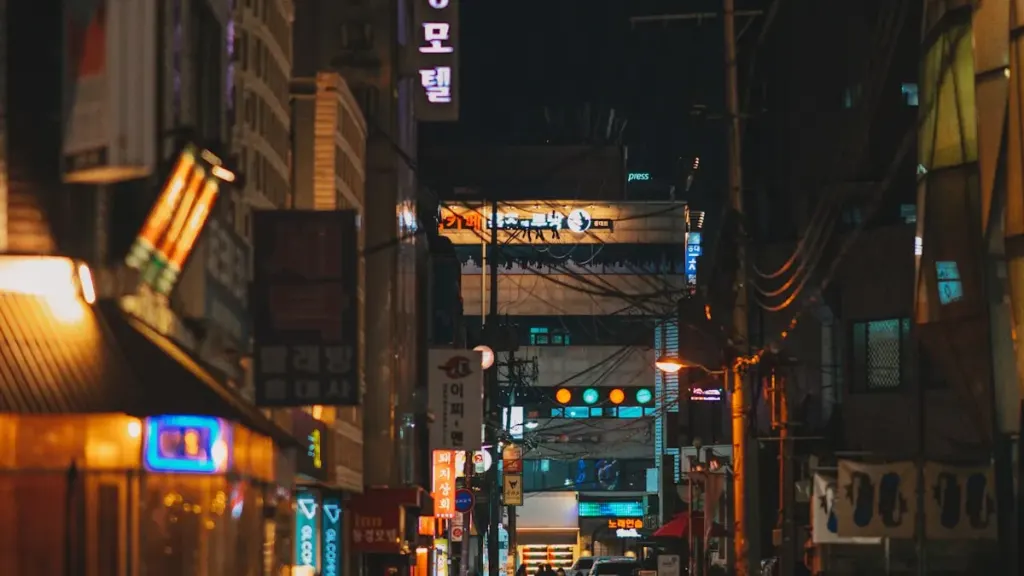
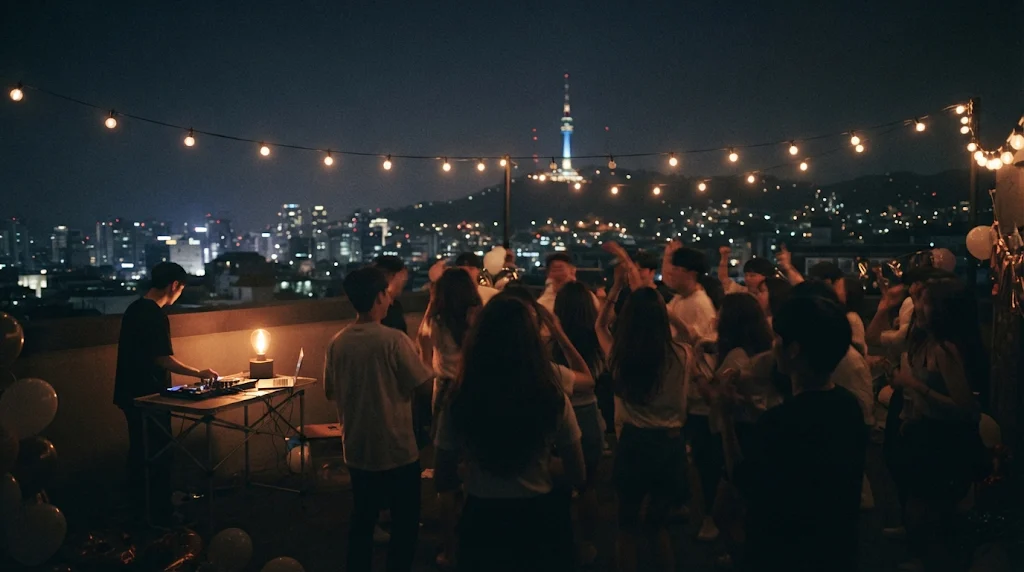
Written under Namsan, after dark.

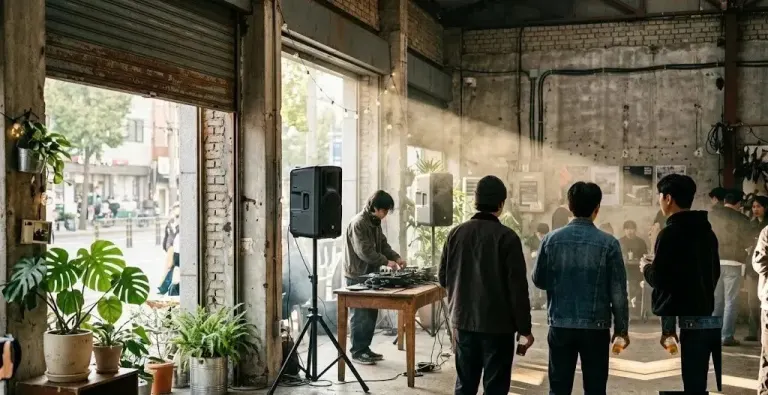
The DJ Diaries is written by a Canadian DJ with more than twenty years in Seoul’s booths, holding residencies and playing venues, hotels and events across Korea, mostly house and disco. This is where those rooms get written down: where to go tonight, how the night actually works, and the history behind the sound.
A great set at three in the morning is one of the more honest things a person can make for other people. No lyrics to hide behind and no story to lean on.
If you’ve been in that room, you already know. If you haven’t yet, this site will help you find it.Why I do this
Seoul’s nights deserve a proper record.
For a city with this much happening after dark, there isn’t a lot written down for the people in it. Visitors get lists of clubs that closed years ago. Locals get scattered posts, group chats and the memories of whoever was there. Not much of it is in both English and Korean, and almost none of it is written from behind the decks.
I want to add to that. To write down what’s already been built here, by the DJs, crews and rooms that did it, keep it up to date as things change, and follow where the scene is going next.
Every piece is checked against published sources, including Korean-language press.
Who it’s for
Whether you landed this week or grew up here.

How I work
How you can trust what you read here.
- Every fact is sourced.Claims link to where they came from, in English and Korean press. If something can’t be confirmed, I say so.
- Written from the booth.More than twenty years of playing these rooms comes first. Research backs it up.
- Kept up to date.Clubs open and close. If something here is wrong or out of date, tell me and I’ll fix it.
- Other voices are credited.Interviews are marked as interviews, and quotes say who said them.
The story so far
Fifty years of dance music, and where Seoul fits in.
Bookings
Planning a night in Seoul?
Club nights and private parties, company events and weddings. Good music is good music: tell me the crowd and the feeling, and I’ll find the DJ who fits.
Book a DJGet involved
The scene is bigger than any one room in it.
Writers, promoters, DJs and readers all keep this site honest. Pick what you have for us and the form writes the email for you.
Pitch a piece
We publish essays, profiles, scene reports and guides from people with something real to say. First person is welcome, and so is Korean. Tell us the idea in a few lines before you write the whole thing.
Tell us about your event
Promoters, crews and venues: send the night and we look at whether it fits a listing, a feature on Instagram or a proper write up. Send it two weeks ahead if you can.
Say hello
Corrections, a city we should cover, a mix with notes, press questions or anything else. If we got something wrong, we fix it and say so.
The button opens your email app with everything filled in, so nothing is stored on this site. Planning a paid event instead? Use the booking form.