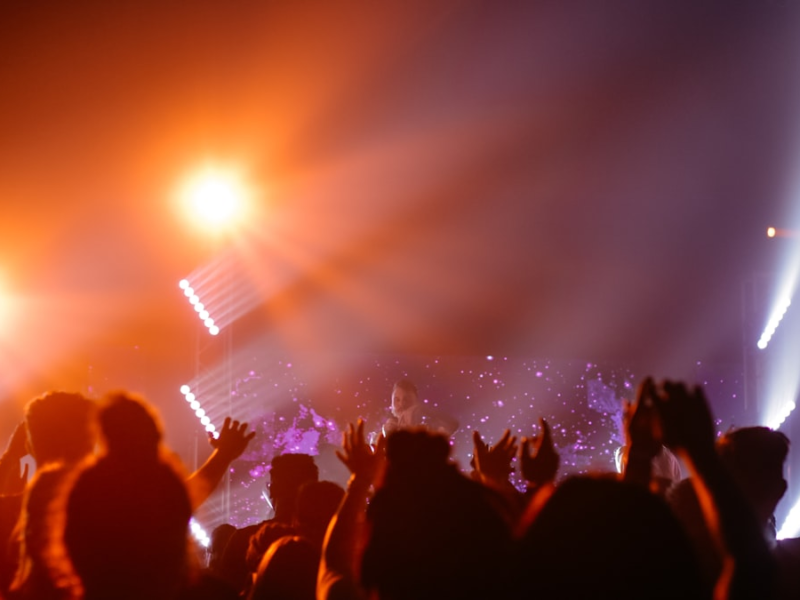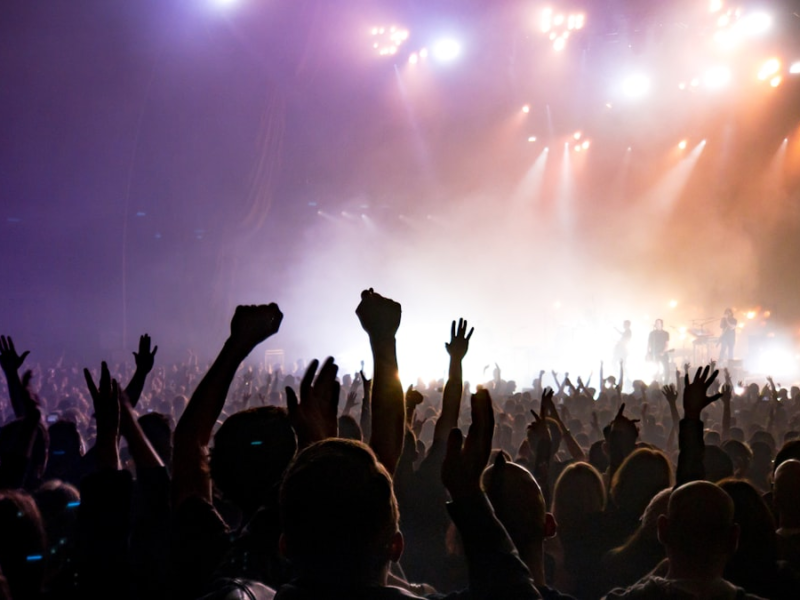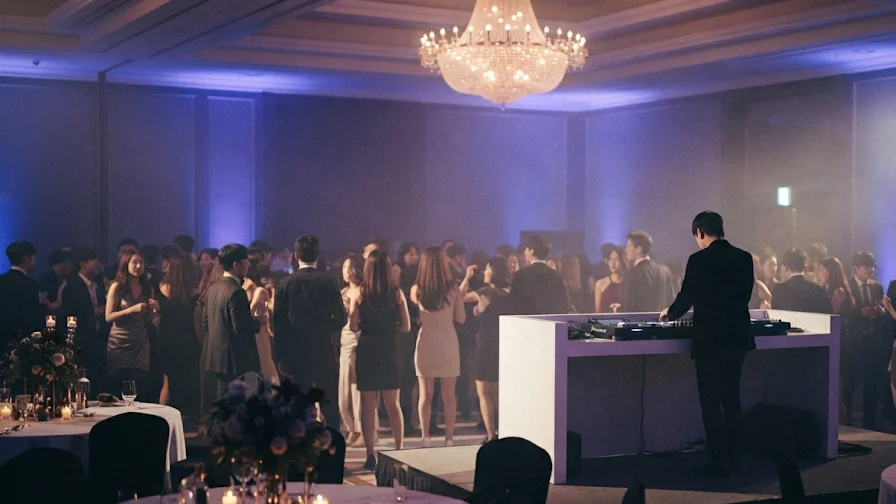
The first time I played Fabric in London I got there at midnight and left at 8 AM. The sound system in Room One hits you in the chest at a volume that would be physically uncomfortable anywhere else but somehow feels exactly right in that room. The crowd knew every record. Someone in front of me was crying during a Carl Cox transition at 4 AM and nobody thought that was unusual. I have played rooms on four continents and I have never been in another venue that produces that specific combination of physical and emotional response. Fabric is not a club in the way most clubs are clubs. It is closer to a cathedral.
That is what this section is trying to document: the venues, the cities, the festivals, and the cultural practices that give electronic music its context and meaning.
What This Section Covers
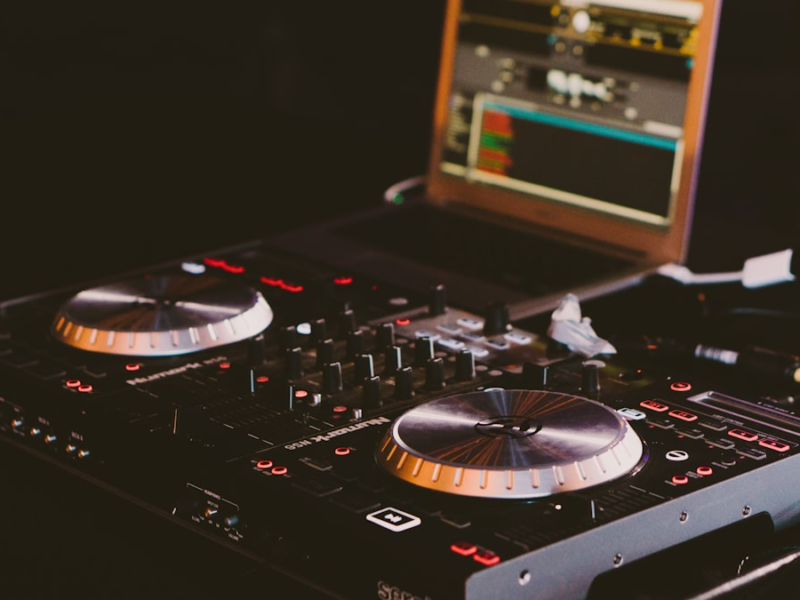
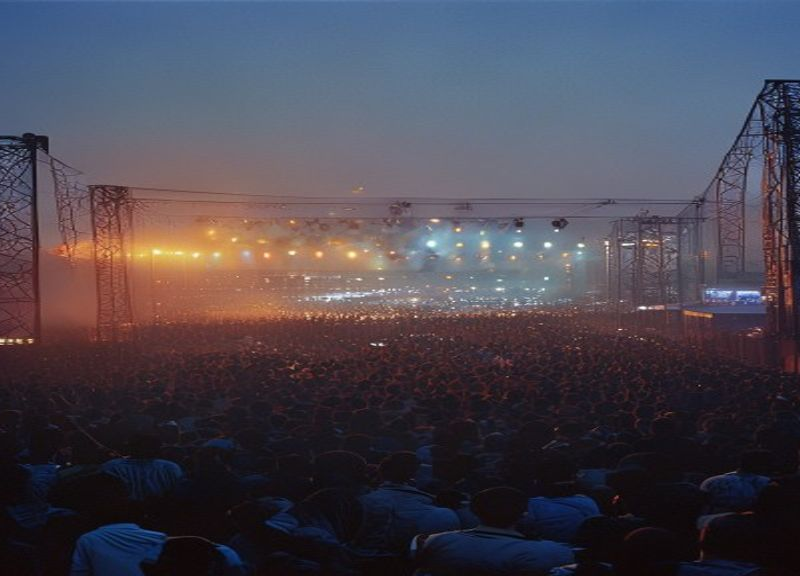
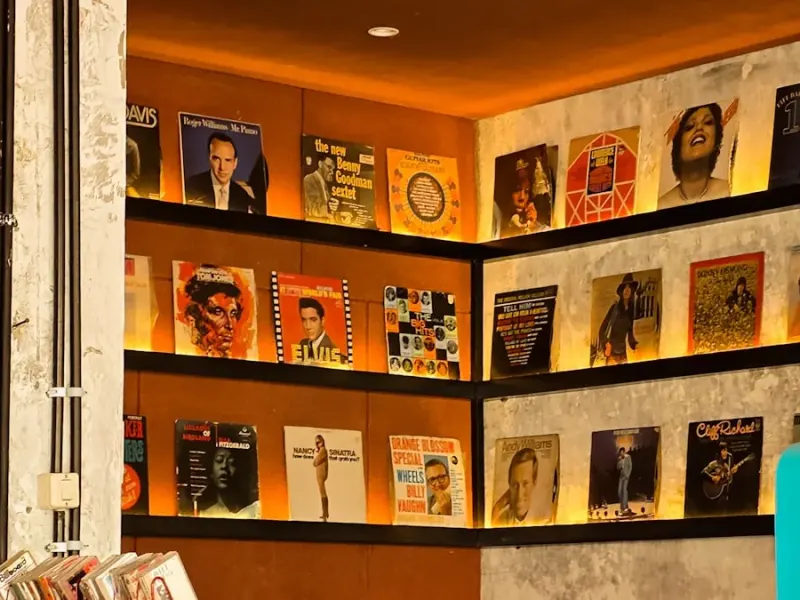
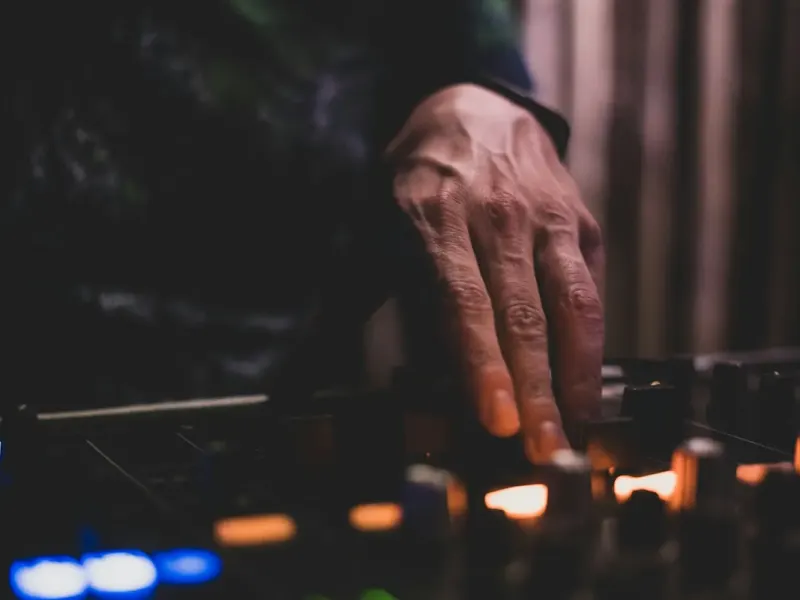
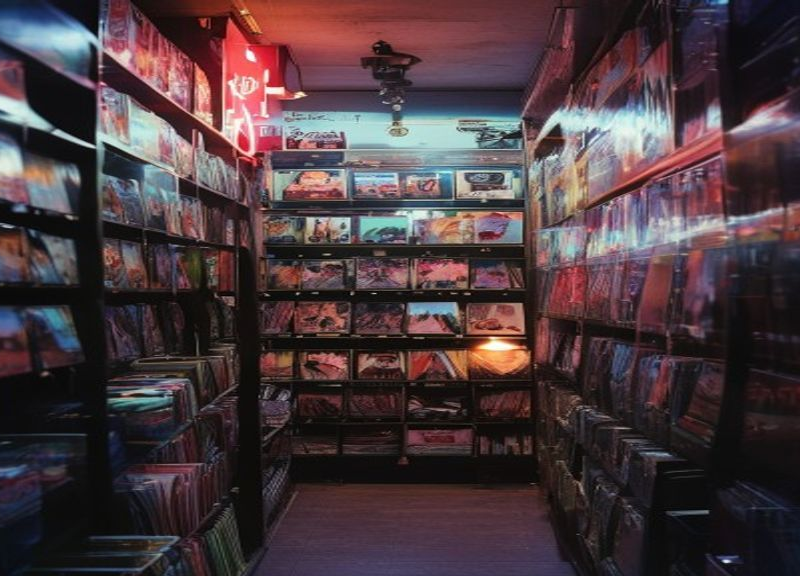
The Culture & Scenes section covers four interconnected areas. Festivals and events: the major gatherings from Tomorrowland and Movement to smaller regional festivals that define specific scenes. Geographic scenes: the cities that built electronic music, from Chicago and Detroit through to Berlin, London, and Seoul, with documentation of what made each scene distinct and what it produced. DJ culture and craft: the technique, the history, and the unwritten rules of DJing from the vinyl era to the present. And social discovery: how dance music spreads, from pirate radio and record shops through to algorithms, SoundCloud, and the TikTok era.
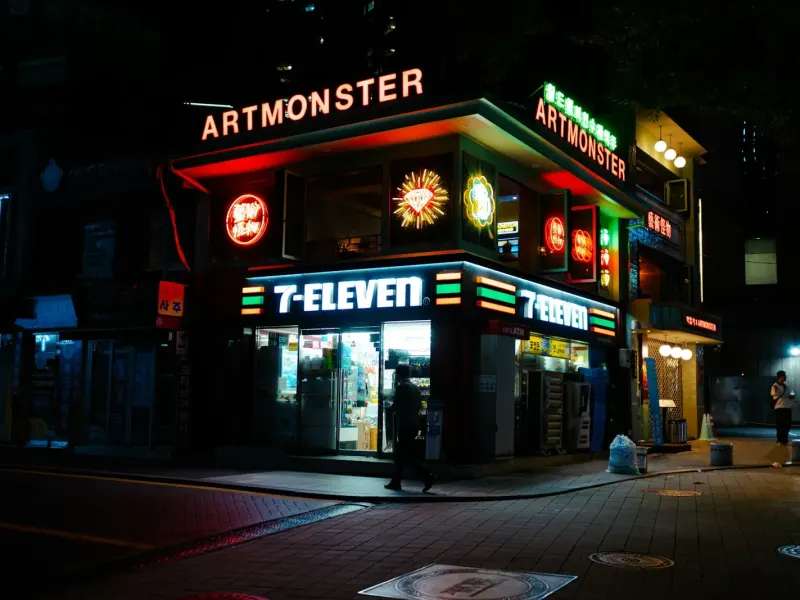
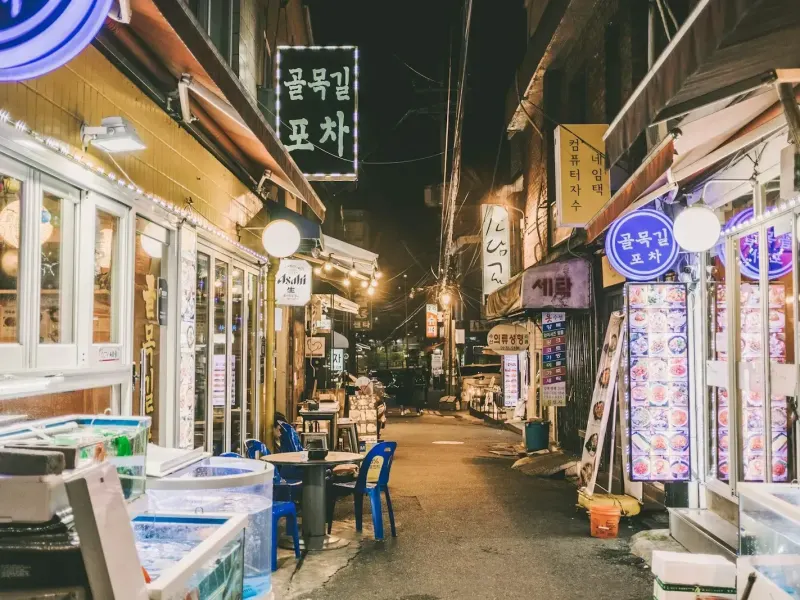
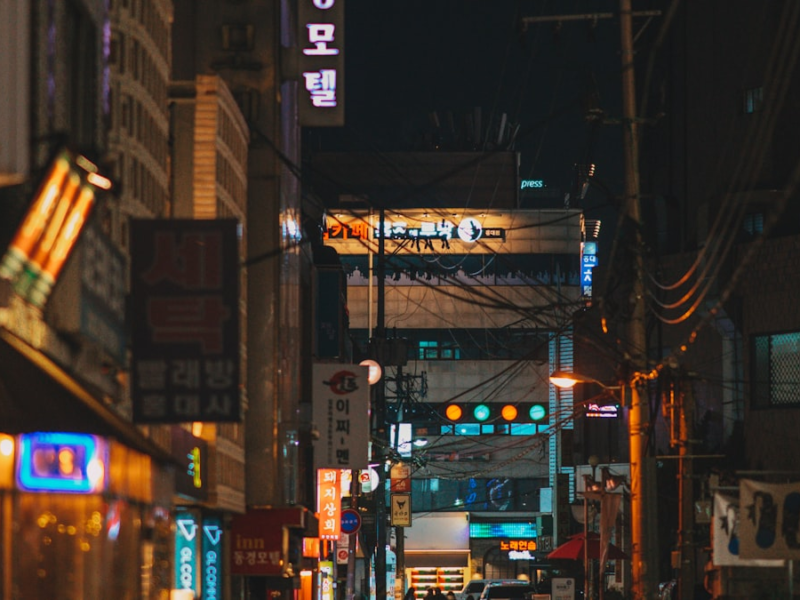
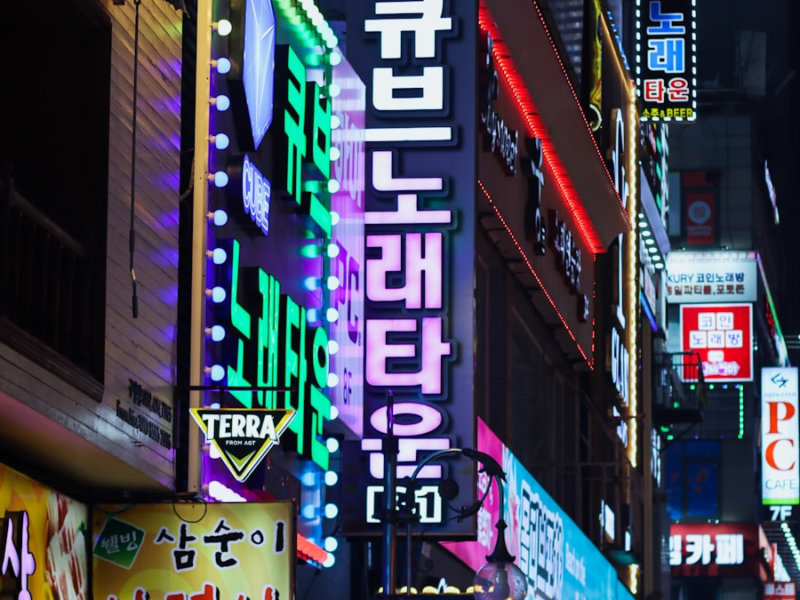
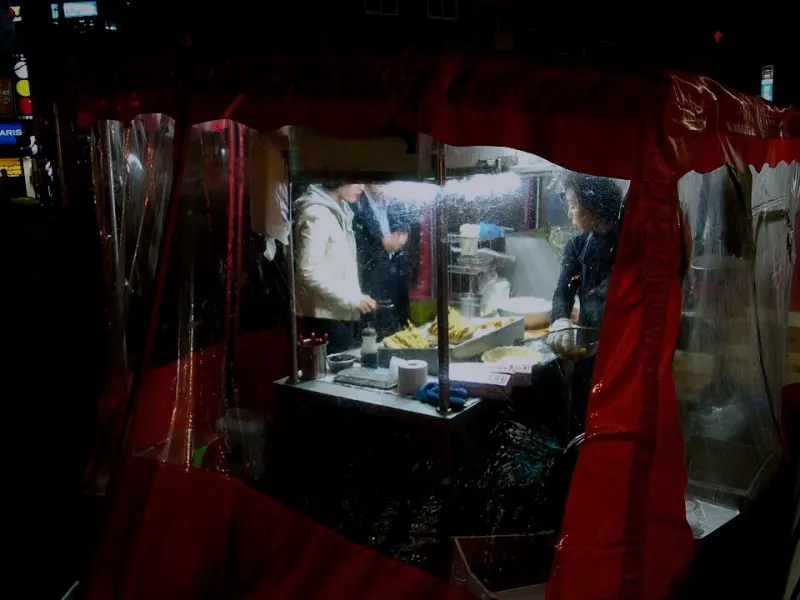
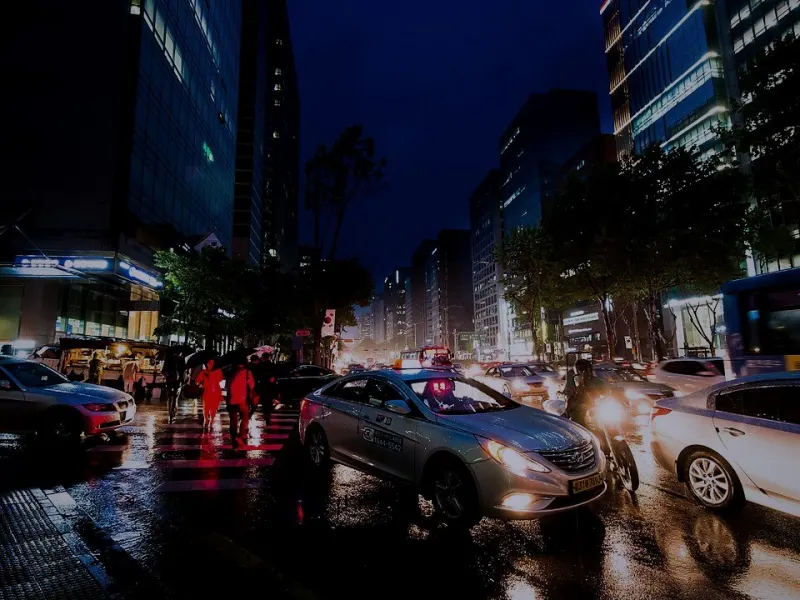
Seoul gets particular depth here, because it is where I live and where I work. The Itaewon and Hongdae club scenes, the Korean festival calendar, the specific culture around club entry and DJ bookings in Seoul: this is not secondhand research. It is direct observation from 20 years inside the scene.
How Scenes Work
A scene is not just a collection of clubs in the same city. It is a specific combination of geography, economics, immigration patterns, and cultural circumstances that produces a new sound. Chicago house required the post-disco void in the city’s Black community venues, cheap Roland machines, and a group of DJs with access to both. Berlin’s techno scene required reunification, abandoned warehouses in the former East, and a generation of young people with nowhere else to go. Seoul’s underground scene required a specific mix of Korean economic development in the late 2000s, an international community in Itaewon, and a few promoters willing to book artists nobody in Korea had heard of.
Understanding how scenes form is how you understand why specific sounds emerge where and when they do. Every festival profile, city essay, and cultural piece in this section is written with that question in the background.