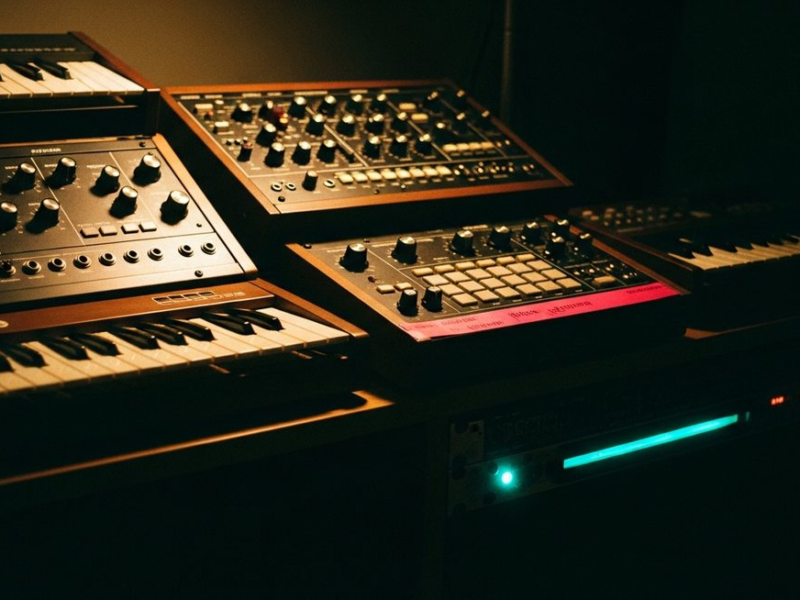
The Roland TR-808 was discontinued in 1983 after two years of poor sales. Roland’s engineers considered it a commercial failure. Within a decade it had appeared on more successful records than almost any instrument in history, redefined the rhythm sections of hip hop, house, techno, and electro, and permanently changed what bass and drums are allowed to sound like. The 808 is the most consequential instrument of the 20th century that nobody at Roland intended to create.
That story, repeated across dozens of pieces of hardware and software, is what this section is about.
What This Section Covers
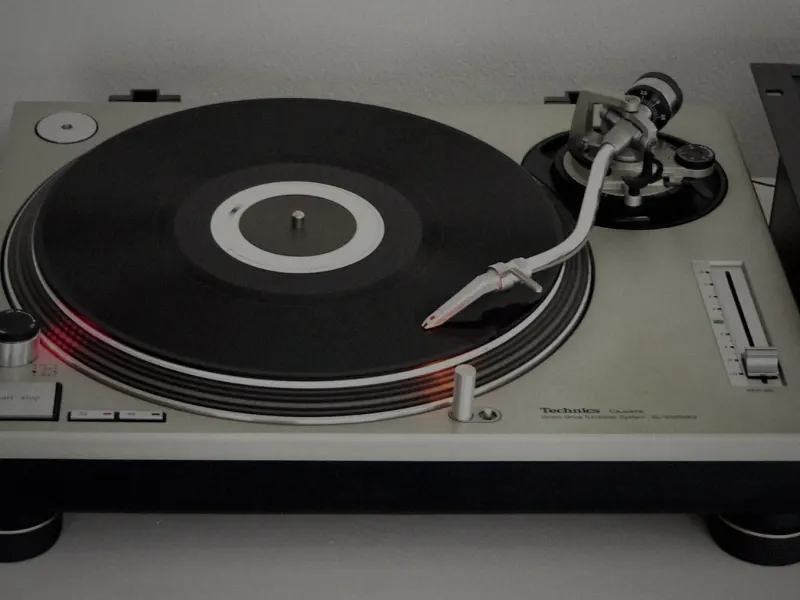
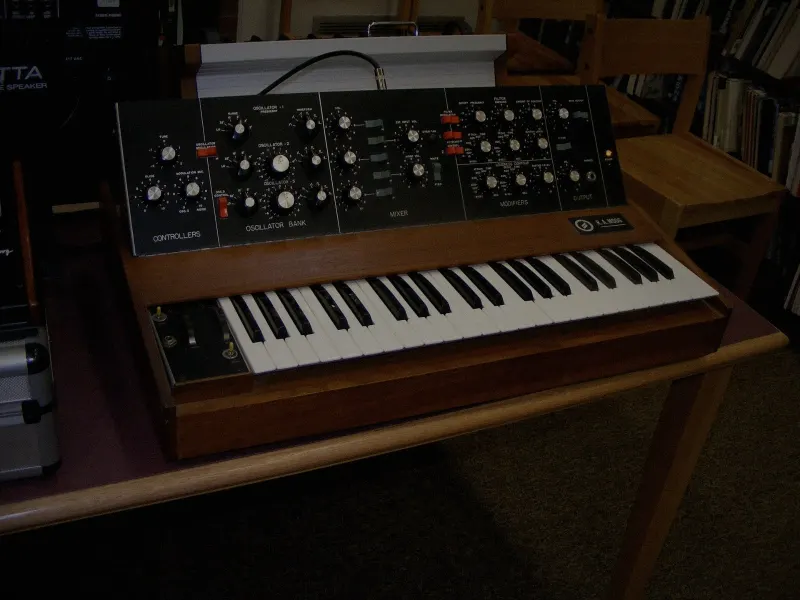
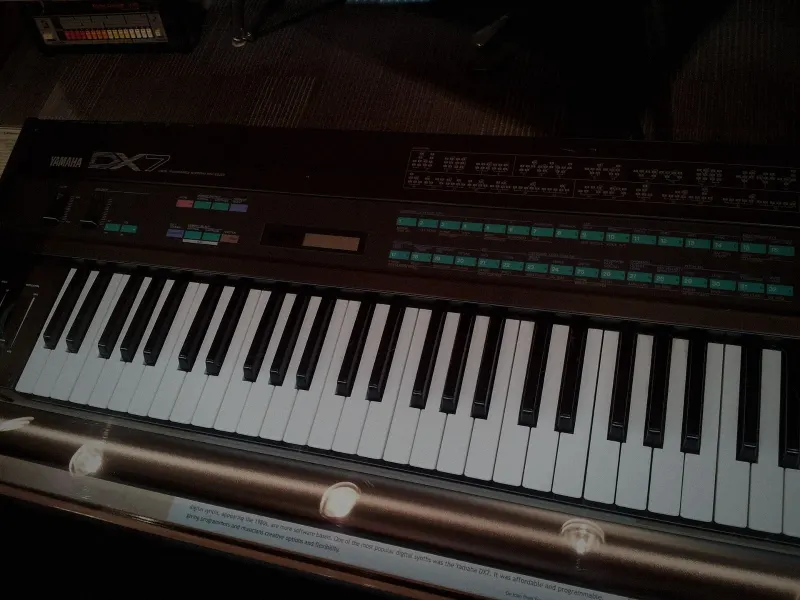
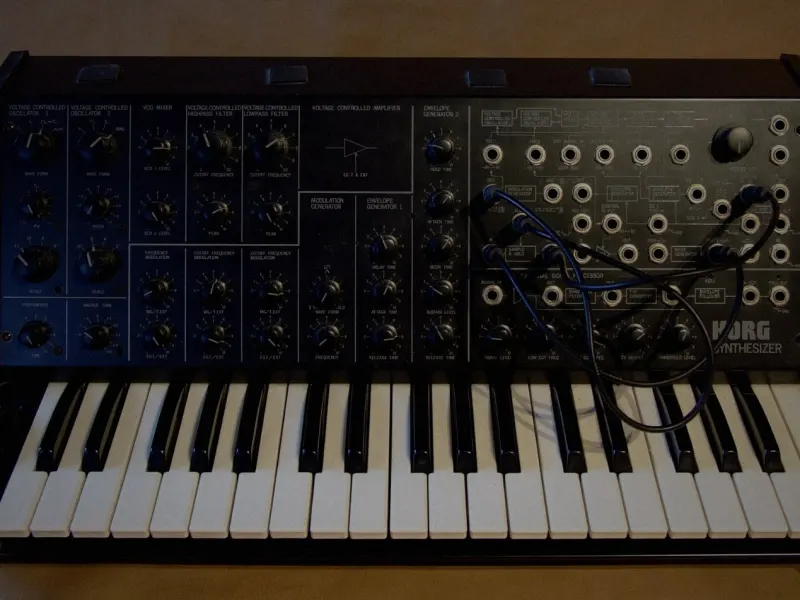
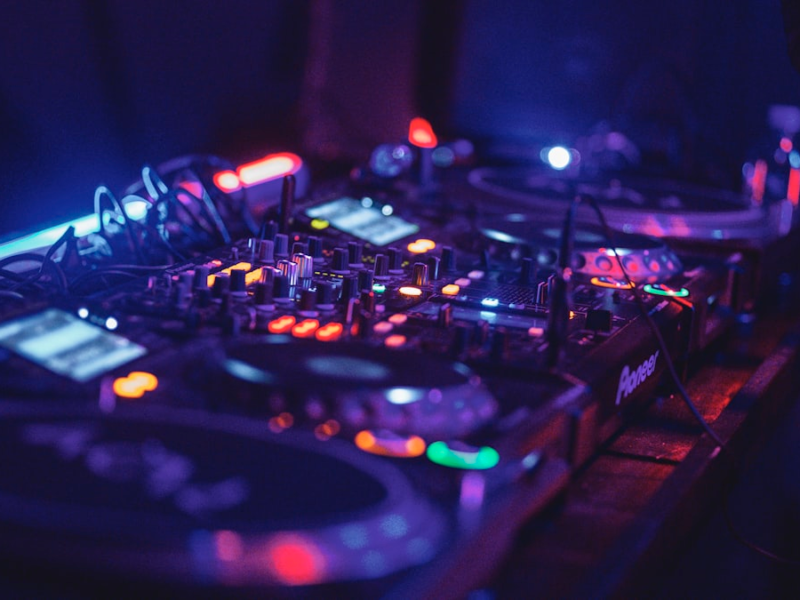
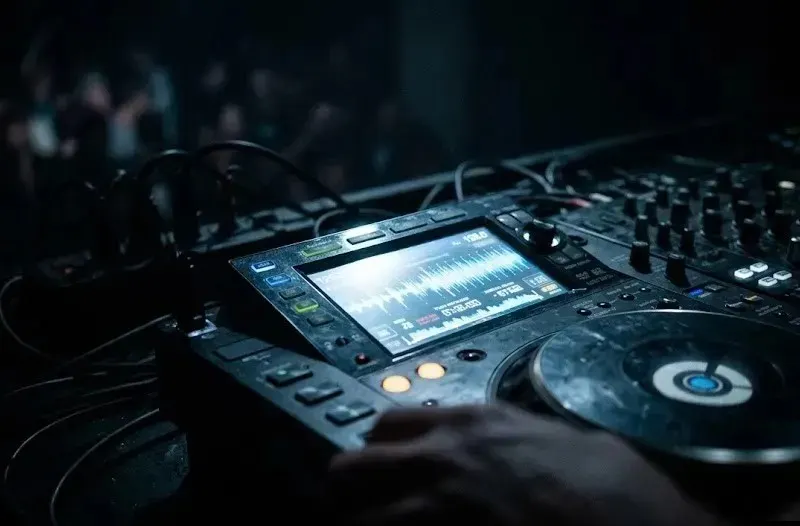
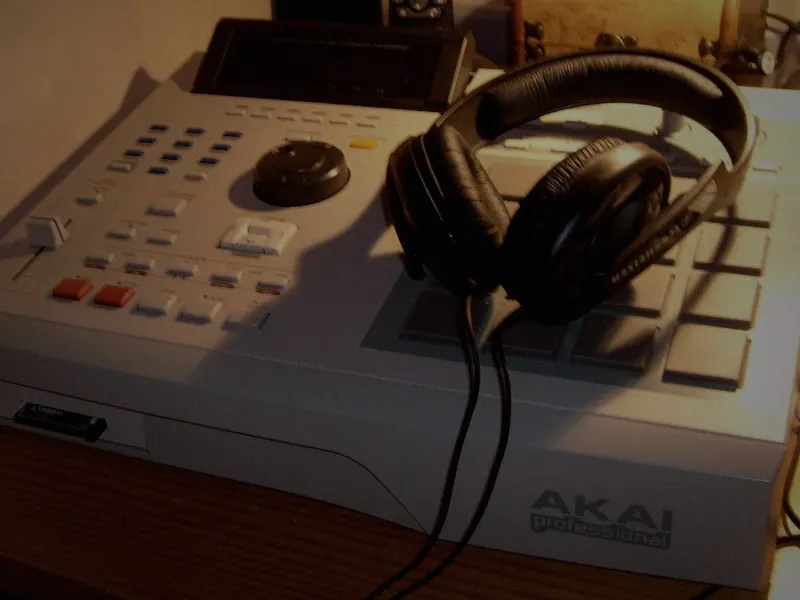
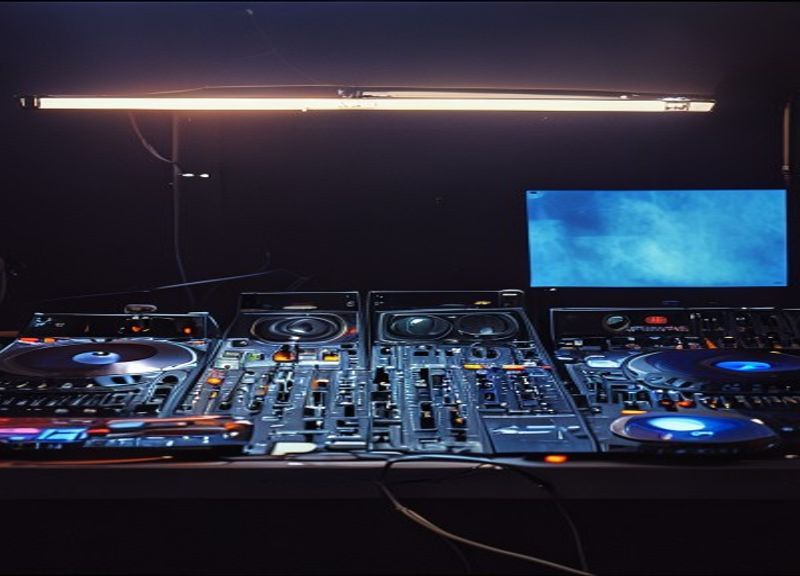
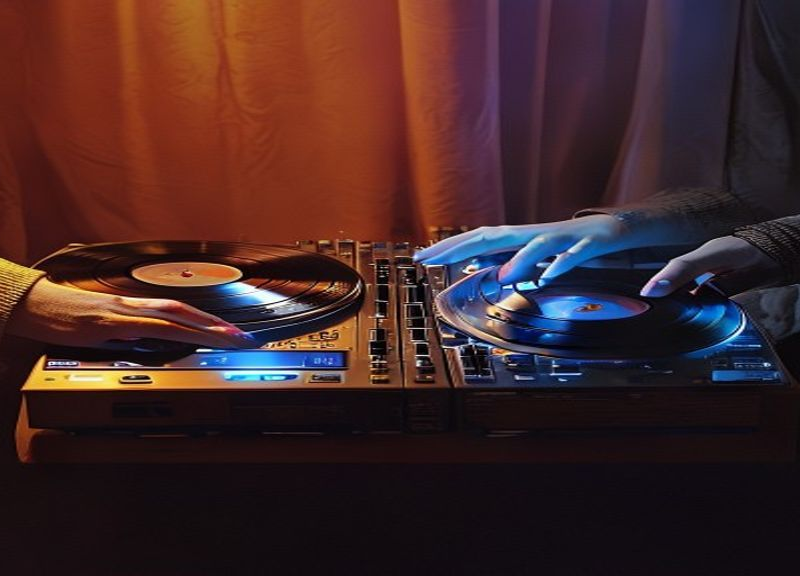
The Machines & Technology section documents the hardware and software that built electronic music. Full profiles of the instruments that shaped the sound: the Roland TR-808, TR-909, and TB-303. The Technics SL-1200, which defined DJ culture for three decades. The Akai MPC, the Roland SP-404, the Korg MS-20, the Yamaha DX7. The Pioneer CDJ-1000, which replaced vinyl in most clubs by 2005 and set the standard that every DJ machine since has tried to improve on.
It also covers the software: Ableton Live, which changed how electronic music is composed and performed. Serato and Traktor, which made digital DJing legitimate. Rekordbox, which turned USB sticks into the dominant DJ format. And the platforms: from eight-track tape through to streaming, the history of how recorded music gets distributed has always shaped what kinds of music get made.
Why Machines Matter
A specific piece of hardware creates specific constraints. The TB-303’s sequencer was notoriously difficult to program correctly, which is precisely why acid house producers started programming it wrong and discovering sounds nobody had heard before. The limitation became the aesthetic. That pattern repeats across the history of this music: the instrument shapes the genre, the genre shapes the culture, and you cannot fully understand one without understanding the other.
Posts in this section treat gear as cultural history, not consumer reviews. The question is never whether you should buy one. The question is what it changed, who used it, and why it sounded the way it did.
The Profiles
Each machine profile runs 1,500 to 2,500 words. The Roland trilogy (808, 909, TB-303) covers the foundational story of how three discontinued instruments built an entire culture. The CDJ series covers the shift from vinyl to digital. The software profiles cover the DAW era from the late 1990s onward. Profiles are being added on the regular editorial schedule.