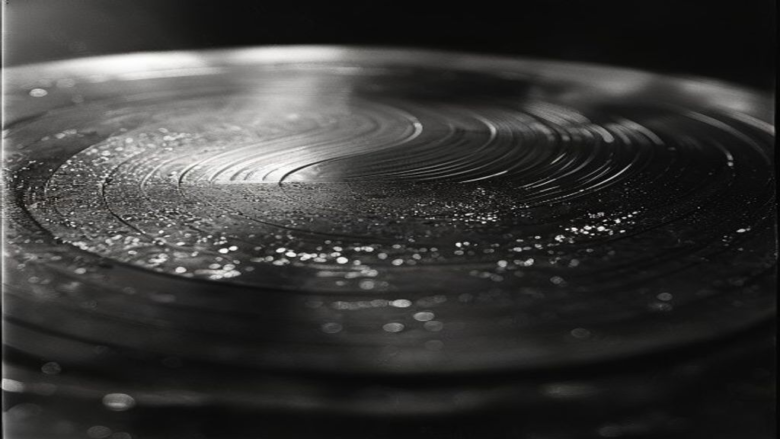
The band drops out. For a few bars, often only a matter of seconds, the drummer plays alone, and the whole record seems to hold its breath. Then the horns come back and the moment is gone. Unless someone has two copies of the record.
That drum break, lifted out of funk and soul and repeated, came before electronic music as we now know it. Isolating the break and looping it is the founding gesture of hip hop, the base sampling culture was built on, and the rhythmic floor under a remarkable share of the dance music made since. Breakbeat is a genre, but it’s also a way of hearing music: listening for the moment rhythm stands most nakedly on its own, and treating that moment as raw material.
Kool Herc Turned Two Copies of One Record into a New Song
The breakbeat as a technique begins with DJ Kool Herc in the Bronx in the early 1970s. Herc used two copies of the same record to extend the break indefinitely, switching turntables at the exact moment the break ended, and in doing so turned the DJ into a producer in real time.
Breakbeat
The drum break, lifted out of funk and soul and never put back
TempoEvery branch keeps its own speed. The break is the constant, not the tempo.
- Born
- The Bronx, early 1970s, with DJ Kool Herc
- The move
- Two copies of one record, switching decks as the break ends
- Key record
- The Chemical Brothers, Exit Planet Dust (1995)
- Listen for
- A loop that keeps going instead of resolving
The break he most famously worked was from Give It Up or Turnit a Loose by James Brown, but he and the DJs who followed drew on a broad catalogue of funk and soul records, finding the moments of rhythmic intensity and pulling them out of their original setting. The dancers who lived for those moments gave the break its other legacy.
Samplers Made the Break a Craft
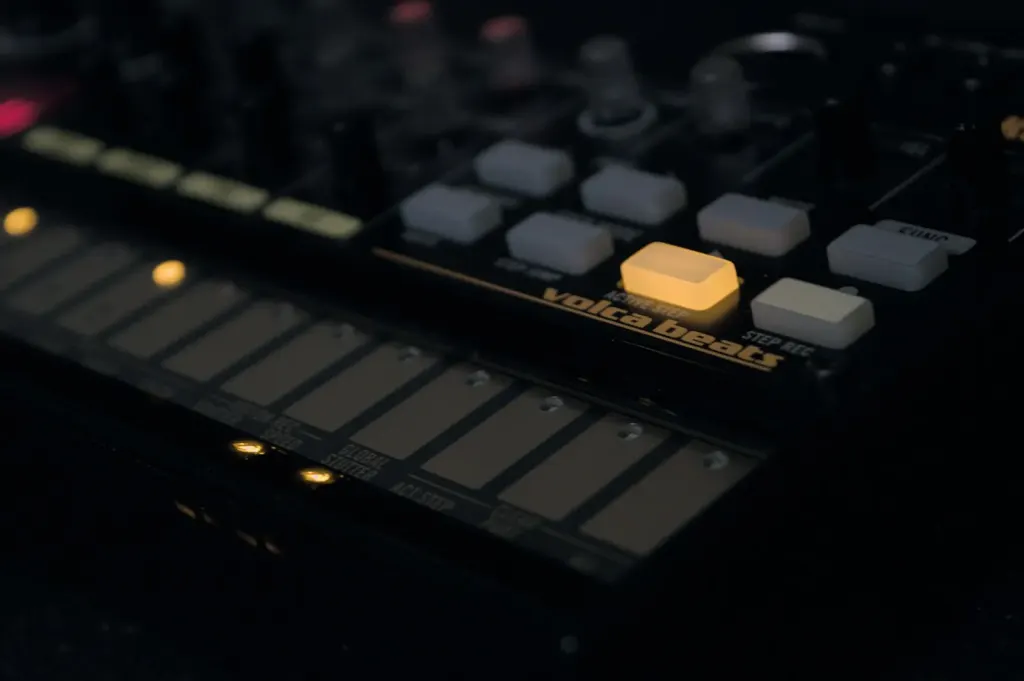
What hip hop did with the breakbeat over the next two decades set the templates UK rave culture would later inherit. The samplers of the late 1980s, the Akai MPC60 and the E-mu SP-1200, let producers manipulate drum breaks with new precision, changing their pitch, timing and texture in ways the original recordings never anticipated.
Much of the vocabulary came off the Ultimate Breaks and Beats compilations, launched in 1986, which gathered clean drum breaks, The Winstons’ Amen among them, onto records made for DJs and producers. By the time British rave culture met these techniques in the early 1990s, breakbeat manipulation was a sophisticated craft with its own vocabulary.
Big Beat Crossed Over, and the Underground Argued About It
Big beat emerged in the mid 1990s as the most commercially successful strain of what had become a distinctly British approach to the break. The Chemical Brothers, Fatboy Slim (Norman Cook) and Propellerheads, along with the American duo The Crystal Method, took the rhythm of hip hop, the distortion of rock and the energy of rave and made records that sounded like nothing before them. The Chemical Brothers’ Exit Planet Dust (1995) and Dig Your Own Hole (1997) remain among the most purely entertaining albums in electronic music, built to be heard at maximum volume, in motion.
Fatboy Slim’s path shows how far it travelled. Norman Cook had been in The Housemartins, a successful indie pop group, before he found the dancefloor and heard what break driven production could do that guitar music couldn’t. Rockafeller Skank, Praise You and Right Here Right Now crossed over so completely that they embarrassed the underground’s attempt to keep a clean line between real dance culture and pop.
Whether that was selling out or widening the door has never been settled, and it may not need to be. The records are unambiguous, and they still turn up in DJ sets three decades after they were made, which says more than the genre politics did.
Nu skool breaks pulled the sound back toward the club. Adam Freeland, Plump DJs and Stanton Warriors made tighter productions and played longer sets built for sustained dancing rather than radio. The Bristol scene, with its links to both the trip hop tradition and the harder end of UK rave, was especially productive, mixing the city’s moodiness with rhythms that demanded attention.
Breakcore Turned the Break Against the Dancefloor
Breakcore emerged in the late 1990s and early 2000s as the form’s most extreme development. Where big beat used breakbeats to make music more accessible, breakcore used them to make it more confrontational. Venetian Snares, Bong-Ra and Doormouse took the Amen break and subjected it to treatments that bordered on abuse: stretched to inhuman tempos, pitch shifted out of recognition, broken into patterns that took conscious effort to follow.
The music wasn’t meant to be danced to in any ordinary sense. It was an endurance test, a sonic extremism built from the familiar materials of rave for an effect rave’s original crowd never imagined. In May 2026 the Library of Congress added The Winstons’ Amen, Brother (1969) to the US National Recording Registry, an official recognition, decades late, of the break that jungle, breakcore and hip hop all leaned on.
Why the Break Never Resolves
The breakbeat has outlived every strand built on it, from hip hop to big beat to nu skool breaks to breakcore, because of something in the form itself. A break is incomplete: a rhythmic statement with no melody or harmony around it, an emphasis that implies a continuation that never comes. That’s what makes it endlessly reusable. Every producer who samples a break completes it differently.
Contemporary production hasn’t abandoned it, though it often absorbs the break into music that doesn’t call itself breakbeat. The influence of the Amen and its relatives is audible in contemporary UK dance music, in drill, and in the experimental club music on labels like Hyperdub and Brainfeeder. The 2010s and 2020s also brought a deliberate breakbeat revival, with artists and DJs reconnecting with big beat and nu skool, partly from nostalgia and partly from a real reappraisal of music once dismissed as too commercial.
The line runs from James Brown’s drummer Clyde Stubblefield through Kool Herc and Afrika Bambaataa, through the Bronx and UK rave, to every producer who has heard a drum kit playing alone and thought: that’s what I need. What we call breakbeat music is the most explicit version of an idea under most of the music we dance to.
Test Yourself
Frequently Asked Questions
What is breakbeat?
A breakbeat is the percussive break in a funk or soul record, the moment the band drops out and the drummer plays alone, isolated and repeated. That practice is the founding gesture of hip hop and the base on which sampling culture was built. Breakbeat is less a single genre than a way of hearing music, treating that exposed rhythm as raw material.
Who invented the breakbeat?
DJ Kool Herc created the breakbeat technique in the Bronx in the early 1970s. He used two copies of the same record, switching between turntables as the break ended, to extend it indefinitely. His most famous break came from Give It Up or Turnit a Loose by James Brown, part of a lineage explored in this brief history of DJing.
What is big beat music?
Big beat was the most commercially successful British strain of breakbeat music in the mid 1990s. The Chemical Brothers, Fatboy Slim and Propellerheads, joined by the American duo The Crystal Method, fused hip hop rhythm, rock distortion and rave energy. Albums such as Exit Planet Dust (1995) and Dig Your Own Hole (1997) were built to be heard at maximum volume.
Is breakbeat still used in music today?
Yes, though often absorbed into styles that don’t call themselves breakbeat. Its influence is audible in contemporary UK dance music, drill and experimental club music from labels like Hyperdub and Brainfeeder. The 2010s and 2020s also brought a deliberate revival of big beat and nu skool breaks.
Further Reading
- Wikipedia: breakbeat as a technique and as a genre
- Wikipedia: DJ Kool Herc and the invention of the break at Bronx parties
- Wikipedia: big beat and the Chemical Brothers and Fatboy Slim era
- Wikipedia: nu skool breaks and its return to the club
- Wikipedia: breakcore, the most extreme use of the breakbeat
Sources
The Source: Kool Herc’s party at 1520 Sedgwick Avenue
The Guardian: the E-mu SP-1200 sampler (2011)
BBC Music: The Chemical Brothers review
Sound On Sound: Classic Tracks, Fatboy Slim, Praise You
BBC News Magazine: the Amen break
M/C Journal: on the Amen break and its afterlife
Billboard: Clyde Stubblefield, James Brown’s Funky Drummer, dies at 73
Written from Seoul, by someone who has been in the booth for more than twenty years. More on the site, or book a DJ.
Stay in the Loop
New writing on DJ culture, electronic music, and the Seoul underground, delivered when it matters.
More From The DJ Diaries

Play with the history
Four tools built from the same research as this site.