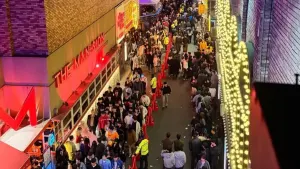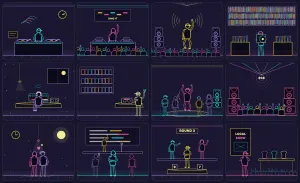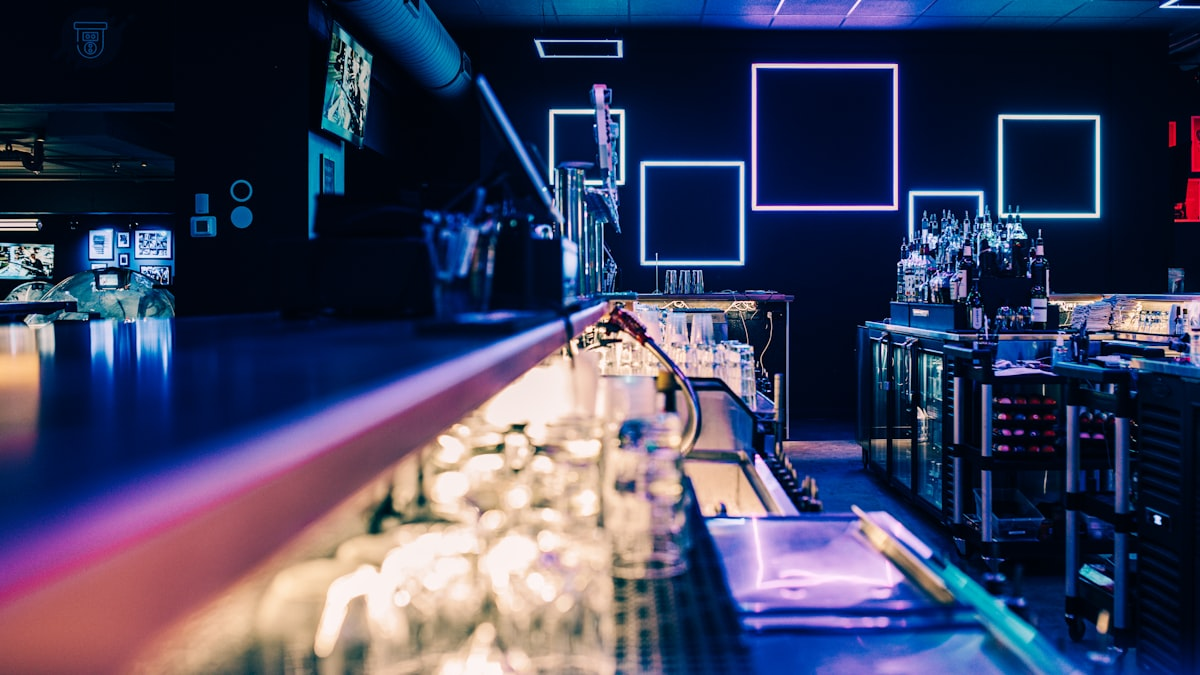
On a Saturday in Gangnam (강남), the first thing a group of friends sorts out is the table. In Hongdae (홍대), the club is the third stop of the night, after dinner and a bar, which is why the rooms there peak around midnight. At almost any door in the city, nobody asks who you know. They ask for your passport.
Korean club culture grew up under its own social pressures, its own licensing and its own idea of what friends owe each other on a night out. Most of what surprises first time visitors comes down to three things: the group, the rounds and the paperwork. Once you see those, the table bookings, the early peaks and the no dancing signs stop looking strange.
The Table Holds the Group Together
In a Gangnam club, the table booking is how a group anchors itself for the night, and the minimum spend attached to it is part of the display the visit represents. It’s less about VIP separation, the way bottle service works in Las Vegas or Miami, and more about cohesion. Korean social life is organised around the group rather than the individual, and the table keeps the group physically together, pouring for each other included.
The table has a long local pedigree. Newspim (뉴스핌) traced forty years of Korean Friday nights in 2017: the 1980s 디스코 나이트 (diseuko naiteu), part discotheque and part nightclub, then the early 2000s hotel nightclubs of Apgujeong (압구정) and Cheongdam (청담) and the 부킹 (buking) clubs where waiters paired up tables of strangers, then the hip hop clubs that followed NB. By then, it noted, club MDs arranging those introductions had blurred the line between nightclub and club.
Seoul’s underground rooms resist the table model on purpose. Adopting it would shift a room’s job from music discovery to status display, and that split runs through the city’s whole club geography.
The Night Comes in Rounds
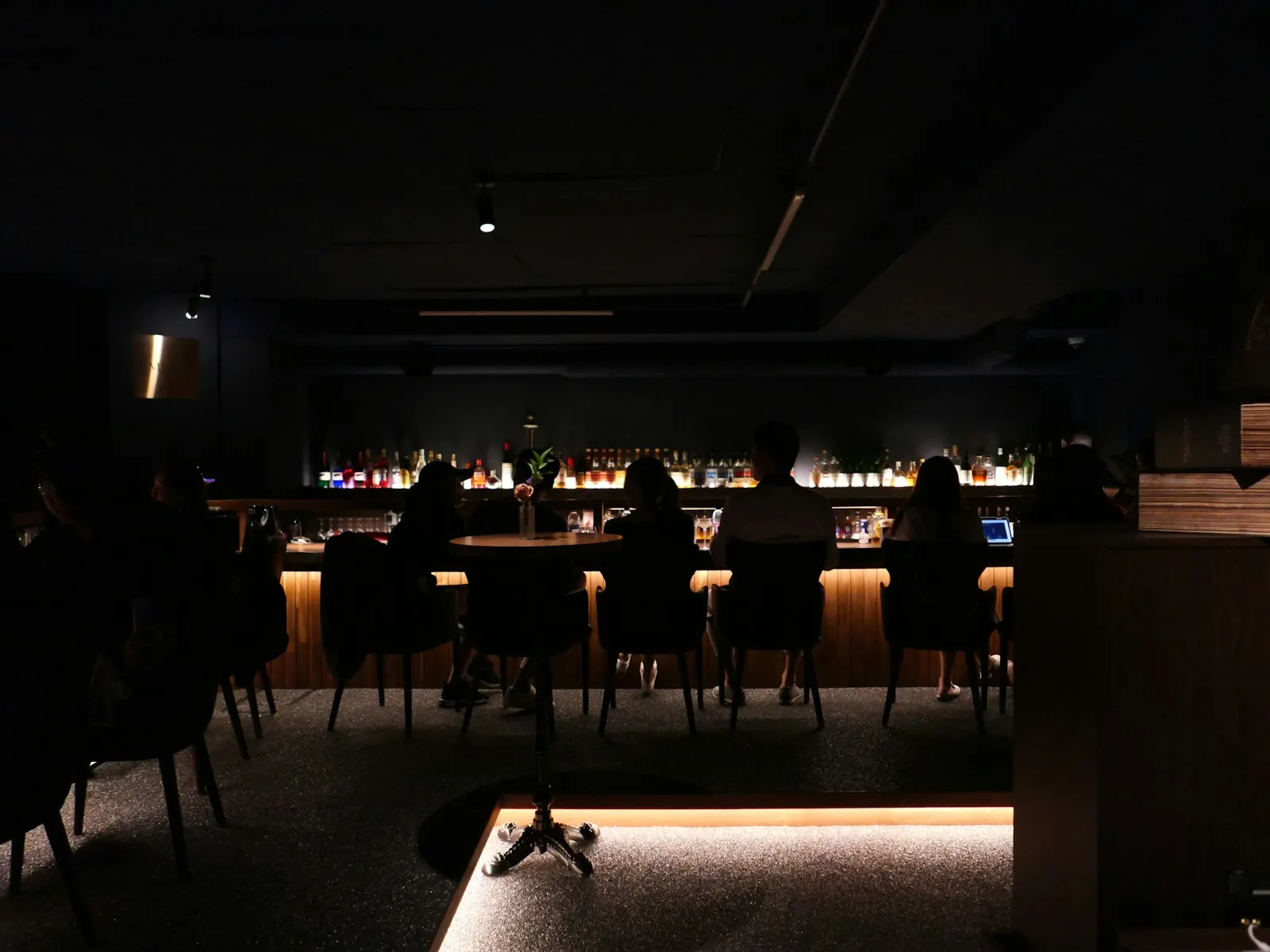
A Seoul night out runs as a sequence of stages, cha (차) in Korean. Dinner and drinks is round one, a bar is round two, the club is round three, and late food or noraebang (노래방) closes it out. The club is one stop on the route, not the destination the whole evening bends toward, which is why Hongdae peaks at midnight rather than 3am.
A Seoul Night Out, Round by Round
The club is one stop on the route, not where the evening is headed
1차, 2차, 3차
The late rounds are thinningWeekday bar card payments fell most after midnight, according to NH NongHyup Bank. Fewer groups move on to round two and three, and that is the crowd a 1am club room was built on.
Pubs and hofs have nearly halved in eight years, and one in five singing rooms has closed since 2017. The rounds are thinning because the rooms that hosted them are closing.
Sources: National Tax Service via Seoul Economic Daily · National Tax Service via Korea Times
The convenience store table counts as a stage of its own. Drinking in public is legal in Korea, and a GS25 plastic chair at 11pm is as much a part of going out in Seoul as any dancefloor.
The rounds are thinning, though. NH NongHyup Bank’s card data shows weekday bar spending falling most after midnight, and the National Tax Service counts pubs and hofs down from 52,302 in March 2018 to 28,178 in March 2026, with about one in five singing rooms closed since 2017. Fewer groups reach round three, and round three is the crowd a 1am club room was built on.
The Door Checks Your ID, Not Your Credibility
Korean clubs ID strictly. The legal drinking age is 19, applied by birth year rather than birthday, a leftover from East Asian age reckoning that survived Korea’s switch to international age in 2023. Carry your passport, because many doors refuse foreign driver’s licences.
Who Gets In, District by District
Who fills the room, and what the door is really checking
동네별로 다른 클럽 입구 풍경
| District | Who is in the room | What the door checks |
|---|---|---|
| Hongdae | Mostly 19 to 27 | ID, and little else |
| Itaewon | Older, and internationally mixed | ID, plus any house rules on the listing |
| Gangnam | Whoever can afford the table | ID, a dress floor, sometimes the gender ratio |
The ruleCarry your passport everywhere. In Gangnam, the table is the real door.
The age split between districts is real. Hongdae venues serve a 19 to 27 crowd, Itaewon (이태원) skews older and more internationally mixed, and Gangnam’s table floors skew toward whoever can afford them. The Korean door filters by ID, by a dress floor in Gangnam, and occasionally by gender ratio, but almost never by scene credibility.
Underground clubs often print the door rules on the event listing itself: ID required, no flash photography, and a door price that rises after midnight. Read the listing before you go.
Inside, the Rules Are Considerate
The unwritten rules inside the room lean polite. Phones on the underground floors are tolerated, but conspicuous filming isn’t, and several serious rooms post no photography signs that people respect. Requests to the booth are rare and mildly embarrassing for everyone involved, which suits me fine, and tipping doesn’t exist.
Bag and coat culture is minimal because nights start close to home. The aggressive drunkenness of a bar strip at closing time is rarer here, partly because the group polices itself and partly because the rounds spread the drinking across five hours of food and movement. What friction there is clusters around the taxi queues at closing and the occasional Gangnam door dispute.
The Rules Since 2022, and the One Still Waiting on a Fix
Legal closing times in Seoul exist, but they aren’t enforced evenly. The serious after hours floors run past sunrise on a mix of licence categories and tolerance, and that tolerance tightened after the October 29, 2022 Itaewon crowd crush. It brought crowd density rules, more visible police on peak nights, and real enforcement of occupancy limits in the alleys above the club district.
The scene absorbed it, as it absorbed the pandemic years before that, and the norms that came out of it are the ones the underground circuit runs on now: smaller rooms, known crowds, and a culture that treats a late licence as something a scene maintains together. That shared habit, more than any single rule, is what makes the Korean model.
One rule still hangs over every small room. Most music venues are registered as restaurants, and dancing in a restaurant depends on whether its district has passed an ordinance allowing it. In Seoul, only Mapo, Yongsan, Seodaemun and Gwangjin have. In August 2026, Busan’s Ovantgarde (오방가르드) was suspended for two months after officials said patrons danced at a band show, and in September the culture minister, Choi Hwi-young (최휘영), pledged to change the rule. I’m a DJ, not a licensing expert, so the detail is for a Korean lawyer or licensing agent; the scene side of it is in why Seoul clubs have kitchens.
The habit of organising around these rules is older than any of them. Lee Moo-yong’s 2004 study of Hongdae club culture in Korea Journal records that dance club owners formed Club Solidarity and began holding Club Day (클럽데이, keulleopdei) in 2001, partly to oppose the ban on dancing in clubs, after live club owners had already campaigned to legalise band performances in their rooms.
Frequently Asked Questions
How is Korean club culture different?
Korean club culture is organised around the group. In a Gangnam (강남) club the table booking anchors friends for the night, the evening runs in rounds with the club as the third stop, and the door checks ID rather than scene credibility. Seoul’s underground rooms resist the table model deliberately, keeping the focus on music discovery rather than status display.
Why do Koreans book tables at clubs?
Mainly for group cohesion rather than VIP separation. Korean social life is organised around the group, and the table keeps the group physically together, pouring for each other included. The minimum spend attached to it is also part of the display the visit represents.
How does a night out in Seoul work?
A Seoul night out runs in rounds, called cha (차): dinner and drinks first, a bar second, the club third, and late food or noraebang (노래방) to close. That’s why Hongdae (홍대) peaks at midnight rather than 3am. A convenience store table counts as a stage of its own, as the guide to going out in Seoul explains.
What should foreigners know about Korean club etiquette?
Carry a passport, since many doors refuse foreign licences and the drinking age of 19 is counted by birth year. Inside, conspicuous filming is frowned on, requests to the booth are rare, and tipping doesn’t exist. In Gangnam the door also checks dress, and a table booking usually matters more than anything else.
Further Reading on The DJ Diaries
- Why Seoul Clubs Have Kitchens, and Why the Sign Says No Dancing
- Hongdae vs Itaewon vs Gangnam
- Seoul’s Club Map
- Going Out in Seoul, Neighbourhood by Neighbourhood
- The Korean Rave: How Underground Events Work Outside the Clubs
- Why Seoul Drinks Less
Sources
Newspim (뉴스핌): forty years of Friday nights, from disco night to hip hop club (2017)
The Korea Herald: live music venues caught in regulatory limbo (13 September 2026)
The Korea Times: no permission to dance, venue closure in Busan leads to petition (25 August 2026)
The Korea Times: government vows to end outdated dance ban at live music venues (17 September 2026)
Written from Seoul, by someone who has been in the booth for more than twenty years. More on the site, or book a DJ.
Stay in the Loop
New writing on DJ culture, electronic music, and the Seoul underground, delivered when it matters.
More From The DJ Diaries
Play with the history
Four tools built from the same research as this site.