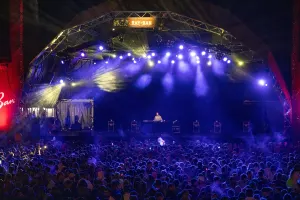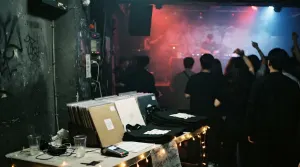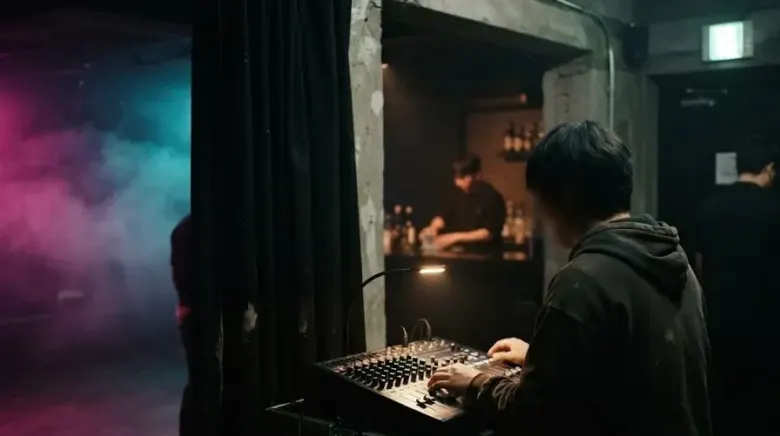
The best club gig I ever played was at a Seoul venue I’d been warned was technically difficult. The acoustics were unusual, the booth sat at the side of the room rather than the back, and the promoter had recently changed sound engineers, which made the usual chain of communication hard to predict. I was nervous about it all week.
So I arrived two hours early, found the sound engineer, and we spent about forty minutes going through the room together: what the low end was doing in different spots, where the standing waves were collecting, and what he wanted from me at the mixer. By the time doors opened I knew how the system wanted to be driven, and he knew what I was likely to do with it. The gig went well.
I’ve thought about that night a lot since, and not because of anything I did. The DJ is the most visible part of a night out and the most named, but what the crowd feels is the work of a much bigger crew. Most of the people who made that night possible were never mentioned in any conversation about it afterward.
The Sound Engineer Decides What the Crowd Hears
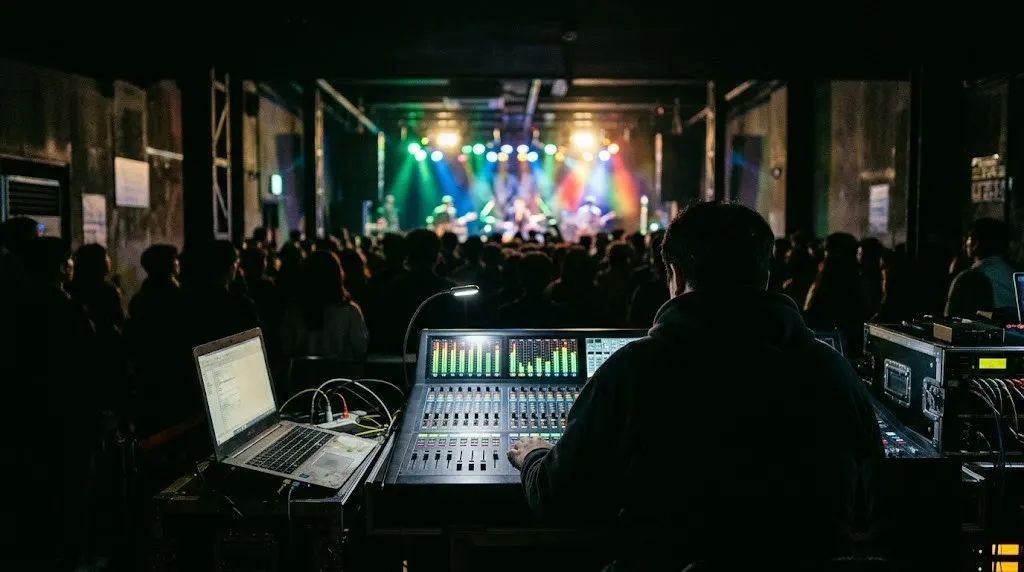
Of everyone in the building, the sound engineer is the one I think about most, because their work is both the most direct and the most invisible. Everything the crowd hears passes through their hands. How the room sounds, how clear the bass is, where the mids sit, whether the room breathes or presses: much of that is their work, built on knowing that particular system in that particular space.
Who Makes a Club Night Work
The roles behind the DJ, and what you notice when one slips
클럽의 밤을 만드는 사람들
| Role | On the night | When it slips |
|---|---|---|
| Sound engineer | Drives the system, manages headroom | A room that presses instead of breathing |
| Promoter and team | Books the night, fills it, takes the risk | There is no night |
| Security and door | Set the mood before the first track | A crowd that feels processed |
| Bar staff | Serve the crowd, fund the room | No money for sound or new artists |
| Lighting | Cue the room to the music | Strobes in the quiet, flat wash at the peak |
| Photographer | Decide how the night is remembered | Pictures that miss the feeling |
The ruleLearn their names before doors open. The DJs who do sound better in those rooms.
A good engineer adjusts to the DJ in real time. When the music builds, they’re managing headroom. When the DJ drops the bass, they’re watching how the room responds and adjusting to it. When something goes wrong technically, they usually diagnose it faster than the DJ can, and often fix it before the crowd notices.
The relationship between DJ and sound engineer is one of the most important in the building, and DJs routinely treat it as peripheral. The DJs who sound best in any given room are the ones who have put time into it. They ask what the room wants, they talk through changes during the set, and they thank the engineer at the end of the night and mean it.
The Promoter Made the Night Exist
The promoter is the person who decided there should be a night at all. They chose who would play and in what order. They ran the flyers, the social posts and the email list that brought people through the door. They negotiated with the venue, handled the artists and took the financial risk on the whole thing. None of that is visible on the night, and all of it is the reason there is a night.
Behind the promoter there’s usually an event team, bigger or smaller depending on the operation. Someone ran the ticketing. Someone handled artist travel and hotels. Someone looked after social media, the photography brief and the door list. Each of those jobs is small when it works and enormous when it doesn’t.
Security and the Door Set the Mood Before the First Track
I have more respect for venue security than I had ten years ago, mostly from watching good teams handle situations that needed physical confidence and social intelligence at the same time. Managing a packed room at two in the morning means reading it in a way not so different from how a DJ does. You’re tracking the emotional temperature across a lot of people, spotting where energy is building in a way that might need redirecting, and deciding how to step in without making it worse.
The best teams make people feel safe without feeling watched. The worst ones create an adversarial atmosphere that works against everything that makes a night enjoyable, and the difference usually comes down to how they were briefed and the culture the venue has built around them. When security is working well, you don’t notice them at all. Problems settle before they become incidents, and the crowd’s attention stays on the music.
The night starts before anyone gets inside, too. The queue, the wait, and whether you feel welcomed or processed at the door set an emotional baseline before a single track has played. Good door staff run a controlled entry and still treat people like guests, and they tell you what kind of night it’s going to be. At the venues I’ve played most over the years, the door has always matched the room: welcoming venues have welcoming door staff, and venues with a reputation for attitude project it from the first interaction.
The Bar Keeps the Music Paid For
Bar staff are the people most of the crowd deals with most often, and those small exchanges add up over a night. A bartender who’s fast and friendly and makes people feel welcome is running a small hospitality operation alongside whatever is happening on the floor.
Bar revenue largely decides whether a venue survives as a music space. A room that can’t pay its way can’t invest in its sound system, can’t take risks on new artists and can’t keep the space in shape. The bartenders and bar managers who make the drinks side work are, indirectly, funding the music. For a sense of the floor under them in Korea, the legal minimum hourly wage is 10,320 won in 2026, and it rises to 10,700 won in January 2027. That’s the base for the bar, door and floor staff working the night alongside you.
Good Lighting Makes the Music Feel Bigger
Most people only notice lighting when it’s wrong. A room lit to reinforce what the music is doing feels natural and immersive. A room where the lights fight the music, hard strobes in the quiet passages and a flat wash at the peaks, creates a dissonance you feel before you can explain it.
The best lighting work I’ve seen was at a smaller venue in the west of Seoul, where the operator was a personal friend of the resident DJ and had heard many of those tracks dozens of times. His cues were so tight that I couldn’t have told you whether the lights were lifting the music or the music felt bigger because of the lights. That ambiguity is the goal: when it works, the technical and the musical can’t be pulled apart.
Photographers Decide How the Night Is Remembered
A good photographer is deciding what the night will look like in three years, not just tonight. The images that survive and circulate, the ones people attach to their memories of an event, come down to the craft and judgment of whoever was in the room with a camera. A weak photographer documents the night without conveying anything of how it felt. A good one rebuilds the atmosphere for anyone who sees the pictures, including people who weren’t there.
Those images also do promotional and archival work for the venue and the artist. The photos a night collects over the years are part of how it builds a reputation, draws new people and keeps its own history. The photographers working for credit or a small fee at underground events are adding something whose value compounds long after the night is over.
All of it, the sound, the light, the door, the bar, the promotion, the security and the pictures, is the scaffolding that holds the music up. The credit tends to go to the DJ, but the work is spread much more widely than that. If you’re building a career, the way you treat the people in those roles is part of how your reputation forms in the rooms where you play.
Frequently Asked Questions
Who are the most important people at a club night beyond the DJ?
The sound engineer has the most direct effect on what the crowd hears. The promoter built the night and took the financial risk on it. Security and the door set the mood before the first track, bar staff fund the operation, and lighting operators shape how the music feels. All of these roles are essential, and most are invisible when they’re done well.
How should DJs treat the sound engineer at a venue?
As a professional collaborator, not a service provider. Arrive early, introduce yourself, and ask about the room and what they want from you at the mixer during the set. Thank them at the end. DJs who invest in that relationship consistently sound better in those rooms than DJs who treat it as peripheral.
How do lighting operators contribute to a DJ set?
A skilled lighting operator builds a visual environment that reinforces what the music is doing. Good lighting responds to the music, anticipates changes in energy and supports the build and release of tension. When lighting and music are well matched, the floor becomes immersive in a way neither achieves alone.
Why do door staff matter to the club experience?
Because the crowd’s night starts at the door, before a single track has played. The atmosphere at the entrance, the wait, and whether you feel welcomed or processed set an emotional baseline. Venues with welcoming door staff tend to have better social energy inside.
Read next: the art of the booth.
Further Reading
- Wikipedia: the audio engineer and live sound work
- Wikipedia: how club sound reinforcement systems work
- Wikipedia: room acoustics and standing waves in a venue
- Wikipedia: the lighting designer and operator
- Wikipedia: the role of the promoter in live events
Sources
Sound On Sound glossary: room modes
Sound On Sound glossary: headroom
Written from Seoul, by someone who has been in the booth for more than twenty years. More on the site, or book a DJ.
Stay in the Loop
New writing on DJ culture, electronic music, and the Seoul underground, delivered when it matters.
More From The DJ Diaries

Play with the history
Four tools built from the same research as this site.