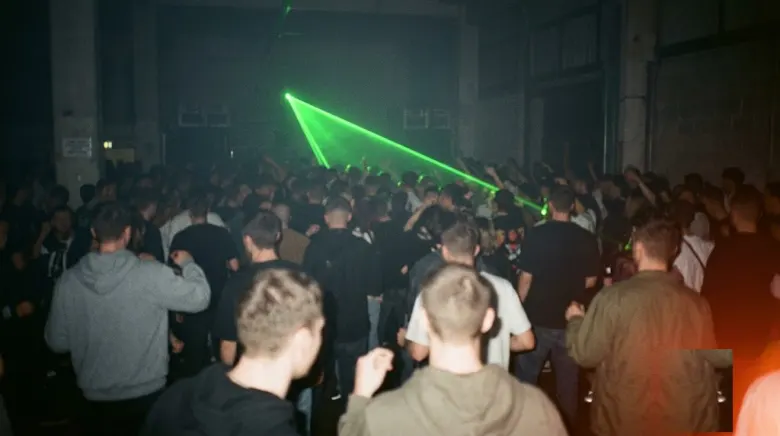
Two in the morning, somewhere in the mid nineties, in a warehouse with a sound system that had no business being there. It was doing things to the room I had no reference for, and for the first time I understood why people talked about the early UK raves the way other people talk about church. I’d arrived a few years late. By then the Criminal Justice Act had been law in Britain for a year, and acid house had already become a scene that knew its own history.
Arriving late didn’t make it weaker. Rave culture was what happened when the Black American underground of Chicago and Detroit met a generation of British DJs who’d been to Ibiza, and it spread because finding the party, and staying until morning, made a crowd of strangers into something close to a community. Most of what a good dance floor still reaches for was worked out between 1987 and the end of the nineties.
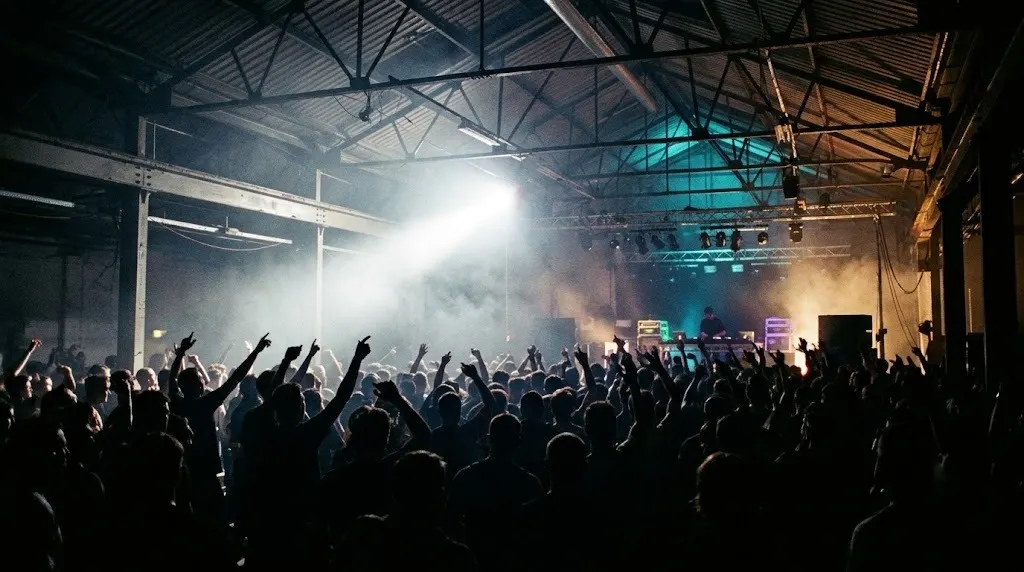
Two Scenes Grew Up at Once, Then Found Each Other
In Chicago and Detroit in the early and mid eighties, Black DJs and producers were building house and techno out of what disco left behind, cheap synthesisers, and a community that needed music of its own. Frankie Knuckles was at the Warehouse in Chicago. Juan Atkins and Derrick May were in Detroit. It was underground because nobody else wanted it, in rooms mainstream America ignored.
The Two Streams That Made Rave
Who built what, and where, before it crossed the Atlantic
레이브 문화를 만든 두 갈래
| Where | Who | What it gave rave |
|---|---|---|
| Chicago | Frankie Knuckles, Ron Hardy | House, and the long, programmed night |
| Detroit | Juan Atkins, Derrick May | Techno, from machines and science fiction |
| Ibiza | DJ Alfredo at Amnesia | The Balearic, genre crossing set |
| UK, 1987 to 1989 | Rampling, Oakenfold, Holloway, Walker | Shoom, Spectrum, The Trip, the Second Summer of Love |
The ruleAmerican music, British parties. The exchange ran both ways for the next decade, and it wasn’t always even.
At almost the same time, British DJs were finding Ibiza. DJ Alfredo’s marathon Balearic sets at Amnesia mixed across genres in ways that broke every rule of the time and still worked. Danny Rampling, Paul Oakenfold, Nicky Holloway and Johnny Walker came back from the island in 1987 with a template for what a night could feel like, and built Shoom, Spectrum and The Trip around it. That became the Second Summer of Love, and whether 1988 or 1989 was the real peak depends on who you ask.
The two streams merged and crossed the Atlantic in both directions for the next ten years. The Prodigy, the Chemical Brothers and Orbital took Detroit techno and Chicago house and turned them into something that could fill a festival stage. Electronic music had never travelled like that before.
Finding the Party Was Part of the Party
The part of early rave culture that gets romanticised most and understood least is the logistics. Before the internet, and before most people carried a phone, you found a party through a flyer, a phone line and the people you knew.
You picked up a flyer at a record shop. It had a number on it. You called at a set time and a recorded message gave you a meeting point or half a location. From there you followed cars, watched for people walking the same way, or waited for the bass. The difficulty sorted the crowd. What it really sorted for was a certain kind of commitment, and youth, but it felt like it meant something.
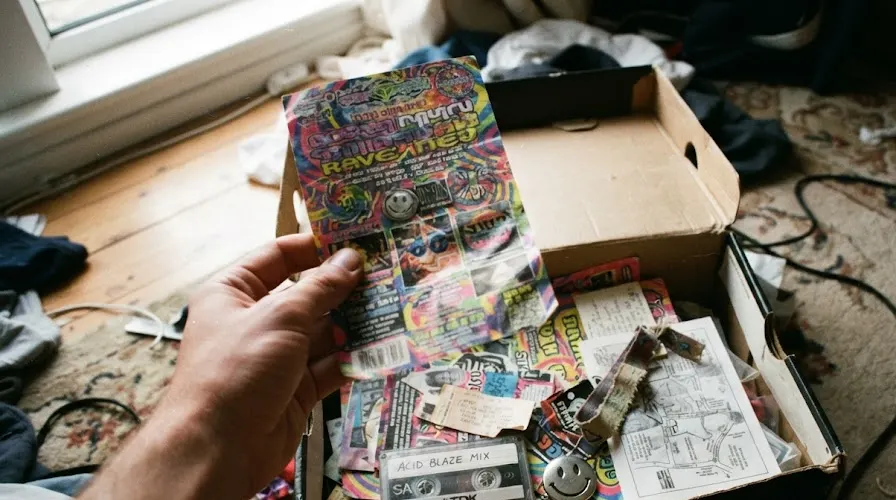
That shared effort built a kind of solidarity that searchable listings and ticket apps can’t. Warehouses with no heating, fields with no toilets, venues running without a licence: you were in it together, and something was at stake. The official club circuit of the time struggled to manufacture that, and most clubs still do.
PLUR Named Something Real on the Floor
Peace, Love, Unity, Respect. As an acronym on a shirt it sounds naive. In context it was answering something real, and it took hold in the American scene of the early 1990s. At their best these rooms suspended the things that sorted mainstream British and North American life, race, sexuality and class, imperfectly but for real. People who were there have been trying to describe it ever since.
The music was part of that, and so was a tension that shouldn’t be smoothed over. Acid house and techno came out of Black American culture and were adopted by mostly white British ravers, and the exchange was complicated and not always reciprocal. On the floor, though, when everyone stands in the same relationship to the same music at the same moment, some distinctions flatten in ways that matter even when you can’t fully explain them.
Then came scale. By the mid nineties Ministry of Sound was selling a managed version of the experience, with compilation albums that went platinum and a business that had little to do with fields at dawn. The culture reached its widest audience and lost something at the same moment, which is how most countercultures go.
The Sound Was Never Just One Sound
The shorthand runs acid house from Chicago, techno from Detroit, big beat from the UK. It leaves out most of the variation, the borrowing and the individual invention that made the music.
Frankie Knuckles at the Warehouse and later the Power Plant worked out the mixing and programming that became the template for house. Chicago house grew from his work and from Ron Hardy at the Music Box, among others. In Detroit, Juan Atkins and Derrick May worked from different references, Giorgio Moroder, Kraftwerk and a science fiction sensibility, and made something that became techno before the word caught up.
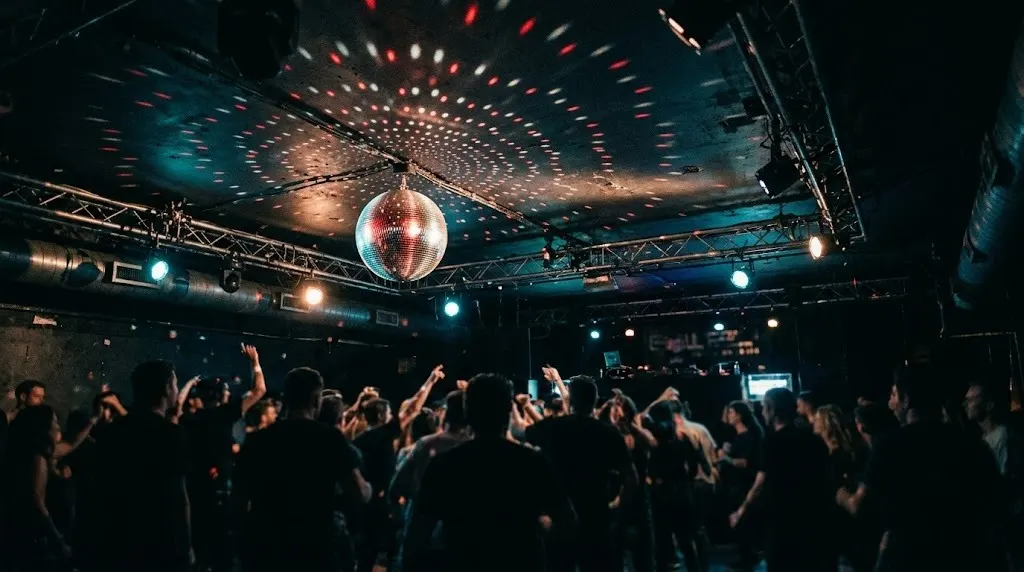
The British side came from those sounds landing in different circumstances. The Prodigy began as a rave act and ended up filling festivals with Keith Flint out front. Orbital made big, emotional electronic music for open fields. Neither was the same as Chicago or Detroit, and neither was cut off from it.
Canada Had Its Own Line to Detroit
Canadian cities had active warehouse scenes through the mid nineties, and that’s where rave found me, as a young DJ playing records at parties and on the radio. Canada also had a direct line into techno’s home city. Richie Hawtin and John Acquaviva ran their Plus 8 label out of Windsor, Ontario, right across the river from Detroit.
That closeness mattered. Detroit wasn’t a distant legend for a kid in a Canadian warehouse; it was a few hours down the highway for some of the people making the records. If you want the deeper story, start with our piece on techno from Detroit to the dancefloor.
The Law Ended the Warehouse Era, Not the Music
The illegal warehouse party didn’t survive the nineties in the UK as the main format for underground music. Section 63 of the Criminal Justice and Public Order Act 1994 gave police power to shut down gatherings, and it even defined the music it targeted: sounds “wholly or predominantly characterised by the emission of a succession of repetitive beats”. Parliament wrote the beat into the law.
Section 63, Then and Now
Who the rave clause covered when it passed, and after it was tightened
반복적 비트를 법으로 규정한 영국 형사사법법
| Year | Gathering size | Where |
|---|---|---|
| 1994 | 100 or more people | In the open air, at night, with amplified music |
| 2003 | 20 or more people | Open air, or trespassers on land indoors |
How to read itThe 1994 Act defined the music as a succession of repetitive beats. The Anti-social Behaviour Act 2003 cut the threshold from 100 people to 20.
As passed in 1994, the section covered open air gatherings of 100 or more people at night. The Anti-social Behaviour Act 2003 lowered that to 20 and extended it to trespassers gathering on land. The response was partly a retreat into licensed clubs and partly a scatter into smaller events that were harder to police. Neither brought back what the warehouses had been.
To be fair to the clubs and festivals that followed, they kept the music alive and paid a lot of DJs. But commercial success brought controls the economics required, and mainstream coverage made the scene visible in ways that grew its reach and took away the feeling of being underground. The first intensity was always going to be a phase.
What Survived Is the Floor Itself
What lasted was the music, the DJ culture and, in changed form, the values. Festivals now run at scales nobody organising a field party in 1989 could have pictured, but a good floor still reaches in the same direction. The idea that music can make a temporary space with its own social rules survived the law, the money and the decades.
I think about this when I play. The rooms I work in now are nothing like a 1989 Sunrise rave or a Chicago warehouse. But what I’m trying to build in them, a shared, sustained engagement with music that briefly suspends the usual terms, connects to what those DJs and promoters were attempting. That continuity matters to me more than the nostalgia.
To hear how the decade fits together, the dance music timeline lays out 127 genres year by year, from acid house through jungle and trance, each with an official track. The dance music machines page lets you play the Roland TB-303 and TR-909 that gave acid house and techno their sound, with a step sequencer to build your own pattern. The film Human Traffic catches what it felt like to live inside that world, and our guide to the film and its context is worth reading alongside this. Then take the Find Your Sound quiz to see which corner of it you’d have ended up in.
Frequently Asked Questions
What was 90s rave culture?
It was the all night dance music movement that followed acid house and the Second Summer of Love, built around DJs, big sound systems, and parties in warehouses, fields and clubs. The music was house, techno and the breakbeat styles that grew out of them, and the values were summed up as PLUR. For a lot of people, me included, it was the first time a dance floor felt like its own small society.
What was the Second Summer of Love?
The Second Summer of Love usually means 1988, when acid house exploded in the UK after British DJs came back from Ibiza with a new idea of what a night out could be. Nights like Shoom, Spectrum and The Trip, and the warehouse and outdoor parties around them, defined a generation’s relationship to dance music. The name nods to the original Summer of Love in San Francisco in 1967, and some argue 1989 was the real peak.
What is PLUR and where did it come from?
PLUR stands for Peace, Love, Unity, Respect. It became the guiding idea of rave culture, particularly in the American scene of the early 1990s, and named the open, non judgemental crowd the best parties had. It got commercialised over time, but it started as a sincere attempt to describe what the floor was doing.
Was there a rave scene in Canada in the 90s?
Yes. Canadian cities had active warehouse scenes through the mid nineties, and that’s where I found it, as a young DJ playing records at parties and on the radio. Canada also had a direct line to Detroit techno: Richie Hawtin and John Acquaviva ran their Plus 8 label out of Windsor, Ontario, right across the river from Detroit.
What killed off the original rave scene?
Several things at once. In the UK, the Criminal Justice and Public Order Act 1994 let police shut down open air gatherings of 100 or more people with amplified music at night, a threshold cut to 20 in 2003. Commercial success pulled the culture into licensed clubs and festivals with their own controls, and mainstream coverage took away the feeling of being underground. The music and the DJ culture survived.
Further Reading on The DJ Diaries
- The Rave Era: From Warehouse to Field, 1988 to 1994
- The Rave Flyer as an Art Form
- Human Traffic: A Definitive Guide to 90s Rave Culture
- Breakbeat: The Rhythm That Wouldn’t Resolve
- Hardstyle vs Hard Techno
- All 109 Genres Mapped by Tempo
- The Dance Music Glossary
Sources
Criminal Justice and Public Order Act 1994, section 63, legislation.gov.uk
Anti-social Behaviour Act 2003, section 58 (amendments to section 63), legislation.gov.uk
Wikipedia, Criminal Justice and Public Order Act 1994
Dummy, The Dummy Guide to Acid House
Mixmag, 25 parties that changed dance music forever
Mixmag, Summer of Love cover feature
WTTW, Remembering Frankie Knuckles
RedEye Chicago, a history of Chicago house music
Red Bull Music Academy Daily, Chicago house and Detroit techno
Detroit Historical Society, Encyclopedia of Detroit: Juan Atkins
Manchester Hive, on race and cultural exchange in acid house
i-D, How Ministry of Sound took British dance culture to the next level
Red Bull Music Academy Daily, Frankie Bones and PLUR
Vice, Luke Bainbridge on acid house
Written from Seoul, by someone who has been in the booth for more than twenty years. More on the site, or book a DJ.
Stay in the Loop
New writing on DJ culture, electronic music, and the Seoul underground, delivered when it matters.
More From The DJ Diaries

Play with the history
Four tools built from the same research as this site.