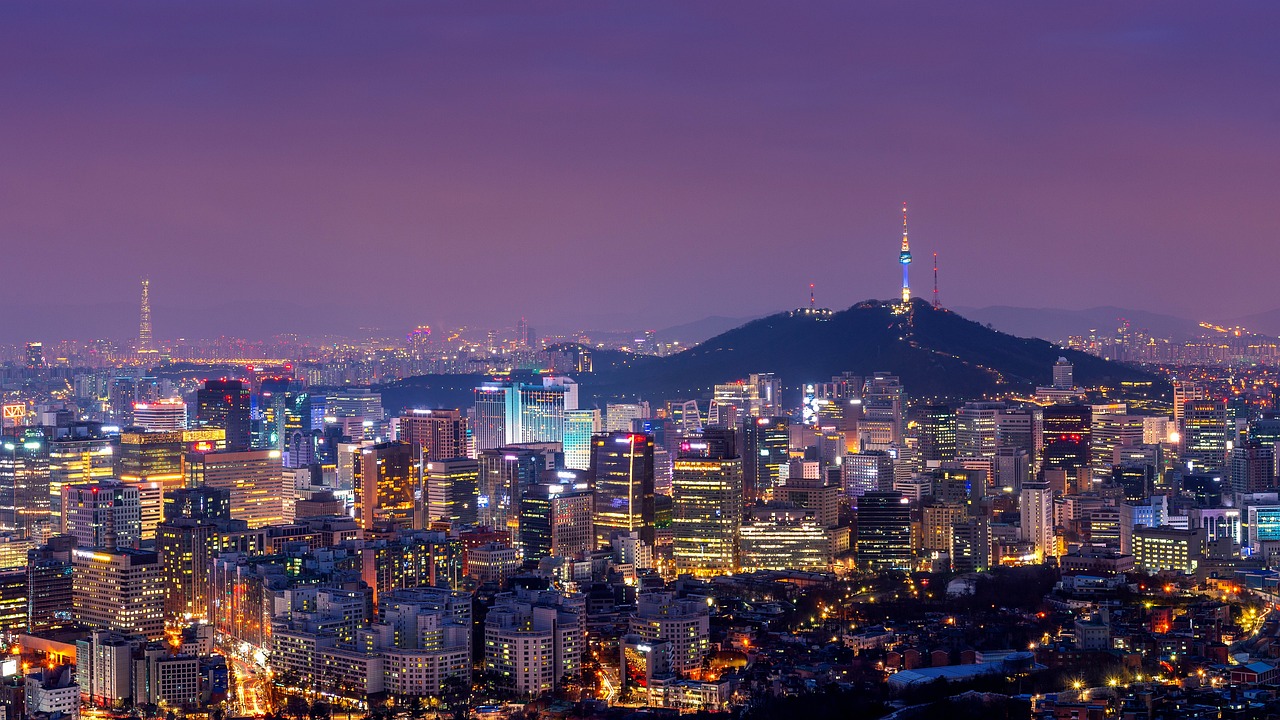
A new arrival to Seoul will, within the first few weeks, hear three neighborhood names mentioned over and over: Hongdae, Itaewon, and Gangnam. Each of the three is a “Seoul nightlife district” in roughly the same way that Brooklyn, Manhattan and the Hamptons are all “New York”: yes, technically, all three are correct. Anyone who actually lives there knows the three are functionally different cities, and confusing them is the fastest way to mark yourself as a tourist.
This piece is the working DJ’s neighborhood map. It is for the visiting artist trying to figure out which booking actually belongs to the kind of night they want to play, the international who has just moved here and is about to pick a Saturday-night district by accident, and the local Seoul reader who wants the framework articulated. The three neighborhoods correspond to three completely different musical and social ecosystems. Knowing which one fits the night you are trying to have is the difference between a good Saturday and a wasted one.
Hongdae: the indie / underground / 20-something belt
Hongdae sits in west Seoul, next to Hongik University, and the neighborhood’s identity has been shaped by 30 years of college students, art-school graduates and indie musicians. Its dance scene reflects that demographic: younger, cheaper, less curated, more experimental. If you are 22, in a band, just discovering electronic music, you live within ten minutes of Sangsu station whether you mean to or not.
What’s there musically
Hongdae’s electronic-music venues run a spectrum from indie-leaning (rock-adjacent crowd, occasional electronic nights) to dedicated underground (small basements playing techno, UK bass, experimental). Notable rooms: Mudaeruk (formerly an art space, now a multi-genre underground venue), NB2 (long-running hip-hop and bass-leaning), and a rotating cast of one-off pop-ups. Many Hongdae venues host weekend nights run by promoter collectives rather than the venues themselves, so the same room might be a punk show on Thursday and a techno night on Saturday.
What the crowd is like
Mostly Korean, mostly 20-29, more student-energy than industry-energy. Cover charges are low (often ₩10,000-15,000), drinks are reasonable (₩6,000-10,000), and the crowd reads as music-curious rather than scene-fluent. People will dance. People will not necessarily know the artist on the lineup unless the artist is fairly famous.
Door policy
Almost universally open-door. You pay cover, you walk in. Korean ID requirements vary; international passports usually work but bring your physical card, not a phone scan.
When to play here
Hongdae is the right booking if your set is wide-net accessible (deeper crossover house, melodic techno, UK bass with vocal hooks), or if you are an early-career DJ building a Korean audience from the bottom up. The crowd is forgiving and curious. They will not know the difference between a good set and a great one, but they will dance to either, which is what you actually want at the early-career stage.
When to skip
If your set is heavy industrial techno, fast jungle, or anything that requires a scene-fluent crowd to register. The Hongdae crowd is open-minded but inexperienced; they will respect what you are doing without engaging with it. You will play a polite set to a polite room. Take the booking, but know the ceiling.
Itaewon: the international / underground-serious / 25-40 belt
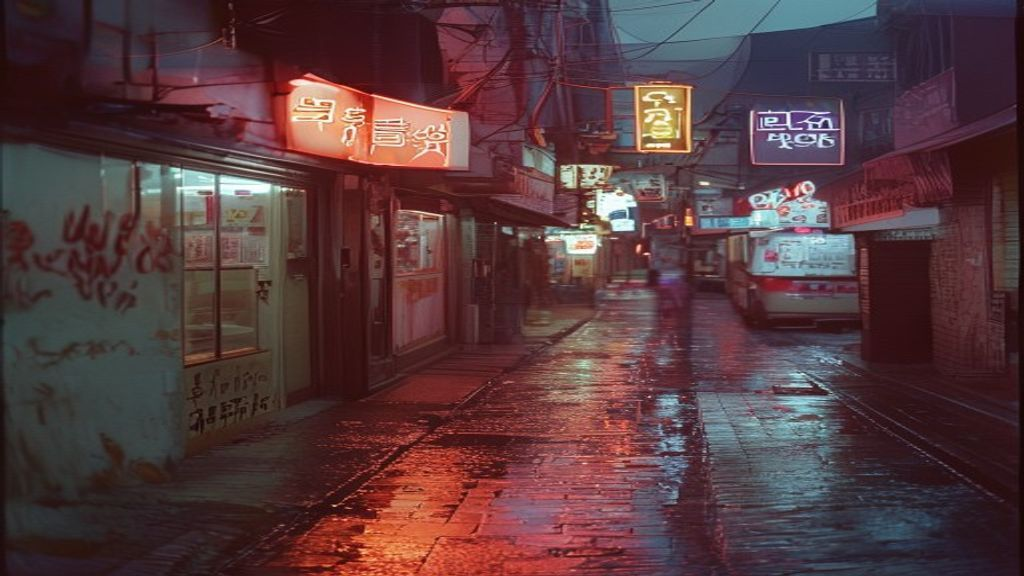
Itaewon sits south of Namsan in central Seoul, historically the international district (the US military presence at the Yongsan Garrison shaped it for 70 years, even after the base closed in 2018). The neighborhood’s electronic-music scene is the most internationally connected in Seoul and, by most reasonable measures, the most musically serious. The international DJs you have heard of who have played Korea have almost all played Itaewon.
What’s there musically
Cakeshop is the canonical small room (Berlin-style international bookings, broad UK-bass-and-techno programming, capacity 200, opened 2012). Faust is the harder, darker counterpart (techno and industrial after midnight, two rooms, Kirsch Audio system, opened 2014). Soap reopened in February 2026 at 217 Itaewon-ro and is now the city’s largest dedicated underground dance club at 400 capacity, programmed for house, upbeat dance and a deliberately mixed Korean-and-international crowd. Pistil is the Cakeshop team’s lighter sister venue, programmed for house, disco and underground rave. Contra sits in between, mid-tier programming across genres. Henz Club has hosted the trance and psy-leaning end. Tape sits between Cakeshop and Faust in programming. The historically important room Vurt closed in 2023 and is mourned by anyone who attended.
What the crowd is like
Genuinely international: roughly 50/50 Korean and international (mostly white European/American expats, plus a meaningful Japanese and Southeast Asian visitor population). The age skew is 25-35, with a meaningful 35-45 cohort. The crowd is scene-fluent. They know who is on the lineup, they know what the artist is going to play, they have opinions about the set after.
Door policy
Mostly open, with some exceptions. Cakeshop and Faust have no formal door policy but fill up by midnight on weekends, so arrive earlier or expect to queue. Cover is typically ₩20,000-30,000 on event nights, sometimes higher for international headliners. Drinks ₩10,000-15,000.
When to play here
Itaewon is the right booking if your set has scene-fluent assumptions baked in (you can play a 30-minute Tim Reaper jungle stretch and the crowd will follow, you can drop into a 140 BPM grime detour and it will land, you can run a deep techno hour without losing the floor). The international touring infrastructure for visiting DJs runs through Itaewon. If you are touring Asia and want a Seoul date, this is where you want it.
When to skip
If you are starting out and have not played Korea before, Itaewon is intimidating in a way that may not serve you. The crowd is judgemental in the productive sense (they know what they want and will let you know if you are not delivering it), but if you are still finding your sound, that energy will not be useful. Build your confidence in Hongdae or smaller pop-ups first, then take the Itaewon booking.
Gangnam: the megaclub / industry-money / 28-45 belt
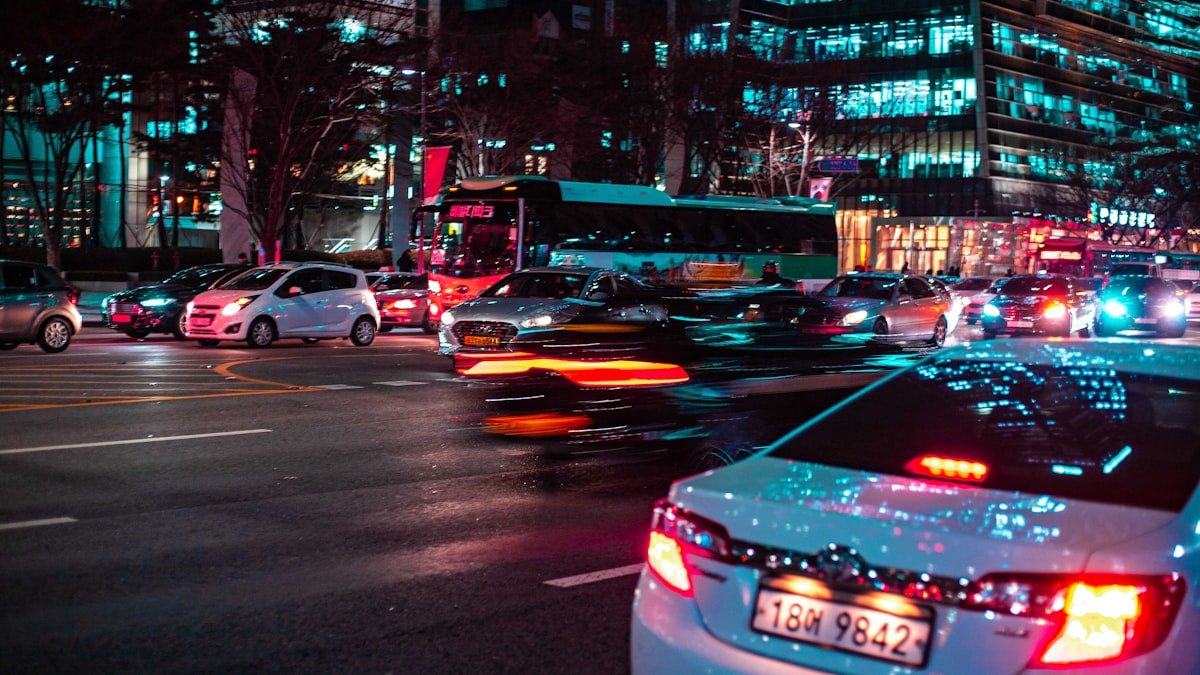
Gangnam sits south of the Han River and is, in nightlife terms, an entirely different category of business than the other two neighborhoods. Where Hongdae and Itaewon are underground-music ecosystems with venues in the 200-700 capacity range, Gangnam runs a megaclub model: 1,000-3,000 capacity rooms, table-service economics, EDM-and-mainstream-house programming, and the kind of door policy and dress code that would feel familiar in Las Vegas, Dubai or Macau.
What’s there musically
Octagon (often listed in international top-100 club rankings, EDM and big-room house programming, capacity ~1,200), MYST (similar megaclub format), Club Arena (the closest in spirit to Las Vegas-style nightlife), and a handful of smaller hip-hop-leaning rooms. The booking calendar leans heavily on international touring EDM acts: Tiesto, Steve Aoki, Don Diablo, Hardwell-tier names, plus the larger commercial-house DJs.
What the crowd is like
Predominantly Korean, skews older and more affluent than the other neighborhoods, dressed deliberately. Table service is the dominant economic model (a table at Octagon for 6-8 people runs ₩1,000,000-2,500,000+ depending on bottle count and night, and many of the best floor positions are reserved for table guests). Cover for non-table guests at the larger megaclubs runs ₩30,000-50,000+ for international headliner nights.
Door policy
Strict by Seoul standards. Dress codes are enforced (no athletic wear, no sandals, men frequently turned away for being underdressed). Korean ID strongly preferred; international passports accepted but expect more friction at the door than in Itaewon. Some Gangnam venues have informal selection at the door beyond stated policy; this is uncomfortable to acknowledge but it is true and worth knowing.
When to play here
Gangnam is the right booking if you are an international touring EDM act being paid through a major-label or festival-side promoter, or if you are a Korean DJ with chart success who fits the commercial-house format. For the underground / international-bookings circuit that most of this site covers, Gangnam is not the right room. The economic model is a fundamentally different one from the Itaewon / Hongdae circuit, and the bookings, fees, and audience expectations are different in kind, not just degree.
When to skip
If you are reading this site at all, Gangnam is probably not where you are trying to play unless you have a specific reason. The fees are higher than Itaewon for headline acts, but the crowd will not engage with what you are actually doing if your work sits in the underground spectrum.
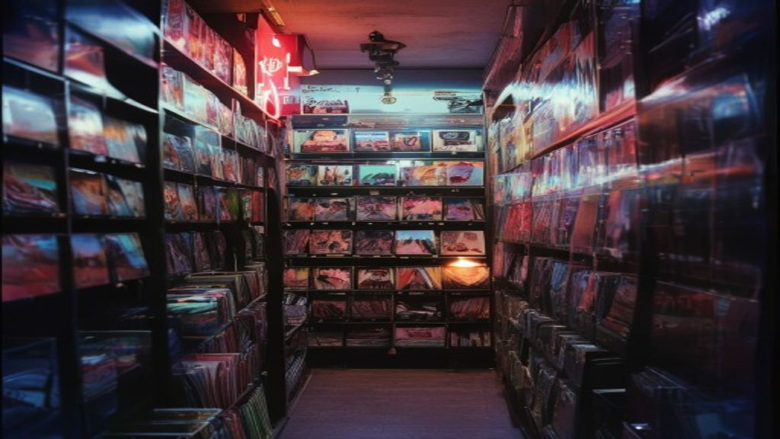
The fourth district nobody includes (but should)
There is a useful argument to be made that any framework limited to three neighborhoods is missing the most interesting current development in Seoul nightlife: the Mangwon / Yeonnam-dong / Seongsu cluster. These newer-trending areas host the most interesting bar-and-listening-room programming in Seoul: Seendosi, Vinyl & Plastic, and the broader listening-bar / record-bar circuit. Quieter, smaller, more curated. Not dance music in the dance-floor sense, but a meaningful node in the broader Seoul music ecosystem and arguably where the most interesting young Korean producers and selectors are actually spending their nights off.
If you are an internationally touring DJ with a free night in Seoul that is not the night of your gig, this is where to go. The Itaewon clubs you are about to play will feel ordinary the next night. A Mangwon listening bar at 11pm with nobody on their phone and a McIntosh amp glowing will feel new.
How to use this map
If you are a visiting DJ with one Seoul booking: it is almost certainly Itaewon, and it is almost certainly Cakeshop or Faust. Take the gig. Show up early enough to hang. The Itaewon scene is small and you will encounter the same people repeatedly across multiple visits.
If you are a Korean DJ building toward a touring career: start in Hongdae for the practice reps. Move to Itaewon for the international-circuit visibility. Avoid Gangnam unless you are deliberately building a commercial-EDM career, which is a different career.
If you are an international expat new to Seoul: Hongdae for cheap weeknight density, Itaewon for serious music weekends, Gangnam for the one-time tourist visit so you can say you went, Mangwon and Yeonnam-dong for the quieter listening nights you will eventually realize are the best ones.
The three neighborhoods are not in competition. They serve different audiences and different price points and different musical priorities. The mistake is not picking the wrong one. The mistake is treating Seoul as one nightlife scene rather than three (or four) distinct ecosystems that happen to share a city. The DJ who understands the difference can navigate any night Seoul throws at them. The DJ who does not will keep wondering why a great booking landed in a wrong room.
Pick the right neighborhood for the night you are trying to have. The night gets easier from there.
Further reading on The DJ Diaries
- Seoul Scene: Cakeshop, the international-bookings cathedral
- Seoul Scene: Faust, the late-night Itaewon counterpart
- Soap Reopens: Seoul’s Largest Underground Club Returns
- Korea’s Most Unforgettable Festivals for 2026
- Seoul Scene category hub
Written from Seoul, by someone who has been in the booth for more than 25 years. More on the site, or book a DJ.
Stay in the Loop
New writing on DJ culture, electronic music, and the Seoul underground — delivered when it matters.
More From The DJ Diaries
You Might Also Like
Quick answers
Which Seoul neighbourhood is best for nightlife?
It depends on the night you want. Hongdae is the student and underground belt, cheap and open-door. Itaewon is the international scene and the home of the serious underground clubs like Cakeshop and Soap. Gangnam is bottle service and megaclubs.
How much is cover charge in Hongdae?
Typically 10,000 to 15,000 won, with drinks around 6,000 to 10,000 won. Most Hongdae rooms are open-door: pay the cover and walk in.
Where do I go for techno and underground music in Seoul?
Itaewon and Haebangchon. Cakeshop, Faust, Contra, Volnost, BBCB and the reopened Soap are all within walking distance of each other, and that circuit is where the international underground bookings land.
When does the Seoul subway stop at night?
Trains stop around midnight and restart at about 5:30am. Either plan a taxi through Kakao T or stay out until first train, which is what most of the underground does.