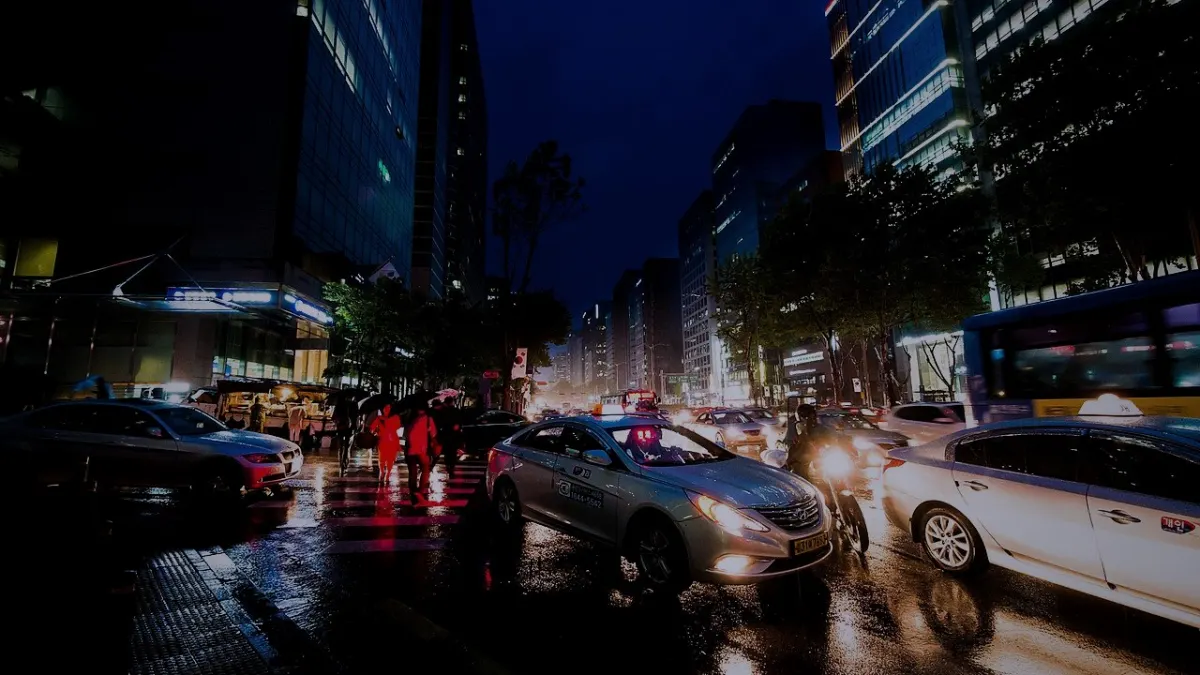
In August 2026 a small live club in Busan (부산) called Ovantgarde (오방가르드) was suspended for two months because people in its audience danced. Within days the Minister of Culture, Sports and Tourism, Choi Hwi-young (최휘영), called it shameful that dancing was still banned in places where live music is allowed.
That one story holds most of what’s happening to club culture in Korea right now. Seoul’s club scene didn’t collapse and it didn’t recover. It reorganised. People drink less, the sponsor money that paid for big nights has gone, the rules about where you can dance are finally being argued over in public, and the music people come for has moved into smaller rooms and stranger hours. The audience data underneath all this lives in The Seoul Nightlife Report.
The Sound Narrowed in the Big Rooms
I’ve been playing in Seoul since the early 2000s, casually at first and with real purpose a few years later. What I keep noticing, beyond the rooms that closed, is that the music inside the rooms that stayed open changed, and the people who wanted the older sound went somewhere smaller to find it.
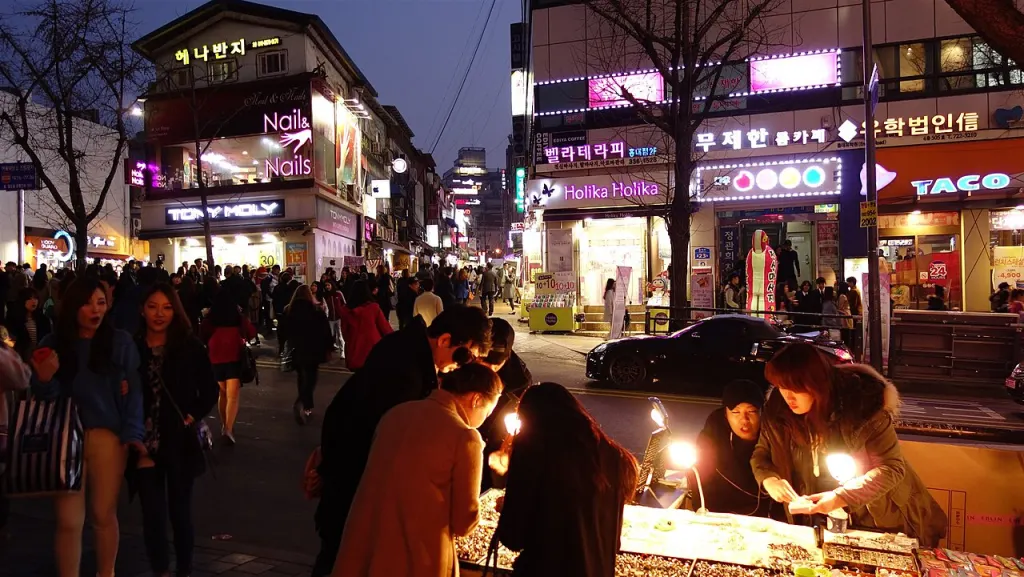
In venues built mainly for a Korean domestic audience, programming now often follows the streaming charts: K-pop edits, hip hop, R&B and trap. That isn’t a criticism. These genres have huge Korean audiences and they produce real dancefloor energy. But it does mean house and techno, the international club traditions that made Seoul’s underground famous, are concentrated in specific rooms rather than spread across the city.
If you’re in Seoul looking for a proper house set, you need to know where to look. It’s not hard to find, but it takes a little more knowledge than it did five years ago. My guide to going out in Seoul covers the rooms worth knowing.
Young Koreans Drink Less, and the Sponsors Have Gone
The club scene is much weaker now, and one of the biggest reasons is simply that the younger generation is drinking less. It’s a lifestyle change and a mindset change, and the numbers back it up. Korea Disease Control and Prevention Agency figures reported by the Korea Economic Daily (한국경제) in July 2026 show high risk drinking among men in their twenties down 41.6 percent in ten years.
High Risk Drinking, Ten Years On
Change in the high risk drinking rate over ten years, by age group
고위험 음주율 10년 변화
| Group | Ten year change |
|---|---|
| Men in their 20s | Down 41.6% |
| Men in their 30s | Down 36.1% |
| Women in their 20s | Down 18.5% |
| Women in their 30s | Up 19.1% |
| Women in their 40s | Up 31.0% |
How to read itThe fall is sharpest in exactly the age group clubs depend on. Heavy drinking among older women went the other way.
That hits clubs where it hurts, because the bar is what pays for the music. If a big part of the audience you want doesn’t drink, or drinks selectively, the alcohol revenue model that underpins most clubs gets harder to sustain. The picture isn’t simple, though. The same survey found adult drinking overall has risen since its 2021 low, so the drop is a young people’s story more than a national one.
The clearest signal is the morning rave. The Washington Post reported in December 2025 that a growing number of younger Koreans are going to dance events that start early in the morning, powered by coffee rather than alcohol. Sober sunrise parties were already a story abroad when NPR covered one in 2014, and the format has found a receptive audience here. The music is still house, still electronic, still DJ led, the same music that plays at 2am in the underground rooms. A club that can draw that crowd at 8am on a Saturday, charge a cover and deliver a real musical night is reaching a market that didn’t exist five years ago. The morning rave trend points toward music as the main reason to go out, rather than music and alcohol together.
There’s another piece people forget. Twenty or thirty years ago, a lot of the big parties and events were sponsored by major tobacco and alcohol brands, and that money helped pay for the DJs. That money has largely disappeared. Korean rules now sharply limit how tobacco companies can sponsor music and cultural events, and in 2021 the health ministry moved to bring alcohol sponsors under similar limits.
Dancing Became a Political Argument
Ovantgarde was registered as a general restaurant, the only category that fits most small live venues, and only eight districts in the country allow dancing in general restaurants through local ordinances. After its suspension, music groups took a proposal to the National Assembly for a registration category built for small music venues, The Korea Herald reported on 13 September 2026. The rules themselves are a job for the venue and a lawyer. What matters here is that the argument is now public.
And for the first time, a minister has taken the venues’ side. Choi Hwi-young posted on 31 August that the outdated rule should be fixed quickly, and his ministry is pursuing a change that would let audiences dance at live clubs, either by amending the existing law or by creating a new performance venue category. No timeline has been given.
The other rules that shape a night out come from grief. After the October 2022 crush in Itaewon (이태원), in which 159 people died, a count the government raised to 162 recognised victims by August 2026, the government introduced stricter crowd density controls.
Reasons for Optimism
The Seoul club scene has survived things that would have ended nightlife in other cities. It survived Burning Sun. It survived COVID. It has survived Itaewon. It’s still here, and the underground rooms are still running.
Seoul’s local DJs are being heard more at home, too. Spotify figures reported by Asia Economy (아시아경제) in July 2026 showed Korean artists’ share of the electronic music streamed in Korea rising from 9.8 to 24.4 percent in six months.
Korean Artists’ Share of Electronic Streams in Korea
Share of electronic music streamed in Korea by Korean artists, Spotify
국내 일렉트로닉 스트리밍 중 한국 아티스트 비중
How to read itIn six months the share of Korean artists in the country’s electronic streams went from about one in ten to about one in four.
The DJs who live and work in Seoul, many of them exceptionally talented and little known internationally, are still playing to audiences who understand what they’re doing. If you’re visiting and want the real Seoul rather than the table service version, it’s still findable. Follow Resident Advisor’s Seoul listings and keep track of what the local promoters are doing.
The wider market helps. The IMS Electronic Music Business Report 2025/26 valued the global electronic music industry at 15.1 billion US dollars in 2025, up 7 percent, and its author, Mark Mulligan of MIDiA Research, wrote that “the escapist role of the dancefloor has never been more important.”
What I’d Change
Seoul’s street culture is thriving. There are so many cooler neighbourhoods outside the big three nightlife districts, with more social life and smaller venues. The challenge is keeping DJs, music and musicians in those venues, and I understand how hard that is: the size, the budget, the margins, the rent. As those neighbourhoods get popular, their rents go up. The rules differ from district to district too, on speakers and sound, and even on whether you can put tables out front. Some areas are very open. Others aren’t.
If I could change one thing, I’d let venues put a few tables out front, and monitor it properly, with clear guidance on how many and how they’re run. I understand the safety issues, and that sidewalks are public space. But a few tables outside add real character to a street, and that’s a big part of what gives these neighbourhoods their charm. The other side is that many of them are semi residential, so the people who live there have to be considered too. We need that balance.
The second thing I’d change is more late night buses on more routes. Seoul does have night buses, the owl routes, which the city expanded from 9 to 14 in 2022, but I don’t think they’re practical for most people yet. A proper late night system linking the nightlife districts to the residential areas would be safe, easy and affordable.
People often ask me where DJs could work next. It depends on the district, how strictly local bylaws are enforced, and plain foot traffic. Seoul nights are built for movement, and very few people stay in one venue all night. They go round by round, 1-cha (일차), 2-cha (이차), 3-cha (삼차), from a barbecue place to a bar to a club. A new music neighbourhood only works if it gives people enough places to hop between.
Frequently Asked Questions
Why are clubs struggling in Seoul?
Several pressures arrived at once. Young Koreans drink hard far less often than a decade ago, which hurts the bar takings that pay for the music. Tobacco and alcohol sponsorship of events is now tightly restricted, rents rise as neighbourhoods become popular, and small venues are caught by rules on dancing that the culture ministry has now said should change.
How did the Burning Sun scandal affect Seoul nightlife?
The Burning Sun scandal in 2019 brought tighter oversight of club venues and changed how many people, particularly women, saw club spaces. It sped up a shift toward venues that can show safe and transparent management, and several venues in the high end club tier never recovered.
How did the Itaewon crush change Seoul clubs?
In October 2022 a crowd crush in Itaewon killed 159 people during Halloween weekend, and by August 2026 the government had recognised 162 victims. The government then introduced stricter crowd density controls, and venues across the district reopened to smaller crowds.
Is Seoul’s club scene recovering in 2026?
It’s transforming more than recovering. The underground rooms and serious music venues are working well, morning and sober parties are growing, and Korean artists’ share of electronic streams in Korea rose from 9.8 to 24.4 percent in six months. The mainstream commercial club sector is still under economic pressure.
Further Reading
- Washington Post video: South Koreans are partying in the morning
- Korea Herald: Who needs a nightclub? A sober 7am rave at the National Museum of Modern and Contemporary Art, June 2026
- YTN 와이파일: 춤에도 허가가 필요한가요?, a Korean explainer on small venues and the category musicians want, August 2026
- Mixmag Asia on the Ovantgarde suspension and the scene’s response
- VibeLab: Global Nighttime Recovery Plan, an international playbook on night mayors and nightlife policy
- Music Venue Trust: the UK charity that defends grassroots venues
- The Gangnam Megaclub Decline: Burning Sun and COVID
- When Clubs Close: How Venues Die
Sources
Asia Economy (아시아경제): Korean artists now a quarter of electronic streams in Korea (21 July 2026)
International Music Summit: IMS Electronic Music Business Report 2025/26
The Washington Post, South Korea’s morning raves, December 2025
Easylaw (찾기쉬운 생활법령정보), tobacco sponsorship rules
Korea Economic Daily (한국경제), alcohol sponsorship limits, February 2021
Seoul Shinmun (서울신문), owl bus routes expanded, April 2022
KCI, on Seoul’s club music scene
Written from Seoul, by someone who has been in the booth for more than twenty years. More on the site, or book a DJ.
Stay in the Loop
New writing on DJ culture, electronic music, and the Seoul underground, delivered when it matters.
More From The DJ Diaries
Play with the history
Four tools built from the same research as this site.
Leave a comment