A booking comes in, and before a fee is even agreed comes the question of how many people I can bring. It’s a ridiculous question. Nobody asks the sound engineer how many friends he’s bringing, or the bartender. But somewhere along the way, a DJ stopped being the person who plays the music and became the person who also fills the room.
DJs and promoters do two different jobs. This is about how the line between them got blurred, who benefits, and what a fair deal looks like.
한국어 요약
DJ는 프로모터가 아닙니다
DJ의 일은 음악을 고르고, 흐름을 만들고, 현장의 분위기를 읽는 것입니다. 프로모터의 일은 공간, 홍보, 예산, 그리고 손실 위험을 책임지는 것입니다.
장비가 싸지고 DJ가 크게 늘면서, 프로모터는 실력보다 사람을 데려올 수 있는 DJ를 선호하게 되었습니다. 공정한 계약은 공연에 대해 보수를 지급하고, 홍보는 조건이 아니라 보너스로 다룹니다.
잘못된 정보나 날짜가 있다면 알려 주세요.
Two Different Jobs
Think of it like hockey. The coach decides the lines and the game plan. The team owner sells the tickets and keeps the lights on. Nobody expects the coach to also run the box office, and the owner doesn’t pick who plays on the power play.
The DJ picks the music, builds the night’s arc, reads the room, and handles the gear and the transitions.
The promoter finds the venue, sets the date and the ticket price, markets the night, pays the staff and the artists, and eats the loss when it doesn’t sell.
Both jobs matter, and the best nights happen when each person does theirs well. The trouble starts when one job gets quietly handed to the other.
How the Line Got Blurred
It didn’t happen overnight, and it wasn’t one villain. Three things pushed in the same direction.
The barrier to entry fell. A laptop or a controller, a music library and a social media account are enough to call yourself a DJ. That’s good for access and bad for scarcity. When anyone can play, the thing that’s scarce is the crowd.
Promoters needed a safety net. Putting on a night is risky. If every DJ on the lineup brings five or ten friends, the room fills without the promoter doing much. That’s a rational choice for the promoter, and a bad one for the music.
Social media became the proof. Followers and engagement are easy to count. Skill is harder to measure. 6AM Group’s booking guide says plainly that promoters check a DJ’s social media to gauge reach and that proving you can sell tickets is one of the quickest ways to get noticed.
Pay to Play
The extreme version is pay to play. Mixmag reported in 2019 that promoters book lesser known DJs for the bottom of lineups only if they buy their own ticket and sell a quota of tickets to friends, with quotas of around 10 to 20 or more. One Manchester DJ had to buy 25 tickets to play a top club, was criticized for weak promotion, and played a half hour set at 5 a.m. Mixmag called it exploitation.
What Promoters Get Right
It would be unfair to make the promoter the villain. A DJ who shares the night, tags the venue, and tells their own audience helps everyone, and many promoters value exactly that. The 6AM guide argues that promoters remember DJs who actively help boost ticket sales and event awareness. I agree that a DJ should promote a night they’re playing. The line is between promoting and being responsible for the crowd.
Sharing a flyer is a favour. Being booked because of your follower count, and held accountable for the door, is a business model that shifts the risk from the person who owns it to the person who doesn’t.
What a Fair Deal Looks Like
A fair deal starts with a fee for the set, paid whether the room is full or not. Promotion is a bonus: if you bring people, you get a door split or a better slot next time, not a penalty if you don’t. The set length should match the fee, which means a real slot and not forty minutes in the middle of a stack of names.
Expectations belong in writing before you say yes: set time, fee, and whether any promotion is expected. And there is no buying your own tickets. If a promoter asks you to pay to play, that’s a red flag.
In Seoul
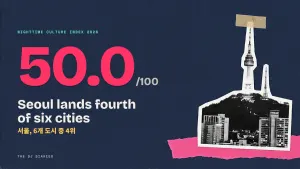
I won’t name rooms, and this isn’t about any one of them. What I see is the same pattern as everywhere. Bookings lean on numbers. Lineups run long. The question of how many people you can bring comes up early. I’d like to see more promoters here separate the two jobs, and more DJs say what they need before they say yes.
The next articles in this series look at why lineups stack up, what short sets do to the craft, and how a working DJ gets booked without chasing a following.
What Other DJs, Promoters and Bookers Have Said
This is not only one DJ’s complaint. Over the last two years the same tension has shown up in surveys and in city by city reporting.
The 2025 IMS survey. The Pete Tong DJ Academy surveyed over 15,000 emerging artists and shared the results at the International Music Summit in Ibiza in April 2025. 61% felt social media dominance had taken precedence over craft, and 62% described the industry as a closed club. One young French DJ producer said every post feels like a test.
San Francisco, June 2026. Reporting by 48 Hills quoted Peter Doukakis, a booker at Audio, who said venues need to limit financial risk, that 95% of the artists in his room are touring acts, and that a local crew can bring 50 to 100 people. DJ and promoter Dave Hahn (DJ Panderer) said local DJs often have to throw their own parties to get booked, and that promoters oversell acts who do not build real party atmospheres. Local DJ Paul Stylez said an online following now works like a resume, because promoters expect fans to follow. Vinyl DJ DJ Jurado said he has moved toward independent events where DJs have more freedom.
Notice that the booker’s reasoning is about risk and numbers, while the DJs’ complaint is about craft and room feel. Those are two different jobs. That gap is the whole subject of this series.
Frequently Asked Questions
Are DJs supposed to promote their own gigs?
A little, yes. Sharing the night with your audience is professional. Being responsible for filling the room is the promoter’s job.
What is pay to play?
A deal where a DJ buys tickets or a slot, or has to sell a quota of tickets, to get on a lineup. Mixmag called it exploitation.
What should a DJ ask a promoter before agreeing?
The fee, the set time and length, who’s on the lineup, whether any ticket quota applies, and what happens if the night doesn’t sell.
Sources
- Mixmag: Pay to play is not OK (2019)
- 6AM Group: guide on how to land DJ gigs
- EDM Is Life: the one hour set and the art of DJing
- Skiddle: Emerging DJs believe clout is being favoured over craft in IMS survey (April 2025)
- 48 Hills: SF nightclubs struggle, local DJs are squeezed out (June 2026)
Photos are credited to their Wikimedia Commons authors under the licences shown. If you spot an error or want a credit changed, tell us and it is fixed fast.
Written from Seoul, by someone who has been in the booth for more than twenty years. More on the site, or book a DJ.
Stay in the Loop
New writing on DJ culture, electronic music, and the Seoul underground, delivered when it matters.
More From The DJ Diaries


Play with the history
Four tools built from the same research as this site.