Getting home in Seoul after midnight is the part of the night nobody prints on the flyer. The subway stops long before most dancefloors reach their best hour. In the Seoul Nightlife Report I ran in 2025, 52.2% of respondents said they had been stranded after midnight. Among people aged 25 to 29, it was 65.2%. So the ride home decides when people leave, how much they spend, and for a lot of them, whether they go out at all.
Share of respondents who say they have been stranded after midnight
Seoul Nightlife Report, 2025.
한국어 요약
자정 넘은 서울, 막차를 놓친 뒤 집에 가는 현실적인 방법
제가 2025년에 진행한 서울 나이트라이프 설문에서 응답자의 52.2%가 자정 이후 집에 가지 못해 발이 묶인 적이 있다고 답했습니다.
막차 시간은 노선과 방향, 환승역에 따라 달라서 시간표보다 네이버 지도나 카카오맵으로 확인하는 편이 정확합니다. 2차로 옮기기 전에 미리 확인해 두면 새벽이 훨씬 편해집니다.
잘못된 정보나 바뀐 날짜를 발견하셨나요? 연락 주시면 확인 후 바로 고치겠습니다. 현장에서 보고 들은 이야기도 언제나 환영합니다.
The Short Answer
After the last subway, you have three real options. The owl buses (심야버스, simya beoseu) run from 11pm to 6am for 2,500 won on a card, about US$1.80. Taxis carry a late night surcharge that peaks at 40 percent between 11pm and 2am. Or you wait for the first train, and from October 2026 the city is adding Firefly buses between the main nightlife districts.
Why Getting Home in Seoul Starts Before Midnight
The last train (막차, makcha) leaves earlier than most visitors expect, and it moves around. It depends on your line, your direction and the transfer you need halfway home. A train on your own line can still be running while the connection you need has already gone to sleep. In May 2025 the city announced a plan to move first and last trains on Lines 1 to 8 thirty minutes earlier, as Seoul Shinmun reported. The aim was more maintenance time and an earlier start for dawn shift workers. Times still vary by station and by night, so treat the app as the final word.
I’m not going to print a timetable here, because it would be wrong for half the city by the time you read it. Naver Map and KakaoMap both plan transit routes in real time, and they’re the first place to look. The habit that matters is when you look. Check before the second round, not after it.
From the booth, you can watch this happen. In a room in Hongdae (홍대), there’s a moment around half past eleven when phones light up across the floor. Nobody is texting. They’re checking the makcha. A good DJ reads that as a signal, and a smart promoter plans the night around it.
The Owl Bus and Its N Numbers
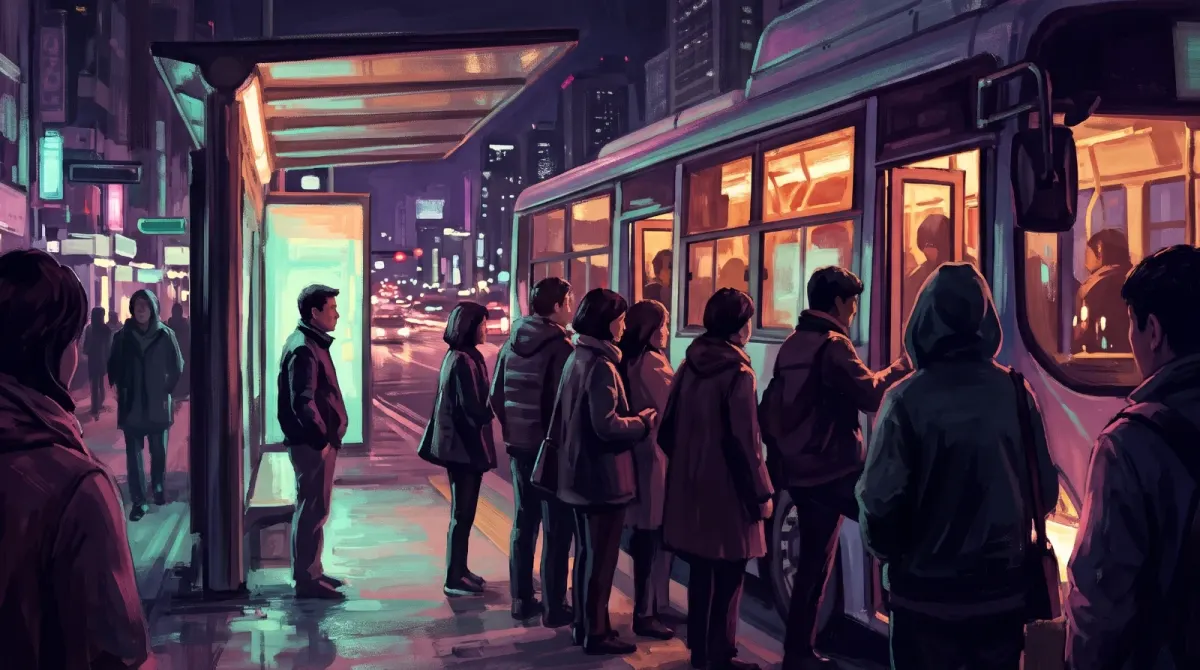
Seoul’s overnight buses go by a nickname, owl bus (올빼미버스, olppaemi beoseu), and every route number starts with N. According to the Seoul Metropolitan Government’s transport page, updated in March 2026, the city runs 14 routes with 140 buses between 11pm and 6am. The fare is 2,500 won by card. Route names like N13, N26 and N61 tell you it’s a night service before you even read the destination.
The city describes the network as linking downtown and the sub centres with the edges of Seoul. In practice that means the owl bus is good at the long haul home and less good at short hops between districts. Night buses don’t run as often as day buses, so the stop itself can become part of your night. Dress for the wait in January. Bring water in August.
For anyone used to a North American city where the night ends with a long walk or an expensive cab, this is a gift. At about US$1.80, the fare costs less than the coffee you’ll want in the morning. The trade is time. A route that takes twenty minutes by taxi can take much longer on an N bus that stops everywhere.
Getting home after the last train
Owl bus and taxi numbers from the article
| Option | Hours | What it costs |
|---|---|---|
| Owl bus (N routes) | 11pm to 6am; 14 routes, 140 buses | 2,500 won by card, about US$1.80 |
| Taxi, 10pm to 11pm | 20 percent surcharge | Base 4,800 won for the first 1.6 km by day, about US$3.50 |
| Taxi, 11pm to 2am | 40 percent surcharge | Peak base fare 6,700 won, about US$4.90 |
| Taxi, 2am to 4am | 20 percent surcharge | Leaving the city limits late can reach 60 percent |
How to read itThe owl bus is the cheap long haul option. Taxi prices peak between 11pm and 2am, when demand is highest.
Firefly Buses and a City That Wants to Stay Up
The newest option is the Firefly bus (반딧불이버스, banditburi beoseu). It was announced on 20 August 2026 as part of Seoul’s second night economy plan, reported by Hankyung and Money Today. The buses are due to start in October 2026 and run from 11pm to 5:50am, linking Hongdae, Gangnam (강남), Myeongdong, DDP and Gwanghwamun.
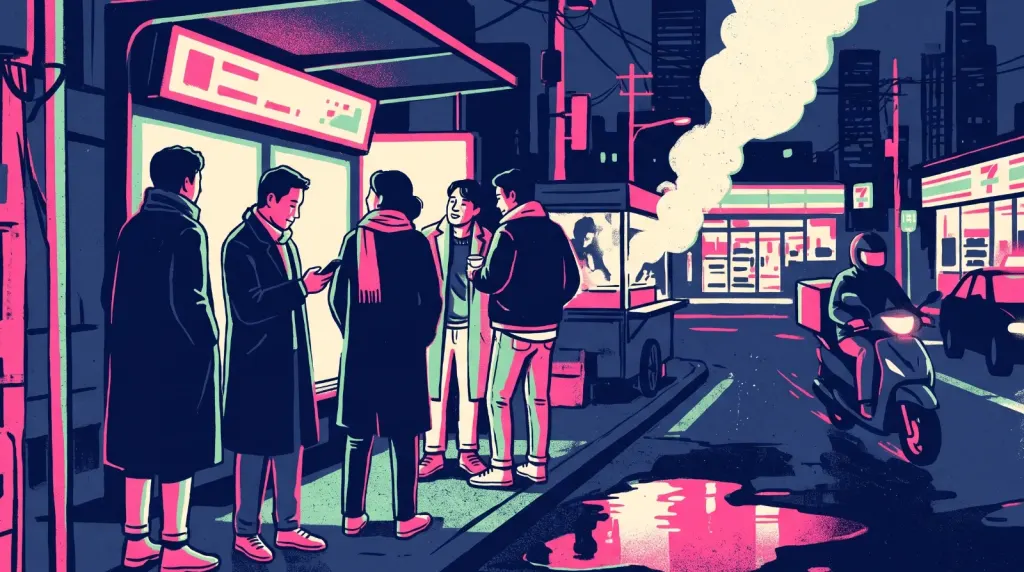
That route list reads like a map of where people spend money after dark. The same plan puts card spending between 5pm and 6am at 312 billion won a day, roughly US$229 million. Its goal is an extra 5 trillion won a year in night spending within five years. Buses are how you move that crowd without pouring it into taxis.
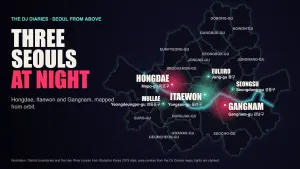
I haven’t seen fares or exact stops for the Firefly routes yet, so the city’s own announcements are the place to check before relying on them. What I can say is that Hongdae and Gangnam on the same night line is a small revolution for anyone who has tried to cross the river at 3am. If you want a sense of how those districts differ once you arrive, this working DJ’s map of Seoul covers it.
Taxis, Apps and the 11pm Price Jump
The standard sedan taxi starts at 4,800 won in the daytime, about US$3.50 for the first 1.6 km. The city’s fare table lays out the night rules clearly. A 20 percent surcharge applies from 10pm to 11pm, 40 percent from 11pm to 2am, then 20 percent again until 4am. At the peak, the base fare becomes 6,700 won, about US$4.90. Leave the city limits late at night and the surcharge can reach 60 percent.
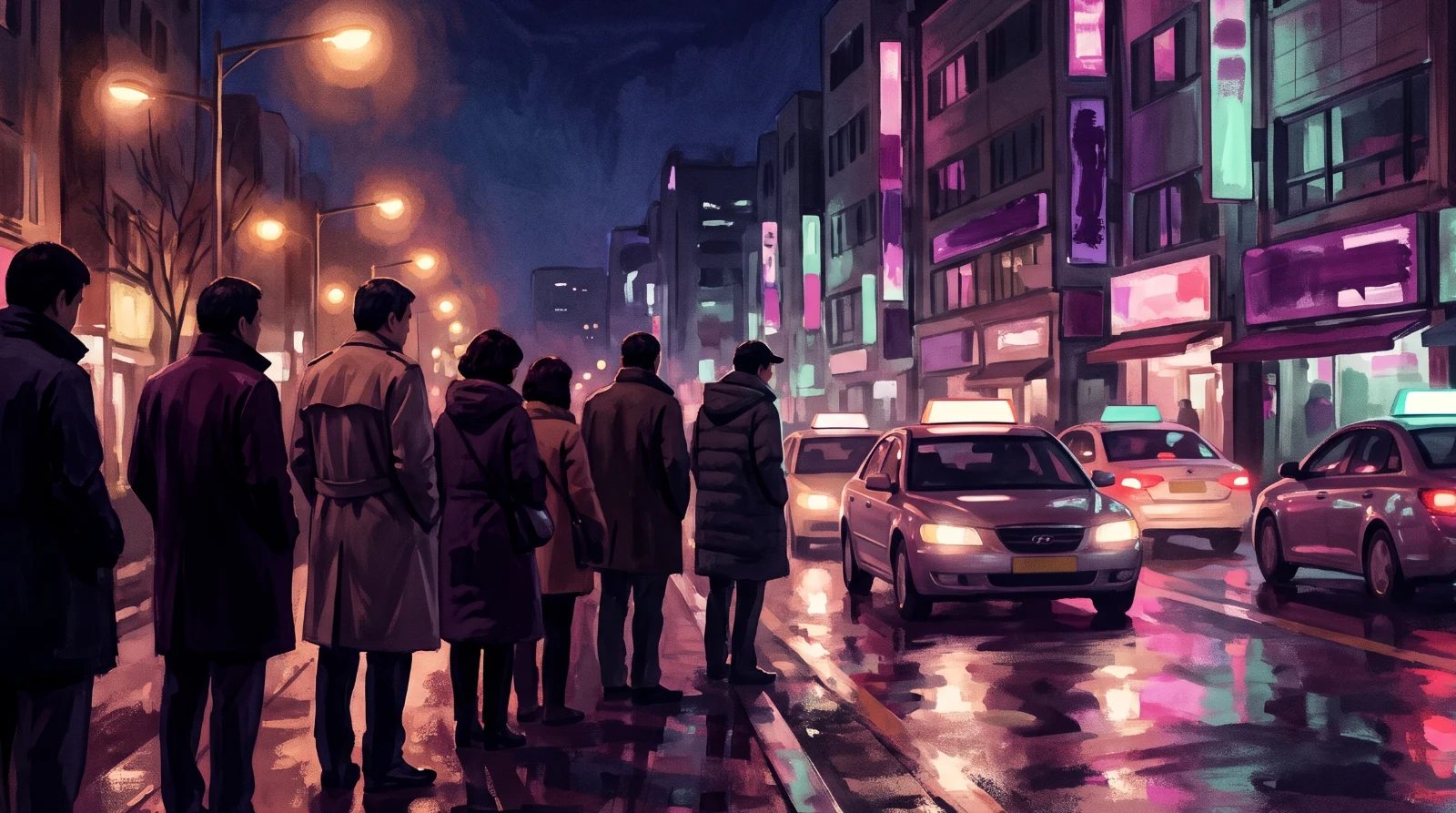
Those peak hours weren’t chosen at random. When the surcharge moved earlier in December 2022, the city explained that 11pm to 2am is when demand for cabs peaks. Anyone who has stood on a Gangnam corner at 1am waving at full cabs already knew that.
Many people now call a cab through an app. Kakao Mobility runs Kakao T (카카오 T), the app plenty of Seoul residents reach for first. The city’s fare table also lists premium brand services, including Kakao Black, Uber Black and i.M, whose app fares can flex with demand. For i.M, the table notes that the flexible rate overlaps with the late night surcharge. That’s worth knowing before you tap confirm.
Waiting for the First Train, and the DJ at 5am
Plenty of people simply stay out until the first train (첫차, cheotcha). The 2025 plan proposed moving first trains on Lines 1 to 8 to 5am, and Visit Seoul still lists service from about 5:30am, so check your station. The hours in between get filled with a 24 hour sauna (찜질방, jjimjilbang) or a PC room (PC방, PC bang). Others take a convenience store bench, or one more dark room with a decent sound system. For some, this is the best part of the night. For others, it’s the tax they pay for missing the makcha.
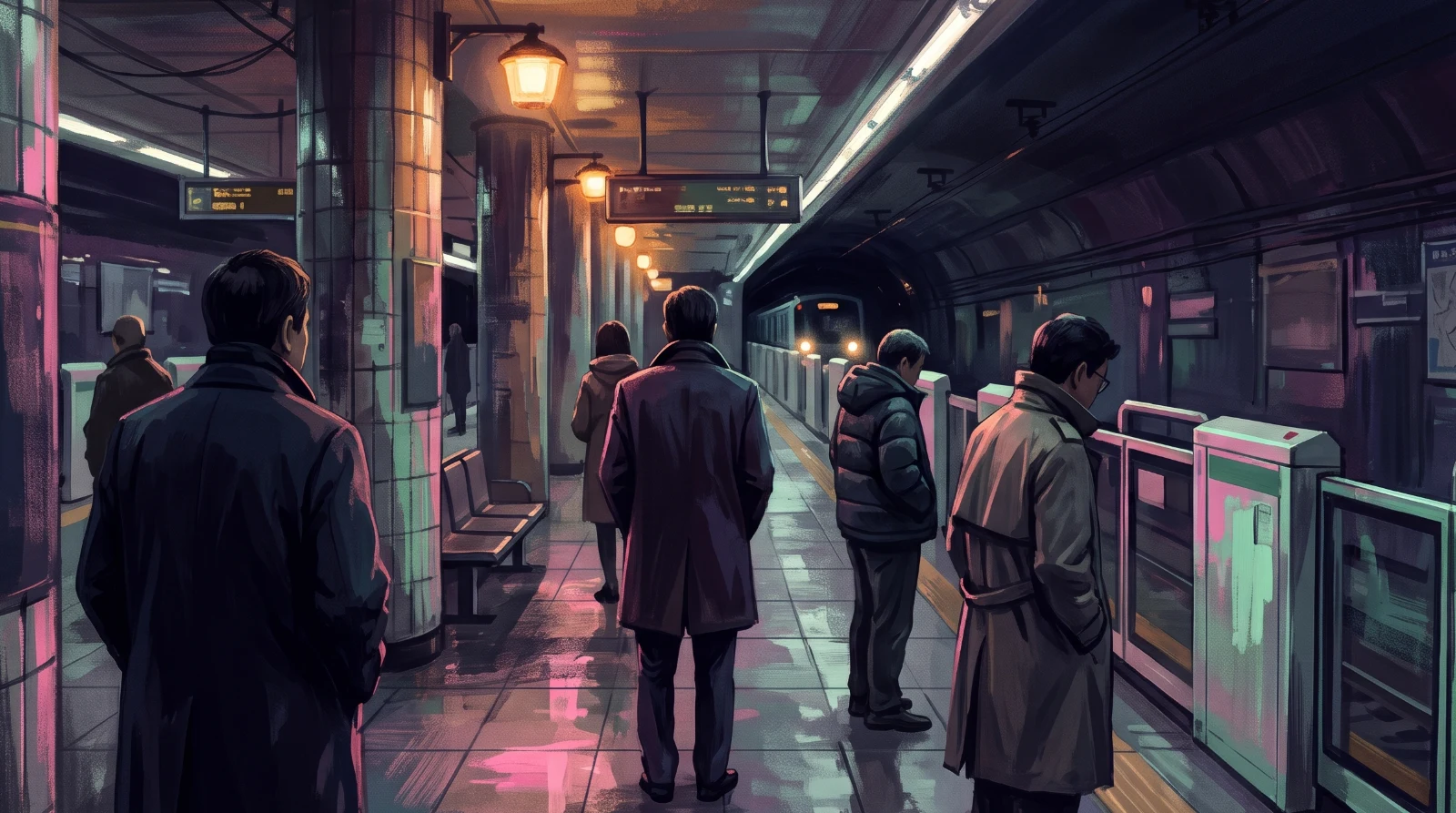
Money shapes that choice. The Seoul Nightlife Report found that the typical drinker spends about 45,000 won a night, around US$33, and that 52.2 percent of respondents had missed the last train. A late taxi across the river takes a real bite of that budget. The Korea Times priced a 10 km night ride from Jonggak to Gangnam at 17,700 won when the current fares began, it reported. Waiting until dawn looks sensible.
The Load Out Nobody Photographs
For the DJ playing the closing set, this is the whole commute. The music stops, the house lights come up, and there’s a record bag, headphones, a USB pouch and sometimes a controller to carry. A bag of vinyl is heavy at 5am in a way it never is at 9pm. Folding all of that into a crowded N bus at dawn is a small comedy of elbows, which is why what goes in the bag matters more than people think.
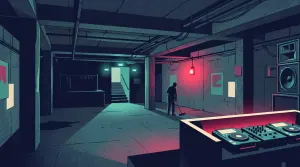
Leaving a dark room like Cakeshop or Faust in Itaewon (이태원) and stepping into daylight is its own ritual. The hours after 6am have a culture of their own. The practical part is simpler. Pack light, know which bus or train you want, and keep your phone charged for the app.
Before You Leave: Routes, Apps and Help
If you split a night between Hongdae and Itaewon, the owl bus to know is the N72. Seoul’s route plan runs it through Sangam DMC, Sinchon, Hongdae and Itaewon stations, so it links the two districts most visitors bounce between. For every other area, the new Getting Home Planner shows which N routes stop near you, whether the subway is still running at your hour, and a rough taxi fare with the surcharge built in.
Visitors without a Korean phone number have more options than they used to. K.ride, from Kakao Mobility, launched in June 2024 for foreign visitors and signs you up with Google, Apple or email, takes foreign cards and translates chat with the driver, as the Korea Herald reported. Kakao T itself accepts Visa, Mastercard, Amex and JCB, and Uber books local taxis in Seoul as Uber Taxi. Check the tier before you confirm, because the premium options cost more.
Two safety tools are worth setting up before you go out. The Seoul safety app 안심이 (Ansimi) has a Safe Return Taxi feature that shares your taxi details, location and time with a guardian and the district CCTV centre in real time, with an emergency button, according to the city. And if you’re lost, stuck or need a translator at 3am, 1330 is the Korea Travel Hotline. For police, dial 112.
What I Actually Think
Transport is cultural policy, even when nobody calls it that. A scene with no way home only works for people who live nearby or can afford a surcharge taxi. That quietly filters out students, young workers and anyone living on the edge of the city. Those are exactly the people who bring new records and new faces into a room.
So the Firefly buses are good news. Yet the night economy plan talks about markets, sports facilities and crowd cameras, while clubs and live music aren’t addressed at all. Better buses help the dancefloor anyway. It would be nice if the dancefloor got named. Why the rooms themselves sit in a strange legal space is covered in why Seoul clubs have kitchens. The law behind that is a question for lawyers, not DJs.
The Other Side Of This
The subway has to sleep sometime. Tracks, signals and trains need maintenance, and the city was open about that when it moved the schedule. The earlier first train also serves people who start work before dawn, such as cleaners and security guards. Their commute matters more than my closing set, and I say that as someone who has played plenty of them.
Seoul also does more than it gets credit for. Fourteen night bus routes at about US$1.80 a ride is a real network. The taxi surcharge exists to pull more drivers onto the road at the hours people need them most. The fair complaint is that the options are slow, thin or expensive at exactly the hour a good night peaks.
Watch and Listen
Seoul City’s own short film follows a night on the owl bus network, which is still the backbone of getting home before the Firefly routes arrive.
Frequently Asked Questions
What time does the last subway leave in Seoul?
It depends on the line, the direction and your transfers, so there’s no single answer. The city announced in 2025 that last trains on Lines 1 to 8 would move thirty minutes earlier. Check Naver Map or KakaoMap early in the night rather than trusting a printed timetable.
What’s the cheapest way of getting home in Seoul after midnight?
The owl bus. The city runs 14 N routes between 11pm and 6am, and the card fare is 2,500 won, about US$1.80. It’s slower than a taxi, but far cheaper.
How much more do Seoul taxis cost late at night?
Standard taxis add 20 percent from 10pm to 11pm, 40 percent from 11pm to 2am, and 20 percent from 2am to 4am. The peak base fare is 6,700 won, about US$4.90. Premium app services can add flexible pricing on top.
What are Seoul’s Firefly buses?
They’re a new late night service announced in August 2026, due to start in October. They’re planned to run from 11pm to 5:50am and link Hongdae, Gangnam, Myeongdong, DDP and Gwanghwamun. Check the city’s announcements for fares and stops.
When does the first train run?
Visit Seoul lists first trains from about 5:30am, varying by station, and a 2025 city plan proposed moving Lines 1 to 8 to 5am. Lines run by other operators follow their own schedules. A map app will show the real time for your station.
If you’re planning a night out across districts, the neighbourhood guide to going out in Seoul might be a useful next read.
Sources
- Seoul Metropolitan Government: late night owl bus routes, hours and fares
- Seoul Metropolitan Government: taxi fares and late night surcharges
- Seoul Metropolitan Government: taxi late night surcharge moves to 10pm (December 2022)
- Seoul Shinmun: first and last trains on Lines 1 to 8 to move 30 minutes earlier
- Hankyung: Seoul’s 24 hour economy plan and Firefly buses
- Money Today: details of Seoul’s night economy plan
- Kakao Mobility: Kakao T services
- Seoul Mediahub: owl bus route plan including N72 (April 2022)
- Korea Herald: Kakao Mobility launches K.ride for foreign visitors (June 2024)
- Kakao Mobility: Kakao T and foreign cards
- Uber: Seoul city page
- Seoul Metropolitan Government: Safe Return Taxi in the 안심이 app
- Visit Seoul: subway hours
- The Seoul Nightlife Report 2025 (343 respondents, self selected)
Written from Seoul by The DJ Diaries, in Seoul since 2002 and in the booth for thirty years. More on the site, or book a DJ.
Stay in the Loop
New writing on DJ culture, electronic music, and the Seoul underground, delivered when it matters.
More From The DJ Diaries

Play with the history
Four tools built from the same research as this site.