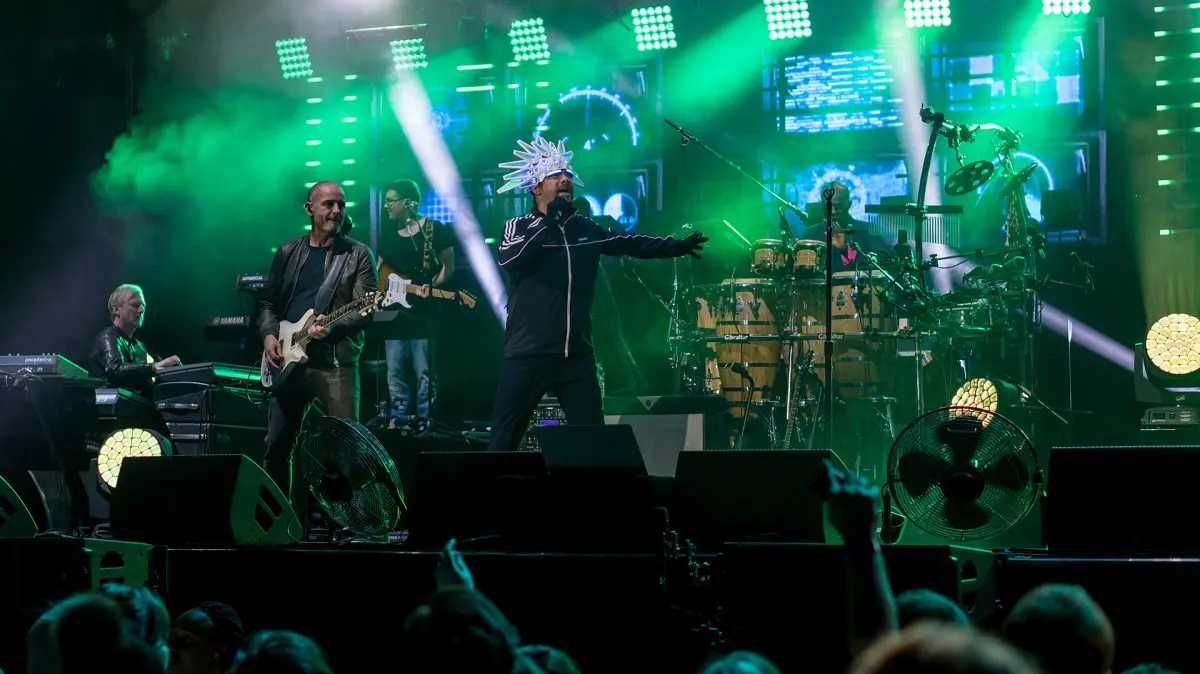
Jamiroquai is the band I have the least critical distance from. I was the right age when Travelling Without Moving landed, I’ve played Cosmic Girl in more rooms than I can count, and I still think Virtual Insanity is one of the best pop videos ever made.
So take what follows as enthusiasm with some working knowledge attached.
Here’s the argument. The hat and the cars did the band a long term disservice, because underneath the image was a group of serious musicians playing a style of dance music that almost nobody else was attempting at that scale.
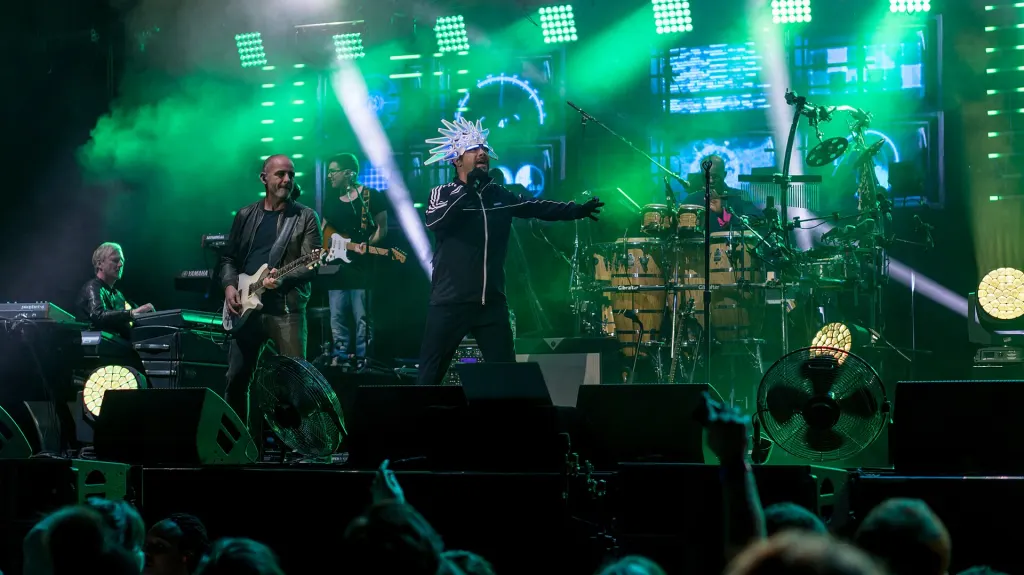
Dance Music Made by a Band
Jamiroquai came out of the London acid jazz scene of the early nineties, which in practice meant funk and jazz funk played by people who had grown up on rare groove and house.
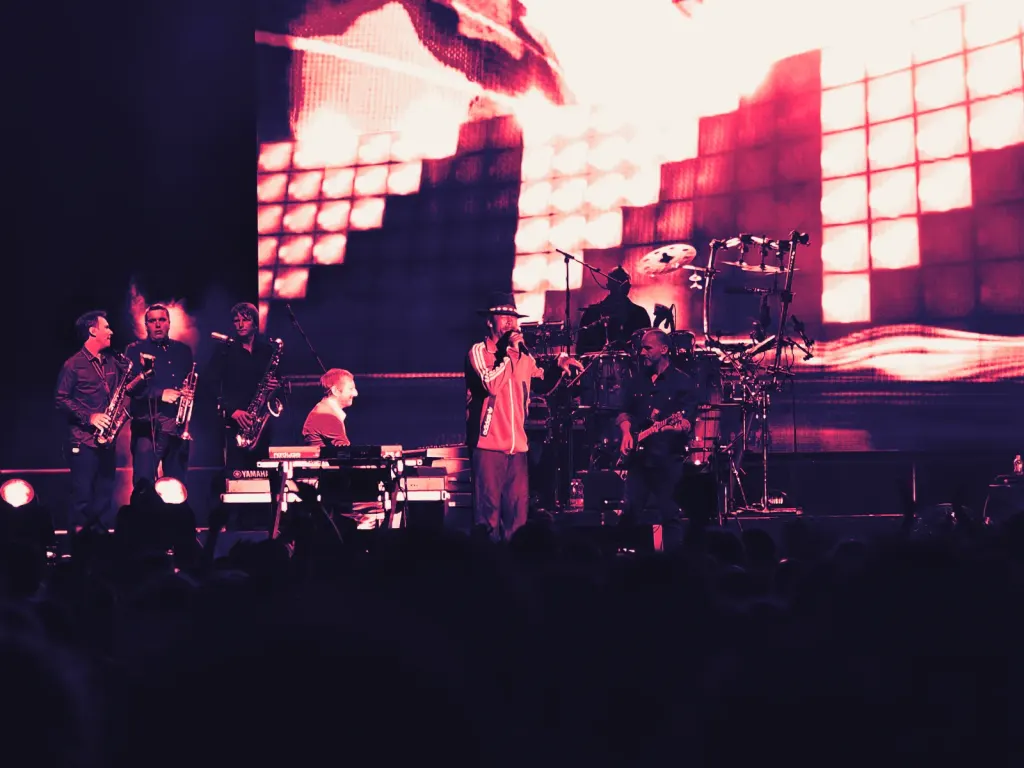
Emergency on Planet Earth in 1993 is a young band showing you everything it can do at once. The playing is live, the arrangements are long, and the politics are right on the sleeve.
The thing worth noticing is that this was dance music made by a band, at a moment when dance music was moving decisively toward the studio and the sampler.
They went the other way on purpose.
Listen to the Bass
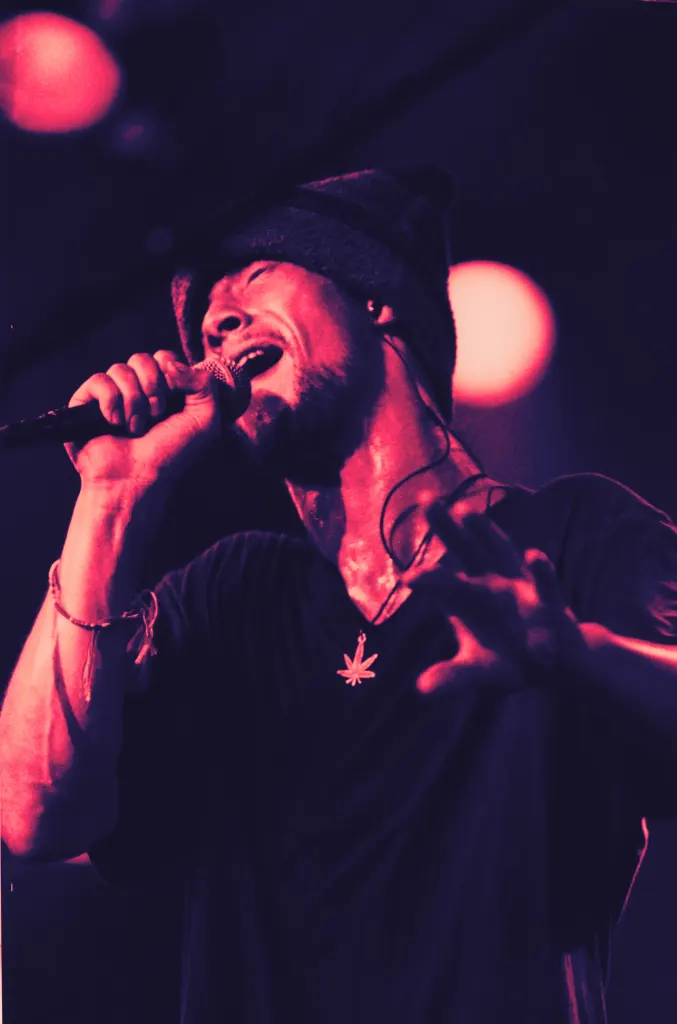
If you only take one thing from this piece, make it this: listen to the bass.
Stuart Zender’s playing on the first three albums is the engine of the whole project. The keyboard parts and arrangements of Toby Smith, who helped write much of the early catalogue and died in 2017, are what give those records their shape.
A band with a famous singer is usually a band with an underrated rhythm section, and this is the clearest example I can name.
It’s also why the records still work in a club. The bassline is doing real work rather than decorating a pop song, so a Jamiroquai track sits properly next to house instead of sounding like a novelty from another genre. That’s what made this band matter to DJs.
Travelling Without Moving, and the Video That Ate the Band
Travelling Without Moving in 1996 is where the songwriting caught up with the musicianship. Cosmic Girl, Alright, Use the Force, and Virtual Insanity, which won a Grammy and a stack of video awards and then became the only thing a lot of people ever knew about them.
Watch it again knowing that the floor is moving and the room is still. That’s a choreography problem before it’s a camera trick, and Jay Kay is performing it in a hat that must weigh something.
Almost no frontman in pop could physically do that piece now.
Cosmic Girl is the other side of the same album, and the one I’d play first. It’s a disco record built by a funk band, and it still fills a floor without anyone needing to recognise it.
Thirty Years On, a Gin With No Gin in It
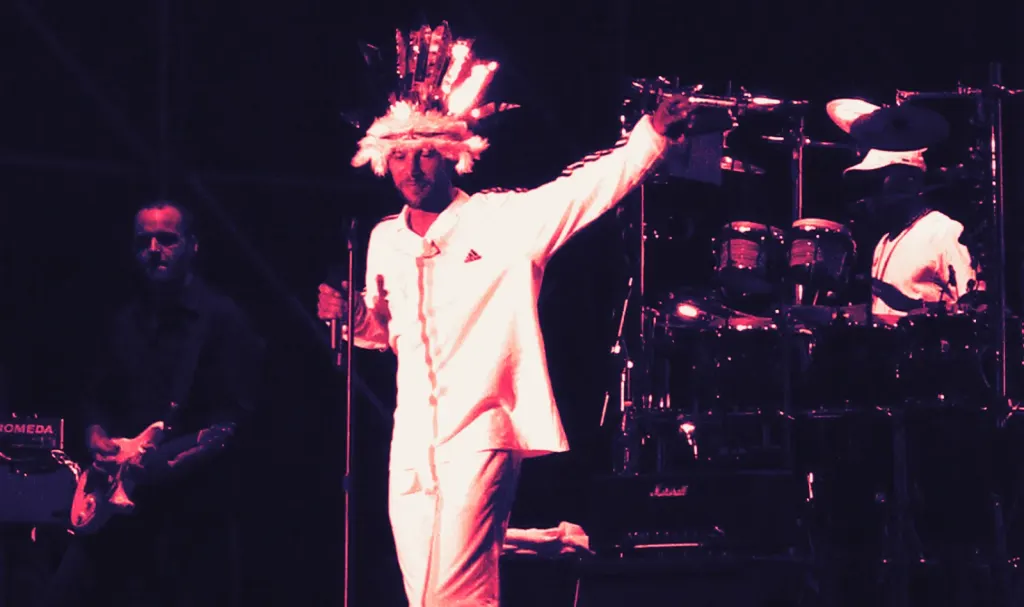
In July 2026, Jay Kay remade the Virtual Insanity video for a Beefeater 0.0 campaign built by Lucky Generals. Nine practical sets, moving walls, no computer graphics.
The joke of it is that the thing he was reaching for in the original turns out to be an alcohol free gin. It’s a well made piece of work. The sliding floor gag still lands, he can still move, and the whole thing is a reminder that the 1996 video was a piece of choreography that most artists couldn’t physically perform.
It’s also the most on the nose piece of cultural timing I’ve seen this year. A band whose entire aesthetic was 1990s hedonism, selling zero per cent gin, in a decade where the drinking is going down. I’ve written about morning raves and sober curious nights arriving in Seoul, and this advert is the same trend wearing a very large hat.
There has been no new Jamiroquai album since Automaton in 2017. The public presence since has been anniversary shows, greatest hits touring and now a brand campaign built on a thirty year old video. That’s not a criticism of the music. It’s what happens when a catalogue becomes more valuable than the next record, which is the position a lot of 1990s acts are now in and few of them handle honestly.
There’s also the awkwardness nobody in the dance press wants to raise. Jay Kay’s public history includes behaviour that would land differently now, and the band’s reputation has always sat slightly apart from the music because of it. I’m not going to relitigate any of it here. I’d just rather say it exists than write the version where a band has no complications.
Seoul Has Been Waiting Since 2013
An earlier version of this piece said Jamiroquai had never played Korea. That was wrong, and the correction is more interesting than the original claim.
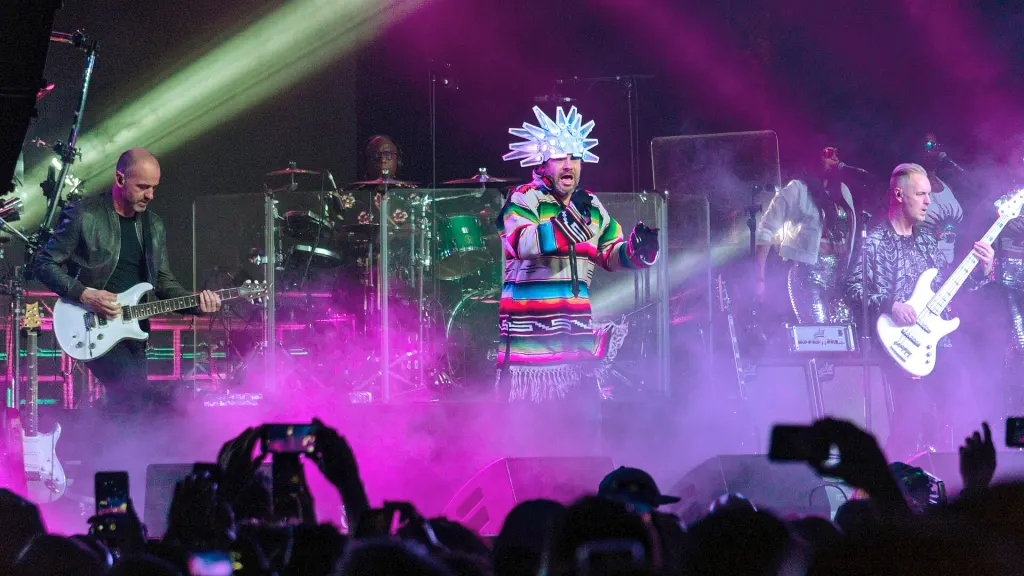
Their first Seoul show was at Olympic Hall in November 2008, and the tickets went in five minutes. They came back to Jamsil in August 2012, then played Jisan the following summer.
Then the chapter nobody writes about. In May 2017 they were booked to headline Seoul Jazz Festival and pulled out, along with two Tokyo shows, because Jay Kay needed treatment on his spine. His statement to Korean fans: “We were all so excited to come back to South Korea.” And: “I want to apologise from the bottom of my heart.” HONNE took the headline slot.
Which makes August 2026 sting a little. They played Summer Sonic in Osaka and Tokyo, their first trip to Japan in about nine years, and Sony Music Japan pressed the first three albums on vinyl to mark it.
They came back to Asia. They went to Japan.
Meanwhile Korea has spent the last few years deep in a city pop and funk revival. Walk into an LP bar in Euljiro (을지로) or a listening room in Yongsan (용산) on a weeknight and you’ll hear seventies Japanese city pop, Korean folk funk, disco reissues and a lot of records that share exactly the DNA Jamiroquai were working from. That audience exists here now in a way it didn’t when the band last came.
There’s a crowd in this city built for this band, and it hasn’t had the chance to prove it since 2013.
What to Go Back and Listen To
Start with Emergency on Planet Earth for the band, then Travelling Without Moving for the songs. Put the bass up and leave the video for later.
Then go to Canned Heat, which is the moment the band leaned fully into disco and the floor followed.
Virtual Insanity is one of the very few pop records from that era I’ll still drop in a room without irony, and it works because the bassline is doing real work rather than because people recognise it.
The tribute to itself phase is fine. I’d just rather hear a fourth good bassline than a fourth anniversary.
Frequently Asked Questions
Has Jamiroquai Played in Korea?
Three times. Olympic Hall in Seoul in November 2008, which sold out in five minutes, Jamsil Indoor Stadium in August 2012, and Jisan World Rock Festival in August 2013. A booked 2017 Seoul Jazz Festival headline slot was cancelled on medical grounds.
Are Jamiroquai Touring in 2026?
Yes. They played Summer Sonic in Osaka on 14 August and Tokyo on 16 August 2026, then toured Latin America in September. No Korean date has been announced.
Why Does Jamiroquai Matter to DJs?
Because the basslines do real work. Stuart Zender’s playing on the first three albums is the reason those records still sit next to house in a set.
Is There New Jamiroquai Music?
A ninth studio album was announced for 2026, but the most recent album is still Automaton from 2017. Sony Music Japan issued limited vinyl editions of the first three albums on 29 July 2026.
Is Jamiroquai a Band or a Solo Project?
The name has always centred on Jay Kay, which is part of the honest criticism of the project. Musically, the first three albums are band records, and you can hear it in the rhythm section.
If this profile has something wrong in it, or if you’re connected to the artist and would like a correction or a takedown, contact me and I’ll act on it.
Written from Seoul, by someone who has been in the booth for more than twenty years. More on the site, or book a DJ.
Stay in the Loop
New writing on DJ culture, electronic music, and the Seoul underground, delivered when it matters.
More From The DJ Diaries
Play with the history
Four tools built from the same research as this site.