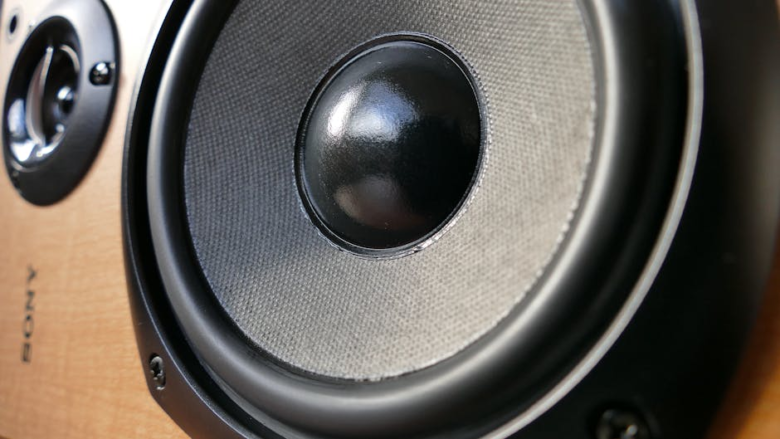
A sound system is not equipment. It is a force.
The sound system originated in Jamaica in the 1950s as a way for musicians and promoters to present music to large crowds without depending on radio or recorded media. A sound system consisted of a turntable, an amplifier, and speakers. Musicians like Duke Reid and Coxsone Dodd would own equipment, travel to open-air venues, set up the system, and play records while people danced. The competitions between sound systems were fierce — about who had the best-sounding system, who had the most exclusive records, who could make the bass hit harder.
The sound system represented a shift in how music and its presentation were understood. A DJ was no longer just playing records — they were conducting a physical experience. The system was part of the creative apparatus: it shaped what the music sounded like, how it was felt, what frequencies would be emphasized.
The sound system culture traveled from Jamaica to the United Kingdom in the late 1960s through Jamaican immigrants who brought the practice to London. By the 1970s, sound systems were operating in the UK, playing reggae, dub, and dancehall music to Caribbean immigrant communities. Jah Shaka and Saxon Sound became legendary for the power and clarity of their systems.
The engineering principles that emerged from sound system culture — the preference for sub-bass frequencies, the preference for live and present mid-range, the importance of clarity at extreme volumes — became the engineering language of electronic music venues. Every serious club sound system in 2026 traces its engineering philosophy back to the Jamaican sound system tradition.
Stay in the Loop
New writing on DJ culture, electronic music, and the Seoul underground — delivered when it matters.