Tokyo built the institution before the scene arrived. Seoul built the scene before the institution existed. Shanghai built both, and then watched the regulatory environment dismantle one of them. Bangkok built neither and imported both. Four cities, four completely different answers to the same question: how does electronic music take root outside its birthplaces?
Seoul, Tokyo, Shanghai, Bangkok
Each city answers what its venues are allowed to be before what they play
아시아 4개 도시의 클럽 신
| Seoul | Tokyo | Shanghai | Bangkok | |
|---|---|---|---|---|
| The order | Scene first | Institution first | Both, then one dismantled | Imported both |
| Anchor | Cakeshop, 2012 | Yellow, early 1990s | ALL and Elevator | Tourism money |
| The constraint | Food business licences | The fueiho dance law | Licensing volatility | Closing hours |
| It tests your | Energy | Depth | Paperwork | Judgement |
The domestic pathKorean artists' share of the electronic music streamed in Korea, from Spotify figures reported by Asia Economy in July 2026. Track runs from 0 to 30 percent.
Clubs in the DJ Mag Top 100 Clubs 2026, by city. Seoul has Lion at 57, for 700 people. Tokyo has Zouk, WARP Shinjuku and WOMB, Bangkok has Atlas, Void and The Club Khaosan, and Shanghai has INS Land at 12. Thailand has 8 in all.
Over 300% growth in Spotify plays of Korean electronic artists in Korea, first half of 2026 against the second half of 2025.
Sources: DJ Mag Top 100 Clubs · Asia Economy
Seoul: Scene First
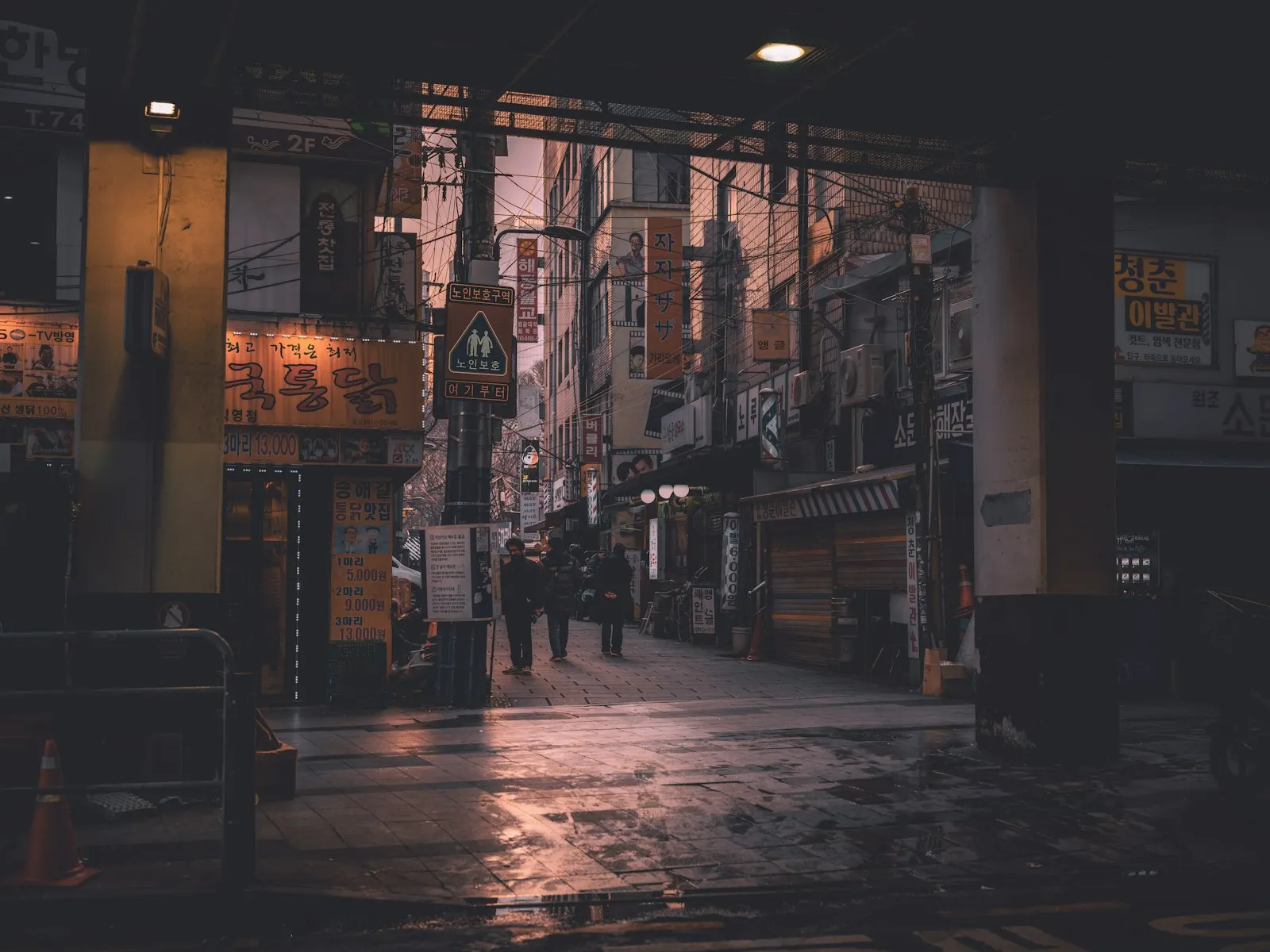
Seoul’s modern underground dates to a single decision, Cakeshop’s 2012 opening, which plugged the city into the international circuit’s booking network before any domestic infrastructure justified it. The expat and returnee audience made weekly international bookings economically viable, and a promoter class grew in HBC’s cheap rooms to feed it. The cost of that openness is the dependency I trace in the crossroads essay: imported programming outpaced local artist development for a decade, and the current generation is the first with a plausible domestic path.
That domestic path now shows up in streaming data. Spotify figures reported by Asia Economy (아시아경제) in July 2026 put Korean artists at 24.4 percent of the electronic music streamed in Korea, up from 9.8 percent six months earlier, and the same report noted that the International Music Summit had named Seoul, alongside Indonesian breakbeat, Vietnamese vinahouse and Colombian guaracha, as a local scene growing fast on SoundCloud.
Tokyo: Institution First
Tokyo’s sequence ran the other way. Yellow opened in 1991, an institution of international standard before Japan had a scene to fill it, and the city’s listening-bar DNA supplied the audience discipline. The result is Asia’s deepest infrastructure, Womb’s twenty-six years, a hundred perfect small rooms, and its most conservative scene: standards armour Tokyo against mediocrity and against sudden reinvention equally.
Shanghai and Bangkok: The Volatile Middle
Shanghai in the 2010s briefly had it all: world-class venues, a genuinely experimental local scene around rooms like ALL and Elevator, and money. Then the regulatory climate tightened through visa enforcement, licensing pressure and event cancellations, and the international layer thinned while the domestic one adapted underground. It’s the region’s reminder that scenes hold no rights, only tolerances. Tolerances can widen too: from late 2023 licensed venues in Bangkok, Chiang Mai, Phuket and Chon Buri could stay open until 4am, and in October 2025 the Thai prime minister proposed extending 4am closing to licensed venues nationwide. Bangkok, which I cover in its own essay, runs on tourism’s subsidy and fights tourism’s flattening, with the ZudRangMa generation proving the local archive is the way out of the trap.
The Circuit View
Touring DJs experience these four as one loop with four personalities: Tokyo tests your depth, Seoul tests your energy, Shanghai tests your paperwork, Bangkok tests your judgement. The cities now feed each other, promoters co-book routing, artists cross-pollinate, and Seoul’s festival calendar increasingly anchors regional tours. The old assumption that Asia was a secondary market has quietly inverted: with European clubbing contracting and festival economics tightening everywhere, the four cities in this essay are where the circuit’s growth lives. The next Berlin will be all four, networked.
The global market behind that loop is still growing. The IMS Electronic Music Business Report, 2026 edition, written by Mark Mulligan of MIDiA Research, valued the electronic music industry at 15.1 billion US dollars in 2025, up 7 percent on the year.
What the Four Cities Feel Like From the Booth
Comparisons of Asian scenes are usually written from a distance, off lineups and listings. I’ve played and drunk in these cities, so here’s the version you get from inside the room.
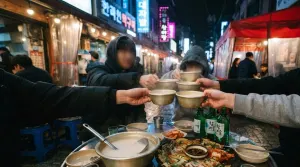
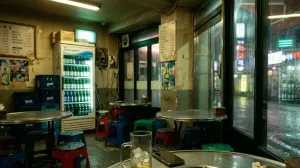
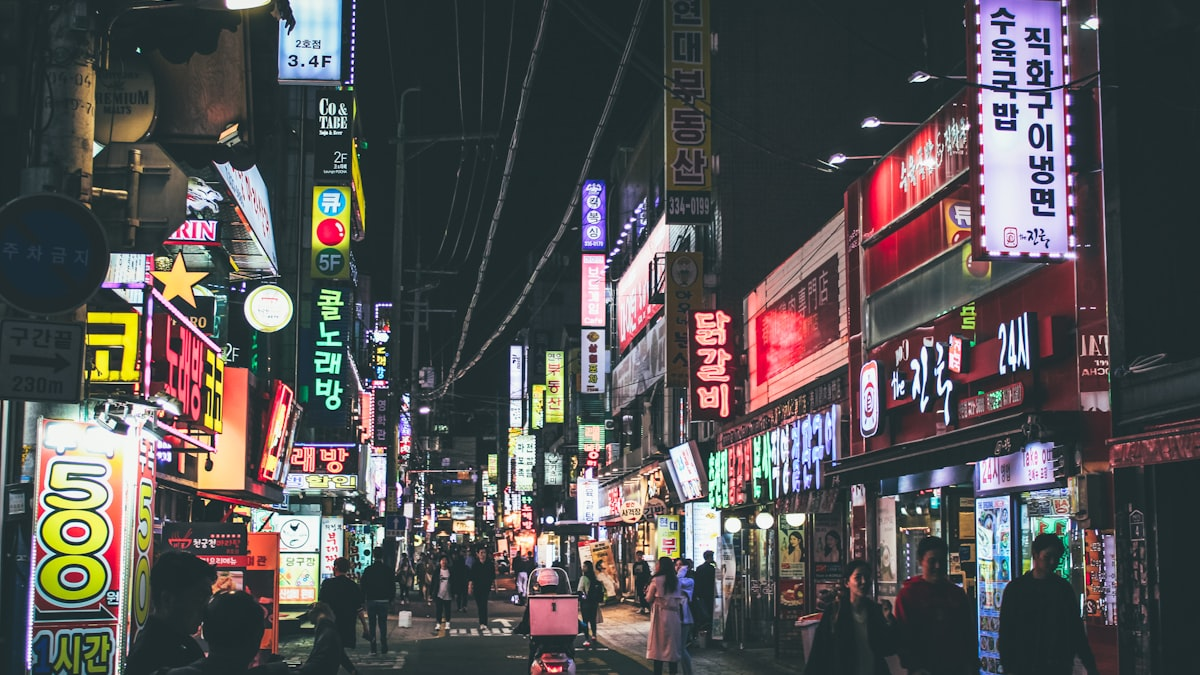
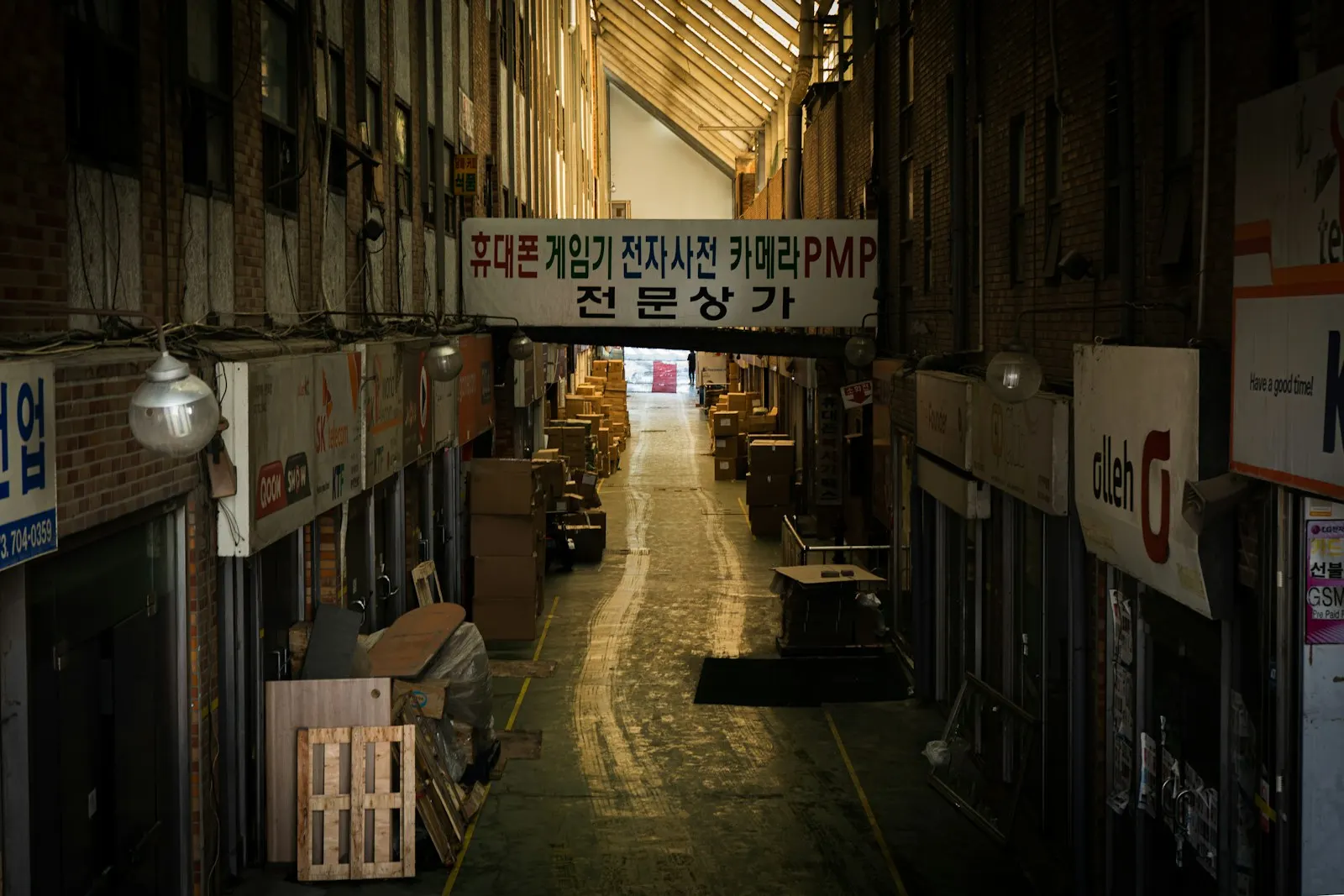
Seoul runs late and starts late, and the crowd will stay with restraint longer than almost anywhere. The rooms are small because the licensing structure makes small rooms safer, and that shapes everything downstream: intimate, well-informed crowds and a scene spread thinly across many venues rather than concentrated in a few.
Tokyo is the opposite trade. Japan amended its 1948 fueiho entertainment law in June 2015, and from 2016 clubs lit above 10 lux could apply to stay open all night. Deep institutional memory, extraordinary sound systems, and an audience that treats listening as the activity. The famous constraint historically was the dancing regulation, which is the closest parallel anywhere to Seoul’s situation, and Japanese venues built an entire aesthetic of the seated, attentive room out of it.
Shanghai has the most volatile relationship between the scene and the conditions it operates under. Rooms open strongly and can disappear, which produces promoters who are exceptionally good at moving quickly and audiences who show up because they know a night may not recur.
Bangkok is the outlier because tourism is a structural input rather than a side effect. That funds sound systems and international bookings a city of its size wouldn’t otherwise sustain, and it also means a permanent tension between the rooms serving visitors and the rooms serving the local scene, which are frequently not the same rooms.
The Thing These Scenes Have in Common That Nobody Says
Every one of these cities has a nightlife culture shaped primarily by regulation rather than by musical lineage. Seoul’s food-business licensing, Tokyo’s dancing rules, Shanghai’s licensing volatility, Bangkok’s closing hours and periodic crackdowns. Seoul’s version is live news: in August 2026 Busan’s Ovantgarde was suspended for two months because a crowd danced on a general-restaurant licence, and a National Assembly petition now asks for a legal category for live-music venues.
That’s the story of Asian club culture and it almost never gets told, because Western writers arrive with a framework built for cities where the constraint was money or geography rather than permission. If you want to understand why an Asian scene looks the way it does, ask what its venues are allowed to be before you ask what they play.
If You Are Visiting One of Them
Don’t treat them as interchangeable. A week in Seoul and a week in Tokyo require different behaviour (going out in Seoul, district by district). Seoul runs on Instagram and late announcements. Tokyo runs on venue schedules published in advance and on turning up on time. In Seoul, RA is the nearest thing to a published schedule: most Itaewon clubs list their weekend nights there with the cover, usually ₩15,000 to ₩25,000.
Go on the right night. All four are weekend cities for the serious programming, and a Wednesday will show you almost nothing.
Skip the tourist rooms in at least one city. The gap between the visitor-facing venue and the room the local scene uses is widest in Bangkok and Seoul, and it’s where all the interesting music is.
Follow the rooms: Cakeshop on Instagram
FAQ
Which Asian city has the best electronic music scene?
They’re strong in different ways rather than rankable. Tokyo has the deepest institutional history and the best sound systems, Seoul has the most intimate rooms and an audience unusually tolerant of restraint, Shanghai has the most adaptive promoters, and Bangkok has the international bookings that tourism revenue supports. The right answer depends on whether you want listening rooms, small underground venues or large international lineups.
How is the Seoul scene different from Tokyo?
Seoul’s venues are small and numerous, programme late and announce late, and are shaped by licensing that treats them as food businesses. Tokyo has larger institutional venues, longer-running clubs, exceptional sound systems and an audience culture built around attentive listening, partly a legacy of its own historical restrictions on dancing. Practically, Seoul runs on Instagram and short notice, Tokyo on published schedules.
What shapes club culture across Asian cities?
Regulation more than musical lineage. Seoul’s food-business licensing, Japan’s historical dancing rules, Shanghai’s licensing volatility and Bangkok’s closing hours each shaped venue size, programming and atmosphere in their city. Understanding what venues are permitted to be explains more about an Asian scene than genre history does.
Sources
- Asia Economy (아시아경제): Korean artists now a quarter of electronic streams in Korea (21 July 2026)
- International Music Summit: IMS Electronic Music Business Report 2026
Written from Seoul, by someone who has been in the booth for more than twenty years. More on the site, or book a DJ.
Stay in the Loop
New writing on DJ culture, electronic music, and the Seoul underground, delivered when it matters.
More From The DJ Diaries
Play with the history
Four tools built from the same research as this site.