Once, I watched someone set a full glass of red wine directly on a digital mixer worth more than my rent at the time. Every DJ has a version of that story. A friend climbs into the booth without really being invited, or a well meaning promoter puts a warm beer on top of the mixer as a gesture of hospitality, and everyone nearby spends the next two hours quietly hoping nobody knocks it over.
I’ve played a lot of booths over the years. Some had drinks rails built in to keep glasses off the equipment. Some had no separation at all between the DJ and a crowd holding full pints. I’ve had drinks knocked onto my equipment, and I’ve knocked drinks onto my own equipment. What I’ve settled on is simple: water during the set, nothing liquid within reach of the gear, and celebrate afterwards.
One Spill Can End a Set
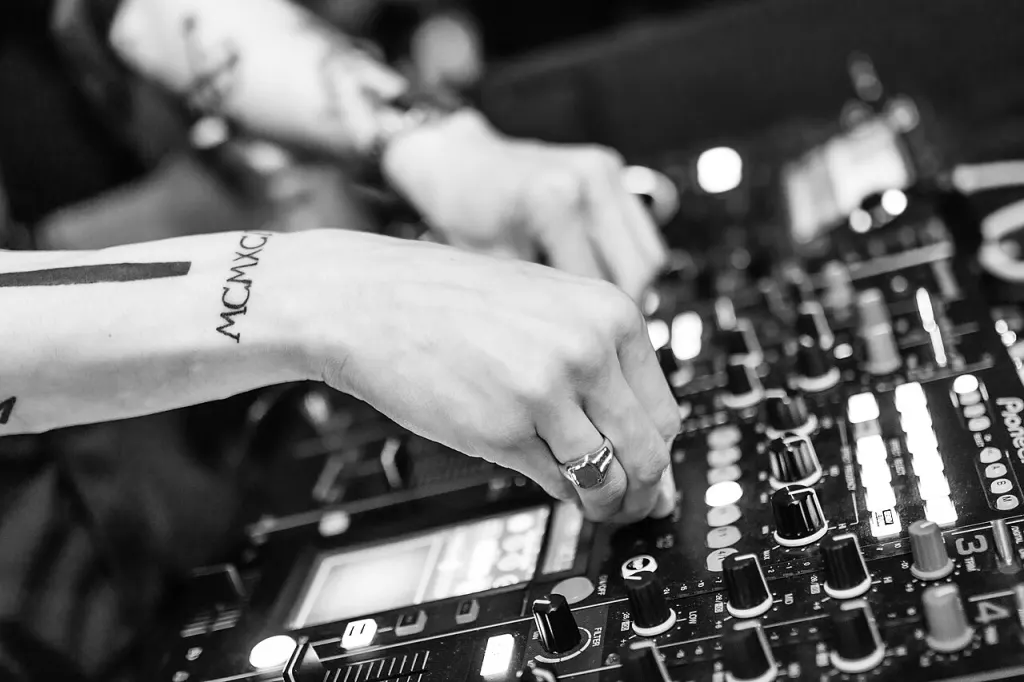
Liquid and electronics have a simple relationship: contact is bad. A mixer, a pair of CDJs and a laptop are the tools of the job, and one drink spilled at the wrong moment can end your set, damage gear worth thousands of dollars, and start a story about you among venue staff and promoters that lasts longer than you’d like.
I had a spill at a gig in Seoul early in my time here. A friend standing behind me in the booth, drink in hand, leaned over to say something, and the glass caught the edge of the CDJ. It wasn’t much liquid, but it was enough to make the jog wheel behave erratically for the rest of the night. I finished the set, and the CDJ cost money to service. Nursing a misbehaving player through a set for a full room isn’t an experience I’d recommend.
Venue Gear Raises the Stakes
This distinction matters more than most DJs realise. On your own kit, the risk is yours to weigh. You know what it’s worth, you either have insurance sorted or you don’t, and the consequences of a spill land on you.
On the venue’s equipment, you’re expected to hand it back in the condition you found it. A spill that damages a venue’s CDJs can cost many times what you’re being paid for the gig, and it’s a hard professional situation to recover from gracefully. On venue gear, keep drinks out of reach of everything, full stop. The equipment is borrowed; treat it that way.
Set the Booth Rules on Your Own Terms
Nobody wants to be the DJ who won’t let anyone into the booth. The booth is a social magnet. Friends want to stand there, promoters want to check in, and dancers want to tell you that the track from twenty minutes ago changed their life. That’s part of what makes a night good, and shutting it all down creates an antisocial feel that doesn’t help anyone.
The fix is to set the rules on your own terms rather than reacting to each situation as it comes. If friends come into the booth, ask them to keep their drinks down at their side, away from the equipment. If a promoter brings you a drink, thank them and put it somewhere that isn’t on or near the mixer. Say it as a preference rather than a demand, and most people will go along with it without making it a thing.
Water During the Set, Celebrate After
Water is the right drink for the booth during the set. That isn’t a moral position on alcohol. The job needs concentration and quick decisions, and alcohol progressively impairs both, often in ways the person drinking doesn’t notice.
The decisions you make in a set, reading the room, choosing the next track, timing a transition, adjusting EQ and managing the energy, are subtle calls. You can get them wrong in ways the crowd feels without anyone being able to say what went wrong. The set that felt great to you at three in the morning sometimes sounds different when you listen back to the recording.
I’m not suggesting formal sobriety standards for DJs. But if you’re trying to do the job as well as you can, and that’s what the reputation you’re building rests on every time you play, water during the set and celebrating afterwards serves the music better than the alternative.
Give Your Drink One Safe Spot
Pick one consistent spot for your drink that’s never on or right beside the equipment: behind you, on a separate shelf, or in your hand. Train yourself to always put the glass back there rather than wherever is convenient in the moment. Make it a habit before it becomes a crisis.
Where the Drink Goes
From the worst spot in the booth to the best
DJ 부스 안 음료, 어디에 둘까
| Spot | Verdict | Why |
|---|---|---|
| On the mixer or CDJs | Never | One spill can end the set |
| Right beside the gear | No | One lean and it’s on the decks |
| A guest holding it low | Fine | Down at their side, away from the decks |
| Behind you or on a shelf | Best | One consistent spot, every time |
| A drinks rail | Best | Built to keep glasses off the equipment |
The ruleOn venue gear, nothing liquid within reach of anything.
If you’re playing a venue regularly and the booth layout creates needless risk, raise it with the management as a practical observation rather than a complaint. Most venues would rather make a small change, a simple railing, a low partition or a drinks ledge, than deal with a damaged CDJ. Where there’s no barrier between the booth and the crowd, talk to the promoter before the gig and set your equipment as far back from the edge as the booth allows. And if you’re playing on gear you aren’t insured against damaging, find out the venue’s policy before the gig, not during it.
The booth is your workspace for the length of the set. Look after it, and the rest of the night is far more likely to go the way you planned. If you’re still working out what else is worth protecting in that space, my guide to the DJ bag covers the gear and accessories that matter most for playing prepared.
Frequently Asked Questions
Should DJs drink alcohol during their sets?
That’s a personal decision, but the professional case for staying sober during a set is strong. DJing takes sustained concentration, real time judgment and quick reactions to a changing room, all of which alcohol progressively impairs. Water during the set and celebrating after tends to produce better music and a more reliable reputation.
Who pays if a drink damages DJ equipment at a venue?
It depends on the venue and on what was agreed, so don’t guess on the night. Before the gig, ask the venue about its damage policy and insurance, and check what your own cover includes. Questions about who is liable belong with the venue and your insurer.
How do you handle friends wanting to come into the booth?
Allow it selectively and set expectations about drinks before they come in. Ask people to hold glasses low and away from the equipment, or to use one safe surface you’ve picked. Putting it as a preference rather than a rule keeps the atmosphere friendly while protecting your gear.
What should you do if someone spills a drink on DJ equipment?
Stop the spill spreading, turn off the affected unit if it’s safe to do so, and move liquid away from the ports. Don’t switch it back on to test it the same night; let the venue arrange a proper service check first. Tell the venue management as soon as possible, write down what happened for insurance purposes, and don’t try to hide accidental damage. How you handle an accident matters to how you’re seen afterwards.
Further Reading
- Wikipedia: the CDJ, the digital player found in almost every club booth
- Wikipedia: the DJ mixer and how it works
- Pioneer DJ: the manufacturer range of club DJ mixers
- AlphaTheta: official support for Pioneer DJ equipment, including repairs
Sources
National Institute on Alcohol Abuse and Alcoholism (NIAAA): Alcohol’s effects on the body
Wikimedia Commons: Pioneer DJM-2000 Nexus mixer photo by Aurélien (Designatic), CC0
Written from Seoul, by someone who has been in the booth for more than twenty years. More on the site, or book a DJ.
Stay in the Loop
New writing on DJ culture, electronic music, and the Seoul underground, delivered when it matters.
More From The DJ Diaries

Play with the history
Four tools built from the same research as this site.