
Between roughly 2000 and 2015, Seoul clubs regularly flew in a big name international DJ for a single night, to headline a weekend and then fly on to the next city. I booked several myself in those years. Depending on the venue, their fees were quite reasonable, the riders were simple, mostly about the music setup plus a table or drinks, and the nights were successes.
You hardly see that model any more, and the fee curve explains why. Carl Cox’s normal fee was about £1,000 in 1996, according to Mixmag; two decades later it ran to six figures. Top fees rose because a handful of names became the only reliable way to fill a big room, and once those names travelled with teams and were paid in dollars, a Seoul club could no longer make the sums work.
Superclubs Bid Each Other Up
In 1995, Sasha was among the most sought after DJs in the UK. Mixmag put his normal club fee at about £1,500 in late 1996, and a residency at Renaissance paid £1,500 a night. The superclub era was driven by venues competing for the same small tier of artists: Ministry of Sound in London, Cream in Liverpool, Gatecrasher in Sheffield and Home in London.
Mixmag’s November 1996 fee list put the biggest UK names at £1,000 to £1,500 for a normal booking, with Todd Terry at £5,000 and New Year’s Eve bids reaching £15,000. By 2000 top bookings ran £5,000 to £15,000, and by 2005, £15,000 to £30,000 at the superclubs. Every club wanted the same few names on the same few nights, so the names set the price.
Las Vegas Moved the Decimal Point
The rise of EDM as a mainstream genre in the late 2000s and early 2010s created a new tier. David Guetta began commanding around US$150,000 per Las Vegas booking, and Calvin Harris went higher. Hakkasan Las Vegas signed Tiësto, Calvin Harris, deadmau5 and Steve Aoki to residency deals reportedly worth $65 million combined.
Thirty Years of the Top DJ Fee
From a thousand pounds a night at a UK superclub to a quarter of a million dollars for a festival headline
How to read itEach gridline is ten times the one before it, so a step to the right is a leap in money. Pounds for the British superclub years, US dollars from Las Vegas on, because that is how each market paid.
That money came less from traditional club promoters than from casino nightclubs, private events, corporate parties and luxury resorts where the DJ was the headline attraction. Fees follow what a venue can earn, and the DJ whose name alone sells tickets commands the most.
COVID-19 collapsed the live music economy in 2020 and 2021. When the industry reopened, promoters first offered lower fees, but by 2023 top bookings were paying 10 to 20 percent more than the same booking in 2019. In 2026 a top international act earns somewhere between US$80,000 and US$250,000 for a major festival headline, and an A list superstar US$250,000 and up. The business around them keeps growing: the global electronic music industry was worth $15.1 billion in 2025, up 7 percent, according to the IMS Business Report 2026, and Ibiza ticket revenue alone reached €160 million, which analysts read as higher ticket prices more than bigger crowds.
Past a Certain Number, the Fee Buys Certainty
Here’s the fee conversation working DJs have with each other: past a certain number, the fee stops buying music and starts buying certainty. A promoter paying six figures isn’t buying better mixing than a $500 local delivers. They’re buying a guaranteed room, a poster name that sells tickets in advance, and insurance against an empty Saturday. That’s a rational product, but a different one from a DJ set, and dancefloors can taste the difference even when ticket buyers can’t.
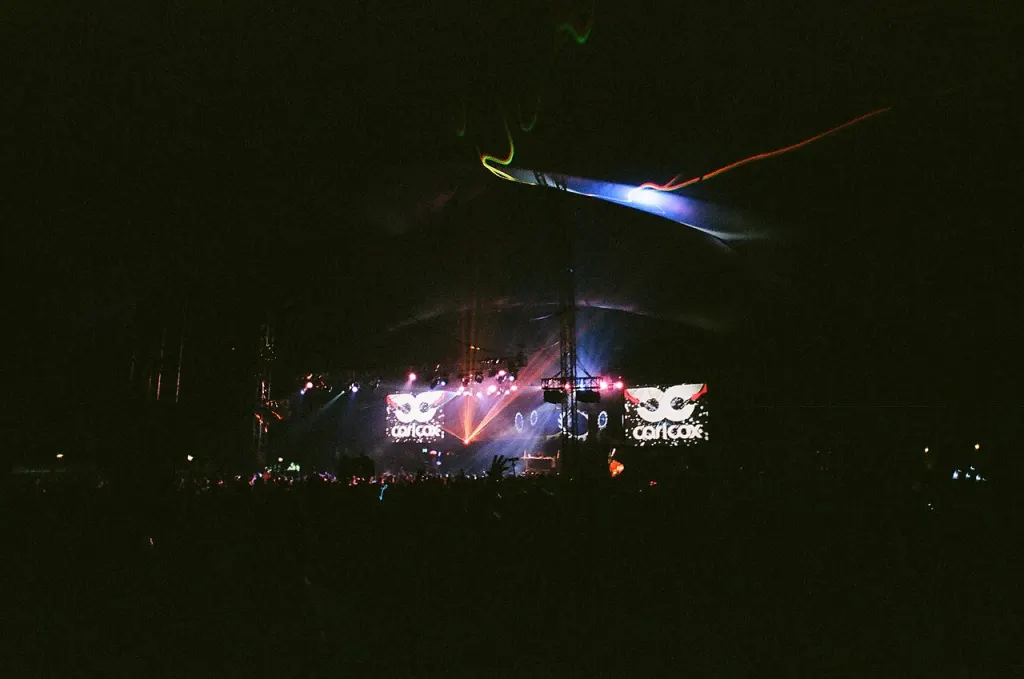
The mechanism has little to do with music. Festivals compete for a small number of names that reliably sell tickets, and that competition works like an auction. Meanwhile recorded music, which used to be the income, became promotion, so the live fee had to carry everything. Add the fact that for a lot of events a headline name is a marketing asset rather than a musical choice, and you get a market where a handful of people are priced as advertising while everyone else is priced as labour.
The encouraging counter trend is that the underground rebuilt its own economy at human scale: modest fees, real residencies, and crowds who come for the room rather than the name. Both markets are real. Only one of them needs you to be famous before it needs you to be good.
A Headline Fee Is Not Take Home Pay
Treating the headline number as the DJ’s income is where most of the confusion starts. A quoted fee typically absorbs an agent’s cut, travel and accommodation for everyone on the road, visas and work permits where they apply, tax withheld in the country of the show, management, and the days on either side that can’t be sold to anyone else. What arrives is a fraction, and a DJ flying long haul for one show can clear less than a busy local resident playing four nights at home.
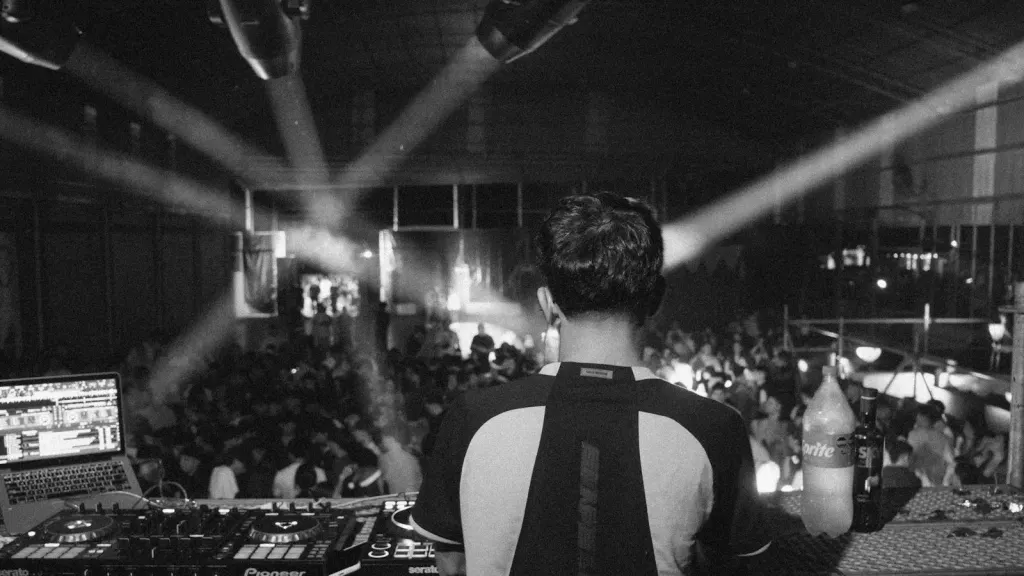
The real change I saw came with teams. Once a DJ has a manager, an agent, a tour manager and a social media person travelling with them, everyone needs flights, hotels and a cut. In my experience, once there’s a team, the price is always going to quadruple. The riders changed too, from a music setup and a table to the kind of demands we read about from some artists today.
This is why fee comparisons across scenes are close to meaningless, and why a number screenshotted from a rider tells you nothing about anyone’s life.
Why the Big Names Left Seoul’s Clubs
I’ll describe behaviour here rather than quote local figures, because published price talk goes stale and I’m not the person to advise anyone on their finances. Start with the door. Korean venues hand out a great deal of free entry, which thins door revenue and limits what any room can pay, however busy it looks. Tiger Disco has said this publicly, comparing Korea with Japan, and every operator I know says a version of it privately. A packed Seoul room isn’t the same as a profitable one.
The Same Fee, Priced in Won
What a US$10,000 booking costs a Seoul promoter at each year’s exchange rate
같은 출연료, 원화로 보면
Why it mattersThe artist’s price never moved, but the promoter now needs about 29 percent more won to pay it. The room, the ticket price and the bar takings in Korea did not rise to match. That gap explains why the big names left the clubs for the festivals.
Then the currency. The fees above are quoted in foreign money, mostly US dollars. A Korean promoter earns won, and the won has moved a long way since 2014: from an average of about 1,053 to the US dollar that year to about 1,359 at the close on 3 September 2026. The artist’s price didn’t move, but the room, the ticket price and the bar takings didn’t rise to cover the gap. That, more than anything else, is why the big names stopped playing Korean clubs and now appear here almost only at festivals.
Two other things shape the market. Corporate work pays multiples of club work, which is true almost everywhere, but the gap is unusually wide here, and it’s why a lot of good Korean DJs subsidise their club nights with company events. There’s no shame in it. And the international visitor economy runs on a separate scale from the domestic one, in the same room, on different nights.
Since COVID, the steady stream of one night international bookings has dried up. To see an international DJ in Korea now, you usually go to one of the half dozen international DJ festivals each year. Smaller rooms like Cakeshop and Soap still bring artists in, and more venues should. Unless the artist is already a superstar, an international booking is now close to a guaranteed loss, but mid level DJs are still worth it for the sounds they bring and what local DJs learn from them. The smart ones treat a Seoul date as part of a promotional tour. I’ve worked through the numbers, night by night, in where the money goes.
If You’re Being Booked, or Doing the Booking
For DJs: agree the number, the currency, who pays the tax, who covers travel and accommodation, and when payment lands, in writing, before you travel. Vagueness at the booking stage is where people lose money, and being direct about it early reads as professional rather than difficult. If the sums are large enough to matter, take proper advice, because I’m a DJ and not an accountant.
For bookers: what you’re buying at the top of the market is risk reduction, and that’s a legitimate purchase. Just be clear with yourself whether you need a name that sells the room or a DJ who can play it, because the difference between the two is usually the whole budget.
Frequently Asked Questions
How much of the fee does a DJ take home?
Far less than headline fees suggest. A quoted fee typically covers agent commission, travel and accommodation for the touring party, visas, tax withheld where the show takes place, management and the unsellable days either side. What the DJ keeps is a fraction, and a touring DJ flying long haul for one show can end up with less than a busy local resident.
Why did top DJ fees rise so much?
Because superclubs, then Las Vegas casinos, then festivals competed for a small pool of names that reliably sell tickets, which works like an auction, while recorded music shifted from income to promotion, leaving the live fee to carry everything. At the very top, a name is bought as a marketing asset rather than a musical choice.
Why don’t big international DJs play Seoul clubs any more?
Fees are set in US dollars, and the won weakened from about 1,053 to the dollar in 2014 to about 1,359 in September 2026, so the same fee costs a Korean promoter close to 30 percent more. Widespread guest lists also cap what a room earns. Most big names now come to Korea for festivals, while smaller rooms like Cakeshop and Soap still book international artists.
How much does Carl Cox charge for a set?
Carl Cox’s normal fee was about £1,000 in 1996, according to Mixmag. Two decades later it ran to six figures, which is the whole superstar DJ story in one career.
Further Reading
- 909originals: Mixmag’s 1996 DJ fee list: the original “has clubland gone too commercial” piece, with every big name’s going rate.
- What We Started (2017): the documentary that sets Carl Cox’s rave era career against Martin Garrix’s festival career.
- Forbes: The World’s Highest Paid DJs 2019: the last snapshot of the top end before the pandemic, with The Chainsmokers at US$46 million.
- Billboard: Calvin Harris’s Las Vegas deal: how the casino residency model locked in superstar pay.
- DJ Mag: the clubs, festivals and DJs shaping South Korea: a 2019 snapshot of which Seoul rooms were still flying in international names.
- Red Bull Music Academy lectures: hours of DJs talking candidly about the business side of their careers.
- Wikipedia: Carl Cox: his career from British raves to global headliner.
- Wikipedia: Sasha: one of the first British superstar DJs.
- Wikipedia: Superclub: the era that drove DJ fees up in the 1990s.
- Wikipedia: Renaissance: the club night where Sasha was an early resident.
- Wikipedia: the Las Vegas Strip: where casino clubs reset DJ pay in the 2010s.
- Where the money goes in dance music
- How the DJ set went from one hour to twelve
Sources
909originals: Money, money, money, has clubland gone too commercial? Mixmag, November 1996
The Guardian on the superclub era, February 2019
Billboard: Forbes highest paid DJs 2014
Forbes: DJ wars, inside the Las Vegas battles for top electronic music talent, August 2013
Rolling Stone: Tiësto commits to long term residency in Las Vegas
Billboard: 2020 IMS Business Report on the impact of COVID-19
The Guardian: festival organisers sound alarm, December 2023
FRED: South Korean won to US dollar, annual averages
Financial News: won and dollar exchange rate, 3 September 2026
Written from Seoul, by someone who has been in the booth for more than twenty years. More on the site, or book a DJ.
Stay in the Loop
New writing on DJ culture, electronic music, and the Seoul underground, delivered when it matters.
More From The DJ Diaries



Play with the history
Four tools built from the same research as this site.
You Might Also Like

Quick answers
How much do superstar DJs charge in 2026?
A top international act earns roughly 80,000 to 250,000 US dollars for a major festival headline, and an A-list superstar DJ 250,000 US dollars and above. The very top fees come from casino nightclubs, private events, corporate parties and luxury resort bookings rather than club nights.
How much did DJs earn in the 1990s?
Mixmag’s November 1996 fee list put the biggest UK names, Carl Cox and Sasha among them, at about £1,000 to £1,500 for a normal club booking, with Todd Terry at £5,000 and New Year’s Eve bids up to £15,000. Two decades later, the top tier was earning six figures a night.
Why did DJ fees rise so fast?
Competition between UK superclubs like Ministry of Sound, Cream, Gatecrasher and Home pushed top fees from around £1,500 in the mid-1990s into five figures by the 2000s. Then the EDM boom and Las Vegas residencies created a new tier, with casino clubs paying the biggest names hundreds of thousands of dollars a night.
Did DJ fees recover after COVID?
Yes. Promoters offered lower fees when the industry reopened in 2021 and 2022, but by 2023 top-tier bookings paid 10 to 20 percent more than the same booking in 2019.