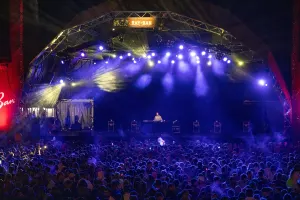
On 27 February 2026, at Alexandra Palace, Thomas Bangalter and Fred again.. closed their b2b set on “One More Time.” Five years after Daft Punk split, a song from 2000 was still the record to end the night on.
“One More Time” reached people who had no interest in dance music and made them want to move. That was Daft Punk’s real achievement: for twenty eight years they made records that invited everyone onto the floor, on purpose, with enough craft to reward the people who were already there. More than twenty years of playing records have taught me how rare those moments are. Then, in February 2021, two robots walked into a desert and it was over.
Homework Made Two Paris Kids Impossible to Ignore
Thomas Bangalter and Guy-Manuel de Homem-Christo met as teenagers at school in Paris. Their first band was a guitar group called Darlin’, and it lasted about six months. A British music paper, Melody Maker, dismissed it as “a daft punky thrash.” They kept the insult as a name and started again as a duo.
Daft Punk, 1987 to 2021
From a bad review to the robots walking away
- 11987They meet at school in Paris Thomas Bangalter and Guy-Manuel de Homem-Christo
- 21992Darlin', and a bad review Melody Maker calls it a daft punky thrash
- 3Jan 1997Homework UK No. 8
- 4Mar 2001Discovery UK No. 2
- 514 Jun 2007Alive 2007 Recorded at Bercy, Paris. Grammy in 2009
- 62013Random Access Memories Get Lucky reaches UK No. 1
- 722 Feb 2021The robots walk away The end of the duo
Daft Punk never played a concert in Korea. Newsis called them the act Korean fans most wanted to see live.
5 Grammys in one night on 26 January 2014, including Album and Record of the Year for Random Access Memories.
2.25 million UK chart sales for Get Lucky, the 45th best selling single in UK history, and over 1 billion Spotify streams.
Sources: NME · Official Charts · MusicTech
What they were listening to mattered more than what they had been playing. Chicago house was the blueprint: music made on cheap machines that still swung, still breathed, still hit you in the chest. They took that lesson into a home studio in Paris, which is where the title of their first album comes from.
Homework landed in January 1997. “Da Funk” and “Around the World” did something many producers chase and few catch: they worked in the club and on the radio at the same time, and reached No. 7 and No. 5 in the UK.
Listen to “Around the World” on a big system. One bassline, one filtered vocal phrase, repeated until the repetition becomes the hook. It’s house music stripped to a single idea and trusted to carry seven minutes, and it made two French kids impossible to ignore.
The Helmets Kept the Eyes on the Music
Their own story says the robots were born on 9 September 1999, when a studio bug wiped their work and they had to start again. Whatever happened in that room, the helmets that came out of it changed how electronic music thought about identity.
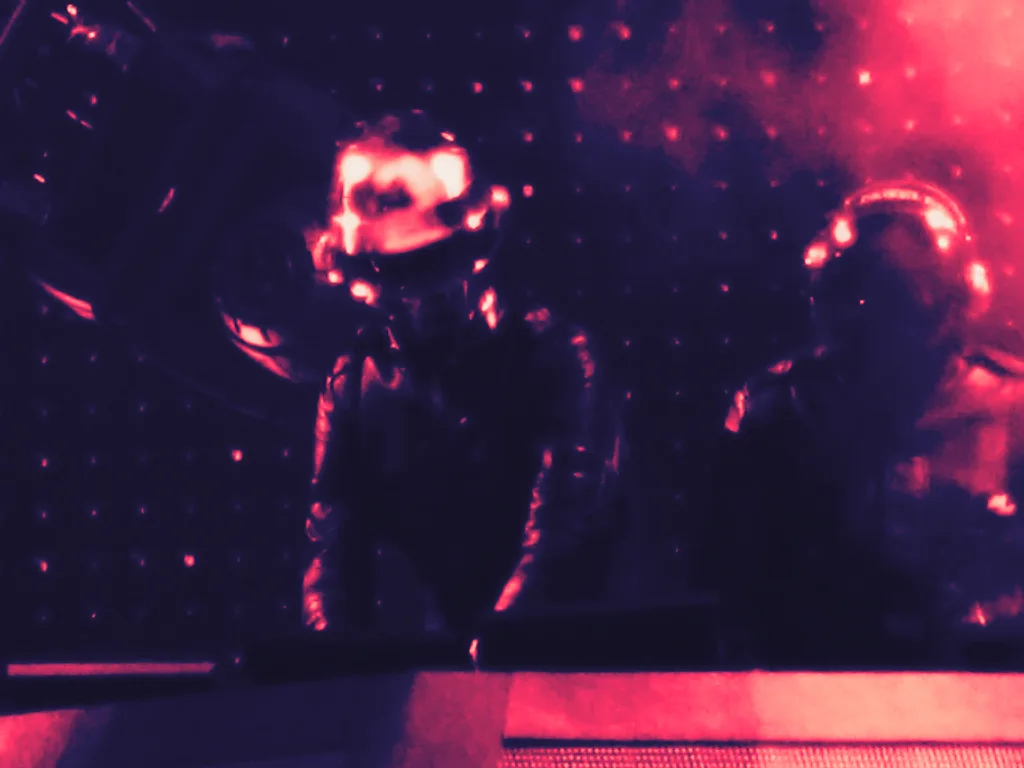
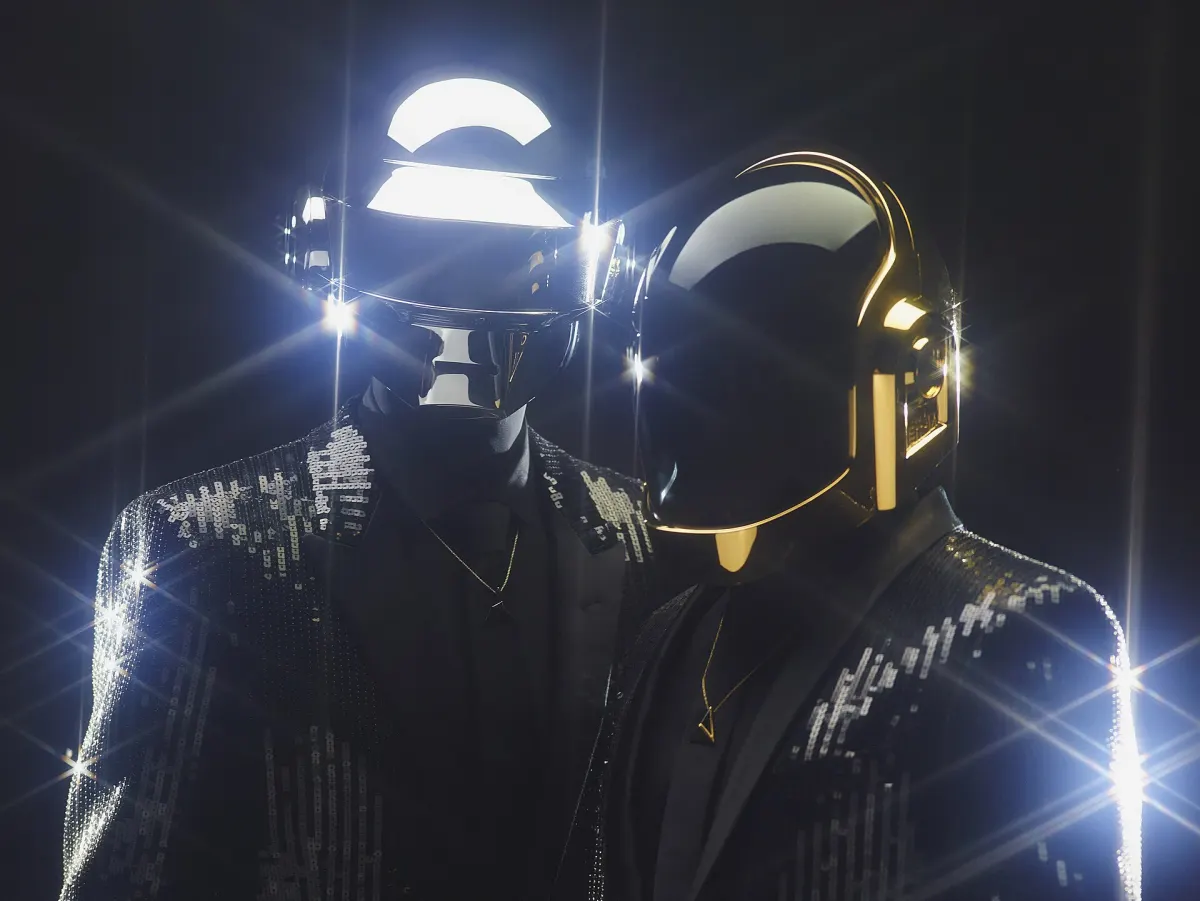
Take away the faces and all that’s left to look at is the music. The late 1990s were exactly when DJ culture began selling personalities. Daft Punk went the other way, and the anonymity made them more iconic, not less. You can close your eyes and see those helmets right now.
For DJs, the lesson is simple. I’ve spent years watching producers stumble because they confused their brand with their face. The robots never did.
Discovery Was the Invitation
Discovery, released in March 2001 and a UK No. 2, is the record that matters most. What stands out, listening to it all the way through, is the generosity. Nothing on it suggests the music was only for the converted.
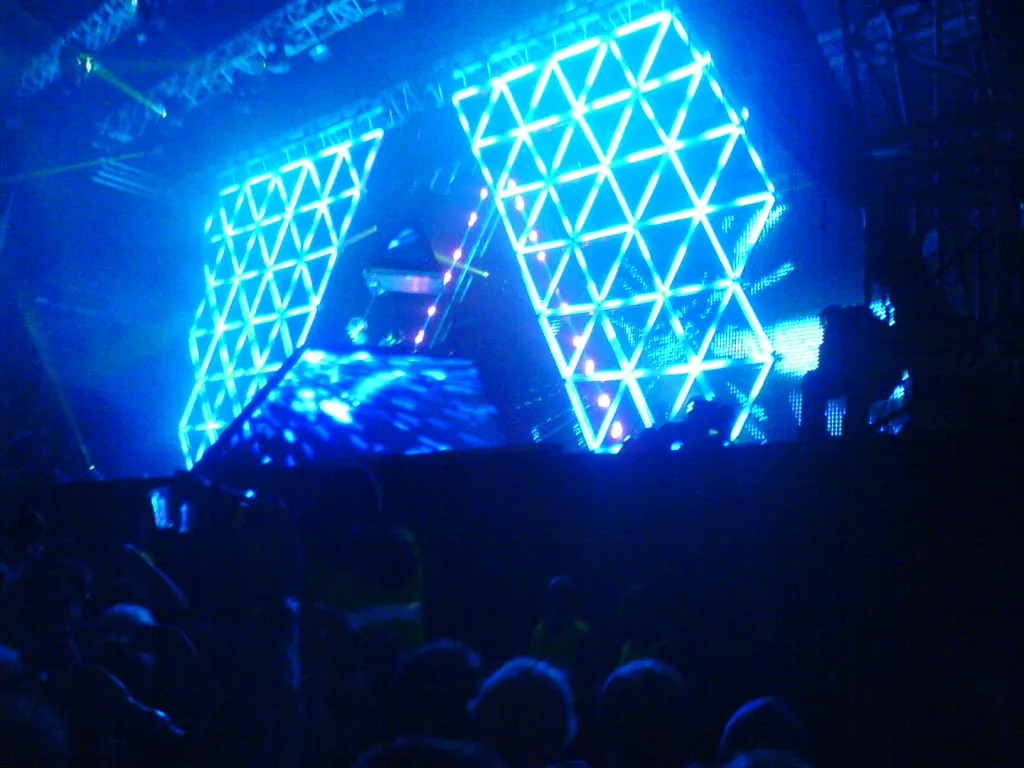
“One More Time” became a cultural phenomenon: a four to the floor track with Romanthony’s processed vocal riding the melody, a chorus that worked like a chorus, and a UK No. 2 that got played at weddings and graduations by people who would never set foot in a club.
The craft is in the sources. They pulled samples from dusty soul and disco records and treated them as raw material rather than quotation. “Harder, Better, Faster, Stronger” bent a funk riff from Edwin Birdsong’s “Cola Bottle Baby” into a house steamroller, and Kanye West later sampled it for “Stronger.” “Digital Love” might be the masterpiece: the melody leads, the beat follows, and more than two decades later it hasn’t aged a day.
Vocoders used as instruments, samples used as composition. The Recording Academy credits the album with shaping a generation that runs through Ed Banger Records, Madeon, Porter Robinson and Disclosure. The same ear was already at work in 1998 on Stardust’s “Music Sounds Better With You,” the French touch classic Bangalter made with Alan Braxe and Benjamin Diamond.
Alive 2007 and Random Access Memories Raised the Bar Twice
With Alive 2007, they made a live album I rate above their studio work. Recorded at Bercy in Paris on 14 June 2007, it’s a rebuild rather than a run of live versions. Tracks are cut into each other, stacked, mashed up and pulled apart on samplers and machines, so the whole night plays as one piece. It won the Grammy for Best Electronic/Dance Album in 2009.
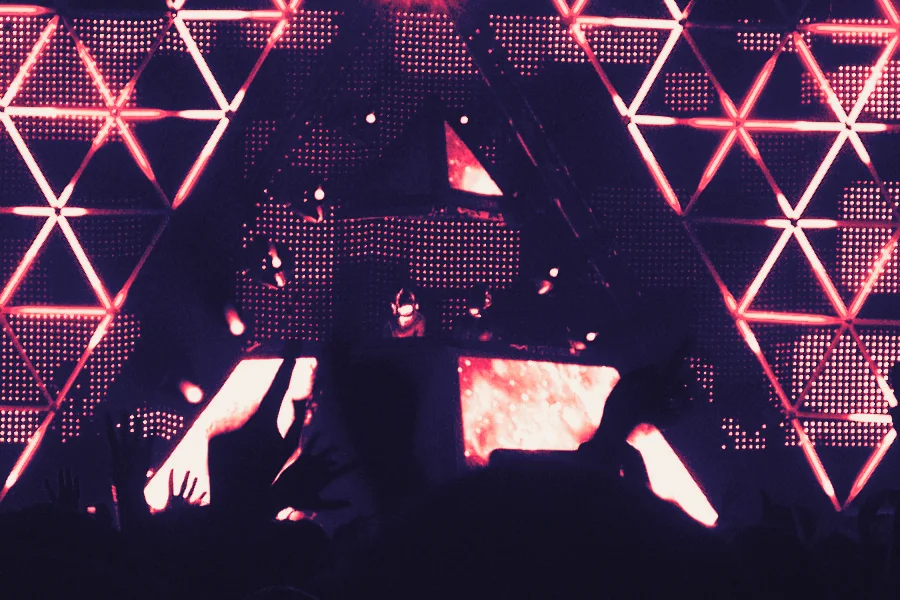
For DJs, it’s required study. It shows how to think of a set as one artistic work rather than a sequence of songs. The album spent years on my turntable as a reference point for how I built my own longer sets.
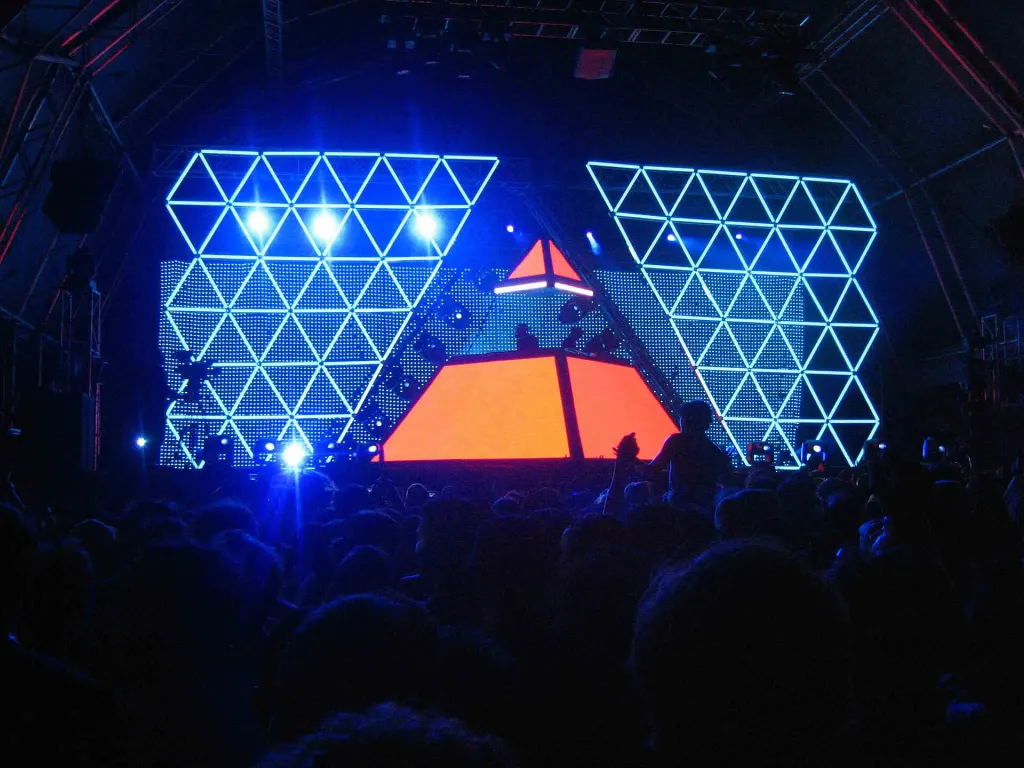
Eight years after Human After All, Random Access Memories arrived in 2013 and changed temperature. Discovery reached forward; this album looked back. They swapped samples for session players in rooms in Los Angeles, New York and Paris, then edited the live performances the way they used to edit records. One of their engineers said they wanted to inspire kids to pick up real instruments again.
“Get Lucky” is the proof: Nile Rodgers’ guitar, Pharrell’s easy vocal, and an arrangement only electronic producers would build. It became their only UK number one, and the album won five Grammys at the 2014 ceremony, including Album of the Year. I don’t usually measure art by awards, but that one mattered. Two artists in robot helmets had changed what was possible in popular music.
The Band Seoul Never Saw
On 22 February 2021, an eight minute video called Epilogue appeared on their channel: footage from their 2006 film Electroma, two robots in a desert, one detonating, the other walking on, then a triangle and two numbers, 1993 and 2021. Their publicist confirmed the split and gave no reason. No farewell tour, no greatest hits. It was how they had done everything: with clarity, with intention and without comment.
Here’s the strange part of the Korea story. Daft Punk never played a concert here. When they split, Newsis (뉴시스) called them the act Korean fans most wanted to see live, and noted that Sony Music had run promotional events here for Random Access Memories; CBS Nocut News (노컷뉴스) noted Discovery had been a hit in this country. So the influence came through records, not shows. I’ve watched firsthand how deeply Daft Punk shaped electronic music culture in Seoul. You can hear it in how Korean producers build tracks and in the clubs of Seoul’s nightlife districts: the attention to detail, the sense that nothing should be accidental. When they broke up, I had conversations with Korean DJs who felt it as a real loss, because the duo stood for a certain idea of what electronic music could be.
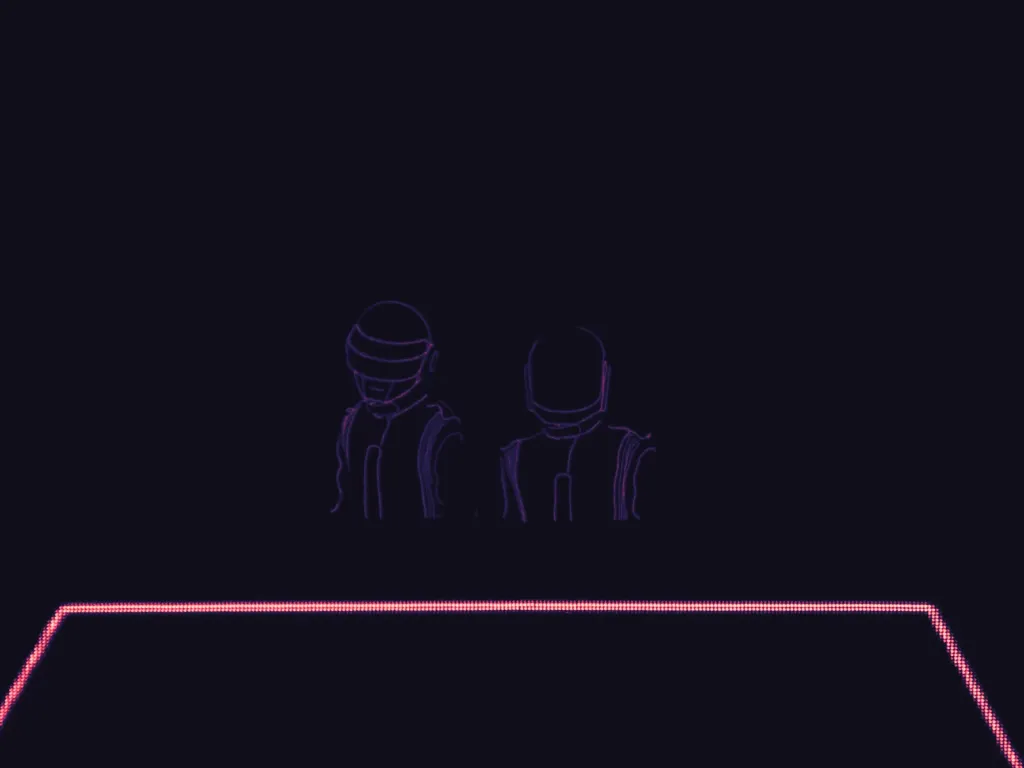
The ghost keeps moving, though only one half of it. Bangalter played his first public DJ set since 2009 at the Centre Pompidou in Paris in October 2025, then the b2b with Fred again.. in February 2026. A 4K remaster of Electroma premiered at the Tribeca Festival on 8 June 2026. His ballet score Mirage: Ballet for 16 Dancers came out on 5 June 2026, and on 21 June he turned up as a surprise guest in Rampa’s Art Basel afterparty set, playing Daft Punk classics alongside Giorgio Moroder and Chic. Asked by The Times about a reunion, he said no: “There are other things to explore.”
Go Back and Listen
Every time I prepare for a set, I find myself going back to their records as a reference.
Daft Punk’s Key Tracks on the UK Chart
Peak position on the Official Singles Chart
다프트 펑크 주요 싱글의 영국 차트 최고 순위
| Track | Year | UK peak |
|---|---|---|
| Da Funk | 1997 | No. 7 |
| Around the World | 1997 | No. 5 |
| One More Time | 2000 | No. 2 |
| Digital Love | 2001 | No. 14 |
| Harder, Better, Faster, Stronger | 2001 | No. 25 |
| Get Lucky | 2013 | No. 1 |
| Starboy, with The Weeknd | 2016 | No. 2 |
How to read itTheir only UK number one came twelve years after Discovery. “Harder, Better, Faster, Stronger” peaked at 25, and Kanye West still built “Stronger” on it.
Start with “Around the World” and count how little is in it. Play Discovery front to back, loud, and listen for the samples you can’t place. Put on Alive 2007 and treat it as a DJ set, because it’s one. Finish with “Touch” from Random Access Memories, proof they were still willing to experiment at the very end.
What I tell younger DJs, when we talk about the history of DJing, is that Daft Punk mattered because they took electronic music seriously in a way that forced the rest of the world to take it seriously too. Do the work, with intention and with craft. More on that in my guide to building a set.
Frequently Asked Questions
When did Daft Punk break up?
On 22 February 2021, with an eight minute video called Epilogue that reused footage from their film Electroma and ended on the years 1993 and 2021. Their publicist confirmed the split and gave no reason. In June 2026 Thomas Bangalter told The Times there were no plans for a reunion.
What was Daft Punk’s most successful album?
Random Access Memories (2013). It went to No. 1 in the UK and won five Grammys at the 2014 ceremony, including Album of the Year. Discovery (2001) is the one most often named as their most influential.
Why did Daft Punk wear helmets?
To keep the attention on the music rather than on themselves as personalities. Their own origin story dates the robots to a studio accident on 9 September 1999.
Did Daft Punk ever play in Korea?
No. Korean press coverage of their split in 2021 noted they never performed a concert here and called them the act Korean fans most wanted to see live.
Further Reading
- Fred again.. and What He Did to Electronic Music
- Dance Music Chart History
- The Seoul Sound: What Makes Korean Club Music Distinct
- A Brief History of DJing
- The Dance Music Timeline
- Find Your Era
Sources
American Songwriter: Behind the band name, Daft Punk
Official Charts: Daft Punk’s top 10 biggest songs
Synthtopia: Grammy awards announced, 2009
The Skinny: Daft Punk sweep the board at the Grammys, 2014
Sound On Sound: Recording Random Access Memories, July 2013
Recording Academy: Discovery at 20
Mixmag: Music Sounds Better With You reissue
Variety: Daft Punk have split up, publicist confirms, 2021
Newsis (뉴시스), on the split, 23 February 2021 (Korean)
CBS Nocut News (노컷뉴스): perfectionist craftsmen who left only four albums in 28 years (Korean)
Resident Advisor: Bangalter at the Centre Pompidou, October 2025
DJ Mag: Bangalter joins Fred again.. at Alexandra Palace, February 2026
Tribeca Festival: Electroma 4K remaster, 2026
Euronews: Bangalter announces Mirage, Ballet for 16 Dancers, 24 April 2026
DJ Mag: Bangalter plays surprise set with Rampa at Art Basel, 22 June 2026
DJ Mag: Bangalter on a Daft Punk reunion, 8 June 2026
Mixmag: Bangalter says Daft Punk will not reunite, June 2026
Credits and Rights
This article is about the work of Daft Punk, Thomas Bangalter and Guy-Manuel de Homem-Christo. Their catalogue is on Spotify and the official site is daftpunk.com. The helmets are their design and their trademark; nothing here is affiliated with or endorsed by them.
Rights, corrections and takedown. Images on this page are used editorially to illustrate writing about the artists and records discussed. Where a photographer or rights holder is identified, they’re credited above. If you hold rights in any image here, or if anything on this page is factually wrong about you or your work, get in touch and it will be corrected, credited properly or removed, promptly and without argument.
Featured image: Daft Punk performing in 2013. Photo: Dario Cantatore / Invision / AP, via Wikimedia Commons (CC BY 3.0).
Written from Seoul, by someone who has been in the booth for more than twenty years. More on the site, or book a DJ.
Stay in the Loop
New writing on DJ culture, electronic music, and the Seoul underground, delivered when it matters.
More From The DJ Diaries
Play with the history
Four tools built from the same research as this site.