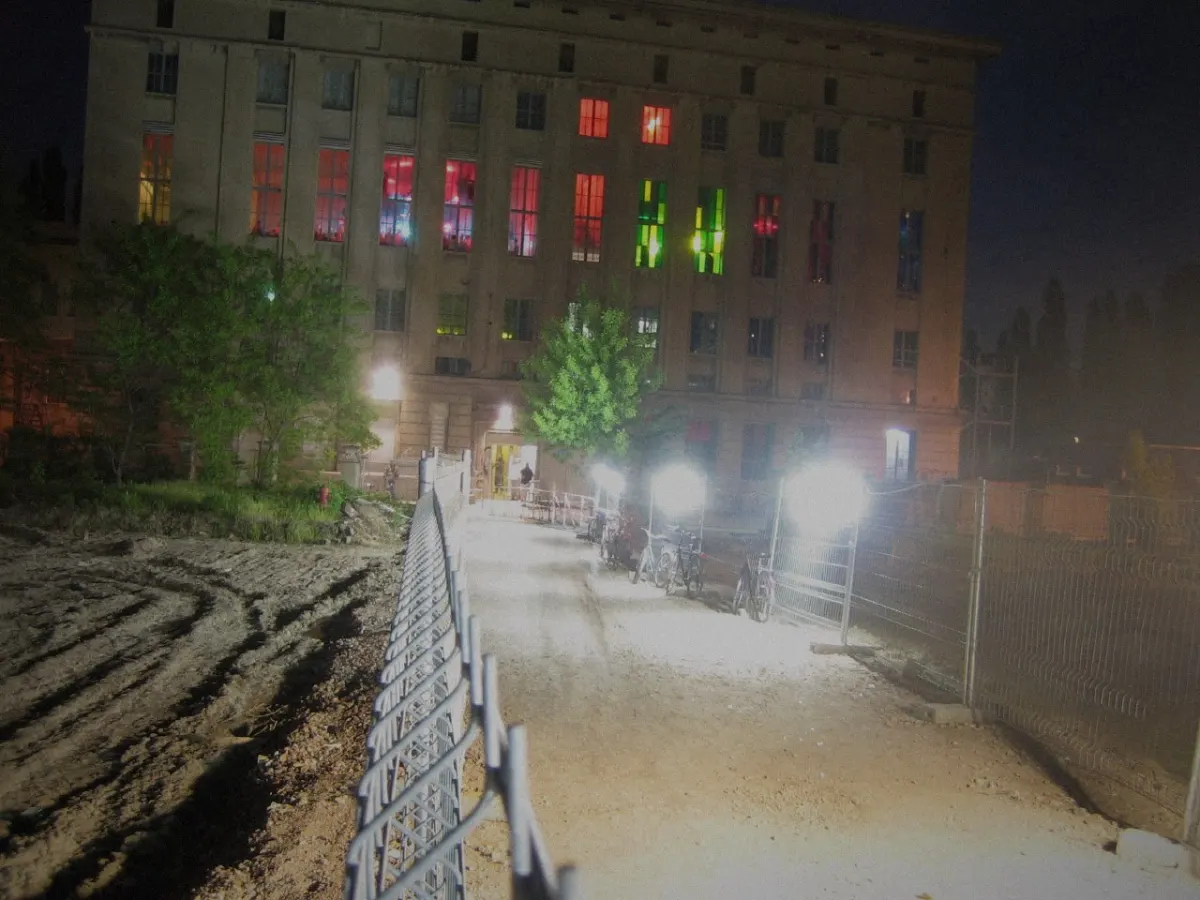
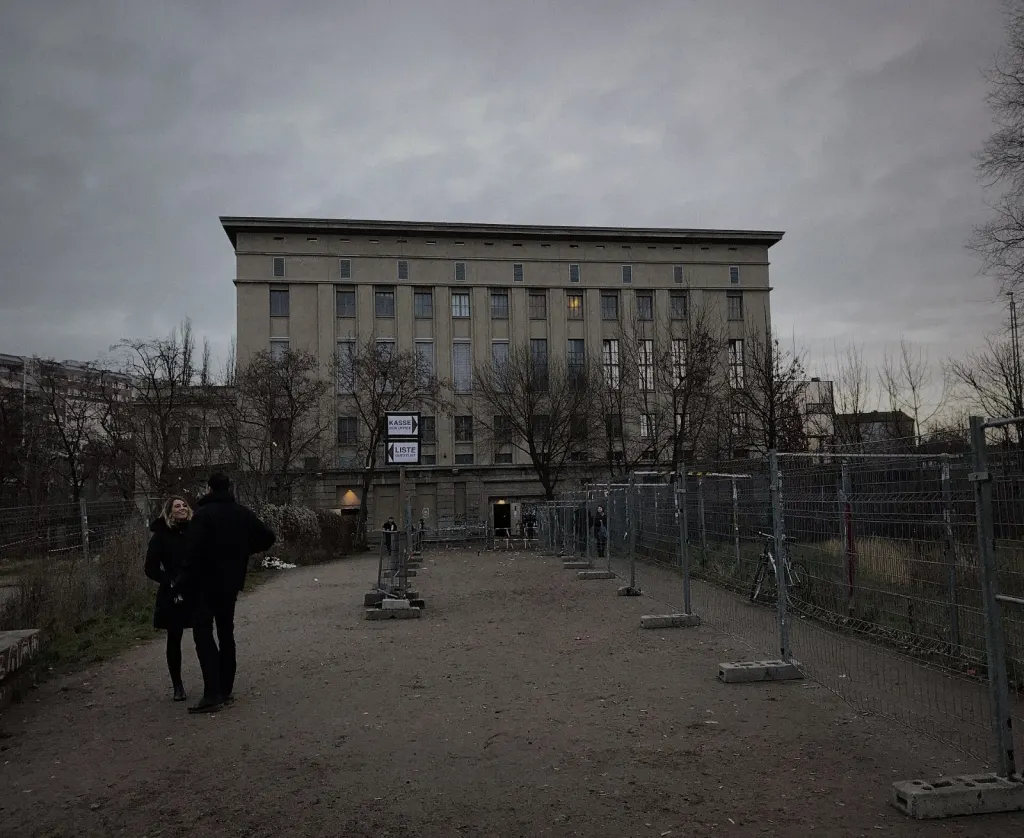
Since 2004, Sven Marquardt has worked the door at Berghain, the Berlin club with the most famous queue in the world. Over twenty years of nights, one man in the dark has decided who goes in and who turns back, and his decisions aren’t based on a checklist.
Berghain’s door gets talked about as exclusion. It’s better understood as curation: a way of keeping the room coherent so the people inside can dance without being watched. Seoul does the same job in a very different way, and most of the filtering here happens before you ever reach a door.
One Man, No Checklist
There’s no list of approved outfits or hairstyles at Berghain. There’s only Sven, assessing whether the person in front of him understands what the club is and whether they’re coming for the right reasons.
The door has generated an entire content genre: guides to getting in, blog posts and YouTube videos offering strategies for impressing the bouncers. Some say wear all black and no jewellery. Some say tattoos help. These guides are often accurate, and they miss the point. The door is looking at each person and judging whether they’ll add to the room or take from it.
What the house does spell out is behaviour. No photographs, no matching group outfits, no hen parties, no tourists who came for the Instagram story. Those rules protect something specific: a room where people go to dance, not to be seen dancing.
The Door Protects the Room, Not the Price
Berghain isn’t expensive by club standards. The Berliner reported that the standard door price rose to €25 in 2022, from €15 not long before, and that a single €30 weekend in September 2023 caused an outcry. The door isn’t filtering for money.
Berghain’s Door Price
Standard entry, in euros
베를린 베르크하인 입장료
The ruleA modest price and a hard door: the selection is about the room, not the wallet.
What it filters for is people who understand that Berghain isn’t a show and isn’t designed for observation. It’s a room where you dance in the dark surrounded by people who are also there to dance, and the door protects that social contract.
Plenty of clubs have tried to copy it since. Most fail because they copy the look of the Berghain door without its purpose. A club that rejects people for wearing the wrong clothes is performing prestige, not protecting anything. The test is whether the selection makes the room better or only makes the rejection memorable.
A Door Does Three Jobs
You can hear a door policy from the booth. By one in the morning a curated room is already dancing as one, because everyone inside chose the same thing on purpose. An open door room on the same night is three rooms sharing one address: a dancefloor, a photo shoot and a queue for the bar, each politely ignoring the others. Neither is wrong, but they need different DJs, and pretending otherwise is how bad nights happen.
From the operating side, a selective door is a tool. It sets the ratio: a room that admits whoever is at the front of the queue ends up with whatever crowd queued earliest, which is rarely the mix that makes a floor work. It protects behaviour, not aesthetics, filtering for people who’ll treat the room and each other well. And it’s a capacity valve. Half the selectivity of any famous door is arithmetic: the room is full and the queue isn’t.
The polls, for what they’re worth, have cooled on Berghain. DJ Mag’s Top 100 Clubs for 2026 placed it 21st, still the only Berlin venue on the list, in a poll where South Korea added one new club. Its reputation was never built on rankings anyway. It was built on what it makes possible inside by being difficult outside.
Seoul Does the Same Job Before You Arrive
Seoul has almost no door like Berghain’s, and the reason says a lot about this city. The filter happens before you arrive. Korean venues programme and announce late, mostly on Instagram, so the crowd is already self selected: the people who turn up are the people following closely enough to know it was on. That does the work a door does elsewhere, without a confrontation.
How Berghain and Seoul Filter a Room
The same jobs, done at different points in the night
베를린과 서울, 문 앞의 세 가지 역할
| The job | Berghain | Seoul underground |
|---|---|---|
| Set the mix | One judgment per person at the door | Late Instagram announcements |
| Protect behaviour | No photos, no hen parties | An unwritten code regulars know |
| Cap the room | A long queue for a full room | Forty capacity rooms |
The ruleUnderground Seoul filters before you leave home. Gangnam filters at the door, for different reasons.
Small rooms filter by size, too. Forty capacity is its own policy. And the basement rooms run on an unwritten code everyone somehow knows, including where a room stands on cameras, which is why the door question and the photography question keep converging.
When Seoul’s clubs reopened in 2022, the operator of Itaewon (이태원) club RING told Esquire Korea (in Korean) that photos were banned so that nothing would disturb other people listening. That’s the Berghain rule, arrived at from the floor up.
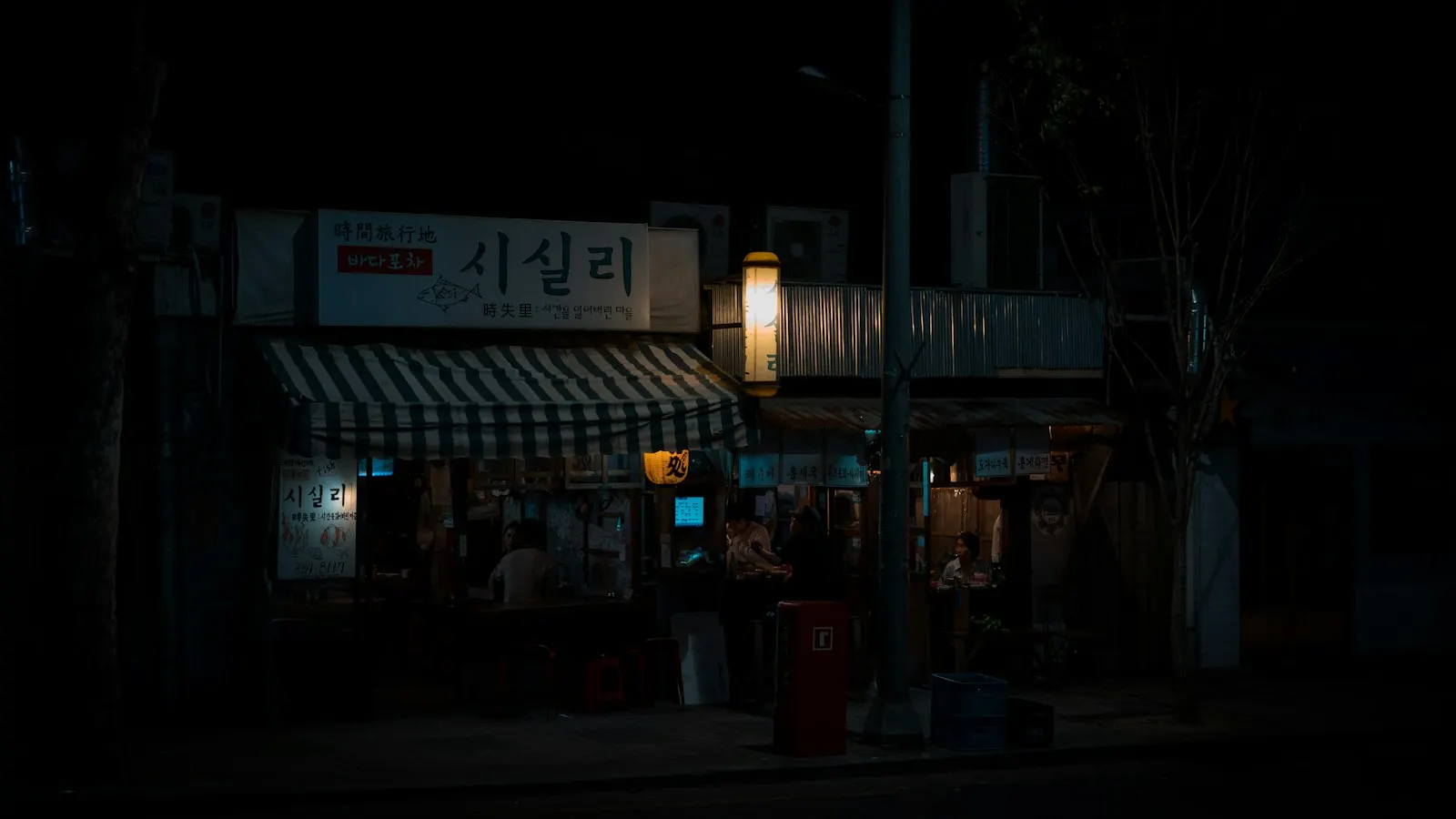
Where a Door Becomes Sorting
The exception is Gangnam (강남), where the large venues run real door selection tied to table service economics, and where foreign visitors have been refused entry. That’s a different thing from a Berghain door. It’s commercial sorting rather than crowd curation, and you should know it before you queue.
This is the critique worth taking seriously. A door can be an editorial position, and Sven Marquardt is still the best argument for that. It can also be a velvet rope with a nicer story attached. Our neighbourhood guide is honest about which rooms do which.
What to Do at a Seoul Door
If you’re refused anywhere in Seoul, walk away. Arguing at a Korean door has never once worked, and it carries a risk that isn’t worth it: any physical contact in that situation escalates fast, and the consequences land much harder on a foreign resident than on a local. A refusal is a bad night, not an injustice you can win at 2am.
Go early, or go with somebody the venue knows. Carry photo ID either way: Korea’s Juvenile Protection Act sets the line at 19 and counts by birth year, so everyone turning 19 this calendar year is admitted from 1 January, and doors do check. Both work better than dressing for a door that mostly isn’t there.
And don’t try to look like Berghain. Turning up to an Itaewon basement dressed for a Berlin door announces that you’ve read about club culture rather than taken part in it. Seoul rooms don’t care what you’re wearing, and that’s one of the best things about them.
Frequently Asked Questions
Do Seoul clubs have a door policy?
Most underground venues don’t, in the Berlin sense. The crowd is largely self selected because programming is announced late and mainly through Instagram, so the people who show up already follow the scene closely. The exception is the large Gangnam venues, which run genuine door selection tied to table service economics and have refused foreign visitors entry.
What’s a club door policy for?
Setting the balance of the room, filtering for behaviour rather than appearance, and controlling capacity. A famous door is often doing simple arithmetic, since a full room can’t admit a queue. At Berghain, where entry has been €25 since 2022, the selectivity protects what the venue makes possible inside, not the price.
What should you do if refused entry to a club in Seoul?
Leave. Arguing at a Korean door doesn’t work, and escalation carries a risk that falls far more heavily on a foreign resident than on a local. Door staff are managing their employer’s exposure rather than judging you. Going earlier, or going with someone the venue knows, works better than anything you can say at the door.
Further Reading
- How Korean club culture developed its own rules
- Club photography: ethics and aesthetics
- Going out in Seoul, neighbourhood by neighbourhood
- Wikipedia: Sven Marquardt
Sources
Wikipedia (German): Sven Marquardt
The Guardian: the world’s most infamous bouncers, April 2019
Mixmag: why clubs ban photos and videos on the dancefloor
NPR: Berlin clubs, techno, Berghain and KitKatClub, September 2022
The Berliner: the cost of clubbing crisis, November 2023
The Berliner: Berghain down to 21st place, 2026
DJ Mag: Top 100 Clubs 2026, the poll results
Esquire Korea: Seoul clubs reopening, 2022 (Korean)
Korea Legislation Research Institute: Juvenile Protection Act
Written from Seoul, by someone who has been in the booth for more than twenty years. More on the site, or book a DJ.
Stay in the Loop
New writing on DJ culture, electronic music, and the Seoul underground, delivered when it matters.
More From The DJ Diaries

Play with the history
Four tools built from the same research as this site.