In May 1982 a record label opened a nightclub in a former yacht builder’s warehouse in Manchester and gave it a catalogue number, FAC 51, as if it were just another Factory release. The Haçienda lost money nearly every year of its fifteen, and it became the most important nightclub in the history of British popular music.
Both statements are true at once, and that’s the lesson. A club’s cultural importance shows up after it closes, in everything it made possible. No venue makes the case more completely, or more expensively.
A Record Label’s Expensive Idea
The Haçienda opened in Manchester in May 1982, catalogue number FAC 51, funded by Factory Records and, overwhelmingly, by New Order’s record sales. It was designed by Ben Kelly, who had never designed a club, as an industrial cathedral: hazard stripes, girders, a vast cold floor in a former yacht builder’s warehouse.
The Haçienda, Open to Close
From FAC 51 to the flats, and the name’s long afterlife
하시엔다, 개장부터 폐업까지
| When | What happened |
|---|---|
| May 1982 | Opens in Manchester as FAC 51, funded by Factory and New Order |
| 1986 | Mike Pickering’s Nude night begins |
| 1988 | Ecstasy arrives and the floor fills: the Second Summer of Love |
| 1991 | Closes briefly, reopens behind metal detectors |
| 28 June 1997 | The last club night |
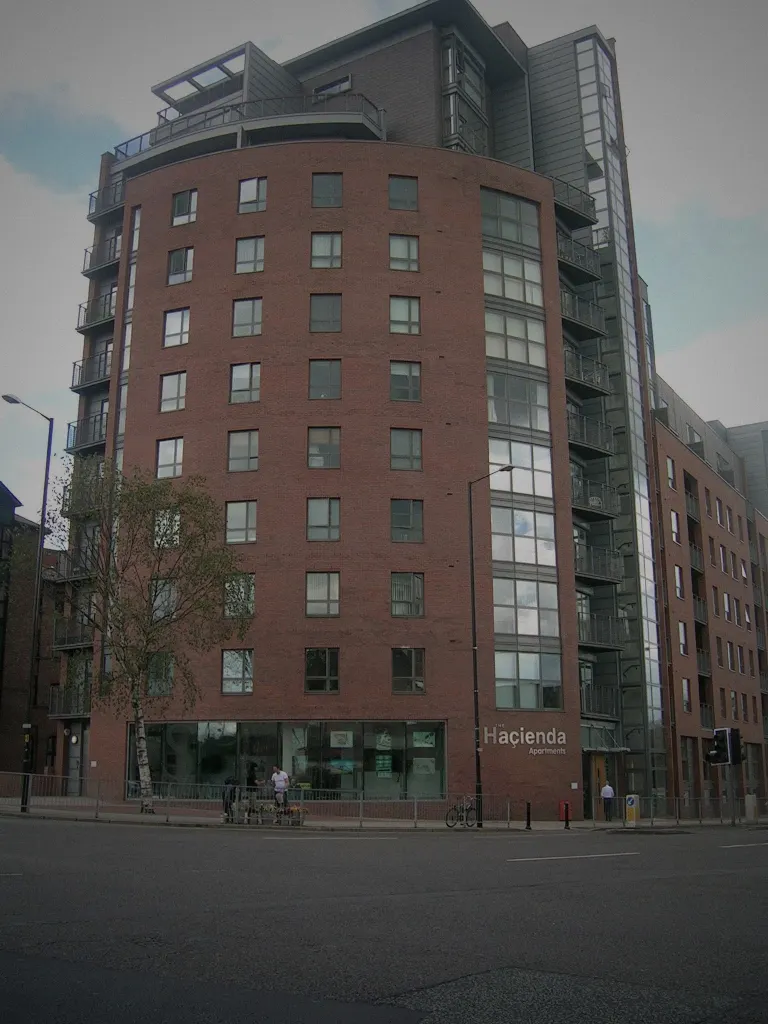
| 2002 | Demolished; flats keep the name under licence from Peter Hook |
| January 2026 | FAC51 The Haçienda brings Basement Jaxx and Peter Hook to Bangkok |
The ruleFifteen years of losses, by Peter Hook’s later count up to £18 million, and the name is still selling tickets.
The building was ruinously expensive to convert and maintain, the bar was underpriced, and the door was famously porous. On the books it was a catastrophic failure that lost money nearly every year of its fifteen. On the culture it was the most important nightclub in the history of British popular music.
House Music Turned an Empty Floor Into Madchester
For its first five years the Haçienda was often half empty, a live venue in a city that didn’t yet know what to do with it. What changed was house music. Manchester DJs, Mike Pickering (whose Nude night began in 1986) and Graeme Park chief among them, started importing Chicago and Detroit records into the Friday and Saturday programmes, and when ecstasy arrived in 1988 the room detonated.
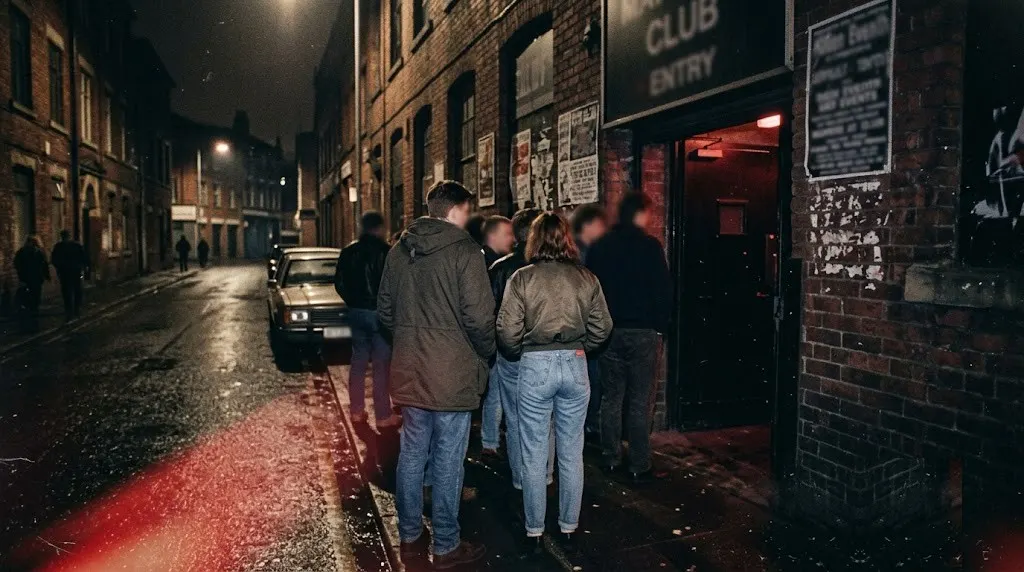
The Second Summer of Love had its northern capital. Madchester, the moment Manchester’s working class audience fused house music, guitar bands and a specific swagger, poured out of that one floor into the Happy Mondays, the Stone Roses and a national youth culture. Without the room, Madchester might have stayed a regional accent; with it, Britain reorganised its pop culture around a dancefloor for half a decade. It belongs with the other cities that built electronic music.
The Same Wave That Filled the Floor Killed It
Ecstasy took the bar take to almost nothing, since people on pills barely drink, while gang violence around the drug trade brought guns to the queue and security costs the club couldn’t carry. Greater Manchester Police pushed licence reviews. The club closed briefly in 1991 and reopened behind metal detectors.
It limped to a final night in June 1997 before demolition made way for the inevitable: an apartment block trading on the name, the fate I keep returning to in why clubs die. Factory Records had already collapsed. The last club night was on 28 June 1997, the building was demolished in 2002, and the developer kept the Haçienda name for the flats under licence from Peter Hook. The money was gone, and the myth was just getting started.
What the Failure Bought
Count what the loss purchased. A generation of British DJs learned their trade on that floor, many of them through weekly residencies, and the rave explosion of 1988 to 1994 is unimaginable without the Haçienda normalising house music for a mainstream northern crowd. The idea that a club could be an architectural and cultural statement, more than a drinking shed with a DJ, runs straight from Ben Kelly’s girders to every purpose built room since, including the speakers as architecture tradition.
The business lesson became the standard cautionary tale: the economics of dance music reward everyone except the room that makes the culture. Peter Hook’s famous accounting, that every customer effectively cost the band money (he later put the club’s losses at up to £18 million), is the epitaph. The punchline is that it was worth it. The name still sells, too: in January 2026 FAC51 The Haçienda took over a 2,000 capacity Bangkok venue with Basement Jaxx headlining and Peter Hook and 808 State on the bill, its biggest production in Thailand so far.
Seoul’s scene has its own version of this argument, and I wrote it up in the Cakeshop essay: the rooms that matter most are rarely the rooms that profit most. For Seoul readers, Cakeshop, the Itaewon (이태원) basement club running since 2012, was still operating and featured in Mixmag Asia’s October 2025 Seoul clubbing guide.
Frequently Asked Questions
What was the Haçienda nightclub?
The Haçienda was a Manchester nightclub that opened in May 1982, catalogue number FAC 51, funded by Factory Records and above all by New Order record sales. The designer Ben Kelly, who had never designed a club, turned a former yacht builder’s warehouse into an industrial cathedral of hazard stripes and girders. Over fifteen years it became the most important nightclub in the history of British popular music.
Why did the Haçienda lose so much money?
The Haçienda lost money nearly every year because the building was ruinously expensive to convert and maintain, the bar was underpriced and the door was famously porous. When ecstasy arrived, the bar take fell to almost nothing, since people on pills barely drink. Gang violence around the drug trade then added security costs the club couldn’t carry.
Why did the Haçienda close?
The Haçienda closed for good after a final night on 28 June 1997, worn down by gang violence, security costs and years of losses. It had already closed briefly in 1991 and reopened behind metal detectors. The building was demolished in 2002 and replaced by an apartment block trading on the name, a common ending explored in why clubs die.
How did the Haçienda create Madchester?
House music turned the Haçienda from a half empty live venue into the northern capital of the Second Summer of Love. DJs led by Mike Pickering and Graeme Park brought Chicago and Detroit records into the weekend programme, and when ecstasy arrived in 1988 the room detonated. Madchester poured out of that floor into the Happy Mondays, the Stone Roses and a national youth culture.
Further Reading on The DJ Diaries
- Acid House and the Second Summer of Love
- Why Clubs Die
- Where the Money Goes in Dance Music
- The Cities That Built Electronic Music
- Seoul Scene: Cakeshop
Sources
BBC Manchester, Haçienda facts, 2007
Manchester Evening News, the Haçienda at 40
The Vinyl Factory, 10 records inspired by the Haçienda
The Guardian, on the demolition, August 2002
Electronic Groove, The Haçienda brings Basement Jaxx and Peter Hook to Bangkok, January 2026
Written from Seoul, by someone who has been in the booth for more than twenty years. More on the site, or book a DJ.
Watch and listen: The Hacienda, legendary Manchester nightclub
Follow the rooms: Cakeshop on Instagram
Stay in the Loop
New writing on DJ culture, electronic music, and the Seoul underground, delivered when it matters.
More From The DJ Diaries
Play with the history
Four tools built from the same research as this site.