Goa trance wasn’t designed for superclubs. The superclub era took the BPM and the euphoria and left the rest behind.
Paul Oakenfold was one of the British DJs who found the Goa beach parties in India around the turn of the nineties, and heard music he hadn’t encountered before: a slow-building, hypnotic synthesis style that had been developing in that specific context for years. He became one of its loudest champions back in the UK, through his Perfecto label and his 1994 Goa Mix on Radio 1. What emerged when that sound met the UK and German trance scenes, faster and more commercial, was one of the most commercially successful dance music forms of the 1990s.
Trance
From beach parties in Goa to the superclubs, and back to 138
130 to 150 BPM. German trance sat at 130 to 140. Goa ran up to 150. The revival lives at 138. House, 120 to 130, for reference.
- Born
- Goa, and in parallel in Frankfurt and Berlin, early 1990s
- The room
- Cream, Ministry of Sound and Gatecrasher, late 1990s
- Key record
- Paul van Dyk, For an Angel (1994)
- Listen for
- Arpeggios, long builds and longer breakdowns
21 weeks Robert Miles, Children, on the UK chart from January 1996, ten of them in the Top 10, peaking at No. 2.
Sources: Official Charts
What Goa Actually Sounded Like
Goa trance typically ran at around 130 to 150 BPM, heavily synthesised, emphasising the psychedelic and hypnotic rather than the rhythmic and propulsive. It was a genre of escape, designed for all-night dancing in an environment geographically and culturally distant from Europe. In Frankfurt and Berlin, meanwhile, German producers were building their own trance sound in parallel, at around 130 to 140 BPM, keeping the arpeggios but adding a harder kick.
Germany Builds Its Own
Eye Q Records, founded by Sven Väth, became one of the first trance labels. Paul van Dyk’s For an Angel (1994) became the definitive German trance track. In the UK, Sasha and John Digweed developed progressive trance. The Renaissance mix compilations became the definitive statement of the style, emphasising slow hypnotic builds in tracks that could run 8 to 12 minutes before finally reaching a climax.
The Superclub Machine
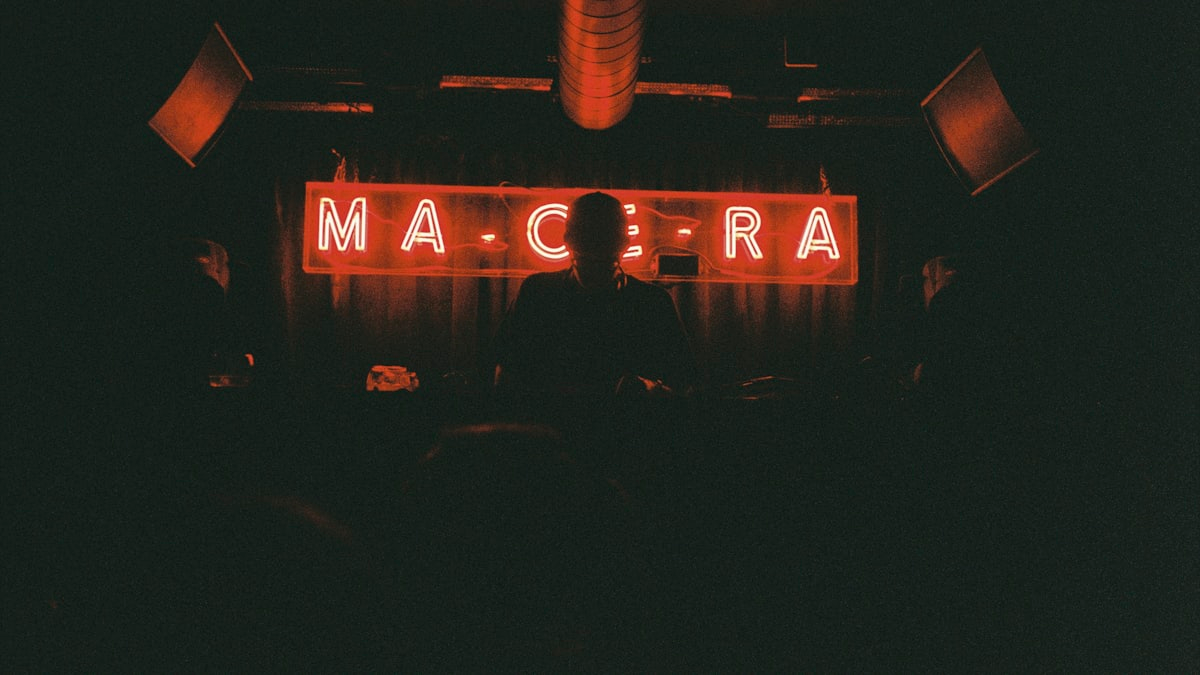
Cream in Liverpool, Ministry of Sound in London, and Gatecrasher in Sheffield became temples of trance in the late 1990s. Armin van Buuren’s A State of Trance radio show, first broadcast in 2001, became the primary global platform for the genre. By the late 2000s, trance had become unfashionable among critical electronic music audiences. What preserved it was the festival circuit, Boom Festival in Portugal, Ozora in Hungary, and multi-genre gatherings like Fusion in Germany, maintaining the spiritual ethos of Goa’s beach parties.
In 2024 and beyond, trance experienced another revival among younger audiences. The sense that electronic music had become too abstract and intellectually demanding without sufficient emotional payoff drove listeners back toward trance’s straightforward euphoria. Electronic music taste runs in cycles, and what had been dismissed as commercial excess was now recognised as honest emotional expression.
Where I Was When Trance Peaked
I was living in western Canada at the height of trance. I was more of a house DJ, but there were a couple of trance tracks I really enjoyed playing, and it felt as though everyone around me was playing it. There was a lot of it about, and so many good tracks: Three Drives’ “Greece 2000” still comes to mind first.
We were always hunting for mixes: Pete Tong on BBC Radio 1, Paul Oakenfold’s Tranceport, Sasha and Digweed’s Northern Exposure, and the Ministry of Sound mix CDs, especially the Clubber’s Guide series. So many anthems during that time.
By the time I arrived in South Korea there was still a progressive house vibe, but trance was already mostly gone. It survives, and there are still DJs and events, but there’s definitely no venue dedicated purely to that sound.
I’m not surprised it’s coming back. There are some beautiful sounds out there right now. When people call some of it melodic techno, someone of my age simply calls it trance. I’m not trying to be difficult, but that’s what I think.
The Revival, Heard From 2026
Here’s what nobody predicted: trance came back through the youngest people in the room. For a decade the arpeggio was the most unfashionable sound in dance music, and then, somewhere around the hard-techno surge, 138 BPM euphoria started closing underground nights again. I’ve watched crowds too young to remember the superclubs lose their minds to builds their parents danced to, and the reaction isn’t ironic. Euphoria doesn’t date. Only its haircuts do.
The revival skips the superclub packaging and goes straight for the feeling, which suggests the rave-era lesson holds: formats die, sensations rotate. If you want the source material, the Goa lineage is one of dance music’s great strange stories, a beach scene that accidentally seeded an industry it wanted nothing to do with.
Trance on Korean Stages in 2026
Korea’s biggest dance music weekends show how far the revival has travelled. The 20th World DJ Festival at Seoul Land in Gwacheon on 13 and 14 June 2026 brought 86 teams from 17 countries, with Armin van Buuren and Eric Prydz on the bill, per Hankook Ilbo. EDC Korea’s third edition, on 3 and 4 October at INSPIRE Entertainment Resort in Incheon, lists Tiesto next to techno names such as Argy and Sara Landry, per DJ Mag. A State of Trance started in 2001. Twenty-five years later its host is on a Korean main stage.
The euphoria is also reaching K-pop through a side door. IVE’s “Bang Bang”, a UK hard house track, topped the Melon chart for five consecutive weeks in March 2026, according to the Korea Herald. Hard house isn’t trance. It does share the fast tempo, the rolling bass and the unembarrassed hands-in-the-air build. The hard trance entry on the family tree shows how close those neighbours have always been.
In a club rather than a field, the breakdown is the test for 138 BPM. A festival crowd will wait through a long build because the screens and the lights hold it there. A small dark basement won’t wait nearly as long, and a long breakdown can empty a floor that was full a minute earlier. In a booth, I cut breakdowns short, loop the tension instead of the silence, or mix out before the pads take over. Euphoria works best in a club when it arrives a little earlier than the record wants it to.
The best sign of this revival is that it never needed the superclub brands to come back. The feeling travelled on its own, from Goa to Gatecrasher to a main stage in Gwacheon and into a girl group single. My Korean festival guide tracks where it plays next, and the uplifting trance entry covers the branch the superclubs built their nights on.
The haircuts changed again. The build didn’t.
Go Deeper: Watch, Listen, Read
For the beach, the superclubs and the revival, these are the best places to dig.
- Paul Oakenfold on The Goa Mix (909originals): Oakenfold on the 1994 Essential Mix that brought the Goa sound to Radio 1.
- The Rise and Fall of Gatecrasher (Vice): how a Sheffield club became the spiritual home of trance, and what went wrong.
- A State of Trance, official site: the history and archive of the radio show that kept trance global for 25 years.
- Boom Festival: background on the Portuguese gathering that keeps the Goa and psytrance ethos alive.
- Energy Flash by Simon Reynolds (Faber): the best long read on how trance, hardcore and house split from the same rave root.
Frequently Asked Questions
What’s Goa trance?
Goa trance is a heavily synthesised style of around 130 to 150 BPM that developed at beach parties in Goa, India. It emphasised the psychedelic and hypnotic rather than the rhythmic and propulsive. It was a genre of escape, built for all-night dancing far from Europe, and it sits well below later trance on any genre BPM chart.
How did trance get from Goa to the clubs of Europe?
In 1989 Paul Oakenfold played a small beach party in Goa, heard this hypnotic style and brought the template back to the UK. German producers, working in parallel in Frankfurt and Berlin, built a harder, more driving version at around 130 to 140 BPM, keeping the arpeggios. Sven Väth founded Eye Q Records, one of the first trance labels, and Paul van Dyk’s For an Angel (1994) became the definitive German trance track.
Which superclubs defined the trance era?
Cream in Liverpool, Ministry of Sound in London and Gatecrasher in Sheffield became temples of trance in the late 1990s. In the UK, Sasha and John Digweed developed progressive trance, and their Renaissance mix compilations became the definitive statement of the style. Armin van Buuren’s A State of Trance radio show, first broadcast in 2001, became the main global platform for the genre.
Is trance music making a comeback?
Yes, trance has been reviving among younger audiences since 2024. Around the hard techno surge, 138 BPM euphoria started closing underground nights again, and crowds too young to remember the superclubs react to it without irony. The revival skips the superclub packaging and goes straight for the feeling.
Written from Seoul, by someone who has been in the booth for more than twenty years. More on the site, or book a DJ.
Stay in the Loop
New writing on DJ culture, electronic music, and the Seoul underground, delivered when it matters.
More From The DJ Diaries
Play with the history
Four tools built from the same research as this site.