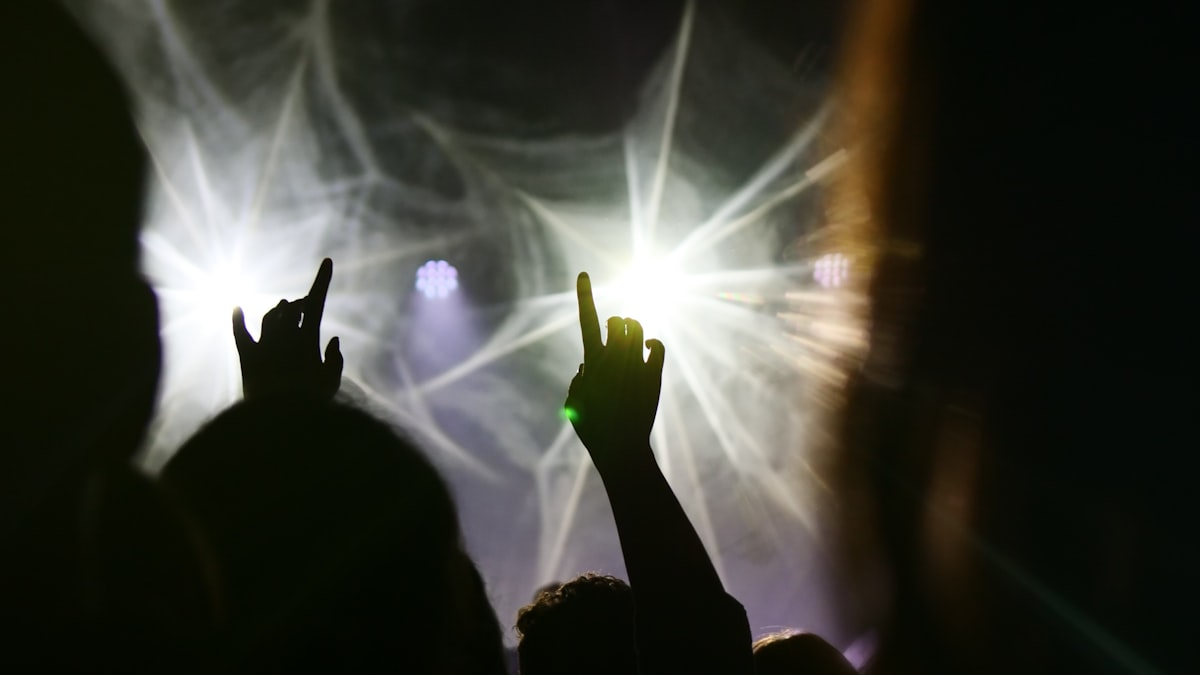
A city builds electronic music culture through institutions, not individual talents. Talent is everywhere. What Chicago, Detroit, Berlin and London each contributed was a structure that turned talent into a tradition, and in every case, the venue is the story.
What Each City Built
The room, the idea, the permission and the mutation engine
| Chicagothe room | Detroitthe idea | Berlinthe permission | Londonthe engine | |
|---|---|---|---|---|
| The institution | One resident, one room | Labels owned by the artists | Space, and the law to use it | Pirate radio, record shops, small floors |
| Where | The Warehouse from 1977. The Music Box from 1983 | Metroplex, Transmat, KMS | Tresor, in a department store vault, 1991 | A density of small floors |
| What it proved | A night can become a genre | A scene can be an export | Nightlife as civic infrastructure | One city can keep mutating |
London, in one lineEach import mutated into the next genre.
| What makes a city produce a sound | Where it happened | Seoul now |
|---|---|---|
| Cheap space nobody is watching | Detroit, Berlin, Bristol, early Hongdae | Lacking: high rents, small rooms |
| A physical meeting point | A record shop, a radio station, one venue | An open question |
| A constraint to push against | Regulation, poverty, isolation | Plenty: the licensing regime |
Watch the rentIf a Seoul sound arrives it will come out of whichever district gets cheap next.
150 to 1.5 million people at the Love Parade in Berlin, from the first in July 1989 to 1999.
£18 million is how much Peter Hook said the Haçienda lost, from May 1982 to June 1997.
€1.5 billion a year spent by Berlin's 3 million club tourists in 2018: 2.4 days each, €205 a day.
March 2024 Berlin techno joins Germany's national inventory of intangible cultural heritage, under the UNESCO convention.
Sources: Rave The Planet · Wikipedia, The Haçienda · Resident Advisor · Euronews
Chicago: The Room
Chicago’s contribution began at the Warehouse, 206 South Jefferson Street, where Frankie Knuckles held the residency from 1977, stretching sets to six, eight, ten hours and teaching a congregation how to be an audience. Ron Hardy’s Music Box, from 1983, was the wilder second pillar, the room that made Acid Tracks make sense. House music, soulful, enduring, gospel-rooted, emerged from those two rooms as a way of running a night before it was ever a genre, and the model it proved, one resident, one room, one decade, remains club culture’s deepest institution, as I argue in the residency essay.
Detroit: The Idea
Detroit’s institution wasn’t a club at all, it was a self-conception. Juan Atkins, Derrick May and Kevin Saunderson, the Belleville Three, built techno as science fiction for a post-industrial city: machine music with a philosophy, released on their own labels, Metroplex, Transmat, KMS, because ownership was part of the idea. Detroit proved a scene could be an intellectual tradition with almost no local infrastructure, exported on 12-inch vinyl, and its label-first model became the blueprint for every independent dance label since.
Berlin: The Permission
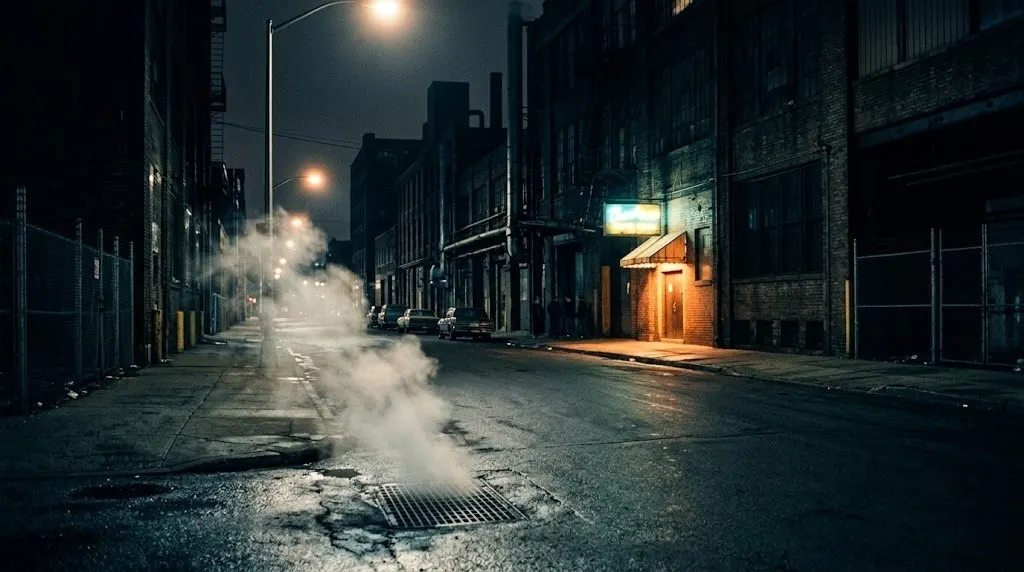
Berlin’s contribution was space, literal and legal. The post-1989 vacuum of unowned buildings produced Tresor in the vaults of the former Wertheim department store on Leipziger Strasse and a decade of provisional venues, and the city eventually did what no other has: it institutionalised the tolerance, club-culture protection, no closing hours, and door cultures like Berghain’s that curate freedom rather than status. Berlin proved nightlife could be civic infrastructure, and every night-mayor and venue-protection campaign worldwide is quoting it. That permission is under pressure: Watergate closed at the end of 2024 citing rent, energy and inflation costs, and Renate, which had announced its own closure, only secured a long-term lease extension in December 2025.
London: The Mutation Engine
London’s institution was the feedback loop: pirate radio plus specialist record shops plus a density of small floors, a system that metabolised every import and mutated it, house into rave, rave into jungle, jungle into garage, garage into grime and dubstep. No city has generated more genres, because no city built a better machine for arguing about music at 140 BPM.
What the Four Prove Together
Room, idea, permission, mutation engine: four different institutions, four different cities, one lesson. Scenes are built, and what gets built outlives the founders. It’s the lens I bring to Seoul’s five scenes and the Asian circuit: the question is which city is building the institution that will still be teaching people to dance in thirty years.
What Actually Makes a City Produce a Sound
Every list of music cities describes what happened. Fewer ask why those cities and not others, and the answer is consistent enough to be useful.
Cheap space that nobody is watching. Detroit, Berlin, Bristol, early Hongdae. A scene needs somewhere to be bad in public for a few years before it becomes good.
A physical meeting point. A record shop, a radio station, a single venue. Somewhere the scene is forced into the same room.
A constraint to push against. Regulation, poverty, isolation, a licensing regime. Nothing distinctive has ever come out of comfortable conditions.
Why Seoul Hasn’t Yet, and Might
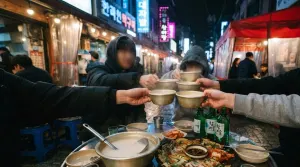
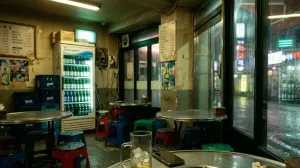
Seoul has the talent and the audience. Seoul has already tried the policy side: in 2015 the city named Sinchon, Hongdae and Hapjeong among six neighbourhoods for anti-gentrification measures, including rent-restraint agreements with landlords and legal support for commercial tenants. What it has lacked is the first item on that list, because rents are high (Korean) and rooms are small and expensive to hold, for reasons tied to how venues here are licensed. It has plenty of the third item. If a Seoul sound arrives it will come out of whichever district gets cheap next, and that’s what to watch, not any individual artist.
What makes a city develop its own music scene?
Three conditions recur: cheap space with little scrutiny, where a scene can develop in public before it’s good; a physical meeting point such as a record shop, radio station or single venue that forces people into the same room; and a constraint to push against, whether regulatory, economic or geographic. Comfortable conditions have historically produced little that’s distinctive.
Frequently Asked Questions
Which cities built electronic music?
Chicago, Detroit, Berlin and London each built electronic music through an institution rather than individual talent. Chicago gave it the room, Detroit the idea, Berlin the permission and London a mutation engine for new genres. In every case the venue or structure outlived the founders and turned talent into a tradition.
How did Chicago create house music?
House music grew out of two Chicago rooms before it was a genre. Frankie Knuckles held the residency at the Warehouse, 206 South Jefferson Street, from 1977, stretching sets to six, eight and ten hours. Ron Hardy’s Music Box followed from 1983 as the wilder second pillar, proving the one resident, one room model described in the residency model.
Why is Detroit called the home of techno?
Detroit built techno as an idea: machine music with a philosophy, conceived as science fiction for a post industrial city. Juan Atkins, Derrick May and Kevin Saunderson, known as the Belleville Three, released it on their own labels Metroplex, Transmat and KMS. That label first model, exported on vinyl with little local infrastructure, became the blueprint for independent dance labels.
Why is Berlin so important to electronic music?
Berlin gave electronic music space, both literal and legal. After 1989, unowned buildings produced Tresor in the vaults of a former department store and a decade of provisional venues. The city then institutionalised that tolerance through club culture protection, no closing hours and door cultures like Berghain’s, proving nightlife could be civic infrastructure.
Further Reading
- Wikipedia: Frankie Knuckles and his residency at the Warehouse in Chicago
- Wikipedia: Ron Hardy, the Music Box DJ at the wild edge of Chicago house
- Wikipedia: Detroit techno and the Belleville Three
- Wikipedia: Tresor, the Berlin club that opened in a vault after the Wall fell
- Wikipedia: pirate radio in the United Kingdom and its role in London club music
Written from Seoul, by someone who has been in the booth for more than twenty years. More on the site, or book a DJ.
Stay in the Loop
New writing on DJ culture, electronic music, and the Seoul underground, delivered when it matters.
More From The DJ Diaries
Play with the history
Four tools built from the same research as this site.