On a Friday night in 1999, the most important dance music in the world came out of a radio. Pete Tong’s Essential Selection on BBC Radio 1 was appointment listening: not streamed later, not saved to a playlist, but heard live, with a finger hovering over the record button on a cassette deck.
There are years you live through and years that live in you. For anyone who was anywhere near a dancefloor at the end of the last millennium, 1999 is the second kind. It was the year a decade of dance music arrived at once: big beat ran the charts, trance moved into pop, the underground kept the sound honest, and the records pressed that year are still among the best electronic music ever made.
The Year Everything Clicked
I was in my twenties, and looking back I realise how lucky I was to be that age at that moment. Dance music had been building for a decade, from the acid house explosion of 1988 and 1989, through the breakbeat chaos of the early nineties, through jungle, drum and bass, and the slow crystallisation of what would become the progressive house sound.
1999, From the Clubs to the Charts
Nine records of the year, where they landed, and the crowds that heard them
The year in one lineBig beat ran the charts, trance moved into pop, and the underground kept the sound honest.
Love Parade, Berlin. 1999 is the all time peak. Track runs from 0 to 1.5 million.
10,000 to 165,000 people a year at Ultra in Miami, from its one day first edition in 1999 to today. Creamfields grew from 50,000 to 280,000.
DJ Mag Top 100, 1999. 1 Paul Oakenfold, 2 Carl Cox, 3 Sasha, 4 Judge Jules, 5 Paul van Dyk.
Sources: Wikipedia, Love Parade · Wikipedia, Ultra · Wikipedia, Creamfields · Wikipedia, DJ Magazine
By 1999, all of that evolution had arrived somewhere extraordinary. Every genre had found its peak form, and every scene had found its voice.
The year in songs reads like a list of records that crossed from the clubs into the charts. ATB’s 9PM (Till I Come) went to number one in the UK. Eiffel 65’s Blue (Da Ba Dee) was everywhere. Alice Deejay’s Better Off Alone and Darude’s Sandstorm pulled trance into pop. Fatboy Slim had Praise You and Right Here, Right Now. Mr. Oizo’s Flat Beat rode a jeans advert to the top of the UK chart, Zombie Nation’s Kernkraft 400 began its long second life in sports stadiums, and Basement Jaxx gave the year Red Alert and Rendez-Vu.
Big Beat Was Running the Planet
To understand 1999, you have to understand the moment big beat was living through. The genre, a collision of breakbeats, rock guitar samples, acid squelches and a general attitude of glorious chaos, had been building since the mid nineties. By 1999 it had crossed over in a way nothing electronic had managed before: on television, in adverts, under sports montages and movie trailers.
Leading that charge were The Chemical Brothers, who in 1999 released Surrender, an album I’ll defend until my last breath. “Hey Boy Hey Girl” was the festival anthem that summer. “Out of Control” with Bernard Sumner captured something rare: a song that felt euphoric and melancholy at the same time. Their live show at that time was unlike anything the festival circuit had seen. I caught them on that tour and it completely changed how I saw concerts, raves and events. They performed with presence, not a laptop.
Fatboy Slim, Norman Cook to his family, was at his commercial peak. The Brighton beach concert was still in the future, but “Right Here, Right Now” was playing in supermarkets. He had done something DJs almost never do: he became a household name without ever pretending to be something other than a DJ, and he was proud of where the music came from.
Basement Jaxx released Remedy, which stands as one of the great debut albums in electronic music. Genre agnostic in the best way, with garage, samba, vocal house and straight up disco, it showed what happened when producers trusted the dancefloor but refused to be limited by it.
The Underground Was Just as Rich
While the big beat acts were filling arenas, the underground was doing something just as strong. Armand van Helden had been shaping the New York house sound for years, and by 1999 his influence on UK garage and filtered house was undeniable. “You Don’t Know Me” crossed every boundary that supposedly existed between underground and mainstream.
Moby released Play, which would go on to become the best selling electronic album of all time and introduce samples from the blues and gospel tradition to a global audience. Some called it too commercial and too polished, but it opened doors that are still open today. Groove Armada gave us Vertigo, and “At the River” became one of those records that sounds like an entire season. Tom Findlay and Andy Cato made music that crate diggers and casual listeners could find in the same moment.
In the more minimal corners, Richie Hawtin was pushing his Plastikman project into increasingly abstract territory, and the Detroit techno lineage he carried was influencing producers across Europe who were starting to build the minimal house sound of the early 2000s.
Underworld had already changed the game with “Born Slippy .NUXX”, the moment in Trainspotting when Karl Hyde’s voice cuts through the euphoria, but they were still releasing (Beaucoup Fish reached number three in the UK in March 1999) and touring at a level that reminded you how important they were. I remember hearing “Born Slippy” in a car on the way to a small rave in a field somewhere in England, and feeling the kind of excitement that, as you get older, you chase for the rest of your life.
Radio Was Still Powerful
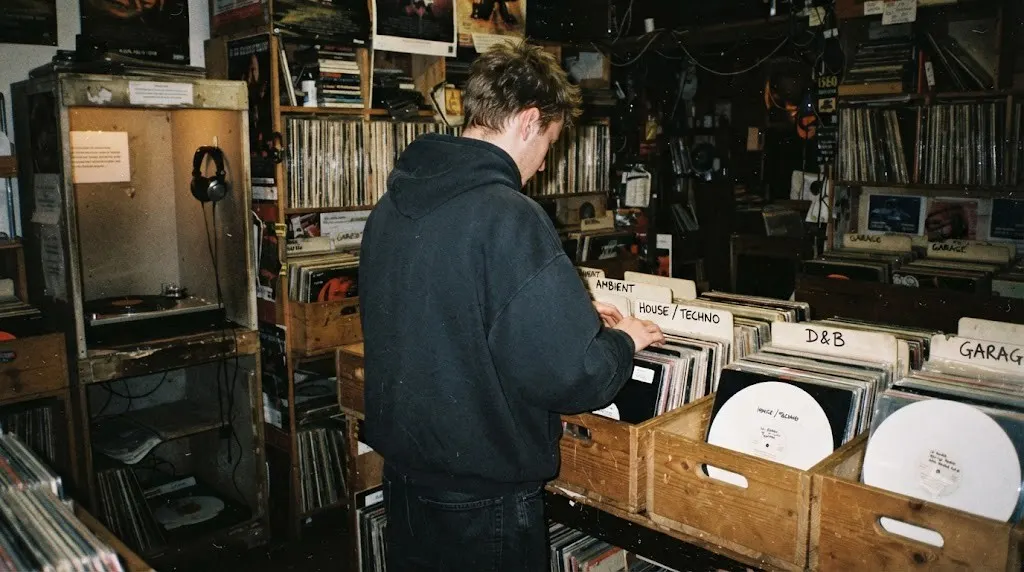
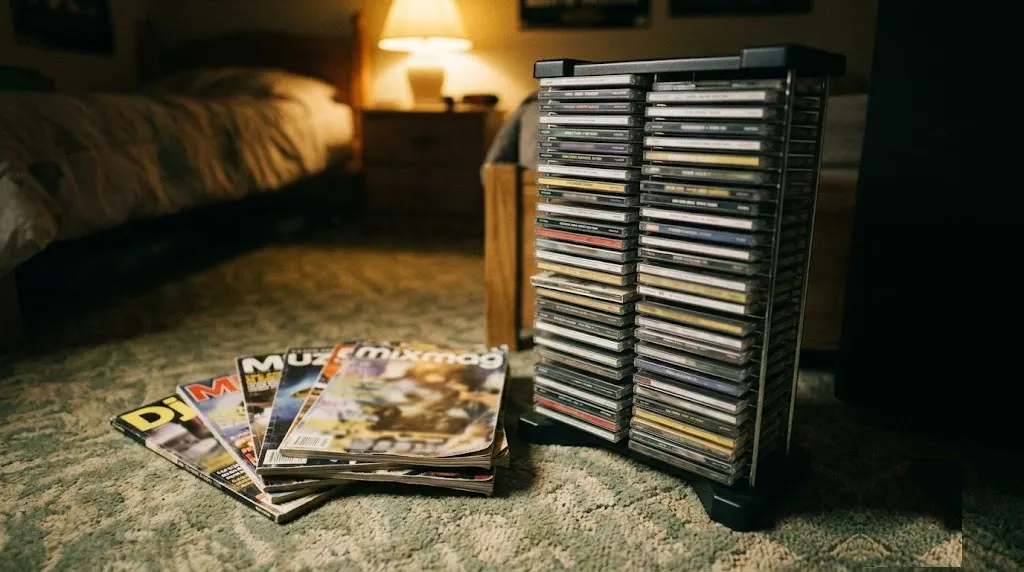
It’s hard to explain to a generation raised on streaming what Friday night radio meant in 1999. The Essential Mix was where you discovered everything. If a DJ was on the Essential Mix, it meant something. Paul Oakenfold, Carl Cox, Danny Tenaglia, Sasha and John Digweed were names that carried cultural weight, and a two hour mix from one of them on a Saturday night could tell you more about where music was going than six months of magazine reading.
That relationship with radio shaped how I think about music now. The discovery was curated by a human being with taste and perspective, not an algorithm trying to keep you on a platform. It’s why so many DJs who started in that era are obsessive about the art of the mix: they learned it from people who were obsessive about the same thing.
The Festivals Were Different
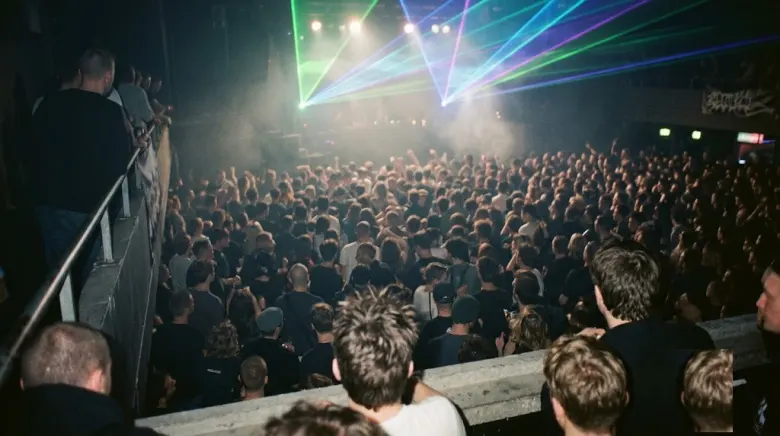
Love Parade in Berlin was drawing over a million people through the Tiergarten. Creamfields in the UK was cementing itself as the spiritual home of British dance music. Ultra Music Festival held its first edition in 1999 in Miami, though it would take another decade to become the giant it is now.
And then there was Ibiza. The island in 1999 wasn’t yet the brand it would become, defined by international DJ superstar residencies, bottle service and influencer check ins. It was still closer to something countercultural. The superclubs were there: Pacha, Amnesia, and Space running its legendary Sunday morning sessions. But the access felt different. It felt earned.

What It Did to DJing
1999 shaped what DJing looked like from then on. It proved that electronic music could fill enormous spaces without losing its soul, that a DJ set could be as emotionally strong as a live performance, and that the records themselves were the architecture. Serious DJs still work from that template.
It had a cost, too. The commercial success of acts like Moby and the Chemical Brothers showed major labels that electronic music could have global reach, which brought investment and then oversaturation. The underground answered by going deeper and more minimal.
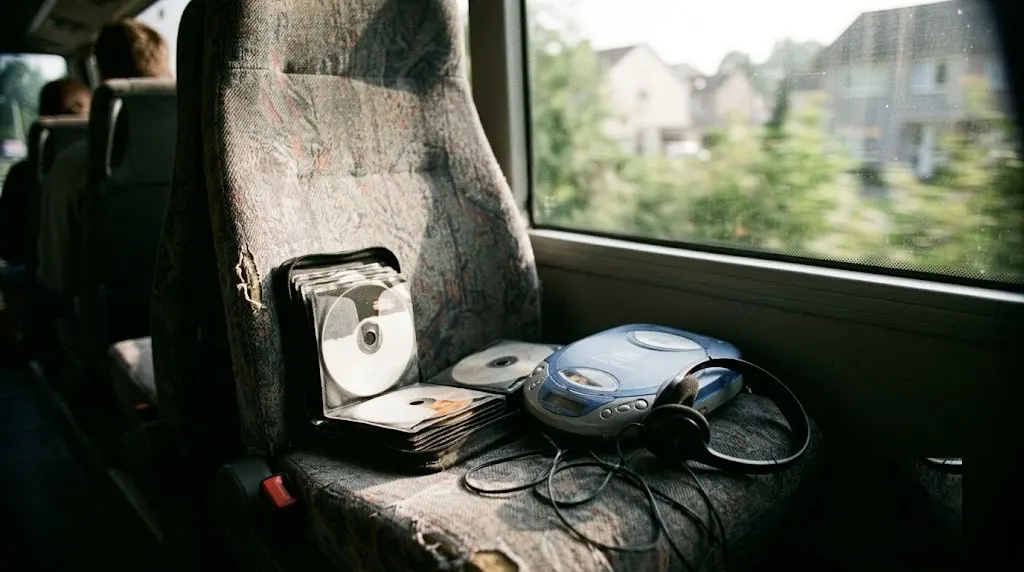
If you’re learning to DJ now, as I write about in my beginners guide to DJing, one of the most useful things you can do is go back and listen to the mixes from this period. The history of DJing has many chapters, and 1999 is one of its most important.
Frequently Asked Questions
What was the biggest dance track of 1999?
There’s no single answer, but “Hey Boy Hey Girl” by The Chemical Brothers, “Right Here, Right Now” by Fatboy Slim and “Red Alert” by Basement Jaxx are the records most consistently cited by DJs who were playing at the time.
Who were the most important DJs in 1999?
Pete Tong was the tastemaker through BBC Radio 1. Carl Cox was the underground titan. Paul Oakenfold was at the height of his commercial power, and Fatboy Slim had become a household name. Richie Hawtin was doing the most forward thinking work in techno and minimal.
What genres dominated dance music in 1999?
Big beat, progressive house, UK garage, trance, and minimal influenced by Detroit techno were all prominent. It was an unusually broad moment.
How did 1999 shape electronic music in the 2000s?
The commercial success of acts like Moby and the Chemical Brothers showed major labels that electronic music could have global reach, which led to both investment and oversaturation. The underground responded by going deeper and more minimal.
Further Reading on The DJ Diaries
- Human Traffic: A Definitive Guide to 90s Rave Culture
- The Chemical Brothers: History and Legacy
- The Family Tree of Dance Music
- Every UK Electronic Genre, Explained
- The Moments That Changed Dance Music
- A Brief History of DJing
Sources
Grammy.com, Moby and Play at 20
German History in Documents and Images, Love Parade, July 1999
Local 10 News, Ultra Music Festival’s 27th year, March 2026
Mixmag, the history of Ibiza in 100 tracks
Levi Strauss and Co., Flat Eric at 25, December 2024
Written from Seoul, by someone who has been in the booth for more than twenty years. More on the site, or book a DJ.
Stay in the Loop
New writing on DJ culture, electronic music, and the Seoul underground, delivered when it matters.
More From The DJ Diaries
Play with the history
Four tools built from the same research as this site.
You Might Also Like

Quick answers
Why is 1999 considered a peak year for dance music?
Because a decade of evolution, from acid house in 1988 and 1989 through breakbeat, jungle and drum and bass to progressive house, arrived at its peak form all at once. Big beat had crossed over to television and film, and the records pressed that year are still among the best electronic music ever made.
Which albums defined dance music in 1999?
The Chemical Brothers' Surrender, with Hey Boy Hey Girl and Out of Control, and Basement Jaxx's debut Remedy. Fatboy Slim's Right Here, Right Now was being played in supermarkets that same year.
Is there a documentary about the 1999 rave scene?
Yes. Better Living Through Circuitry (1999) is a rare time-capsule documentary shot inside the rave scene at its peak, and it's embedded at the top of this article.