The Name Came From a Dead Mouse
Updated April 2026 with the latest developments since this post first ran.
Quick note before we get into it: it is not “dead mau five.” The name is pronounced “deadmouse.” Joel Zimmerman found a decomposing mouse inside his computer, used “deadmau5” as an online username, the “5” replacing the “s” as was standard internet shorthand in the early 2000s, and the name stuck. He has spent a significant portion of his public life correcting this pronunciation, which is a peculiarly appropriate fate for a man who built his brand on resisting the obvious.
The accidental quality of the name is not unrepresentative of how a significant portion of his career unfolded. Zimmerman did not set out to become one of the most recognisable figures in electronic music. He set out to make music he found interesting, and the world decided, over the course of about seven years, that it found the same things interesting.
Quick Answer
deadmau5 is Joel Zimmerman, a Canadian electronic music producer born in Niagara Falls, Ontario, in 1981, best known for progressive house tracks like “Strobe” and “Ghosts ‘n’ Stuff” and for performing in the LED mouse helmet known as the mau5head. His influence on EDM comes from patient, melodic builds, precise sound design, and a live show where the visual production mattered as much as the music, from the mau5head to the Cube rig he played from 2010 until he retired it in 2025. He also runs the label mau5trap and plays techno under the name Testpilot.
Niagara Falls and the Beginning
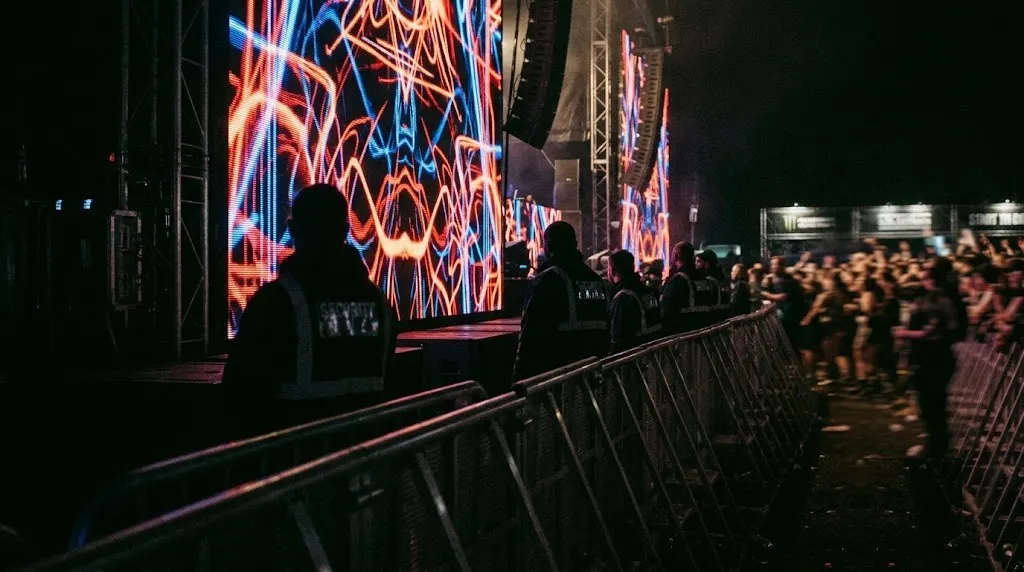
Joel Zimmerman grew up in Niagara Falls, Ontario, a city defined by one of the most spectacular natural features in North America and otherwise not particularly famous for its electronic music scene. His early musical education came through traditional instruments, particularly keyboards and synthesisers, which gave him a harmonic foundation that distinguishes his work from producers who came to electronic music purely through DJing or sampling.
His exposure to the music that would define his direction came through the 1980s and 1990s European electronic tradition: Depeche Mode, Kraftwerk, and then the further revelations of Daft Punk and the Chemical Brothers. As I write about in my piece on the Chemical Brothers, that particular lineage, the combination of electronic rigour with physical energy, produced an extraordinary number of important producers in the generation that came of age in the late 1990s and early 2000s. Zimmerman is one of them.
Before he became deadmau5, he worked as a programmer, hosted a radio show in Niagara Falls, and spent long hours in the recording studio of a local record shop, learning the technical side of music production before applying those skills to his own material. That background, understanding signal flow, understanding how a room sounds, understanding the difference between a demo and a finished piece of work, is audible in the precision of his productions.
How “Faxing Berlin” Changed Everything
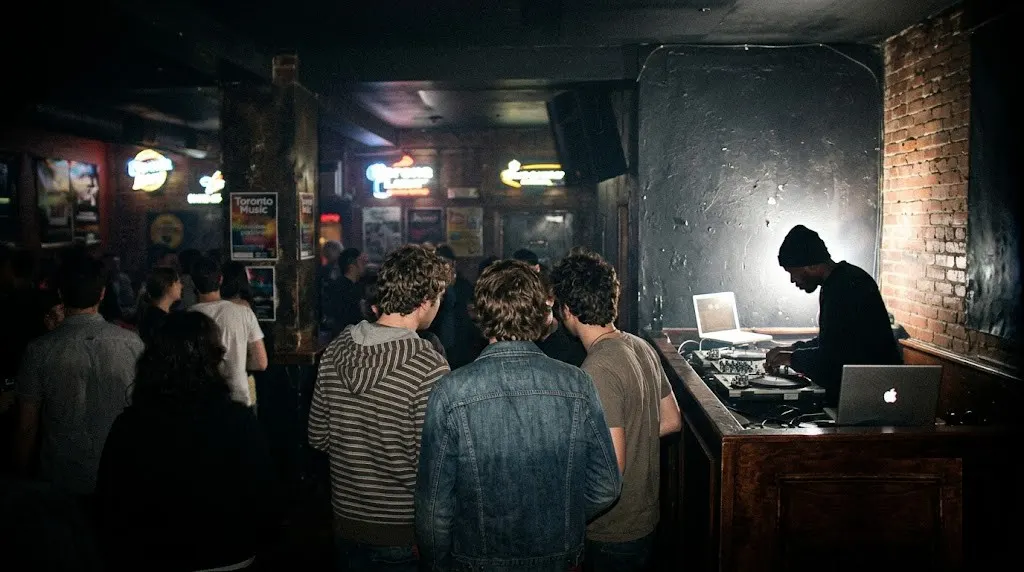
The early deadmau5 material circulated online before the music industry had developed adequate language for what an artist releasing music on the internet was doing. Tracks were distributed through forums and early music sharing communities to audiences who found them through word of mouth. The name built slowly.
The moment that changed the trajectory was when Pete Tong played “Faxing Berlin” on BBC Radio 1. Tong’s endorsement has historically carried the kind of weight that can take an artist from obscurity to a global conversation in the space of a radio broadcast, it had done it for countless acts before, and it did it again for deadmau5. “Faxing Berlin”, almost nine minutes of calm, methodical progressive house that moves with the patience of someone who knows exactly where they are going, became an introduction to the artist for listeners who had not been following the online groundswell.
His debut album Get Scraped had already come out in 2005, but from this point the trajectory was steep.
The mau5head and the Brand
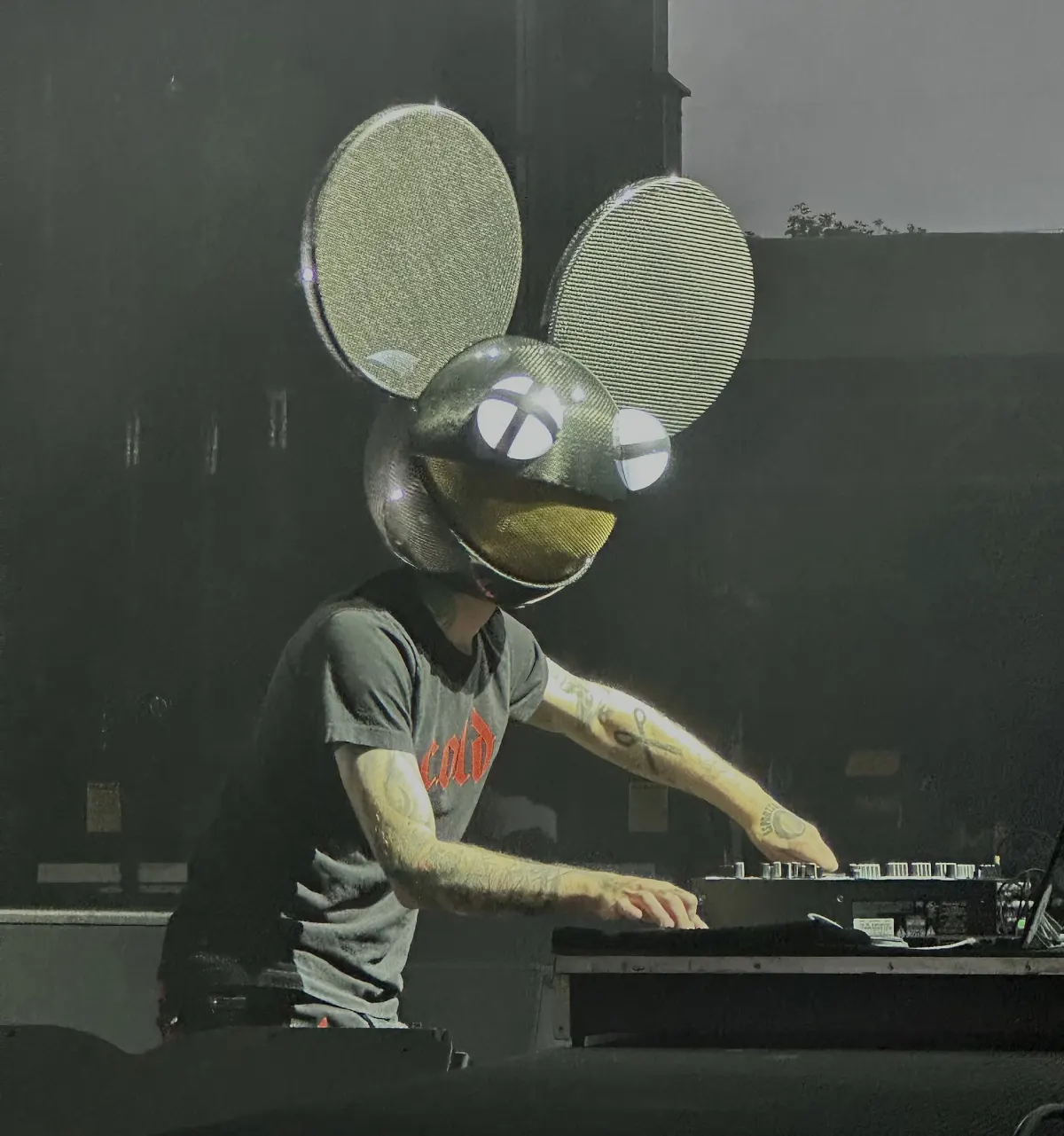
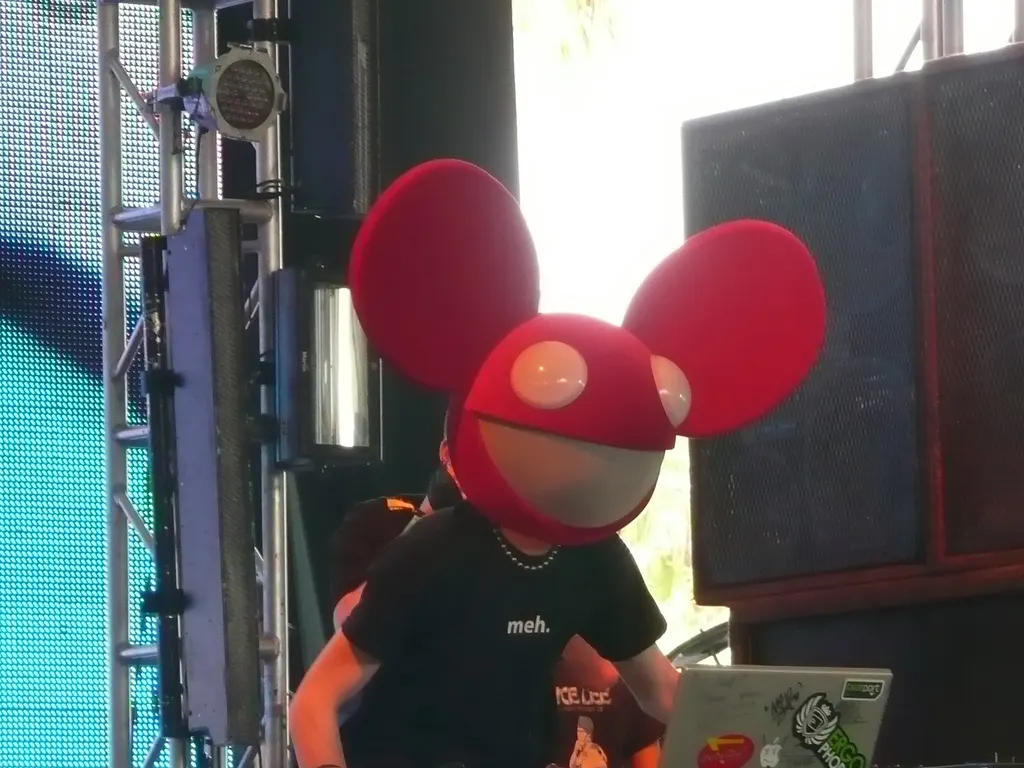
Electronic music has produced very few genuinely distinctive visual identities. Daft Punk’s helmets. Aphex Twin’s face. The deadmau5 LED helmet, the mau5head, belongs in that company.
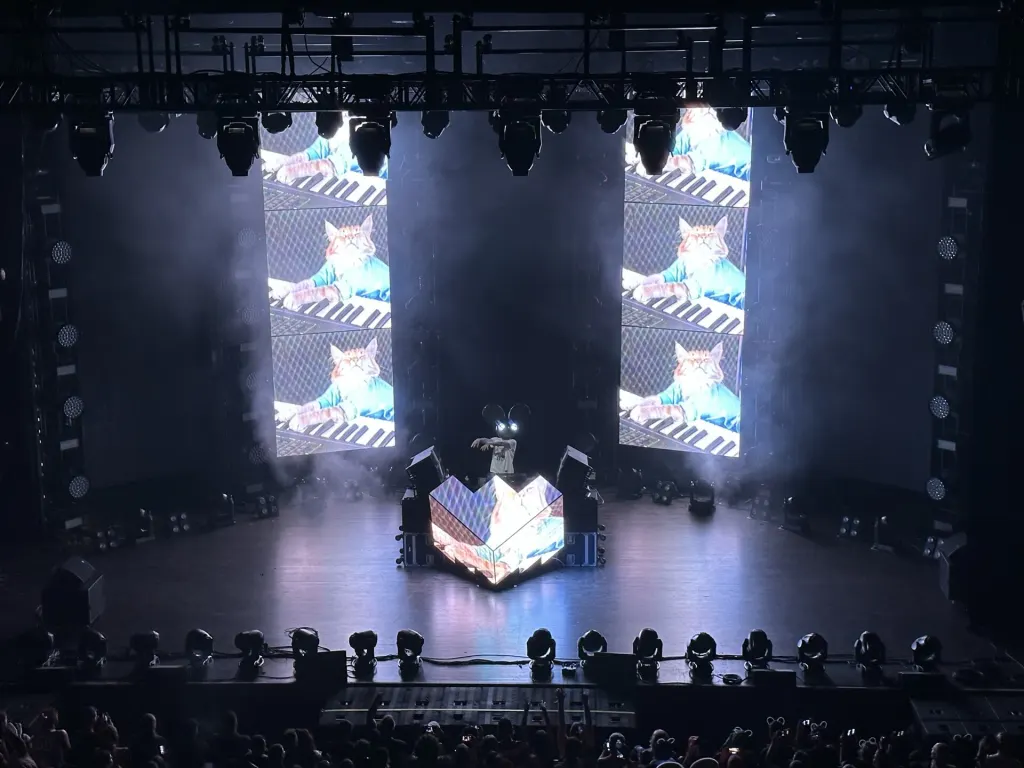
The mau5head started as a simple prop and became a performance infrastructure. What began as a round mouse-eared helmet evolved into an elaborate LED-covered display that could be programmed to display patterns, expressions, and visual information synchronised with the music. At the peak of his commercial profile, Zimmerman was performing inside a production that included the mau5head as a focal point for audiences of tens of thousands.
The branding was important because it gave audiences something to look at in the absence of visible DJing performance. One of the enduring tensions in electronic music live performance is that the most technically interesting thing happening, the moment-to-moment decisions about levels, EQ, transitions, effects, is invisible to an audience looking from the dancefloor. The mau5head acknowledged this and offered something else: not a window into the process but an alternative visual language that was entirely its own.
The Albums That Matter
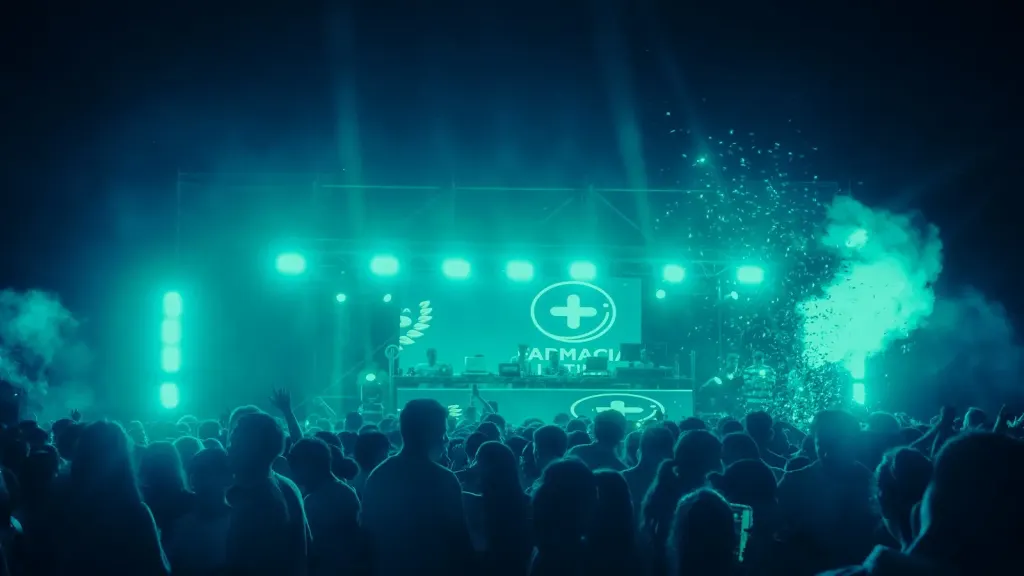
For Lack of a Better Name (2009) is where most people’s serious relationship with deadmau5 begins. “Ghosts ‘n’ Stuff”, featuring Rob Swire of Pendulum on vocals, became one of the defining electronic tracks of the year, enormously simple in its hook, enormously effective in its execution. “Strobe”, also from this album, is the track that tends to get cited by producers and DJs as the most technically accomplished thing he has done: more than ten minutes of slow, agonising build that repays close listening in a way that few progressive house tracks do.
4×4=12 (2010) continued the commercial momentum and introduced “Some Chords” and “Animal Rights”, the latter co-written with Wolfgang Gartner, a partnership that produced something more harmonically adventurous than either artist had done alone.
While(1<2) (2014) was the record where Zimmerman appeared most interested in the edges of his sound rather than its centre. The blend of EDM with orchestral elements and ambient textures pointed toward a version of his career that prioritised artistic range over commercial predictability. Critics responded well. The dance music press was, as always, divided about whether division from formula was admirable or suspicious.
“The Veldt”, a highlight from the The Veldt EP, deserves its own mention. Inspired by a Ray Bradbury short story, the track reached vocalist Chris James through a genuine piece of internet-era serendipity: James heard an instrumental version Zimmerman was streaming from his studio, wrote and recorded vocals expanding on the story’s themes, and tweeted them directly to deadmau5. Zimmerman incorporated the vocals into the official release. It is one of the more charming collaboration stories in recent electronic music history.
Testpilot and the Techno Side
One of the more interesting dimensions of Zimmerman’s career is the Testpilot alias, under which he performs a distinctly different kind of music, darker, more minimal, rooted in the Detroit techno tradition rather than the progressive house sound associated with deadmau5.
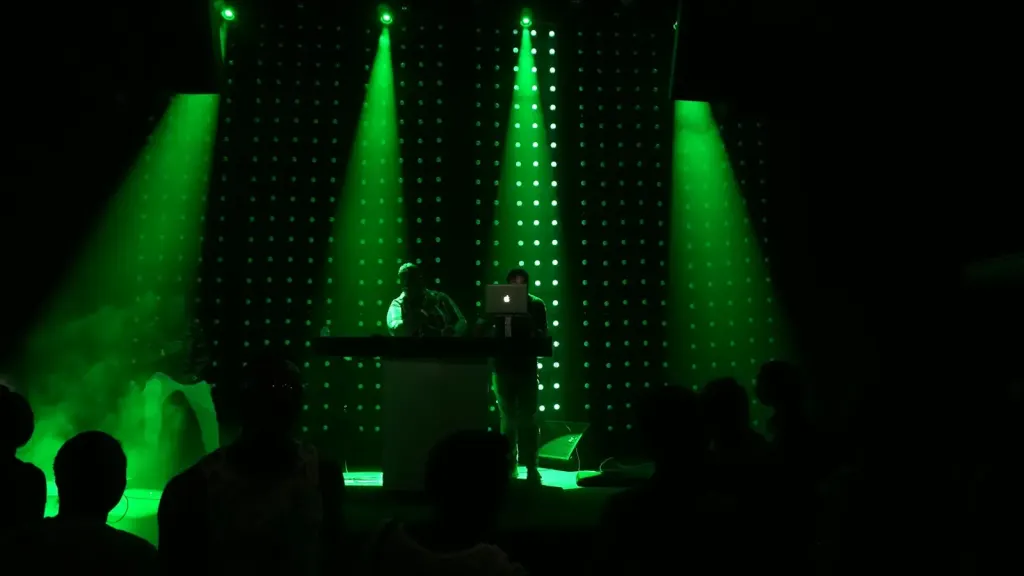
The Testpilot project debuted at SXSW in 2013 and has since appeared at festivals and clubs associated with serious underground programming, including Movement in Detroit, perhaps the most significant techno-focused festival in the world and one where the audience is specifically there for the music rather than the spectacle. The fact that Zimmerman can credibly perform in that environment, under a different name, and be taken seriously by that audience says something important about his actual musical knowledge as distinct from his celebrity profile.
For DJs who have always found the deadmau5 mainstage persona a bit overwhelming, Testpilot is worth investigating. It reveals a different register of the same intelligence.
The Controversies and the Candour
Zimmerman’s public profile has always been complicated by his willingness to say exactly what he thinks, particularly on social media. He has criticised the EDM industry’s booking practices, argued publicly with other artists, and been candid about the gap between what artists claim to be doing live and what they are actually doing live. Some of this has been productive, forcing conversations that the industry prefers to avoid. Some of it has generated heat without generating light.
His criticism of artists who play pre-programmed sets while performing as if they are mixing live is a case I have some sympathy with. As I write in my post on common DJ mistakes, authenticity in performance matters, not as a moral principle but as a practical one. Audiences are not as fooled as performers sometimes imagine.
The controversies do not define him, but they are part of the texture of a career built partly on refusing to pretend that things are simpler than they are.
Why He Still Matters in 2026
Electronic music has moved significantly since “Ghosts ‘n’ Stuff” was in every festival lineup. The sound that made deadmau5 famous, the slow-building, harmonically rich progressive house with its emphasis on tension and delayed release, is not currently the dominant aesthetic. The genre landscape has fragmented and reconfigured in ways that the 2009 version of the scene could not have predicted.
And yet Zimmerman’s influence persists, particularly among producers. The precision of his sound design, the patience of his track construction, the willingness to let a build last longer than commercial wisdom suggests, these are qualities that continue to influence younger producers in ways that are not always explicitly acknowledged.
If you are learning to produce electronic music, the deadmau5 MasterClass is one of the most practically useful things available in the online education space. Whatever you think of the persona, the musical knowledge is genuine and the teaching is specific in ways that a lot of music education is not.
And if you are in Seoul looking for nights where the progressive house tradition still gets taken seriously, you will find them, though increasingly in the underground rooms rather than the mainstream venues. My guide to going out in Seoul covers the rooms worth knowing.
2026: First New Album in a Decade and a New Era
In October 2025, Zimmerman ended a decade of studio silence by releasing “Ameonna”, a single that announced his first full studio album since W:/2016ALBUM/ in 2016. The follow-up single “Science”, with vocalist Stevie Appleton, arrived in February 2026. The album is slated for release in 2026 and from the early material it represents a return to the patient, harmonic progressive house of his best work rather than a concession to whatever the current festival circuit is demanding.
Alongside the album announcement came the news that he is retiring the iconic Cube, the LED production rig that has defined his live show for over a decade. In November 2025, he played two nights at Red Rocks Amphitheatre in Colorado to debut a completely new production concept, combining deadmau5 and Testpilot sets within the same show. For a performer who has always used the visual element as seriously as the musical one, the retirement of the Cube is a genuine statement, a willingness to abandon something that worked in search of something that might work better.
The Coachella 2025 incident is also worth naming directly: performing as Testpilot alongside Zhu, Zimmerman was removed from the stage after visibly struggling during the set. He has been candid about the pressures of a career at this level. It was a difficult public moment, and the response, disappearing into studio work and emerging with new music that sounds genuinely focused, suggests someone who has processed it rather than buried it.
Try it: To hear where deadmau5 sits in the bigger picture, the dance music timeline traces progressive house and 126 other genres year by year, each with an official track. The trance vs progressive house face-off puts his home genre next to its closest neighbour. And if Testpilot is more your speed, the house vs techno face-off is a good place to start.
Watch and listen: Cube V3, Chicago, first 18 minutes · Strobe
Frequently Asked Questions
Who is deadmau5?
deadmau5 is the stage name of Joel Zimmerman, a Canadian electronic music producer and performer from Niagara Falls, Ontario. He broke through in the mid to late 2000s with progressive house tracks like “Faxing Berlin”, “Ghosts ‘n’ Stuff” and “Strobe”, performs in the LED mau5head helmet, runs the mau5trap label, and also plays techno as Testpilot.
How has deadmau5 influenced EDM?
In three main ways. Musically, he showed that long, patient, melodic progressive house could fill festival main stages. Technically, his precise sound design and his openness about production, including his MasterClass, shaped how a generation of producers works. And visually, the mau5head and the Cube helped make stage production part of what an electronic headliner is expected to deliver.
What is deadmau5’s most famous song?
“Strobe” and “Ghosts ‘n’ Stuff”, both from For Lack of a Better Name (2009), are the two most often named. “Strobe” is the one producers and DJs tend to rate highest, a slow build of more than ten minutes, while “Ghosts ‘n’ Stuff” with Rob Swire of Pendulum was the more immediate club hit.
Is deadmau5 releasing a new album?
Yes. In October 2025 he released “Ameonna” and announced his first full studio album since W:/2016ALBUM/, planned for 2026. The second single, “Science” with Stevie Appleton, came out in February 2026. At the same time he retired the Cube and debuted a new live production at Red Rocks in November 2025.
How did deadmau5 get his name?
Joel Zimmerman found a dead mouse decomposing inside his computer and used “deadmau5” as an internet username, the “5” replacing the “s” in standard internet shorthand of the early 2000s. The name stuck when he began releasing music under it. It is pronounced “deadmouse,” not “dead mau five.”
What is deadmau5’s real name?
Joel Zimmerman. He was born in Niagara Falls, Ontario, Canada.
What genre does deadmau5 produce?
His primary output has been progressive house, a slow-building, tension-and-release form of electronic music characterised by long intros and careful harmonic development. He also produces techno under his Testpilot alias, and his later albums incorporate ambient and orchestral elements.
Is deadmau5 a DJ or a live act?
Primarily a live act. While he DJs, his performances are generally structured around original material rather than a traditional DJ mix. The mau5head setup and the production infrastructure around his live shows are designed for original material rather than mixing between records in the conventional sense.
Credits and Rights
This article is about the work of deadmau5, Joel Zimmerman. Official site: deadmau5.com, label mau5trap. The mau5head is his design and his trademark; nothing here is affiliated with or endorsed by him.
Rights, corrections and takedown. Images on this page are used editorially to illustrate writing about the artists and records discussed. Where a photographer or rights holder is identified, they are credited above. If you hold rights in any image here, or if anything on this page is factually wrong about you or your work, get in touch and it will be corrected, credited properly or removed, promptly and without argument.
Written from Seoul, by someone who has been in the booth for more than twenty years. More on the site, or book a DJ.
Stay in the Loop
New writing on DJ culture, electronic music, and the Seoul underground, delivered when it matters.
More From The DJ Diaries



Play with the history
Four tools built from the same research as this site.