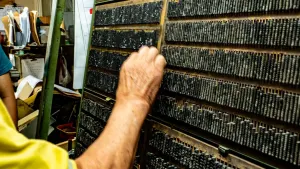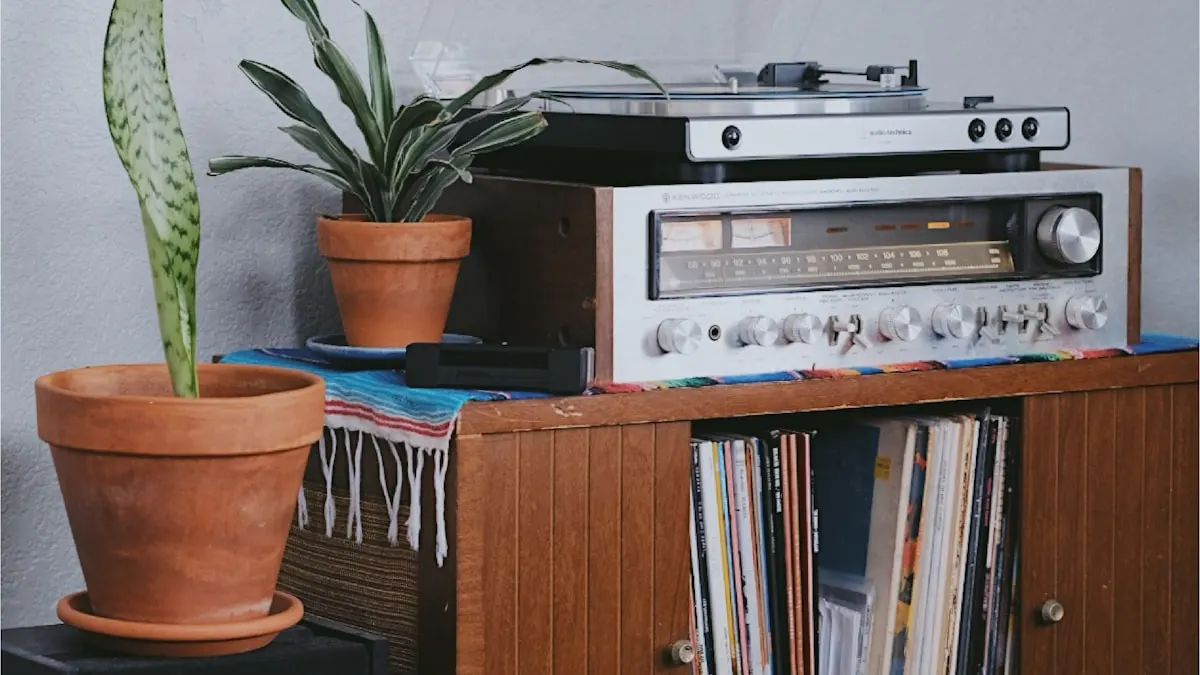
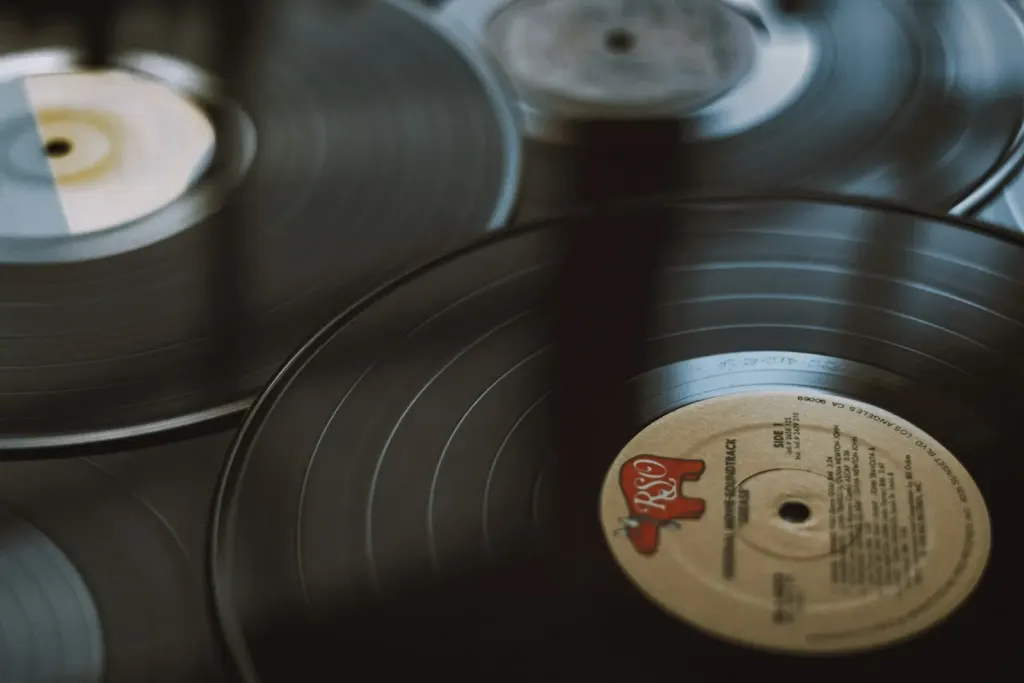
Jang Min-wook has been a working DJ since April 1976, which means he has half a century of head start on me. He also has the clearest position on DJ music ownership of anyone I can name, because he owns roughly eighty four thousand records outright. Around eight thousand sit at the venue where he works. The rest are in a warehouse he rents to hold them.
Every one of those records will still play for him tomorrow. No login, no license check, no terms of service update. He bought them across fifty years, one at a time, and they’re his in the way a chair is yours.
I want to use that warehouse as a mirror, because what it reflects about the rest of us isn’t flattering.
What a Library Used to Cost, and What It Bought
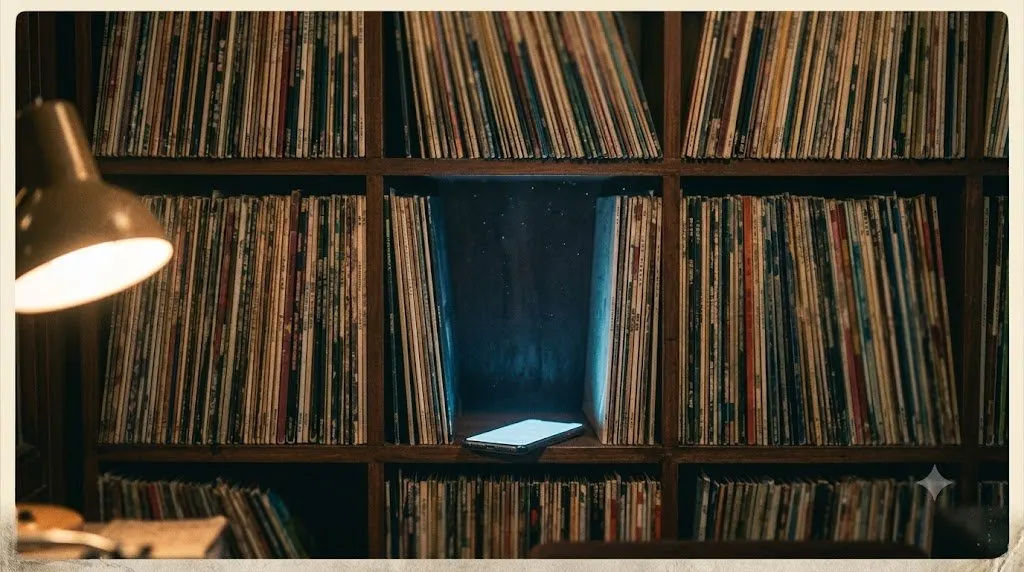
Owning your records was never romantic at the time. It was weight and money. Any DJ my age remembers exactly what a crate of vinyl does to your back on the fourth floor of a venue with no elevator. What an import record cost by the time it reached this side of the Pacific. When I started carrying records into Korean rooms, my value was substantially that library. The records were scarce, I had them, the room didn’t. Same deal as the dabang booth in 1976: the DJ as the guy with access.
But look at what that cost structure quietly guaranteed. Everything you paid for, you kept. A record bought in 1998 has now worked twenty eight years of gigs. Your library compounded, like a pension. A DJ’s crates were a career asset you could hold in your hands, insure, lend, sell, or leave to somebody.
The digital revolution kept the ownership model at first. Files were files. Buy the WAV, keep the WAV. My USB sticks are the direct descendants of my crates. Most working DJs my age run exactly this hybrid: owned files, backed up in three places, plus whatever vinyl survived our moves.
Then the subscription arrived, and the deal changed underneath a generation that mostly didn’t read the fine print.
DJ Music Ownership: the Repo Men Already Came, Twice
This isn’t a hypothetical argument, which is why I’m writing it. The music-you-do-not-own model has already failed DJs in public, at scale, at least twice.
Pulselocker was a streaming service built specifically for DJs, with a locker of offline tracks you could perform with, integrated into major DJ software. It shut down in 2017. Every library built on it stopped existing as a performable thing. The tracks were never yours, so when the company went, so did they. DJs woke up to sets full of greyed out entries where their music used to be.
Then in July 2020, Spotify pulled its API access from third party DJ applications. If your libraries and playlists lived in Spotify and you performed through apps like djay, that capability ended on a date you didn’t choose, announced in a blog post you didn’t write. Years of curation became unplayable in the booth overnight. Nothing was hacked and nothing malfunctioned. The system worked exactly as designed. You were renting, and the landlord changed the locks.
The current generation of DJ streaming services, Beatport and Tidal and the rest wired into modern players and software, are better built and useful. I’m not telling anyone to boycott them. I use cloud tools like everybody. But understand the deal you’re signing: the offline locker exists while the subscription exists. Stop paying, and a decade of your professional identity reverts to a company’s database. A DJ twenty years into a streaming-first career will have paid for music every single month and will own none of it. That’s not a library. That’s a treadmill with a search bar.
The Canadian Math
Run it the way my accountant would. Call a modern DJ stack a music streaming tier, software subscription and cloud storage, somewhere in the range of forty to sixty Canadian dollars a month once you add it all up. Two decades of that is twelve to fifteen thousand dollars, roughly what a serious used record collection or a career’s worth of owned downloads would have cost, except at the end of the vinyl version you hold an asset. At the end of the subscription version you hold a cancellation email. Numbers vary by stack and year, so run your own, but the shape of the math doesn’t change.
And the asset side isn’t sentimental. Ask anyone who has priced original Korean pressings lately. The records Jang bought new in the seventies, some of them the very banned-list pressings I wrote about elsewhere, have appreciated the way scarce cultural objects do. His warehouse isn’t a museum of a dead format. By the standards of anything else a DJ buys, it’s the best investment our profession has ever made. Meanwhile every controller, player and laptop I’ve bought in more than twenty years is now landfill or a doorstop. The gear depreciated to zero. The records did the opposite.
What I Actually Recommend on Music Ownership
My policy is simple and I commend it to every younger DJ who asks.
Rent for discovery, own what you play. Streaming lockers are a magnificent radio and a terrible vault. So use them to find music, then buy the files, from stores that sell them. Back them up like they’re your career, because they are. Anything that has been in your sets for a year has earned a purchase. Anything you’d be embarrassed to lose mid-set should never live behind a login you don’t control.
And buy some records, not as decor but as anchor. Not eighty four thousand. Enough that some portion of your musical identity exists in a form no shutdown, no API decision and no licensing dispute can reach.
The man in Jongno figured all this out by never changing. His clock is set to the seventies, as he cheerfully tells interviewers. It turns out the seventies were right about the thing that matters most in this job. The DJ is the library. Rent the library and you’ve rented yourself.
The man with the warehouse gets his own profile on this site soon. Until then, the DJs carrying his trade forward are in Korean DJs to Know in 2026. If you want one of them, or me, behind your event, start at the booking page.
FAQ
Do DJs own the music on streaming services?
No. DJ streaming services license music for use while the subscription is active, including tracks stored in offline lockers for performance. If the subscription lapses or the service closes or loses licensing, access ends. Purchased downloads and physical records are the only parts of a DJ library that function as owned property.
What happened with Pulselocker?
Pulselocker was a subscription streaming and locker service for DJs, integrated into major DJ software, which shut down in 2017. Because tracks were licensed rather than owned, libraries and playlists built on the service became unusable for performance when it closed. That made it the standard cautionary tale for subscription dependence in DJing.
Why did Spotify stop working with DJ apps?
In July 2020 Spotify ended third party DJ application access to its catalogue. That removed the ability to perform with Spotify libraries through apps that had supported it. It was a business decision executed through an API change. It demonstrated that rented catalogues can be withdrawn regardless of how much time a user has invested in curation.
Should DJs still buy music in 2026?
This site’s opinion, from more than twenty years in the booth: yes. Use streaming for discovery, then purchase and back up anything that actually enters your sets. Keep some physical media as the unrevokable core of your identity as a selector. Owned files and records compound into a career asset. Subscriptions, whatever their convenience, don’t.
Sources and Further Reading
The collection. Junsungki magazine on Jang Min-wook’s eighty four thousand records · OhmyNews on the rented warehouse · Kyunghyang on forty five years in the booth.
The two failures. Pulselocker’s company record, the DJ streaming locker that shut down in 2017 and took its users’ performable libraries with it. the arrival of DJ streaming as a category that made everyone comfortable with the model in the first place. Spotify ended third party DJ app access in July 2020. That was widely reported at the time and is worth searching if you weren’t affected by it, because the people who were still talk about it.
If you want to act on this. Buy from stores that sell you files rather than access: Bandcamp, Beatport, Juno Download and Bleep all still sell downloads you keep. For physical, Discogs is the global market and Seoul has a working record shop culture of its own. That our vinyl bars and LP culture piece covers.
Read next: the DJ with eighty four thousand records · sixty years of the Korean DJ, one continuous line · Seoul’s vinyl bars and LP culture · the DJs running the scene now
Picture Credits
- Present day photographs
Matthew Clement, for The DJ Diaries.
Historical images on this site are used under the licence stated for each file. KOGL Type 1 is the Korean public sector open licence permitting commercial use and adaptation with attribution; public domain items carry no restriction. If you hold rights in any image here and believe it has been used in error, get in touch and it will be removed.
Written from Seoul, by someone who has been in the booth for more than twenty years. More on the site, or book a DJ.
Stay in the Loop
New writing on DJ culture, electronic music, and the Seoul underground, delivered when it matters.
More From The DJ Diaries


Play with the history
Four tools built from the same research as this site.