Taylor Swift’s Midnights sold 575,000 vinyl copies in its first US week alone. Independent electronic labels were ordering 500. The queue didn’t treat them equally, and that explains most of what frustrates anyone waiting on a record in 2026.
The Fire That Broke the Chain
In February 2020, Apollo Masters in California, one of two companies on earth making the lacquer discs that begin the vinyl process, and supplier of an estimated 70 to 85 percent of the world’s lacquers, burned down. Overnight, mastering engineers were rationing lacquers from the sole remaining supplier in Japan, just as the pandemic’s vinyl boom went vertical. The fire didn’t create the capacity crisis, the industry had been building toward it since the revival began outrunning the surviving plants in the mid-2010s, but it turned a squeeze into a queue measured in quarters.
Why a Record Takes a Year
Every stage runs in order, and a fault at any stage sends the job back into that line
LP 한 장이 나오기까지
Feb 2020Apollo Masters in California burned down. It made an estimated 70 to 85 percent of the world's lacquers, leaving one supplier, in Japan.
Demand came back faster than machinesUS LP shipments from the RIAA, on a track from 0 to 46.8 million.
What an LP costsRIAA retail value divided by units, on a track from $0 to $40. The 2025 report switched to wholesale values, so the series stops at 2024.
Records pressed in 2015, AP estimates. Three plants made roughly 45 million of a world market of 90 to 100 million.
2,000 to 20,000 visitors to the Seoul Record Fair, 2011 against 2019. The 2023 and 2024 fairs averaged about 13,000.
7.6 million vinyl albums sold in the UK in 2025, up 13.3 percent, the 18th straight year of growth.
Sources: AP via Pattaya Mail · Newsis · Digital Music News
Why Pressing Can’t Simply Speed Up
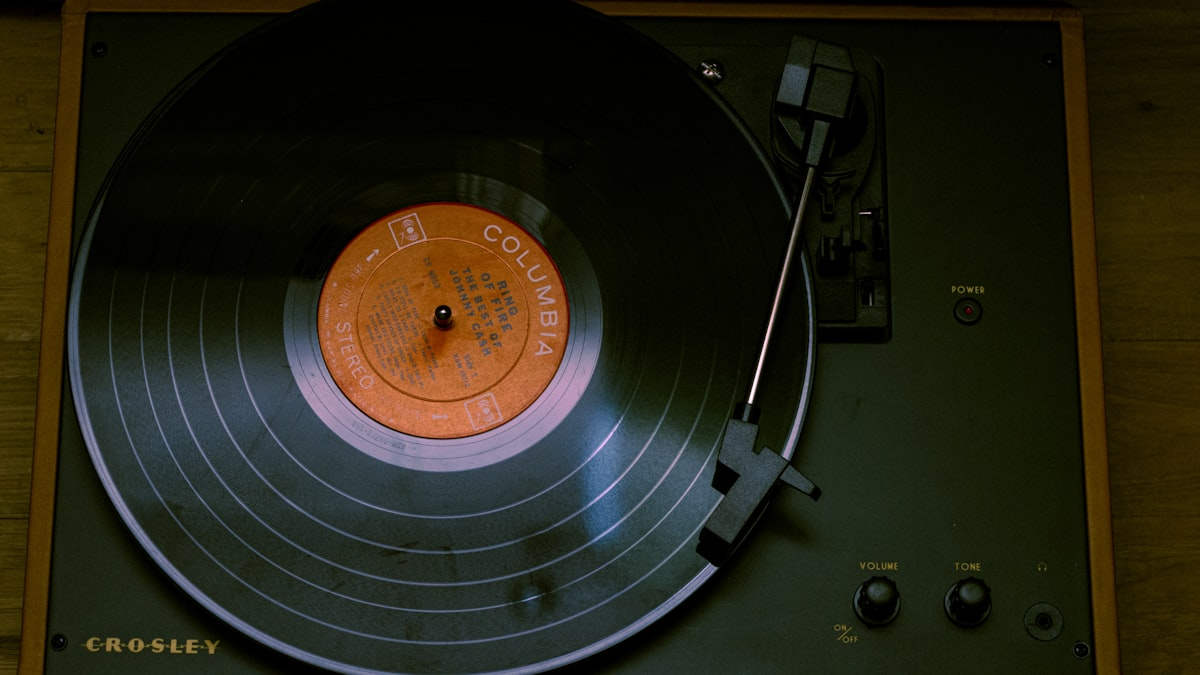
The process is stubbornly physical and strictly sequential. Cutting: the audio is inscribed into a lacquer on a lathe, by one of a small global pool of engineers. Plating: the lacquer is electroplated into nickel stampers. Pressing: pellets of PVC are squashed and cooled in a hydraulic press, thirty to sixty seconds per record on machines that were, until recently, mostly refurbished units from the 1970s. Each stage has limited worldwide capacity, and a problem at any one of them, a bad test pressing, a worn stamper, a colour-variant changeover, sends the job to the back of that stage’s line. That’s what a year-long lead time is: a chain of queues stacked end to end, from the lathe through test pressings to the press itself.
The Queue Is Not Neutral
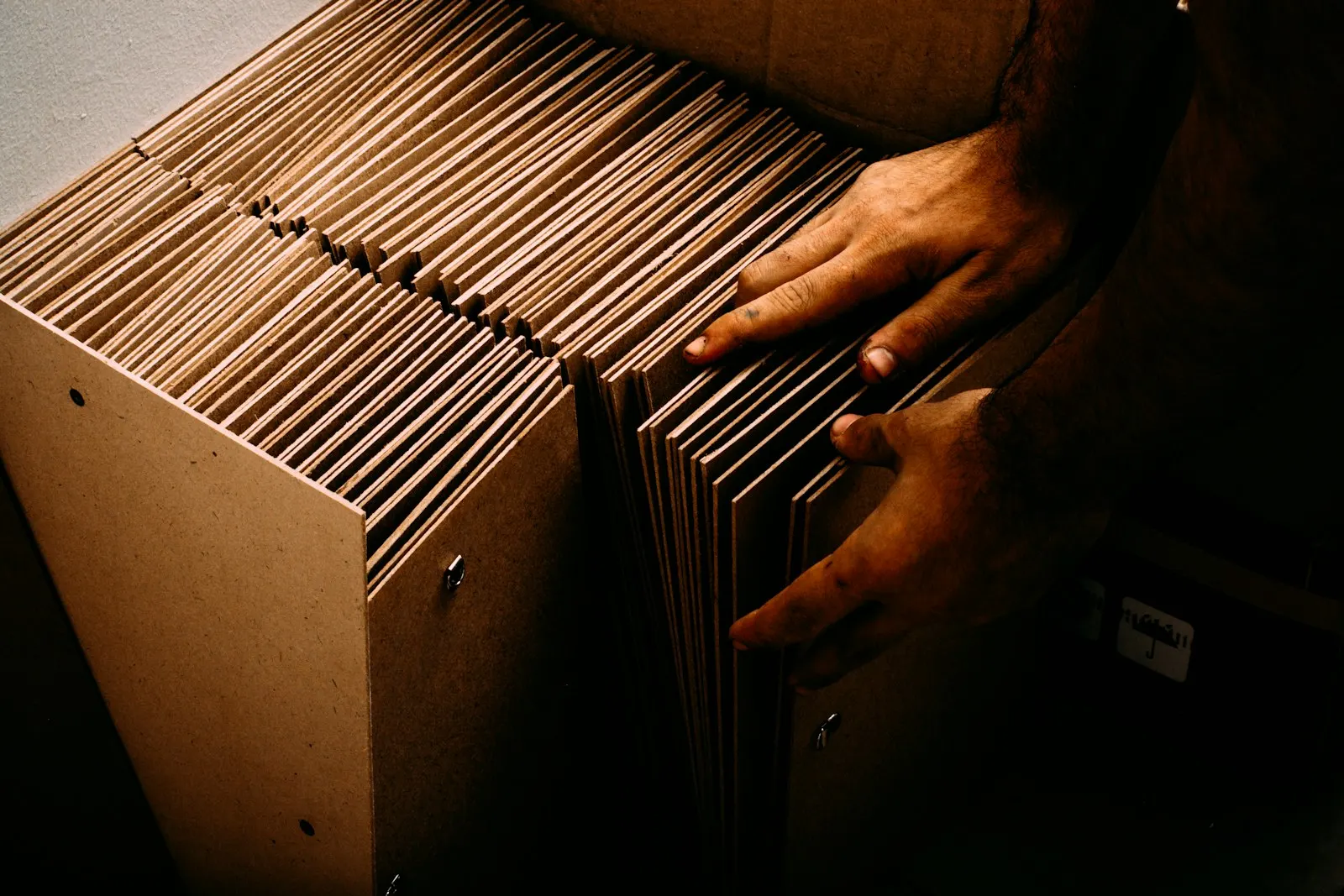
Plants prioritise volume, and majors book capacity in advance at scales indies can’t match, which is how a pop repress of half a million leapfrogs a techno label’s run of 500. During the 2021-22 crunch this produced real distortions: catalogue rock reissues shipping while dance 12-inches, the format’s working commodity for DJs, waited nine months and missed their own promotional windows. The economics compound the insult: small runs carry the worst unit costs, as independent labels know intimately, and a delayed record ties up capital a small label can’t spare.
Where It Stands in 2026
Relief came slowly and from the edges: new plants opened across Europe, North America and Asia, new-build presses replaced refurbished antiques, and lead times fell from the 2022 peak back toward workable months for standard black vinyl. Colour variants, gatefolds and picture discs still cost you extra weeks. The structural lesson survives the recovery, the revival rebuilt demand for a format whose industrial base had been scrapped decades earlier, and rebuilding machines takes years while rebuilding hype takes weeks. Every record on the shelf of your local LP bar now represents, among other things, a successful negotiation with the queue.
The Seoul Version of This
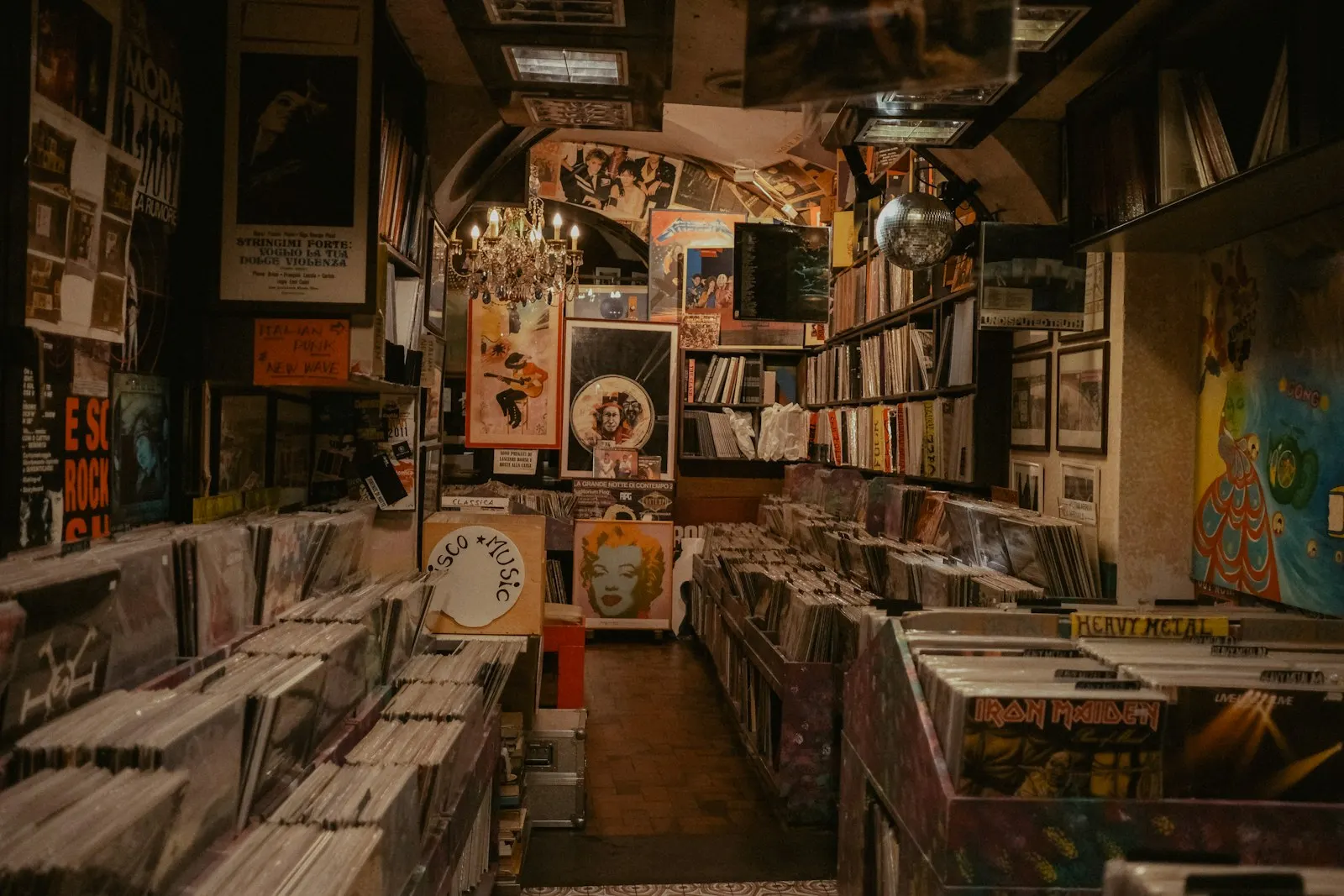
For most of the revival, a Seoul label that wanted vinyl joined the same global queue as everyone else. It just joined from further away, in a different time zone. That has changed. Newsis reported in October 2025 that Korea now has three LP pressing plants. In 2011, when Seoul Record Fair drew about 2,000 visitors, the country had none. I don’t have capacity figures for those plants and won’t guess at them. Three plants won’t move the global numbers described above, and they won’t make lacquers or stampers appear faster. What they change is distance.
Distance matters more than it sounds. A test pressing that comes back by domestic courier instead of international freight saves weeks. A problem at plating can be sorted in Korean on the phone rather than by email across an overnight gap. The demand side is there too. The same Newsis report counted about 40 LPs released for the first time at the 2025 fair, which drew 62 booths to PUBG Seongsu. Each of those records had to clear a queue to hit a fixed date. That’s the promotional window problem from earlier in this piece, played out at a Seoul scale.
What It Means for Seoul Labels and DJs
The queue is still not neutral here, and there’s no reason to expect it to be. Korean pop demand for vinyl is serious. Herald Business reported that a Jannabi LP sold at 55,000 won, about CAD $53, now resells for up to 700,000 won, and that turntable sales on 29CM rose 96 percent year on year in early May 2026. When fan editions carry that kind of pull, a small label ordering a few hundred dance 12-inches is back in the Taylor Swift example. It’s simply closer to home. My read is that the same volume logic will apply in any plant that wants to stay open.
So the practical advice for a Seoul label doesn’t change much. Plan the release date from the test pressing backwards, keep the first run black, and treat colour variants as a second pressing once the record has proved itself. Clubs with their own imprints have a built-in launch night, which makes a late record less painful. Cakeshop launched Carousel Records, as Mixmag Asia noted. For DJs, a domestic plant is mostly good news for local music. In my experience most of the 12-inches in Seoul record bags are still imports. The local share only grows if a producer can finish a track in spring and play the pressed record by autumn. That’s the test for these plants, and it’s worth watching from the LP bar and the club booth alike.
Where the World Presses Records, and What an LP Costs
I know a couple of people in South Korea who have started pressing their own vinyl, but they’ve had to go to manufacturers in Europe to do it.
Europe is still the centre of gravity. GZ Media in Loděnice, Czech Republic, widely described as the world’s largest pressing plant, was forecast to press about 25 million records a year as far back as 2016, and Germany has Optimal Media and Pallas. North America has United Record Pressing in Nashville, Third Man Pressing in Detroit and GZ’s own Precision Record Pressing near Toronto, which opened in 2016. In Asia, Japan presses at Toyokasei, and Korea went from no plants at all to Majang Music & Pictures’ Vinyl Factory in Seongdong-gu in June 2017, restarting domestic LP production after a gap of 13 years, as Newsis noted, and three plants by 2025.
What a new LP has cost, decade by decade. These are US averages, worked out from RIAA shipment values divided by units, with a rough inflation adjustment to 2024 dollars:
- Around 1990: $7.39 (about $18 today), per a 2023 business history of the CD.
- 1996: $12.69 (about $25 today), same source.
- 2006: about $17.40 (about $27 today): 0.9 million LPs worth $15.7 million.
- 2016: about $25 (about $33 today): 17.2 million LPs worth $430 million.
- 2024: about $33: 43.6 million LPs worth $1.44 billion, the last year the RIAA reported at retail value. Its 2025 report switched to wholesale figures (46.8 million LPs, $1.04 billion), so the two aren’t directly comparable.
Adjusted for inflation, the price has risen less than it feels: roughly $25 in 1996 against $33 now. The bigger jump came in the early 1990s, when vinyl stopped being the mass format and became a specialist one, priced per copy accordingly.
The less romantic side of the revival is the material. Every record is PVC, and recycling it is slow, manual work: labels have to be drilled out before regrinding, and different batches melt differently, as Kyle Devine sets out in an excerpt from his 2026 book Recomposed. Some plants now run hydroelectric presses and lead-free stabilisers. For labels, the cheapest improvement is also the greenest: fewer colour variants and runs closer to real demand.
Go Deeper: Watch, Listen, Read
For readers who want to see the chain from lacquer to finished record, and the Korean side of it.
- Machang Music & Pictures (마장뮤직앤픽처스): the Seoul company behind Korea’s first revived LP plant, with its own label and current releases.
- Seoul Shinmun: LP, 부활을 노래하다 (2017): Korean press on the day the Seongsu plant opened, built with domestic equipment.
- Red Bull Music Academy: Mike Grinser lecture: a Berlin cutting engineer on the lathe stage, where every record begins.
- Red Bull Music Academy: Mastering and Cutting Vinyl with Josh Bonati: a practical interview on what makes a cut sound good, and what goes wrong.
- DJ Mag: Can This Pressing Plant Revolutionise the Vinyl Market?: how new auto-calibrating presses in Taiwan target exactly the short dance runs the queue punishes.
- Apollo Masters Corporation fire: a concise record of the 2020 fire and its knock-on effects.
Frequently Asked Questions
Why do vinyl records take so long to make?
Every record passes through cutting, plating and pressing in strict order, and each stage has limited capacity worldwide. A fault at any stage sends the job back into that stage’s line. Large pop orders booked in advance also take priority over small runs.
How many vinyl pressing plants are there in Korea?
Newsis reported in October 2025 that Korea has three LP pressing plants. In 2011 there were none, so Korean releases had to be pressed overseas.
Can a small Seoul label press vinyl in Korea?
A domestic option now exists, which shortens shipping and makes test pressings easier to manage. Lead times and minimum orders vary, so ask each plant directly and build the schedule around the test pressing date. Colour variants usually add time.
Sources
- Newsis: Seoul Record Fair 14th edition and Korea’s three LP pressing plants
- Herald Business: Turntable sales and Jannabi LP resale prices
- Mixmag Asia: Cakeshop’s first South Korea tour and Carousel Records
Written from Seoul, by someone who has been in the booth for more than twenty years. More on the site, or book a DJ.
Stay in the Loop
New writing on DJ culture, electronic music, and the Seoul underground, delivered when it matters.
More From The DJ Diaries


Play with the history
Four tools built from the same research as this site.