The afterparty is where the real music gets played. Ask any DJ which set they remember from a weekend and they’ll name the one that started after sunrise, played for thirty people who refused to stop. This is an oral history of that hour, from someone who has soundtracked it for more than twenty years.
The Practical Origins
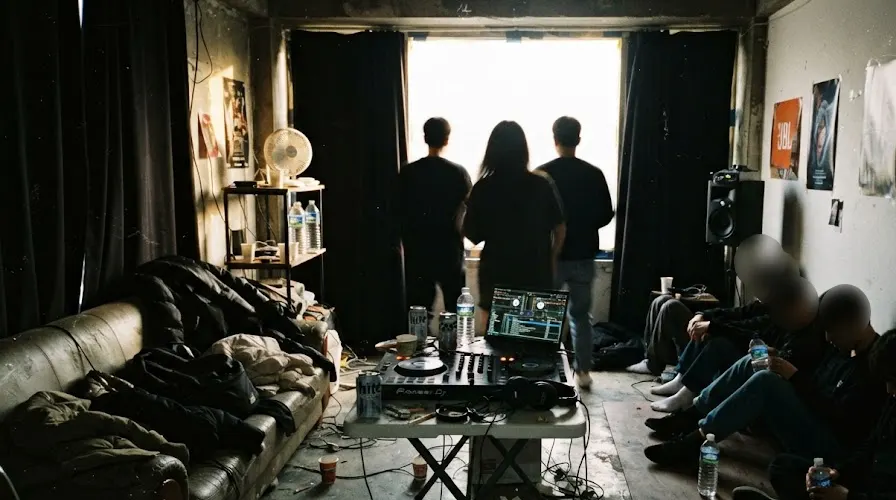
The afterparty is a logistics problem solving itself. The main club closes at 5 or 6am. A crowd that has been dancing for eight hours isn’t ready for daylight, has nowhere to be, and has momentum. The response is migration: an apartment with good neighbours or none, a warehouse, an unlicensed private club, a rooftop, a beach if the season allows. Someone has speakers. Someone knows a place. The semi-legal infrastructure that runs underground scenes everywhere was substantially invented to answer one question: where do we go now?
What Changes After 6am
Everything about the brief changes. The floor shrinks from hundreds to dozens, and everyone left is there entirely on purpose, the most committed filter in nightlife. The DJ stops playing for the room and starts playing for the moment: slower, stranger, more personal records, the B-sides and the hour-long ambient detours no peak-time slot forgives. I’ve played my best sets to twenty exhausted people on a Sunday morning, and every DJ I respect says the same. The afterparty is where reading a room graduates from skill to intimacy, and where the long-set tradition actually lives.
The Berghain Alternative
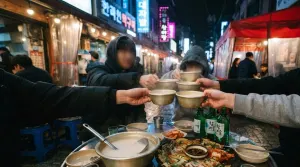
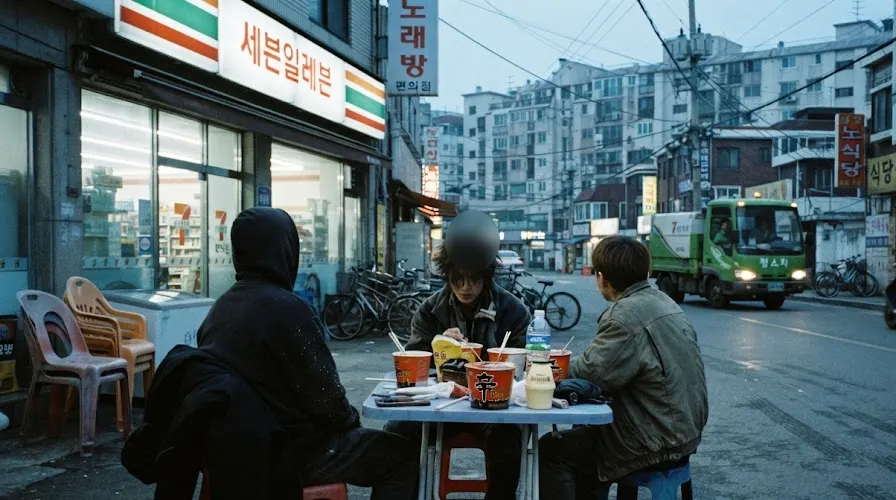
Berlin institutionalised the afterparty by refusing to close: Berghain runs from Saturday night to Monday morning, so the after-hours floor is simply the same floor, later, with the door curating who reaches it. It’s the exception that proves the rule: most cities’ licensing regimes force the migration model instead, and each city’s version reveals its character: Berlin’s marathon institutions, London’s warehouse geography, and Seoul’s sunrise-food endings, where the jjimjilbang and the haejangguk pot absorb what other cities pour into a second venue.
Why It Matters More Than It Looks
The afterparty is the scene’s real social fabric. Lineups get planned there, crews form there, and half the collaborations in any city’s music community trace back to a 9am kitchen conversation. It’s also where the culture’s risks concentrate: exhaustion, excess, no security, no duty of care, which is why experienced heads treat it with respect rather than romance. But the romance is earned. Clubs are businesses; the afterparty is a gift economy, hosted at cost, soundtracked for love, gone by noon. Every scene’s memory is disproportionately made of them, which is why an oral history of any dance music city is, mostly, an oral history of what happened after six.
What Morning Looks Like in Seoul Now
Seoul’s after hours is shrinking, and the numbers say so plainly. NH Nonghyup card data comparing the first half of 2023 with the first half of 2026 found pub transactions between midnight and 1am down 42 percent, and after 1am down 43 percent, per Segye Ilbo. Pub customers in their 20s fell 52 percent over the same period. An afterparty needs a crowd that’s still out at 5am. Fewer people are even reaching midnight.
The morning hasn’t emptied, though. It’s changed hands. Budweiser ran the fifth edition of its Early Bird party, a Sunday morning DJ event at Cove House in Mapo, on 20 September 2026, serving only Budweiser Zero, and advance tickets sold out on the first day, according to Hankyung. The first four editions drew more than 500 people in total. That’s the afterparty turned inside out: the same hour, the same kind of DJ, no night before it. I wrote about the wider shift in my piece on daytime parties and coffee raves.
Getting home has always been the hidden problem. In my own Seoul Nightlife Report 2025, 52.2 percent of respondents said they had missed the last train home, rising to 65.2 percent of 25- to 29-year-olds, and the full findings have the detail. You can see it in any venue at around 11pm: a big part of the room makes a run for the last buses and subways, because miss them and you may be stranded, with taxis refusing to take you. That’s not just my impression. A Seoul Digital Foundation and Kakao Mobility study found taxi refusals were residents’ single biggest late-night transport complaint, with unmet demand clustered around Hongdae, Itaewon, Jongno and Gangnam Station. The city’s new Firefly buses (반딧불이버스) started running in October 2026, with hours of 11pm to 5:50am and linking Hongdae, Gangnam, Myeongdong, Dongdaemun Design Plaza and Gwanghwamun, per Hankyung. Clubs and live music weren’t addressed in that plan. I’ve seen the Firefly buses out on the road, busy and clearly worthwhile, although sadly none of them goes anywhere near where I live. A bus at 5am does little for a party that ends at 9am. It does help the people who leave a club at 4 and would otherwise wait on a cold street. Alongside them, the city’s 14 existing owl bus routes (올빼미버스) still run from 11pm to 6am.
From the booth, the two mornings ask for different music. The afterparty still wants the strange, personal records this piece describes. The morning party wants warmth and a slow climb, for a crowd that slept and has somewhere to be by lunch. Seoul needs both, and I’d rather see the city plan for the second than pretend the first is the only real version. My list of alternatives to clubbing in Seoul shows how many people have already made that choice.
My Own Mornings After
I’ve been to so many great afterparties over the years that I can’t name one that really stands out. Seoul has always been blessed in that respect: there’s no set closing time, so most venues close when the people go home, and after that there has usually been an afterparty or a late-night venue somewhere.
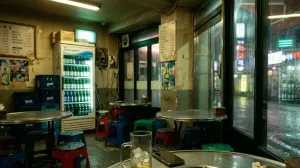
Haejangguk spots were great, and so were the barbecue places in Hongdae, which often became the afterparty. More importantly, the staff of the venues I worked at would all go for an early breakfast together.
These days I try to head home by one or two. Back in the day it was when the sun came up, and I got home however I could, sometimes by train, though taxis were cheaper then and more willing to pick you up.
People definitely drink less since COVID. They’re health-conscious and social-media-conscious, and younger patrons are drinking and spending less. To be honest, I haven’t been to an after-hours party since before COVID.
Go Deeper: After Hours, There and Here
A film, a few guides and the Seoul transport information that decides how most mornings end.
- Maestro (2003): the documentary on Larry Levan and the Paradise Garage, where the all night, until morning tradition was set.
- RA’s guide to Movement afterparties: Detroit’s festival weekend shows how a whole city’s after hours economy organises itself.
- Seoul Metropolitan Government: owl buses (Korean): the 14 late night routes, hours and fares for getting home before the first train.
- Edaily on the Firefly bus plan (Korean): what the city’s night economy plan promises, and what it leaves out.
- The Soul of Seoul: getting home after midnight: a practical English guide to night buses, taxis and the last subway.
Frequently Asked Questions
What’s an afterparty in club culture?
An afterparty is the continuation of a night once the main club closes, usually at 5 or 6am, for a crowd that’s not ready for daylight. It happens wherever the crowd can migrate to, such as an apartment, a warehouse, a rooftop or a beach when the season allows. It’s less a glamorous concept than a logistics problem solving itself.
Why do DJs say the afterparty is where the best music gets played?
After 6am the floor shrinks from hundreds to dozens, and everyone left is there entirely on purpose. The DJ stops playing for the room and starts playing for the moment, with slower, stranger and more personal records that no peak time slot would forgive. Many DJs remember their best sets as the ones played to a small, exhausted crowd on a Sunday morning.
How is Berghain different from a normal afterparty?
Berghain removes the need to migrate by refusing to close, running from Saturday night to Monday morning. The after hours floor is simply the same floor later on, with the door curating who reaches it. Most cities’ licensing regimes force the migration model instead, which makes Berlin the exception rather than the rule. The door side of that story is covered in what the Berghain queue says about club culture.
Why does the afterparty matter to a music scene?
The afterparty is a scene’s real social fabric, where lineups get planned, crews form and collaborations begin in morning kitchen conversations. It’s also where the risks of the culture concentrate, with exhaustion, excess, no security and no duty of care. Experienced heads therefore treat the afterparty with respect rather than romance.
Further Reading
- Wikipedia: the history of the afterhours club and why it exists
- Wikipedia: Berghain, the Berlin club that runs from Saturday night to Monday morning
- Wikipedia: Circoloco, the Ibiza party that turned the daytime after hours into an institution
- Wikipedia: DC10, the Ibiza venue famous for its Monday daytime parties
Written from Seoul, by someone who has been in the booth for more than twenty years. More on the site, or book a DJ.
Stay in the Loop
New writing on DJ culture, electronic music, and the Seoul underground, delivered when it matters.
More From The DJ Diaries
Play with the history
Four tools built from the same research as this site.