The Criminal Justice Act 1994 criminalised music characterised by “a succession of repetitive beats.” The parties had already changed the country.
On the night of 24 June 1989, thousands of people gathered at White Waltham Airfield near Maidenhead for A Midsummer Night’s Dream, one of the orbital M25 raves organised by Tony Colston-Hayter’s Sunrise company. They had found out about the location by calling a hotline number. By the time the Criminal Justice Act tried to criminalise this culture five years later, acid house had already produced an entire generation of DJs, an outdoor festival infrastructure, a legal club circuit, and four distinct genre branches.
The Haçienda Opens the Door
The Haçienda in Manchester, opened in 1982, was the precursor to the rave era. The venue was funded by Factory Records and New Order. In 1987 and 1988, the Haçienda became the place where Chicago house music was first encountered and embraced by British audiences in significant numbers. Residents such as Mike Pickering and Graeme Park played the imported Chicago records that defined those nights.
Sunrise and the Orbital Raves
The Sunrise organisation pioneered the orbital rave model. Rather than using a single fixed venue, Sunrise organised massive outdoor events at multiple locations around the M25 orbital motorway. Events would be announced through hotline phone numbers. Attendees would call hours before the event and receive the location information. Sunrise’s Midsummer Night’s Dream in June 1989 drew thousands, and its organiser only avoided prosecution by arguing it had been a private members’ party.
By 1991 and 1992, the legal nightclub infrastructure was expanding rapidly. Ministry of Sound opened in September 1991, deliberately designed as a superclub. The Criminal Justice Act of 1994, specifically Section 63, gave police powers to shut down open-air gatherings playing “music including sounds wholly or predominantly characterised by the emission of a succession of repetitive beats.” The Act was extraordinarily controversial.
Beyond a music genre and a drug culture, the rave era produced a festival infrastructure, a model of mass gathering, a sense of youth culture agency. The outdoor raves showed that youth communities could organise large-scale events without institutional support, without licensing.
What It Looked Like From Western Canada
I grew up in western Canada during these years, a long way from any M25 field. Beyond MuchMusic, and especially Electric Circus, its live dance show out of Toronto, the music also reached me in an unexpected way. British soldiers were training nearby, at the base at Suffield, and they gave me music and CDs, or I bought the ones they had sold to the local record shops.
Parties were word of mouth, or flyers handed out and left at coffee shops, record stores and the front doors of a few clothing stores. Funnily enough, Chris Sheppard out of Toronto was probably the first national DJ, with a radio show and mix CDs like his Pirate Radio Sessions series released at the time. MC Mario out of Montreal was another, poppier and more club house.
The sound was a welcome blend of acid, bass lines, vocal hooks, divas and catchy beats. Sometimes experimental, like The Prodigy’s “Charly,” sometimes slightly industrial, sometimes simply upbeat. Massive Attack were amazing in the nineties too, though most people now only know them through “Teardrop,” the theme song to House.
Why 1989 Still Matters in a Seoul Basement
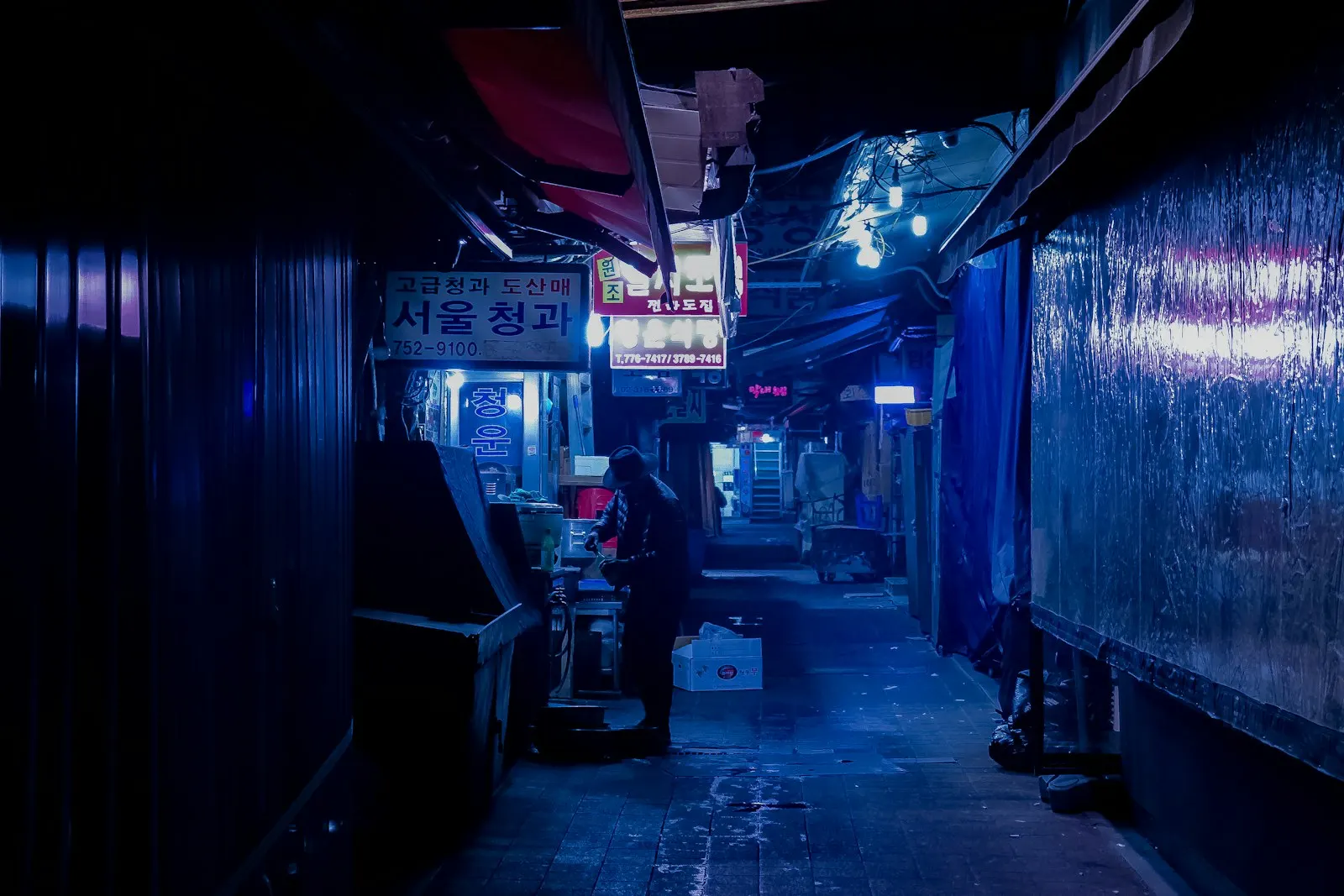
I bring this era up constantly. Every unlicensed warehouse party thrown anywhere since, including the Korean events that run outside the club system today, is running the Sunrise playbook: a location revealed late, a crowd that finds its way, an authority a step behind. The tools changed from phone hotlines to encrypted group chats. The choreography didn’t.
The other lesson is legislative, and it rhymes uncomfortably with Korea’s own licensing tangles: the Criminal Justice Act tried to define a culture out of existence by describing its drum patterns, and the culture changed rooms. Scenes route around law the way rivers route around stone: slowly, and then all at once.
Where the Fields Are Now
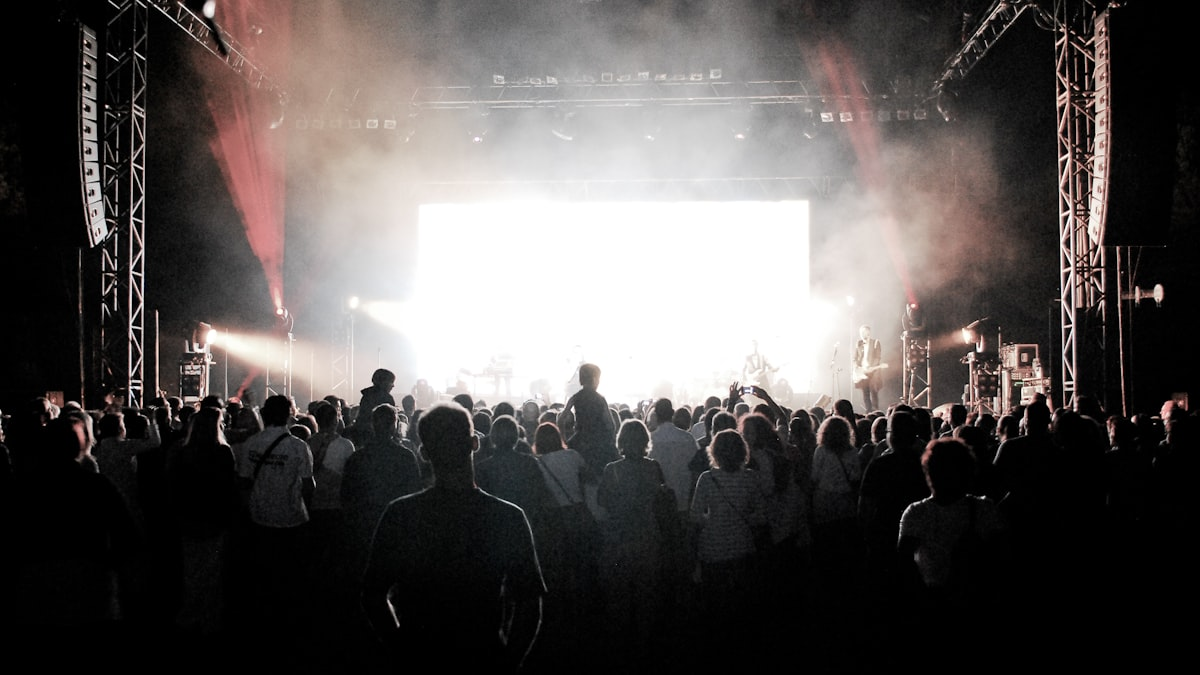
The outdoor side of the rave era has its clearest Korean echo in the camping festival. TOR Festival made its debut on 29 and 30 August 2026 at Geumgwang Campsite in Anseong, a single-stage techno event running past twenty hours, with Marcus L, Siot and Stann Lumo on the lineup. Marcus L founded Faust in Itaewon in 2014, so the line from a Seoul club to a field is short and direct. It’s the orbital model with a tent and a permit: a crowd that travels out of the city, a long night, one sound system.
The other thing that carried over from 1989 is the risk of too many people in too small a space. In July 2024 the Boiler Room night at Sfactory in Seoul was stopped early as Peggy Gou took the stage. Fire services estimated around 4,500 tickets for a 2,000-capacity venue, and at least five people had breathing difficulties, as RA reported. Boiler Room disputed that it oversold. I won’t add to that record. It’s still the case I think about when I look at a door count.
Regulation has since moved down to smaller events. In April 2026, the government began drafting crowd safety guidelines for events under 1,000 people, covering pre-event planning, separate entry and exit, and density monitoring of the kind used at the BTS Gwanghwamun event, according to Asia Economy. The Sunrise generation spent five years a step ahead of the authorities. In Korea in 2026 the safety rules are arriving before the next big outdoor scene does, and that’s the right order. What those standards require of a specific organiser is a question for the district office and a qualified safety planner, not for me.
For a DJ, the field changes the job. Sound travels, wind moves the high end around, and a set at 7am in a campsite needs a different arc from a basement at 2am. The Korean festival calendar now runs from Seoul Land to Nami Island, and I keep it current in my Korean festival guide. The money side, including why a field costs more than it looks, is in my piece on festival economics.
Go Deeper: Watch, Listen, Read
The rave era is unusually well documented, from art films to flyer archives. Start with these.
- Everybody in the Place, Jeremy Deller (BBC, 2019): an artist’s classroom history linking acid house to the miners’ strike and Thatcher-era Britain.
- Energy Flash by Simon Reynolds (Faber): the standard history of rave, with the orbital parties and the Criminal Justice Act told from the dancefloor.
- Last Night a DJ Saved My Life by Bill Brewster and Frank Broughton: the wider DJ story, including the Ibiza-to-London route that sparked acid house.
- Museum of Youth Culture: Raving in Rural Locations: photographs and testimony from the fields, barns and quarries that hosted the parties.
- Sunrise and Back to the Future: a concise record of Tony Colston-Hayter’s promotions, including the membership-card defence used after White Waltham.
- Chris Sheppard: background on the Toronto DJ and Pirate Radio Sessions mixes that carried the sound across Canada.
Frequently Asked Questions
What were the M25 orbital raves?
The orbital raves were large outdoor parties held at changing locations around the M25 orbital motorway, pioneered by Tony Colston-Hayter’s Sunrise organisation. Attendees called a hotline number hours before the event to learn the location. Sunrise’s A Midsummer Night’s Dream at White Waltham Airfield on 24 June 1989 drew thousands.
What did the Criminal Justice Act 1994 do to raves?
Section 63 of the Criminal Justice Act 1994 gave police powers to break up open-air gatherings of 100 or more people playing music defined by repetitive beats. The Act was extraordinarily controversial. By the time it passed, acid house had already produced a generation of DJs, an outdoor festival infrastructure, a legal club circuit and four distinct genre branches.
What role did the Haçienda play in UK rave culture?
The Haçienda in Manchester, opened in 1982 and funded by Factory Records and New Order, was the precursor to the rave era. In 1987 and 1988 it became the place where British audiences first embraced Chicago house music in significant numbers. Graeme Park, who had been playing imported house records while working at Select-a-Disc in Nottingham, joined Mike Pickering on the Haçienda decks in 1987.
What did the UK rave era leave behind?
The UK rave era left a festival infrastructure, a model of mass gathering and an expanding legal club circuit, including Ministry of Sound, which opened in September 1991. It showed that youth communities could organise large events without institutional support. Its playbook of a location revealed late and a crowd that finds its way still shapes warehouse parties today, with encrypted group chats replacing phone hotlines.
Written from Seoul, by someone who has been in the booth for more than twenty years. More on the site, or book a DJ.
Stay in the Loop
New writing on DJ culture, electronic music, and the Seoul underground, delivered when it matters.
More From The DJ Diaries



Play with the history
Four tools built from the same research as this site.