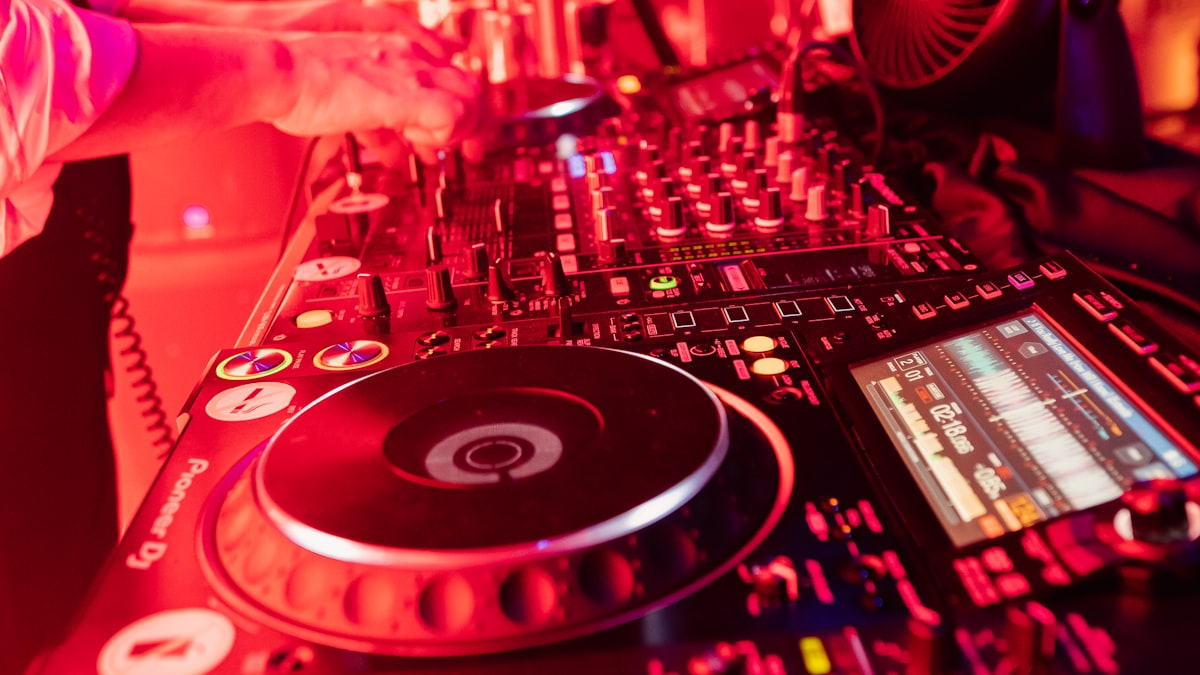
Reading a room is like reading a conversation. You listen more than you speak, and you listen for what is not being said.
The arc
The energy arc is the invisible structure of every great DJ set. The arc begins at low energy, builds through the first hour as people decide to stay and begin moving. The energy rises through the second and third hours, reaching a peak. The descent begins gradually. The final hour brings the close, records that feel like they’re ending something rather than beginning something.
A DJ who plays their best record at hour one has made a fundamental error. The best record is the record that the room needs most, and the room doesn’t need much at hour one. The best record should come during the peak, when the room is most receptive, most ready to hear something exceptional.
The Shape of a Set
Energy across four hours, and the things on the floor that tell you where you are on it
Play peak records at 11pmand you empty the floor by midnight. The first hour is seduction: recognisable enough to orient people, strange enough to make them stay.
What you watchObservable signals, not a mood.
The request testA request asks you to put one person ahead of the whole room. Most working DJs say no, and the no is necessary rather than rude.
244 hours is the Guinness record for the longest club DJ set, played in Saluzzo, Italy, in May 2024. The arc on this page covers four.
Sources: Guinness World Records
The three parts of a set
The first hour of a set is the slowest and least obvious part of a DJ’s work. The room isn’t yet ready for peak energy. People are still making decisions about whether they’ll stay. A DJ who plays peak-hour records at 11pm will empty the floor by midnight. The work of the first hour is seduction. The tempo should rise slowly. The records should be recognisable enough that people feel oriented, strange enough that they want to stay and hear what comes next.
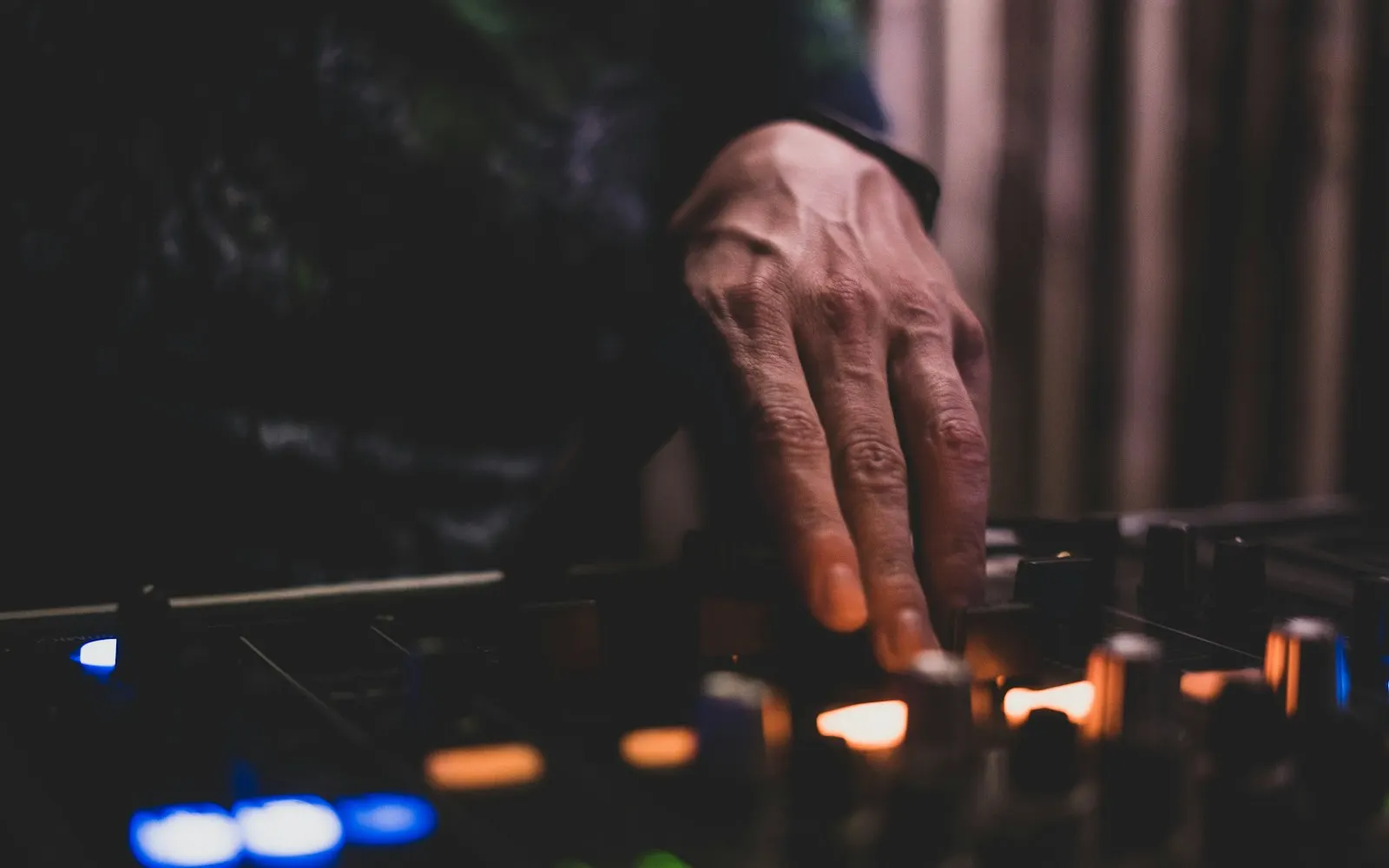
The peak hour is when the room is finally yours. The energy is high, the floor is full, the sound system is loud enough that conversation is impossible. This is when a DJ can play records that would have seemed too loud or too strange an hour earlier. The peak hour is where the earlier choices start to make sense.
The close is the most difficult part of a set and the least understood. A DJ can’t simply turn down the volume and play quiet music. The close requires records that are complex enough to hold attention even as the energy descends. The last record should land on a specific note, not a summary. The room should empty slowly, people reluctant to leave, but knowing that the set has ended at its proper moment. A close takes as much skill as a peak. The model most DJs point to is Larry Levan, resident at New York’s Paradise Garage for its whole run from 1977 to 1987, in a room whose dancefloor was reportedly designed around Richard Long’s sound system. Most DJs never learn how to do it.
What you actually watch
Reading the room means watching specific things: whether people are dancing facing the DJ or facing each other; whether the floor is full or sparse at the edges; whether the conversations at the bar have stopped or continued; whether the front rows are clustered around the booth or spread across the floor. These are observable data points that a DJ accumulates over hours of watching. If you aren’t watching the floor, you aren’t reading the room.
The request test
The request is the constant test of a DJ’s discipline. A person at the booth asking for a specific record is asking the DJ to shift attention from the room to the individual asking. A DJ who takes requests is saying that the individual asking is more important than the hundred or thousand people dancing. Most professional DJs don’t take requests, and the no is necessary rather than rude.
The technical basics of DJ performance are learnable in months. Beatmatching, EQ transitions, basic phrasing. What takes years is the ability to make decisions under pressure, with a room full of people who have paid to be there, in real-time, without the ability to revise or undo. The difference between a competent DJ and an excellent one is the quality of those real-time decisions, built through thousands of hours of standing in booths and watching what happens.
The night the room reads you
Every DJ eventually gets the other kind of night, the one where nothing lands. The record that killed last month dies in silence, the floor thins, and you can feel the room reading you instead: watching the booth to see whether you panic. The discipline is to shrink the night rather than force it. Stop playing for the room you wanted and play for the six people actually dancing, because six people who mean it will pull a floor back faster than any panic bomb ever has. I’ve watched that rescue work dozens of times and watched the alternative fail just as often.
Room-reading is the least teachable and most learnable skill in this trade: nobody can hand it to you, and anybody can earn it by watching floors for a few hundred nights. It’s also the strongest case for the long set, which gives you the hours to be wrong and recover. If you’re early in that apprenticeship, start with the beginner’s guide and then go watch a great resident work a Tuesday crowd. That’s the whole curriculum.
Frequently Asked Questions
How do you read a crowd as a DJ?
By watching specific, observable things rather than trying to sense a mood. Whether people are dancing facing the booth or facing each other, whether the floor is full or thinning at the edges, whether conversation at the bar has stopped, and whether the front rows are clustered or spread. None of it is mystical. It’s a set of data points you accumulate over hundreds of nights of standing in a booth and paying attention.
What’s the energy arc of a DJ set?
It begins low, builds through the first hour while people decide whether to stay, rises through the second and third to a peak, then descends deliberately to a close. The common error is playing your best record in the first hour. The best record is the one the room needs most, and at hour one the room doesn’t need much.
Should DJs take requests?
Most working DJs don’t, and the reason is structural rather than snobbery. A request asks you to shift attention from the room to the one person asking. Saying no isn’t rude, it’s the job. The exception is a room where the brief is genuinely to play what the audience asks for, and you should know before you start which kind of night you’re working.
What do you do when a DJ set isn’t working?
Shrink the night rather than force it. Stop playing for the room you wanted and play for the handful of people who are actually dancing. Six people dancing honestly will pull a floor back faster than any panic record. Reaching for the biggest track you have when a room has gone cold almost always makes it worse, because the room can tell.
How long does it take to learn to read a room?
Longer than the technical skills and less time than people fear. Beatmatching, EQ and phrasing are learnable in months. Room-reading takes a few hundred nights of watching floors, which is why residencies teach it and one-off bookings don’t. Nobody can hand it to you and anybody can earn it.
Further Reading
- Wikipedia: Last Night a DJ Saved My Life, the definitive history of the disc jockey
- Wikipedia: the DJ mix as a form, from sequencing to transitions
- Wikipedia: beatmatching, the core technical skill of the mixing DJ
- Wikipedia: Larry Levan, the Paradise Garage DJ famous for reading and shaping his room
Written from Seoul, by someone who has been in the booth for more than twenty years. More on the site, or book a DJ.
Stay in the Loop
New writing on DJ culture, electronic music, and the Seoul underground, delivered when it matters.
More From The DJ Diaries



Play with the history
Four tools built from the same research as this site.