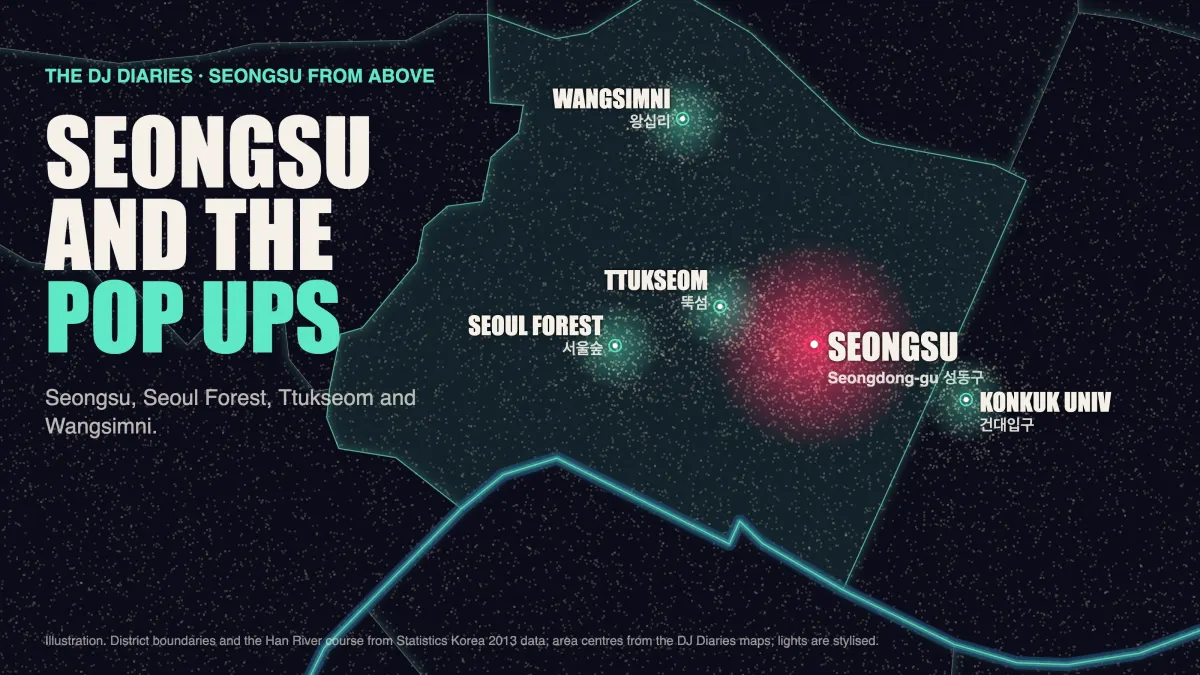
In April 2026, more than 60 pop up stores were running at the same time in Seongsu (성수동) in a single week, according to the marketing newsletter OpenAds. Every Seongsu pop up wants a line outside, a camera inside and, more and more often, a DJ in the corner. For people who play records for a living, this old factory district on the east side of Seoul has become one of the most reliable daytime gigs in the city. It’s also one of the strangest. The booth is a folding table, the room is full of sunlight, and the crowd is shopping.
한국어 요약
일주일에 팝업 60개, 성수동이 만든 새로운 DJ 일자리
제게 성수동 팝업은 요즘 서울에서 가장 꾸준하면서도 가장 낯선 낮 시간 DJ 일입니다.
- 팝업의 규모: 2026년 4월 한 주에만 성수동에서 60개가 넘는 팝업이 동시에 열렸고, 2025년 전국 팝업은 3,371개였습니다.
- 비싼 바닥: 160제곱미터 공간의 하루 임대료가 300만 원대, 330제곱미터는 1,000만 원대라는 보도가 있습니다.
- DJ가 하는 일: 햇빛 아래 네 시간에서 여섯 시간 동안, 대화가 가능한 음량으로 누 디스코, 발레아릭, 부드러운 딥하우스를 틉니다.
- 카메라의 시간: 릴스 촬영이나 제품 공개 순간에 맞춰 큰 곡을 준비해 두느냐가 다시 불리느냐를 가릅니다.
팝업 일은 평일 낮에도 DJ에게 수입과 긴 세트 경험을 주지만, 그 자체로 신을 만들지는 못합니다. 저는 브랜드가 빌려 쓰는 음악 문화에 조금 더 돌려주기를, 로컬 DJ의 이름을 밝히고 어두운 클럽을 후원하기를 바랍니다.
잘못된 정보나 바뀐 날짜를 발견하셨나요? 연락 주시면 확인 후 바로 고치겠습니다. 현장에서 보고 들은 이야기도 언제나 환영합니다.
Seongsu Nightlife Map: Venues, Streets and What’s On
Here is Seongsu as it stands now: the venues, the streets worth knowing and what’s on in the next two weeks. Tap a pin for the sound, the address and directions on Naver or Kakao Map.
Seongsu nightlife map
Seongsu turned shoe workshops and warehouses into cafés and brand spaces, and now has a serious techno room in UNDERCITY.
Venues on this map: UNDERCITY (언더시티), B1, 61 Seongsui-ro 22-gil; Seongsu Station (성수역), Seongsu Station, Seongdong-gu (Line 2); Ximxim Bar (심심), Rm 308, 3F Bldg B, S-Factory, 11 Yeonmujang 15-gil, Seongdong-gu; TCC Seoul (tcc), 1F, 302 Gwangnaru-ro, Seongdong-gu; Dumb Seoul (덤서울), 2F, 394 Ttukseom-ro, Seongdong-gu; S-Factory (에스팩토리), 11 Yeonmujang 15-gil, Seongdong-gu.
Streets and corners: Seongsu Station (성수역), Seongsui-ro (성수이로).
The Short Answer
Seongsu is Korea’s best known pop up district, and a growing number of its pop ups hire DJs to give a temporary space a mood. The work is closer to hotel lounge programming than to a club set: daylight, retail volume and cameras everywhere. It pays and it builds skills, but it won’t build a scene on its own.
How a Factory District Became Seoul’s Showroom
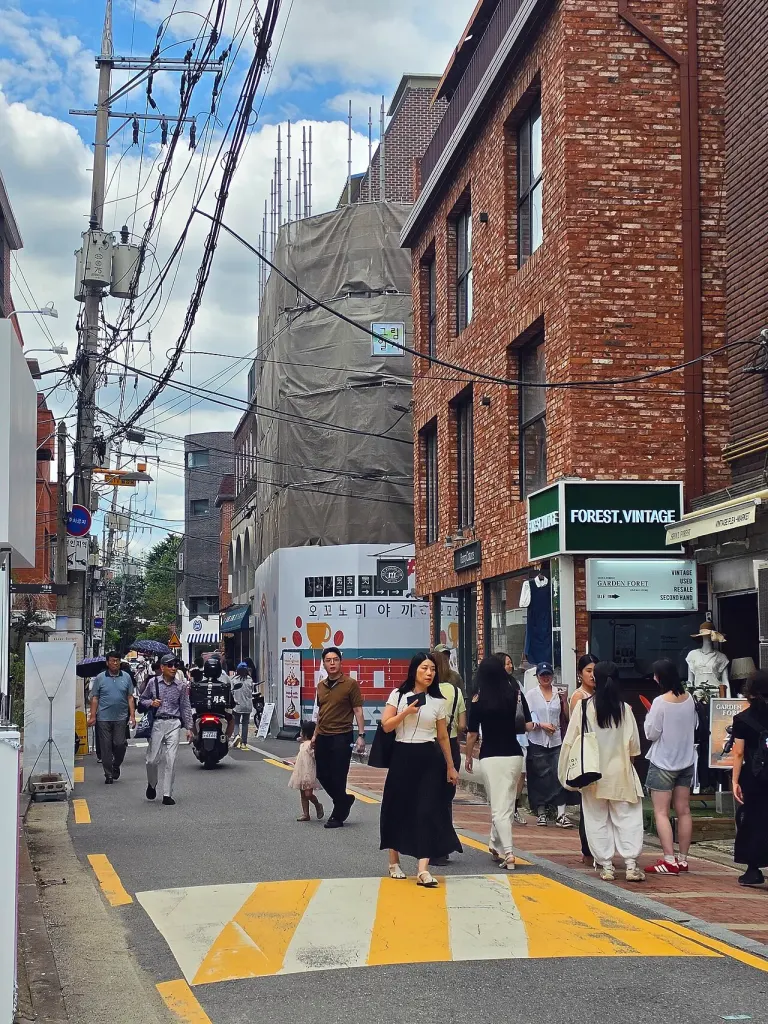
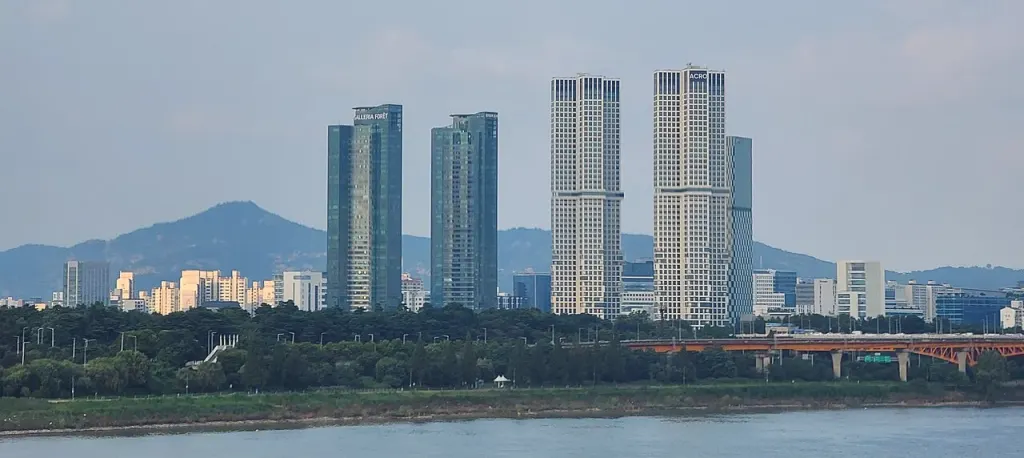
Seongsu grew up as an industrial district from the 1960s, full of workshops and small factories. Over the past decade it turned into what Korea JoongAng Daily called Gen Z’s Instagrammable playground, with around 90 pop ups a month by 2025 and a Time Out ranking as the world’s fourth coolest neighbourhood in 2024.
The appeal to brands is physical. Big brick buildings, high ceilings and wide floors make it easy to build a set and tear it down within weeks. Yoon In-seok, a team lead at the pop up firm Sweetspot, told Newspim in September 2026 that large, single owner properties are one reason planning and permits are simpler than in more fragmented streets like Garosugil. Some pop ups do lead somewhere. Newspim named the Italian fashion label Subdued and the perfume house Amouage as brands that moved from Seongsu pop ups to permanent stores.
For a Canadian picture, imagine a stretch of Queen Street West in Toronto where a third of the storefronts changed hands every fortnight, each with its own queue and playlist. That’s a normal Saturday on Yeonmujang-gil (연무장길), Seongsu’s main pop up street.
The Numbers Behind the Seongsu Pop Up Economy
OpenAds counted 3,371 pop up stores across Korea in 2025 and reported that this was a 96 percent jump on the previous year. A separate count by Sweetspot, reported by Asia Economy, found 2,130 pop ups nationwide in the first half of 2026, up 44.9 percent from 1,470 a year earlier.
The price of standing in Seongsu is steep. Asia Economy reported daily rental fees in the 3 million won range for a 160 square metre space, about CAD $2,900, and in the 10 million won range for 330 square metres, about CAD $9,600. Rents per pyeong (평), the Korean unit of floor area, on Yeonmujang-gil are roughly three times what they were five years ago. In the Newspim piece, Yoon said daily fees in Seongsu were nearing 30 million won, about CAD $28,800, yet corporate demand hadn’t dropped because brands treat the area as a test bed.
There are signs the map is widening. Sweetspot’s data shows Seongdong district’s share of all pop ups fell from 34.9 percent in the first half of 2025 to 26.0 percent in the first half of 2026. Yongsan, which includes Itaewon and Hannam, jumped from 66 pop ups to 165 over the same period. JoongAng Daily had already reported that rents on Seongsu’s main blocks had doubled.
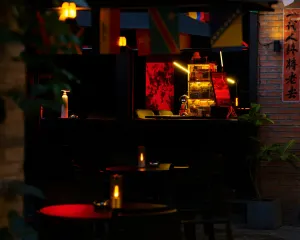
Seongsu at night, on foot
What a DJ at a Seongsu Pop Up Does
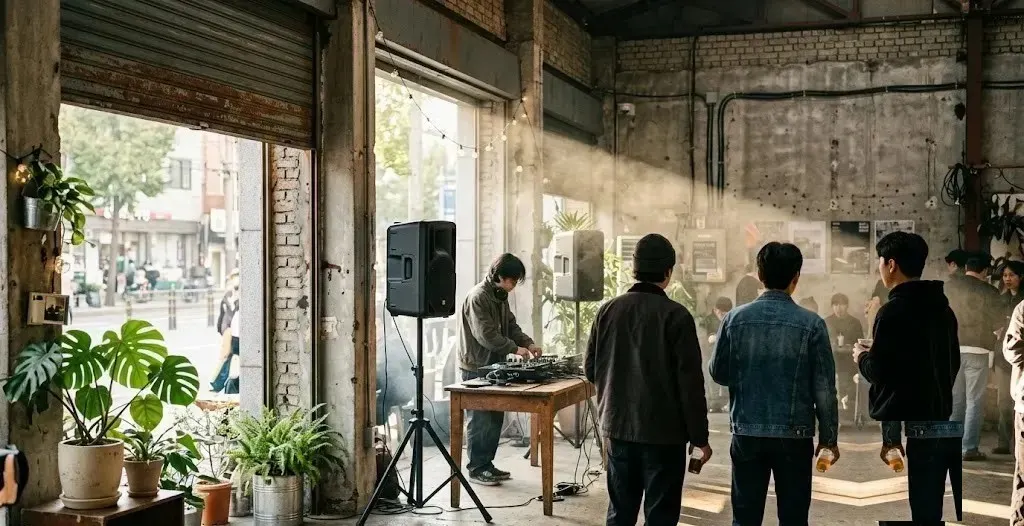
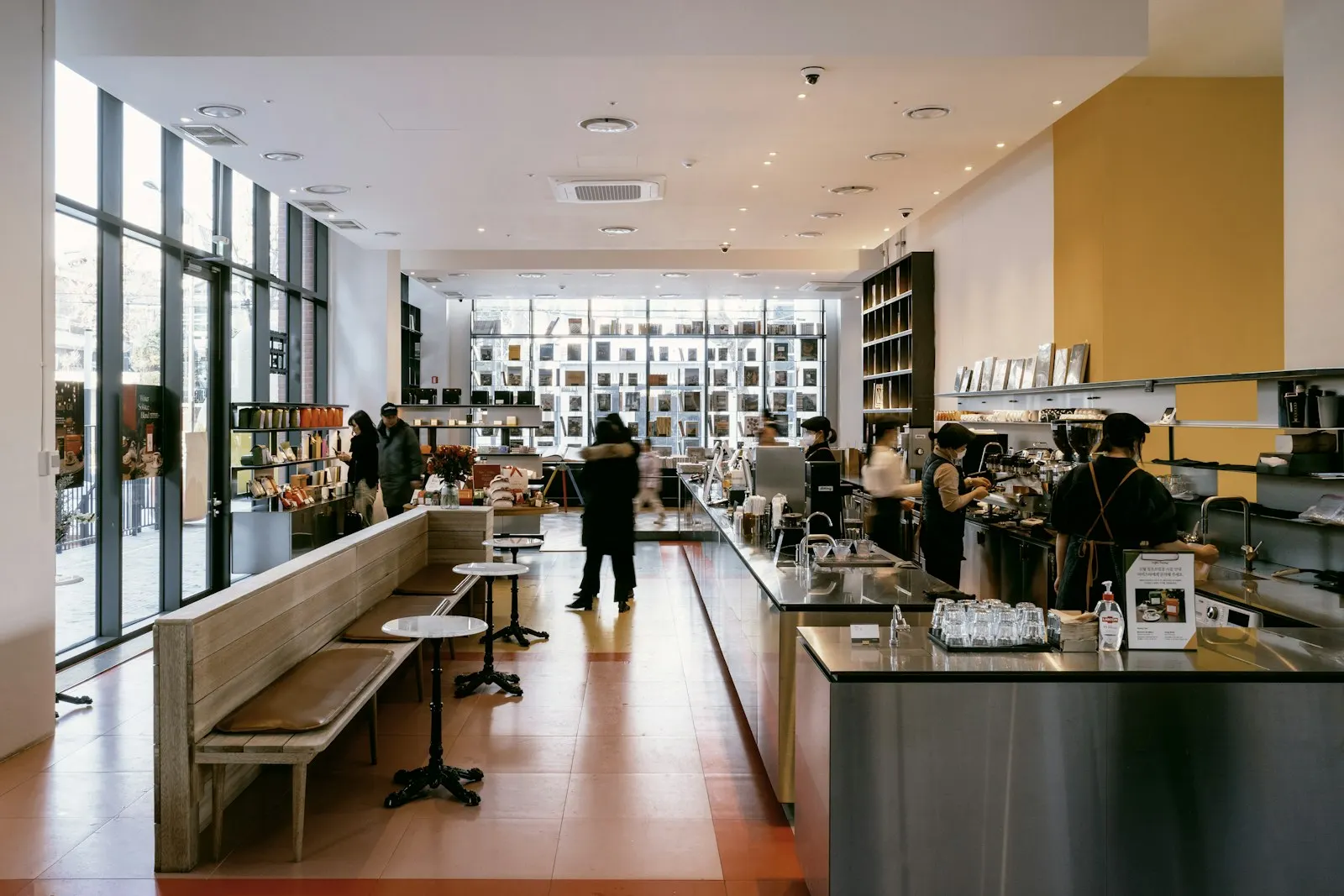
The job starts long before the first record. A brand agency sends a mood board, a brand colour and sometimes a list of songs it likes. The set is often four to six hours in daylight, with the booth placed where it looks good on camera rather than where it sounds good. Power comes from whatever socket is nearest. Speakers are usually a pair of small powered tops, sometimes without a sub.
Volume is the first discipline. Staff need to talk to customers, customers need to hear each other, and a queue outside should hear enough to be curious. Everything I’ve written about keeping your levels out of the red applies twice over when the room has concrete walls and glass shopfronts.
Selection is the second. Daylight crowds respond to warmth: nu disco, which is modern dance music built on disco grooves, Balearic records with a slow, sunny swing, and gentle deep house. Hard kicks and long builds belong to a dark room at 2am. Vocals in Korean or English that people half recognise tend to make shoppers linger. The brief is rarely to make anyone dance.
Cameras, Content and the Brand Hour
The third part is the camera. Many pop ups hire content crews, and the DJ is part of the set dressing. There will be a moment when the agency wants a big track for a reel, a celebrity arrival, or a product reveal. Knowing when that moment is, and having the right record cued, is the difference between a DJ who gets rebooked and one who doesn’t. My longer guide to DJs for brand activations and launch events covers the planning side. On the social side, the same rules apply as in social media for DJs: be present on camera, but play for the room.
How It Differs From a Club Night
In a club, the DJ builds the night. People arrive for the room and stay for the arc, and reading the room means watching bodies on a dancefloor. At a pop up, the crowd refreshes every ten minutes, nobody came for the music, and the client measures success in foot traffic and posts. There’s no peak hour. There’s a steady state.
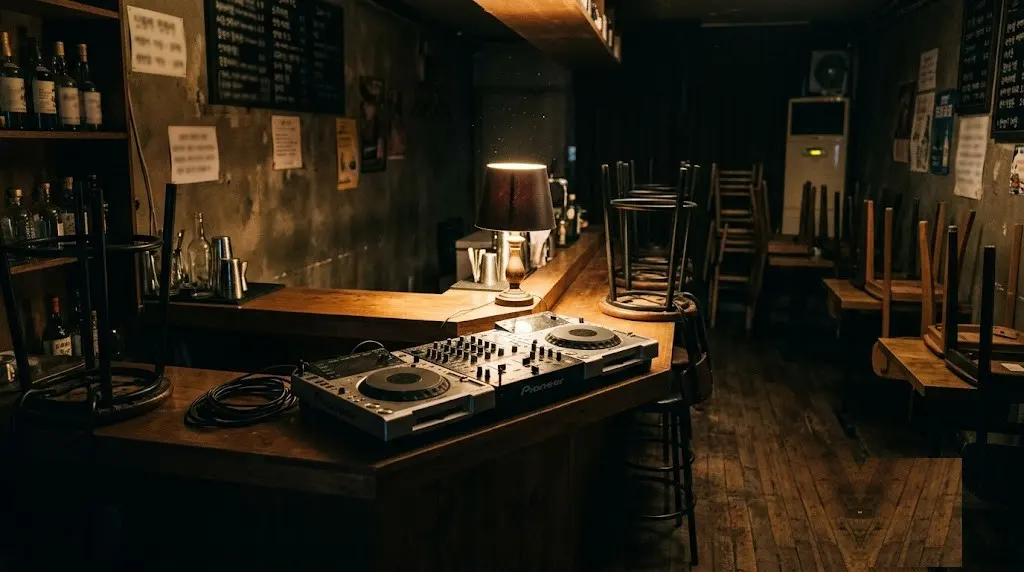
The gear is different too. A club like Faust is built around a proper sound system in a dark space. A pop up is built around lighting for photos. The DJ may be on a controller placed on a plinth covered in the brand’s fabric, with a monitor that’s just the main speaker pointed the other way.
Seongsu isn’t purely retail, though. The neighbourhood has real music culture, from cafes with good systems to the Seoul Record Fair, whose 14th edition took place at PUBG Seongsu in October 2025 with 62 booths. Diggers who want more of that side will find it in my map of Seoul’s LP bars and record shops.
Does the Seongsu Pop Up Circuit Help or Hurt the Scene?
It helps in plain ways. Brand money pays working DJs on weekdays and in daylight, when clubs pay nothing. Many DJs in this city fund their record habit and their late night residencies with this kind of work. The skills transfer as well: long sets, volume control, reading a client and turning up on time with a backup cable.
It hurts in quieter ways. When a brand can pay more for four hours on a Saturday afternoon than a small club can pay for a whole night, some DJs stop saying yes to the club. Fees also become hard to compare. My breakdown of what it costs to hire a DJ in Seoul exists partly because brand budgets and club budgets live on different planets. And a crowd that meets DJs only as background at a shop may never learn what a real dancefloor feels like.
What I Actually Think
Pop up work is honest work, and nobody should be snobbish about it. The DJs who do it well are doing something difficult: holding a mood for hours in a room that was designed for photographs, not sound. Anyone who has played a hotel lobby or a gallery opening knows how much skill that takes.
What worries me is where the value goes. Seongsu charges brands tens of millions of won a day for a floor, and very little of that reaches the people who make the atmosphere. A DJ fee is usually a rounding error next to the rent. The best outcome would be brands spending some of that money on the music culture they borrow from: booking local selectors by name, crediting them in the content, and sponsoring the dark rooms where those selectors learned to play. For anyone planning an activation who wants that kind of booking, our booking page is a good place to start.
The Other Side Of This
Brands owe the club scene nothing, and many DJs are glad of a clear brief and a fee paid on time. Retail music is an old profession, and there’s nothing wrong with a set designed to help people browse. Some listeners first hear a genre in a shop and follow it into a club later.
It’s also possible that the boom is already cooling. Sweetspot’s figures show Seongsu’s share of pop ups falling as brands look to Yongsan and Jung district. If that continues, the Seongsu gig may become one stop on a wider circuit rather than the centre of it.
Watch and Listen
Budweiser Korea’s own film of a listening party, the kind of brand night where a DJ’s job is part music and part hospitality.
Frequently Asked Questions
How many pop up stores are in Seongsu?
OpenAds reported more than 60 pop ups running at once in a single week in April 2026. Korea JoongAng Daily estimated around 90 a month in 2025. Numbers change constantly because each store runs for only days or weeks.
How much does it cost to rent a Seongsu pop up space?
Asia Economy reported daily fees in the 3 million won range for about 160 square metres and in the 10 million won range for about 330 square metres. A Sweetspot team lead told Newspim some fees were nearing 30 million won a day. Exact prices depend on size, location and dates.
What kind of music works at a pop up store?
Warm, mid tempo music tends to work best, such as nu disco, Balearic records and gentle deep house. The volume has to leave room for conversation. The brand’s own brief and audience come first.
Is playing pop ups good for a DJ’s career?
It pays and teaches long set discipline, client handling and volume control. It rarely builds a following on its own, because the crowd didn’t come for the DJ. Most DJs balance it with club nights or radio.
Sources
- OpenAds: Pop up store trends in 2025 and 2026
- Korea JoongAng Daily: The Seongsu-dong aesthetic
- Newspim: Seongsu as a pop up test bed for global brands
- Asia Economy: The changing pop up map and Seongsu rental fees
- Newsis: 14th Seoul Record Fair at PUBG Seongsu
Written from Seoul, by someone who has been in the booth for more than twenty years. More on the site, or book a DJ.
Stay in the Loop
New writing on DJ culture, electronic music, and the Seoul underground, delivered when it matters.
More From The DJ Diaries
Play with the history
Four tools built from the same research as this site.