Home » Why DJs Start Record Labels: The Honest Benefits, and the Drag
⏱ 9 min read
Starting a record label is almost never the way a DJ gets rich. Streams of niche club records pay close to nothing, vinyl ties up cash for months, and plenty of small imprints never sell through their first pressing. And yet for working DJs and producers, a label is still one of the smartest long game moves in electronic music.
The returns are real. They just arrive sideways: in bookings, in relationships, in music you get to play before anyone else, and in a body of work that keeps your name attached to a sound after the late nights get harder. This is the honest version of why DJs do it, with the costs left in. If you want the full economics of keeping a small imprint alive, that’s covered in how small labels survive in 2026. This piece is about what a label does for the person behind the decks.
레이블은 스트리밍으로 돈을 버는 길이 아닙니다. 하지만 현장에서 일하는 DJ와 프로듀서에게는 여전히 가장 효과적인 장기 전략 중 하나입니다. 수익은 음원 판매가 아니라 부킹, 관계, 그리고 남는 카탈로그에서 돌아옵니다.
취향의 브랜드화: 레이블은 개인의 셀렉션을 하나의 사운드와 정체성으로 만듭니다. 페기 구도 2019년 자신의 레이블 Gudu Records를 시작했습니다.
레이블 나이트: 솔로 세트보다 레이블 쇼케이스가 프로모터에게 훨씬 쉬운 제안입니다.
프로모 루프: 활동 중인 레이블에는 다른 레이블의 미발매 음원이 먼저 도착합니다.
현실: 스포티파이는 연 1,000회 미만 재생된 곡에 음원 로열티를 지급하지 않고, 인디 바이닐 제작은 3~7개월이 걸립니다. 계약과 권리 문제는 음악 전문 변호사와 상의하세요.
잘못된 정보나 바뀐 날짜를 발견하셨나요? 연락 주시면 확인 후 바로 고치겠습니다. 현장에서 보고 들은 이야기도 언제든 환영합니다.
Taste Becomes an Institution
A DJ’s real currency is taste. Play other people’s records and you’re telling a story somebody else started. Put records out under a name and the story becomes yours. A label turns private crate digging into something public, with catalogue numbers, a look and a sound people can follow.
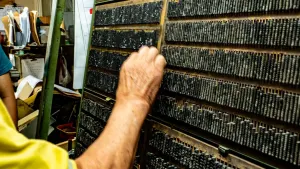
Stamping sleeves for the next release.AI image
It doesn’t matter whether that sound is deep rolling drum and bass, raw warehouse grooves from the nineties or strange edits nobody else would touch. What matters is that fans and bookers get a world to attach to your name. The shift is from hired selector to tastemaker, and promoters book tastemakers differently, because they’re selling a point of view as much as a set.
Peggy Gou is the obvious example from this side of the world. She launched her own imprint, Gudu Records, in 2019 and opened it with her Moment EP, putting house, disco and her Korean roots under her own roof rather than somebody else’s. You don’t need her profile for the principle to work. A label with six releases and a clear identity says more about your taste than six years of playing other people’s records.
The Outreach Flips
Cold demos and requests for guest mixes hit a lot of brick walls. Running an active imprint turns that around. Instead of asking for a favour, you’re offering something: a release, a remix slot, a spot on a label night. A message that says you loved an unreleased track someone played and you’d like to put it out opens doors a booking enquiry never touches.
It also builds a cohort. Release music by emerging producers and you earn a kind of loyalty that lasts. When one artist on your roster breaks through, the whole catalogue picks up attention, and new listeners work their way back through everything you put out before. That’s how small labels become reference points: not through one big record, but through a run of artists who came up together.
Out of Demo Limbo
Anyone who has sent demos to established labels knows the wait. Months in an inbox, then a release slot months after that, by which time the track that felt urgent in the booth has gone cold. Your own imprint takes the wait away. You choose the release date, the mastering, the artwork and the format, whether that’s a digital release, a dubplate, a short vinyl run or a cassette for the merch table.
There’s a rights side to this too. Putting your own music out on your own label generally means you aren’t handing control of your recordings to somebody else, and that’s a big part of the appeal. How it works in your case, and what you’d be giving up on another label’s contract, is a question for a music lawyer, not a DJ. Get the paperwork read before you sign anything, yours or theirs.
A Label Night Is an Easier Pitch Than a DJ Set
Pitch a solo set to a promoter and you’re one name on a long list. Pitch a label showcase and you’re handing them a concept: a bill of artists who belong together, a look for the poster, and an audience that already follows the imprint. It’s an easier yes.
Dirtybird is the textbook case. Claude VonStroke threw his first party in San Francisco’s Golden Gate Park in 2003, and about a dozen people showed up, counting the DJs. The parties grew by word of mouth, the label followed in 2005, and by 2015 there was a Dirtybird Campout festival. The parties built the audience that bought the records, and the records gave the parties a reason to exist.
At a smaller scale the logic holds in Seoul. A label night gives you and your core crew recurring dates, and it gives touring artists a reason to play your room when they pass through, because they’re joining something rather than filling a slot. It’s the same thinking behind the residency model, applied to a catalogue instead of a venue.
The Promo Loop
Labels trade music with labels. Once you’re running an active imprint, other labels, PR companies and distributors start sending you their upcoming releases, because a label owner who plays out is exactly who they want testing records on a proper system. That’s how advance promos, unreleased folders and the odd dubplate start landing in your inbox.
Most of it moves through promo platforms. Inflyte, one of the biggest, says more than 20,000 labels and agencies use it to reach over 125,000 DJs, radio stations and media, and it tracks who plays what. FATdrop and Promo Jukebox do similar jobs. None of them services you the moment you register a label name. Getting on lists comes from releasing good records, playing out and giving honest feedback when promos arrive. Do that consistently and your sets fill with music nobody else in the room has, which matters more than ever when everyone is buying from the same download stores.
Something That Outlasts the Booth
DJing takes stamina: late nights, early flights, sound checks in rooms that still smell of last night. A label builds something that doesn’t depend on you being in the booth at 3am. A catalogue keeps earning attention, it can be licensed for film and TV, it gives you records and merch to sell at every show, and it keeps your name tied to a sound for years after a residency ends.
It’s also a bridge into the rest of the industry. People who have run a label know A&R, release planning, artwork, distribution and event production from the inside, and those skills carry into creative direction, curation and consulting long after the touring slows down. Just don’t mistake a back catalogue for a pension. The income from a small one is usually modest, and how royalties and rights income actually work for you is, again, a question for somebody who isn’t a DJ.
The return is indirect. A label pays you back through stronger bookings, more showcase dates, a wider creative network and a body of work that outlives any single night. If that’s the return you want, it’s worth the drag. If you’re expecting the releases themselves to pay the rent, it isn’t.
Starting One From Seoul
The basics don’t change here, but the paperwork does. Registering a business, filing as a record producer with your district office and choosing a collecting society for songwriting all come up, and the details move often enough that you should check them with an accountant or the office itself rather than with a blog. The Korea section of the small labels guide lists the steps and the Seoul labels already doing it.
Frequently Asked Questions
Do DJs make money from running a record label?
Rarely from the records alone. Streaming pays very little for niche club music, and Spotify doesn’t pay recording royalties on tracks under 1,000 streams a year. The money usually arrives indirectly, through bookings, label nights, merch and the profile a strong catalogue builds.
Why do DJs start their own labels?
To turn their taste into something people can follow, to release music on their own schedule, to build relationships with artists by offering releases instead of asking favours, to get label showcases booked, and to get earlier access to promos from other labels.
How long does it take to press vinyl in 2026?
Indie runs of 300 to 500 records are taking roughly three to seven months, with six months common. Plan the release date backward from the pressing plant’s slot, not forward from when the music is finished.
Do you need a label to get DJ promos?
No. Labels and PR companies service working DJs through platforms like Inflyte, FATdrop and Promo Jukebox. Running an active label tends to put you on more lists, because other labels want label owners who play out to test their records.
The DJ Diaries is written from the booth by a DJ who has spent more than twenty years playing house and disco in Seoul. Where to go, how the night works, and the history behind the sound.
More by The DJ Diaries