“The brothers gonna work it out.” That chant opens “Leave Home”, the first track on Exit Planet Dust, their 1995 debut, and it still lands on a floor like a promise. For me, that’s where the Chemical Brothers start. The album was mind blowing and genre bending, and there still isn’t anything out there quite like it.
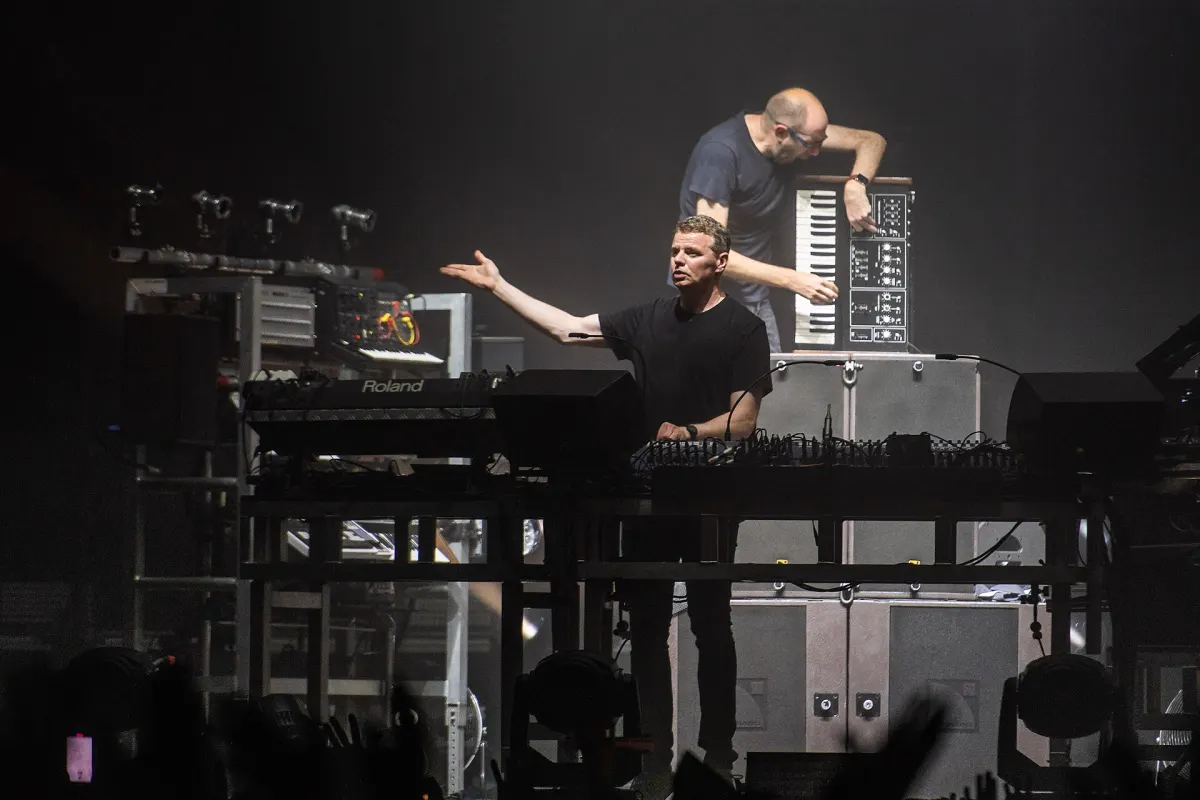
They started in the booth. Tom Rowlands and Ed Simons were two history students in Manchester, DJing big, noisy records and frustrated that there weren’t enough of them. So they made their own. More than thirty years later that’s still the job: records built for the second a room loses its mind, and a live show that gives the audience everything.
Two DJs Short of Records
They met at Manchester University in 1989. Within weeks they were DJing together as the Dust Brothers, playing any party that would have them and specialising in big beats and bigger noises.
The Chemical Brothers, 1989 to 2026
Two DJs short of records, who made their own
- 11989They meet at Manchester University Tom Rowlands and Ed Simons, studying history
- 21995Exit Planet Dust Renamed from the Dust Brothers. UK No. 9
- 31996Setting Sun With Noel Gallagher. UK No. 1
- 41997Dig Your Own Hole Block Rockin' Beats reaches UK No. 1
- 51999Surrender UK No. 1. Hey Boy Hey Girl
- 627 Jul 2007Pentaport, Incheon They open the Big Top Stage on the first night
- 72026TOMORA, and Go returns Come Closer with Aurora. Go charts again after Apex
The Korea Times called them a name synonymous with techno and electronic music itself in late 1990s Korea.
6 UK No. 1 albums by 2015, a record among dance acts shared only with The Prodigy.
6 Grammys from 15 nominations, two of them in 2020 for No Geography and Got To Keep On.
10 Glastonbury sets since 1995, with a record fifth Other Stage headline in 2019.
Sources: Music Week · GRAMMY.com · NME
There were never enough of those records. So they made one, gave it to Andrew Weatherall, and he championed it. By 1995 the American production team who already owned the Dust Brothers name had threatened to go to court. Rowlands and Simons became the Chemical Brothers, and kept DJing.
That booth instinct never left. The Brothers Gonna Work It Out mix album they released in 1998 shows how well they understood moving a room through a two hour set: not by playing the obvious records but by building tension and releasing it. The structure of a great DJ set and the structure of a great Chemical Brothers album aren’t that different.
Block Rockin’ Beats Made Big Beat a Floor Sound
Then the hits came, and they came at number one. “Setting Sun”, with Noel Gallagher on vocals, topped the UK chart in October 1996. “Block Rockin’ Beats” did the same in April 1997, and Dig Your Own Hole, which opened with it, went straight to number one on the albums chart. That song is still the anthem it was the day it came out.
What those records do on a floor is simple and brutal. Breakbeats played at rock volume. A bassline that hits your chest before your ears. A drop that feels like a physical event, not a change of key. It’s the sound that got called big beat, and they were never comfortable inside the label. The catalogue runs through psychedelic electronica, progressive house, techno and rock influenced records.
Surrender, and a Night in Canada
Surrender (1999) went to number one too, and “Hey Boy Hey Girl” reached number three. Built on a looped vocal hook and a four to the floor push, it’s the one that still works on a house floor today.
I saw the Chemical Brothers in Canada in December 1999, on the tour for Surrender. Amazing. Mind blowing, not so much for the live production as for the audiovisual show.
The Show Is the Instrument
That audiovisual show has a long history. Adam Smith, who directs it with Marcus Lyall, has worked with the duo since their second gig.
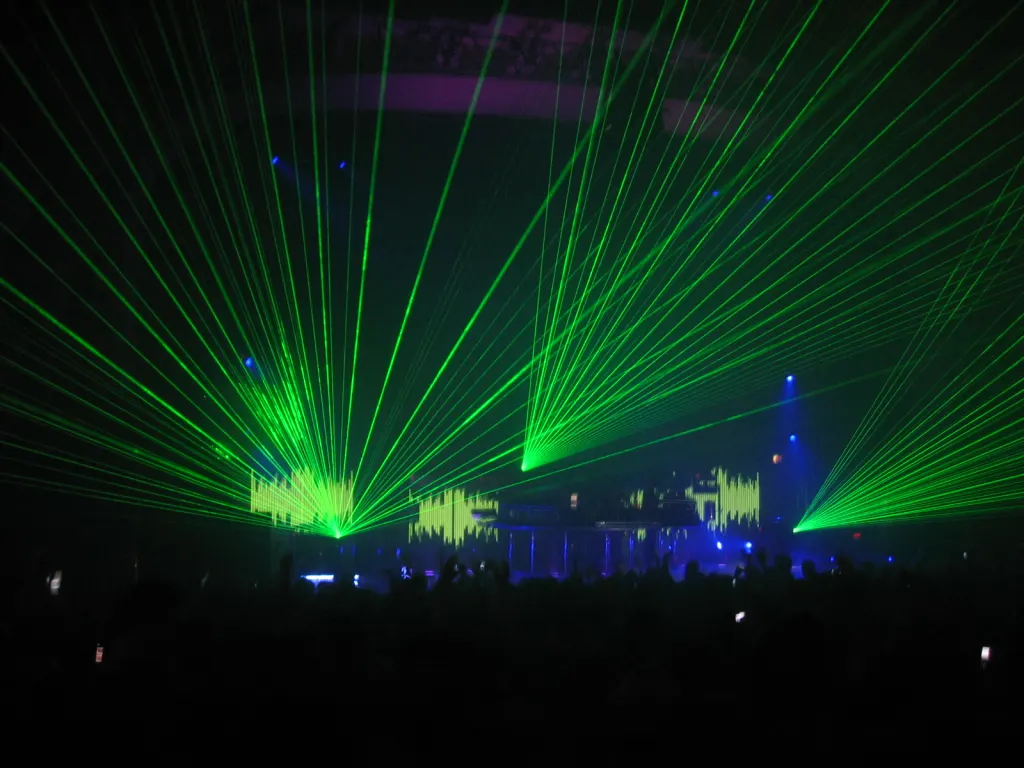
Asia got the best of it. Simons has said they headlined Fuji Rock seven times, in a 2012 interview, and Smith shot their concert film, Don’t Think, in front of a Fuji Rock crowd.
Every DJ has to ask at some point what they’re offering an audience beyond pressing play on a playlist. The Chemical Brothers’ answer has always been total commitment. If you’re playing music for people in a room, the music deserves everything you have.
Seoul Knew the Name
In Korea, the Korea Times wrote in 2007, the Chemical Brothers were “a name synonymous with techno and electronic music itself here in late 1990s”.
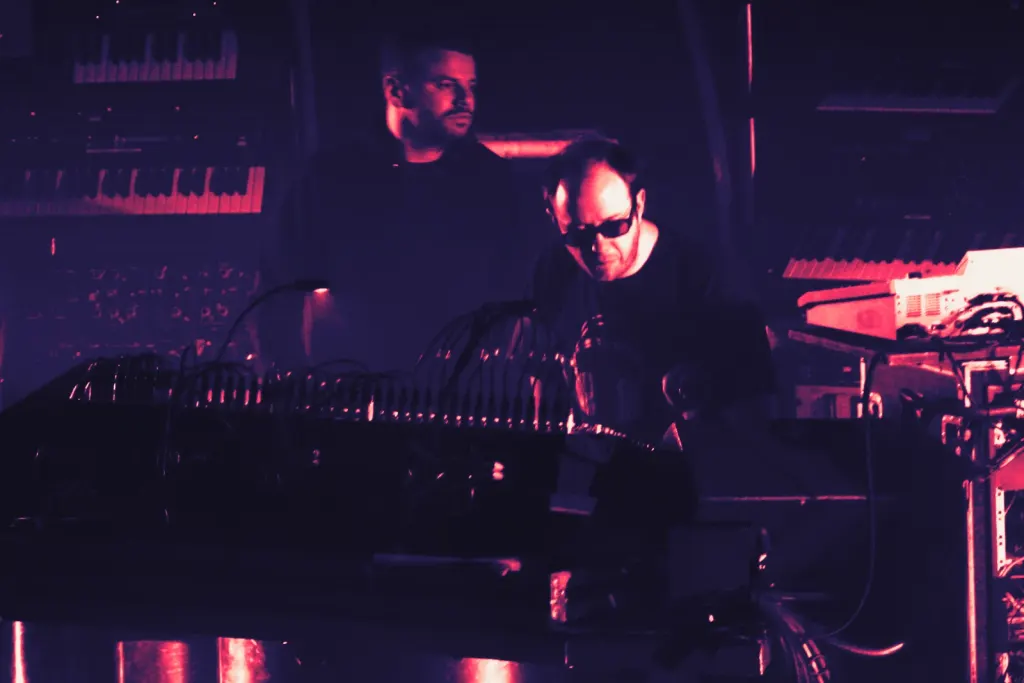
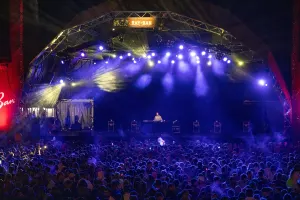
That July they came. Touring We Are the Night, they opened the Big Top Stage at Incheon Pentaport Rock Festival (인천 펜타포트 록 페스티벌) on 27 July 2007, the festival’s first night, with L’Arc~en~Ciel and Muse taking the following nights. Pentaport is still running, and here’s my review of the 2026 edition.
It’s a longer chain of influence than it might appear, but the Chemical Brothers are part of why Seoul’s electronic underground sounds the way it does. The DJs I know doing the most interesting work in the house and techno rooms of Hongdae (홍대) and Euljiro (을지로) grew up on exactly these albums, and took the lesson that electronic music doesn’t have to choose between physicality and emotional complexity.
Still Restless, but Not on the Road
Their tenth album, For That Beautiful Feeling, went top ten in the UK in 2023. In April 2026 Rowlands released Come Closer as TOMORA, a duo with Norwegian singer Aurora, who had sung on three tracks of No Geography. Their Coachella slot was announced before anyone knew who TOMORA was. Stepping outside the Chemical Brothers name to make something his reputation can’t explain says a lot about how Rowlands approaches music.
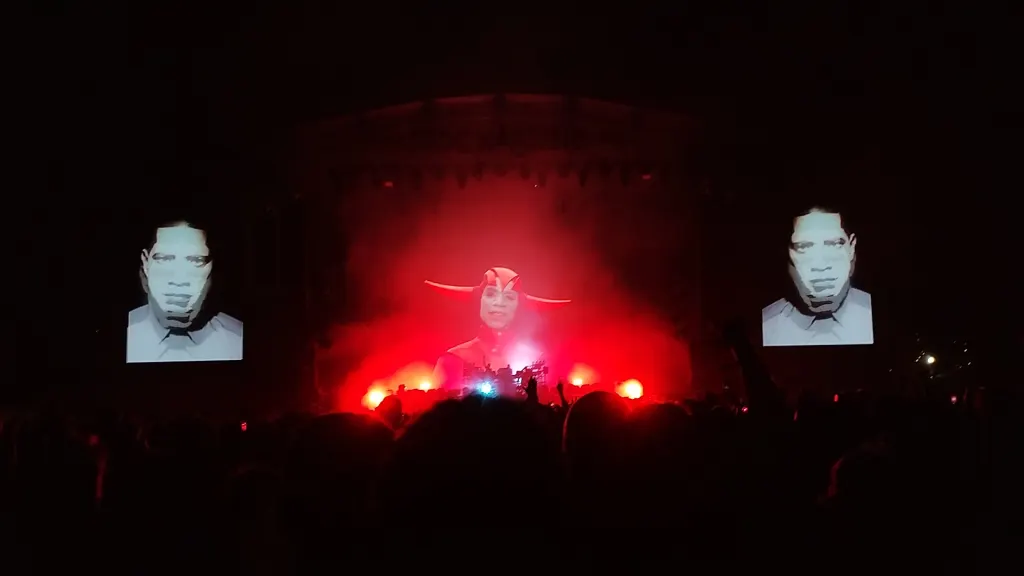
Then, in May 2026, an old record came back. “Go”, their 2015 track with Q-Tip, landed in the Netflix film Apex, picked by Taron Egerton himself, and went global. In the UK it climbed to number four, its first time in the top ten. The Official Charts record shows it entering at 22 in mid May, peaking on 4 June and spending 13 weeks in the Top 100 this year. It also topped the Official Singles Sales and Downloads charts, and by 22 October 2026 it had spent 24 weeks on the Official Dance Singles Chart, which it also topped.
How “Go” Climbed the UK Chart Again
Weekly position on the Official Singles Chart, 2026
2015년 곡 “Go”, 2026년 영국 차트 재진입
How to read itThe longer the bar, the higher the chart position. Its 2015 peak was number 46.
The complication is the road. No Chemical Brothers live dates were listed on their official site in early October 2026, and the band’s own news page has been mostly Rowlands’ side projects and anniversaries since 2025, including thirty years of Exit Planet Dust that June. A chart comeback with no tour behind it is an odd place for a live act to be. If the show is the instrument, the instrument is resting.
What to Play, and What to Play Back
As a DJ there are so many of their tracks you can play, depending on the room. In a big room you can slam out one of the classics, or go the other way with the newer disco feel of “Got to Keep On”.
To listen back, go in order. Exit Planet Dust front to back, starting with “Leave Home”. Then “Block Rockin’ Beats” and “Setting Sun”. Then “Hey Boy Hey Girl”, “Star Guitar” and “Galvanize”. Finish with “Go” and “Got to Keep On”, and hear how little the core idea has changed.
They were never a techno act or a house act or a hip hop act. They were all of those things in different proportions at different times. As I write in my piece on mastering the mix, the DJs who develop their own musical identity, rather than playing what’s fashionable, are the ones who build careers rather than moments. I trace more of the thread in my brief history of DJing.
Frequently Asked Questions
What was the Chemical Brothers’ breakthrough album?
Dig Your Own Hole (1997), which went to number one in the UK and contains “Block Rockin’ Beats” and the Noel Gallagher collaboration “Setting Sun”, both UK number one singles. Their debut Exit Planet Dust (1995) set the blueprint; Dig Your Own Hole took it mainstream.
Who are the two members of the Chemical Brothers?
Tom Rowlands and Ed Simons. They met studying history at Manchester University in 1989, DJed as the Dust Brothers, and became the Chemical Brothers in 1995 after a legal threat from the American production team of the same name.
Are the Chemical Brothers still making music?
Yes. Their tenth album, For That Beautiful Feeling, came out in 2023. In April 2026 Tom Rowlands released Come Closer as TOMORA with Aurora, and in May 2026 “Go” returned to the UK chart after featuring in the Netflix film Apex, peaking at number four and topping the Official Dance Singles Chart. No live dates were listed in early October 2026.
Have the Chemical Brothers played in Korea?
Yes. They opened the Big Top Stage at Incheon Pentaport Rock Festival on 27 July 2007, touring We Are the Night.
Credits and Rights
This article is about the work of The Chemical Brothers, Tom Rowlands and Ed Simons. Official site: thechemicalbrothers.com. Nothing here is affiliated with or endorsed by them or their label.
Rights, corrections and takedown. Images on this page are used editorially to illustrate writing about the artists and records discussed. Where a photographer or rights holder is identified, they’re credited above. If you hold rights in any image here, or if anything on this page is factually wrong about you or your work, get in touch and it will be corrected, credited properly or removed, promptly and without argument.
Related on The DJ Diaries: drum and bass vs dubstep, jungle vs drum and bass and dubstep and South London.
Written from Seoul, by someone who has been in the booth for more than twenty years. More on the site, or book a DJ.
Stay in the Loop
New writing on DJ culture, electronic music, and the Seoul underground, delivered when it matters.
More From The DJ Diaries

Play with the history
Four tools built from the same research as this site.