Haebangchon (해방촌) got its name in 1945. Returning Koreans and refugees settled a steep slope of Namsan (남산) after liberation, and the place has been called liberation village ever since. It never had a 300 capacity room or an international headline booking.
What it had instead was a community that used its bars and basements better than most cities use their main stages. Twenty years of playing this city has convinced me that HBC, not any single club, is the load bearing wall of Seoul’s underground.
The Hill Has Always Taken In Newcomers
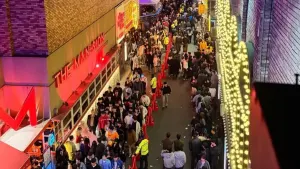
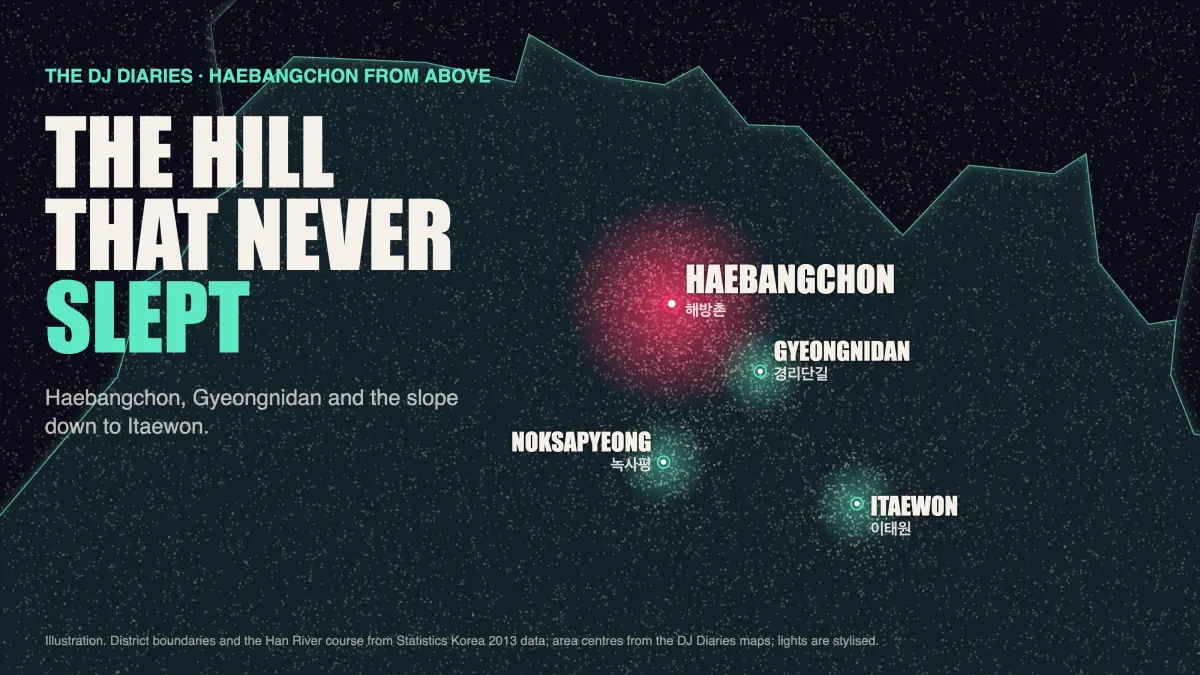
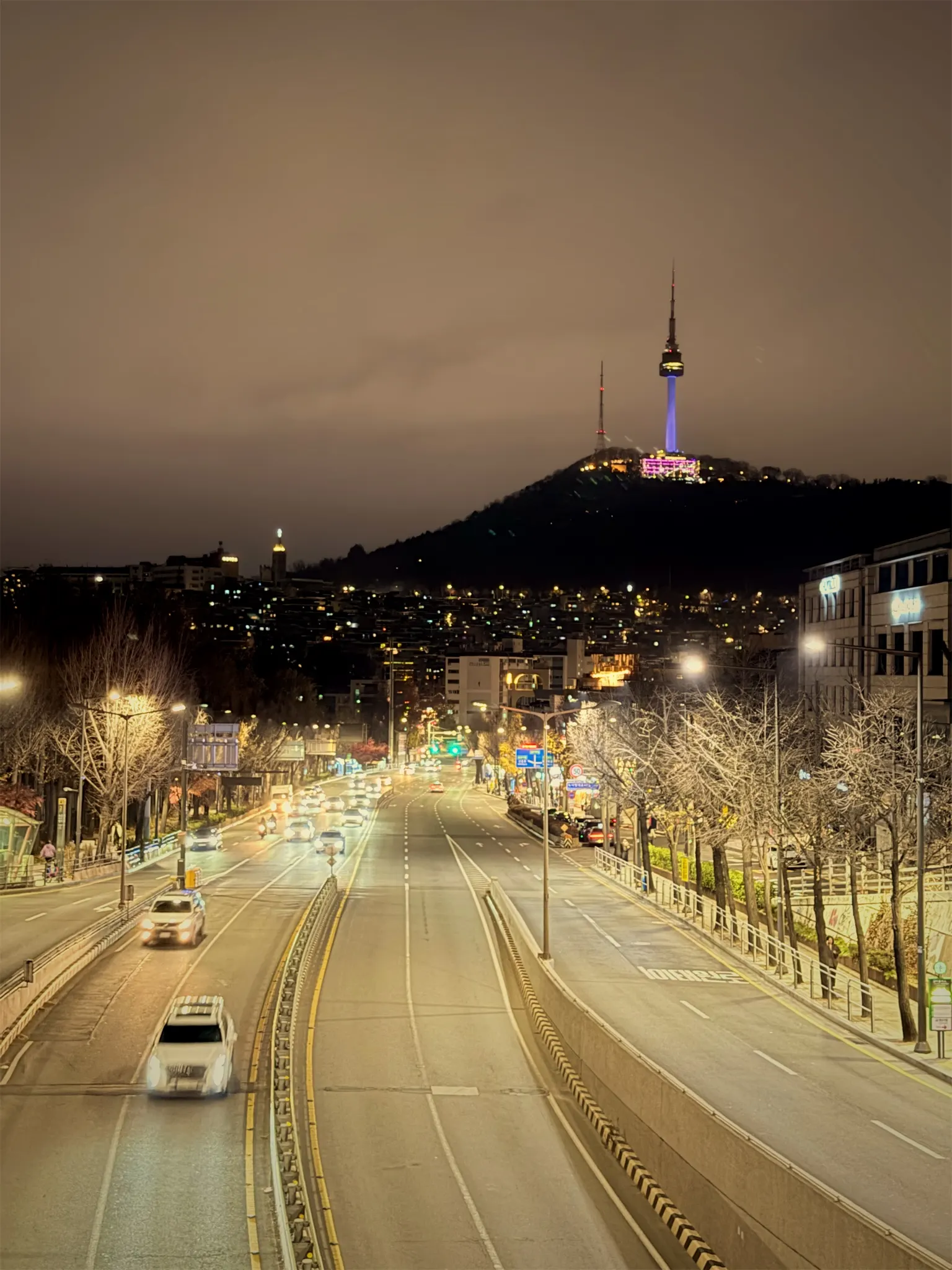
Haebangchon sits on the slope of Namsan in Yongsan-gu, between Itaewon to the east and Noksapyeong station to the west, and since 1945 it has absorbed newcomers the way other neighbourhoods absorb traffic. The streets are narrow and steep, lined with small restaurants, convenience stores and bars that have been there long enough to look like furniture.
There’s no international superclub here, no RA ranked room, no booking that registers on the international circuit’s radar. What the neighbourhood has is a density of small venues operating with a specific informality, and a handful of basements anchoring the serious end.
Haebangchon Nightlife Map: The Strip, the Hill and the Market
Here is the hill as it stands now: the main strip up Sinheung-ro, the market at the top, and Gyeongnidan (경리단길) on the far side of the slope. Tap a pin for the sound, the address and directions on Naver or Kakao Map.
Haebangchon nightlife map
Haebangchon (HBC) is the steep neighbourhood between Noksapyeong and Itaewon: the main strip up Sinheung-ro, the hill above it, the market at the top, and Gyeongnidan on the other side of the slope.
Venues on this map: Cul Sec (큐섹), 1F, 242 Noksapyeong-daero, Yongsan-gu (Haebangchon side); Boogie Woogie (부기우기), 2F, 21 Hoenamu-ro, Yongsan-gu (Haebangchon side); Sinheung Market (신흥시장), Sinheung-ro, Yongsan-dong 2-ga, Yongsan-gu; Noksapyeong Station (녹사평역), Itaewon-ro, Yongsan-gu; Hills & Europa (힐스앤유로파), 2F, 35 Sinheung-ro, Yongsan-gu; The Living Room (더리빙룸), B1, 45-13 Yongsan-dong 2-ga, Yongsan-gu; Seoul Vinyl (서울바이닐), 2F, 30 Sinheung-ro, Yongsan-gu; Gil Bar (길바닥), 1F, Sinheung Market, Yongsan-dong 2-ga, Yongsan-gu; Social Haven (소셜해이븐), 9 Sinheung-ro, Yongsan-gu; Snail Record & Bar (스네일레코드앤바), 1F, 99-7 Sinheung-ro, Yongsan-gu; The Studio HBC (서브라이엇 해방촌), B1, Sinheung-ro 7-gil 1, Yongsan-gu; Soap Coffee & Bar (소프커피앤바), 1F, 38-20 Yongsan-dong 2-ga, Yongsan-gu; Pet Sounds (펫사운즈), 3F, 278-8 Itaewon-dong, Yongsan-gu (Gyeongnidan); Roxy (록시), B1, 662 Itaewon-dong, Yongsan-gu (Gyeongnidan); Golmok Vinyl & Pub (골목바이닐앤펍), 2F 201, 557 Itaewon-dong, Yongsan-gu (Gyeongnidan); Salon de Muart (살롱드뮤아트), 2F, 226-6 Itaewon-dong, Yongsan-gu (Gyeongnidan); Sunset Mood (선셋무드), 4F, 226-6 Itaewon-dong, Yongsan-gu (Gyeongnidan); Dialogue (다이얼로그), B1, 44-18 Yongsan-dong 2-ga, Yongsan-gu; Karma (까르마), 2F, 46 Yongsan-dong 2-ga, Yongsan-gu; Lumen (루멘), 293-10 Itaewon-dong, Yongsan-gu (Gyeongnidan); Bandage (반창고), B1, 224-1 Itaewon-dong, Yongsan-gu (Gyeongnidan); Echi (에치), 1F 101, 630 Itaewon-dong, Yongsan-gu (Gyeongnidan); Rest (레스트), 1F, 580 Itaewon-dong, Yongsan-gu; Union B-Side (유니온비사이드), 1F, 564 Itaewon-dong, Yongsan-gu; Yeoinsook (이태원 여인숙), 1F, 350-3 Itaewon-dong, Yongsan-gu; Gyeongnidan Wine (경리단길와인), 1F, 630 Itaewon-dong, Yongsan-gu (Gyeongnidan); Pof (포프), 3F, 260-124 Itaewon-dong, Yongsan-gu; Seoul n Soul (서울앤쏘울), 1F, 1-508 Yongsan-dong 2-ga, Yongsan-gu; Springbok (스프링복), 2F, 1-46 Yongsan-dong 2-ga, Yongsan-gu (inside Sinheung Market); The Old Vic (올드빅), 1-489 Yongsan-dong 2-ga, Yongsan-gu; Calm (캄), 1-505 Yongsan-dong 2-ga, Yongsan-gu; Chakyung (차경), 2F, 1-82 Yongsan-dong 2-ga, Yongsan-gu; Pang Bang (방방), 1F and 2F, 1-684 Yongsan-dong 2-ga, Yongsan-gu; Gitana (히타나), 1F, 26-10 Yongsan-dong 2-ga, Yongsan-gu; Miam Miam (미암미암), 1F, 37-5 Yongsan-dong 2-ga, Yongsan-gu; TYMM (티와이엠엠), 2F 201, 38-11 Yongsan-dong 2-ga, Yongsan-gu; Frmr (프레이머), 4F, 20 Yongsan-dong 2-ga, Yongsan-gu; A Glass Of (어글라스오브), 1F 101, 19-1 Yongsan-dong 2-ga, Yongsan-gu; Ranke (랑케), 1F, Yongsan-dong 2-ga, Yongsan-gu; Genie Pub (지니펍 해방촌본점), 3F, 39-17 Yongsan-dong 2-ga, Yongsan-gu; Bar Inn (바인), B1, 1-463 Yongsan-dong 2-ga, Yongsan-gu.
Streets and corners: Sinheung Market (신흥시장), Snacks on Sinheung-ro, Cuevamatera (꾸에바마테라), Gyeongnidan-gil (경리단길).
The Bars Came Before the Clubs
The order matters. The expat presence from the 1990s onward, teachers, soldiers from the old garrison, lifers who never left, established a tolerance for odd hours and unfamiliar music. Affordable rents on a hill too steep for easy redevelopment, and held to a 12 metre Namsan height limit (Korean), drew Korean artists, foreign residents and small business owners in roughly equal measure.
Haebangchon Is Seoul’s Second Choice
Share of club goers naming each district first
해방촌, 서울 클러버의 두 번째 선택
How to read itWith no big club at all, Haebangchon beats Hongdae and Gangnam as a first choice.
The dive bar became the neighbourhood institution: a room of forty people, a decent pair of speakers, an owner who lets a local selector plug in on a Friday. By the time promoters started running proper events here, the audience already existed, trained by a decade of bars where music was played at listening volume by people who cared about it.
Song Do-young’s 2011 fieldwork in Itaewon, published in the journal 담론201, helps explain how that mix held together down the hill. It found the area’s ethnic, class and religious communities coexisting mostly by not intruding on each other’s ground, with contact kept largely to trade, and argued that this quiet non interference is what keeps the peace.
Four Rooms in Ten Minutes Is the Format
The HBC night is a walk: four rooms in ten minutes on foot, a door price of 10,000 won or none, and lineups that read as a community roster rather than a bill. It’s a Korean language first environment even in an international neighbourhood, cheaper than either Hongdae or Itaewon, and closer to a community gathering than a commercial club event.
This is the proving ground. As I describe in the Korean rave essay, promoters can fail cheaply here, DJs build up booth hours here, and crowds learn to trust unfamiliar music here before any of it graduates to Cakeshop sized rooms down the hill. In the 2025 nightlife survey, HBC took 23 percent of respondents’ preferred district votes, second only to Itaewon, an extraordinary share for a neighbourhood with no marquee venue.
Rising Rents Are Testing the Hill
The threat is the usual one. Seoul’s property market has found the hillside: rents that once forgave failure are rising, the garrison land below is becoming Yongsan Park, and every wave of coffee shop gentrification makes the neighbourhood more photogenic and less affordable. HBC has survived versions of this before, and its steepness and small floorplates buy it time that flatter districts never had.
Part of that protection was regulatory, and it’s loosening. In January 2024 Seoul made the first major change to its Namsan height districts in about 50 years, raising some limits around the mountain from 12 to 16 metres and allowing up to 45 metres for redevelopment schemes that pass a landscape review, while Yongsan-gu had lobbied for Haebangchon’s remaining 12 metre zones to be relaxed further.
The street next door is the warning. Heo Ja-yeon, Jung Yeon-joo and Jung Chang-mu’s 2015 study in Seoul Studies (서울도시연구) of Gyeongnidan-gil (경리단길), based on surveys of shop owners in March and June 2014, found the rent gap was the main driver of its gentrification, and that the process pushed out existing businesses and residents.
Whether HBC can keep what makes it useful, cheap rooms, patient audiences, owners who let strangers plug in, is the central question for its next decade, and for Seoul’s underground as a whole. Scenes need main stages, but they’re built in rooms like these, and the map has exactly one neighbourhood that manufactures them.
한국어 요약
해방촌 (HBC), 이렇게 즐기세요
해방촌은 남산 자락, 이태원과 녹사평역 사이에 있는 언덕 동네입니다. 큰 클럽은 없지만 서울 언더그라운드 음악에서 가장 중요한 지역 중 하나입니다.
- 이름: 해방촌은 1945년 해방 이후 돌아온 사람들과 피난민이 언덕에 자리 잡으면서 붙은 이름입니다. 줄여서 HBC라고 부릅니다.
- 밤 문화: 10분 안에 걸어서 갈 수 있는 작은 공간 네 곳을 오가는 밤이 해방촌의 특징입니다. 입장료는 보통 1만 원 정도이거나 없습니다.
- 인기: 2025년 서울 밤문화 설문에서 해방촌은 선호 지역 23%로 이태원 다음 2위였습니다.
- 가는 법: 6호선 녹사평역에서 언덕을 따라 올라가면 됩니다. 길이 좁고 가파르니 편한 신발을 신으세요.
잘못된 정보나 바뀐 날짜를 발견하셨나요? 연락 주시면 확인 후 바로 고치겠습니다. 현장에서 보고 들은 이야기도 언제나 환영합니다.
Frequently Asked Questions
What’s Haebangchon in Seoul?
Haebangchon (해방촌), often shortened to HBC, is a hillside neighbourhood on the slope of Namsan in Yongsan-gu, between Itaewon (이태원) and Noksapyeong station. Its name means liberation village and dates to 1945, when returning Koreans and refugees settled the hillside. Today its narrow, steep streets are lined with small restaurants, bars and basement venues.
Is Haebangchon good for nightlife?
Yes, for underground music, even though it has no marquee venue. Its signature is the multi venue night: four rooms within ten minutes on foot, a door price of 10,000 won or none, and lineups that read like a community roster. In the 2025 Seoul nightlife survey, HBC took 23 percent of preferred district votes, second only to Itaewon.
How is Haebangchon different from Itaewon and Hongdae?
Haebangchon is cheaper than either Hongdae (홍대) or Itaewon and feels closer to a community gathering than a commercial club event. It’s a Korean language first environment even though it sits in an international neighbourhood. Promoters can fail cheaply there, and DJs build booth hours before moving on to larger rooms.
How did the Haebangchon music scene start?
It grew out of bar culture, which developed there before any club culture. From the 1990s onward, teachers, soldiers from the old garrison and long term foreign residents established a tolerance for odd hours and unfamiliar music, and affordable rents on a hill too steep for easy redevelopment drew Korean artists, foreign residents and small business owners. By the time promoters started running proper events, the audience already existed.
Further Reading on The DJ Diaries
- How Seoul’s club scene survived COVID
- Hongdae vs Itaewon, night by night
- The Korean rave: how underground events work outside the clubs
- The Seoul Nightlife Report 2025: what the survey found
Sources
Song Do-young (송도영), Formation of an urban multicultural zone: Itaewon, 담론201 14(4), 2011
Written from Seoul, by someone who has been in the booth for more than twenty years. More on the site, or book a DJ.
Follow the rooms: Cakeshop on Instagram
Stay in the Loop
New writing on DJ culture, electronic music, and the Seoul underground, delivered when it matters.
More From The DJ Diaries
Play with the history
Four tools built from the same research as this site.