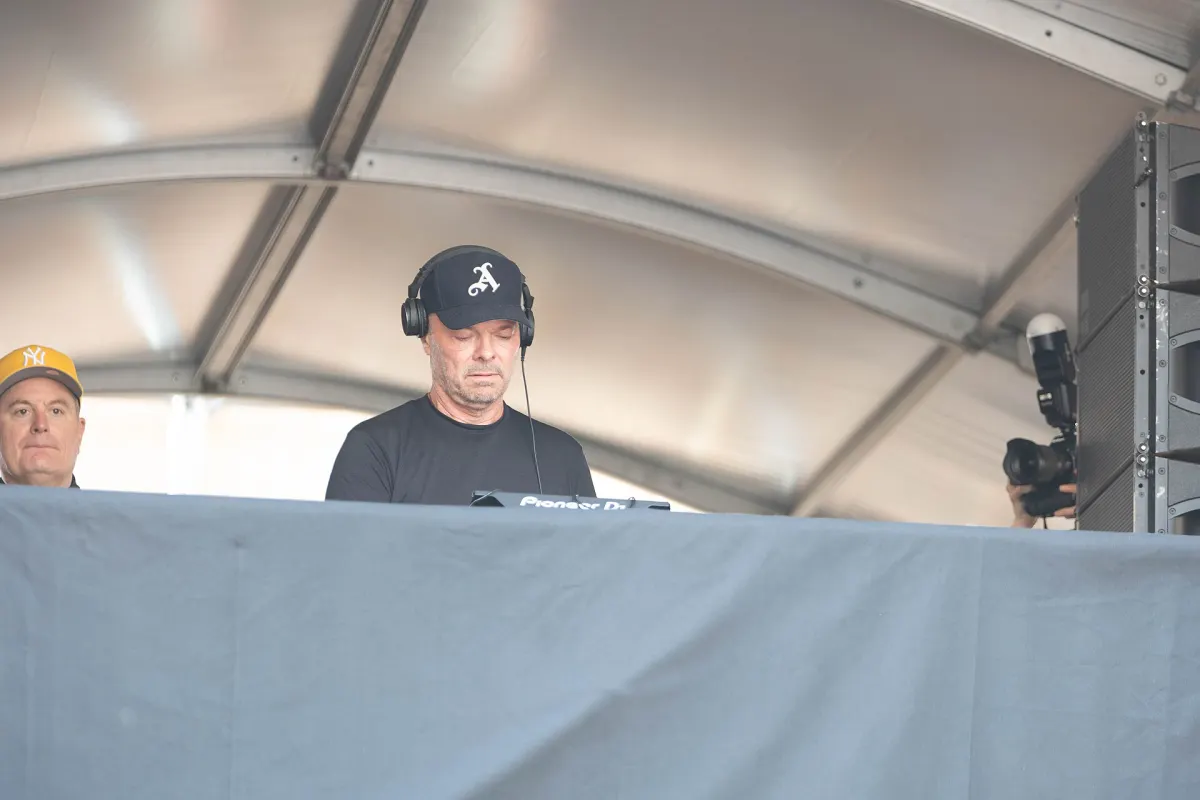
Pete Tong is the only person on this site I can say shaped my taste before I ever stood in a booth. I was in Canada, the Essential Selection was how the week’s dance music arrived, and his was the voice that told me what mattered.
Twenty five years later I’m in Seoul doing this for a living, and a meaningful part of the map in my head was drawn on a Friday night by a man in London I’ve never met.
So this is a piece about radio as much as about a DJ, because the radio is the part of his career that changed things.
The Essential Mix Was an Archive Nobody Planned
The Essential Mix began on BBC Radio 1 in October 1993 and became, without anyone designing it that way, the most important continuous record of dance music that exists.
Two hours, one DJ, no talking over the mix. More than thirty years of it.
Think about what that means practically. A DJ in Seoul or Toronto or São Paulo could hear a room in Sheffield exactly as it sounded, in full, every week, decades before anybody could stream a set. It was the closest thing the music had to a shared library, and its value has only gone up as the clubs that fed it have closed.
Tong himself calls the archive “an aural timeline, an historical document.” He’s right.
A Voice Is Harder to Replace Than a Taste
His sets are good. His productions exist. Neither explains the career.
The reason Pete Tong has outlasted almost everyone he started alongside is the voice and the cadence: the Friday announcement, the specific delivery of a man telling you what the week contained. For a generation of us outside the UK, that voice was the delivery mechanism for dance music.
Taste can be copied and playlists can be automated. A voice people recognise in two seconds can’t, which is why every attempt to build an algorithmic replacement for this job has produced something nobody talks about on a Monday.
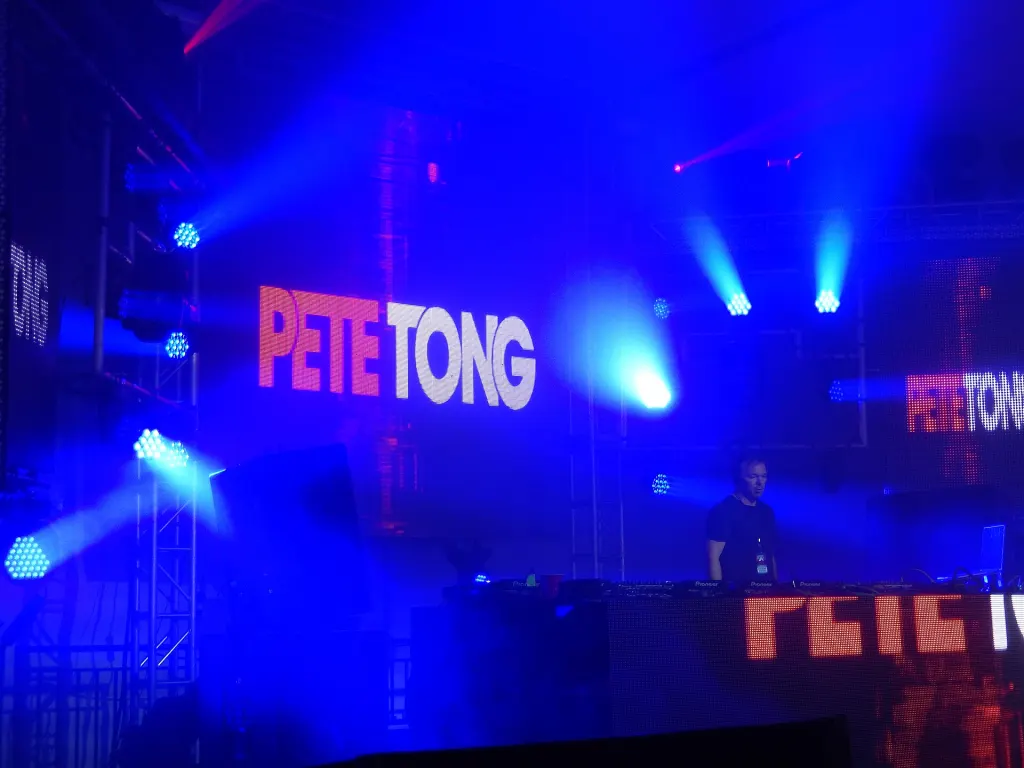
The Tastemaker Problem, Which Is Real
He held the gate on both sides of the glass. As an A&R at London Records he launched ffrr. As a broadcaster he decided what a national station played on a Friday night.
The honest objection is that one person holding that much influence over what a national broadcaster plays is a gate, and gates have politics. Plenty of records didn’t get through. Plenty of scenes waited longer than they should have for a nod from London.
I still think the trade was worth it, and I hold that view knowing the cost. A filter operated by somebody accountable and named beats a filter operated by a recommendation engine accountable to nobody.
At least you could argue with Pete Tong.

Ibiza Classics, and Why the Orchestra Worked
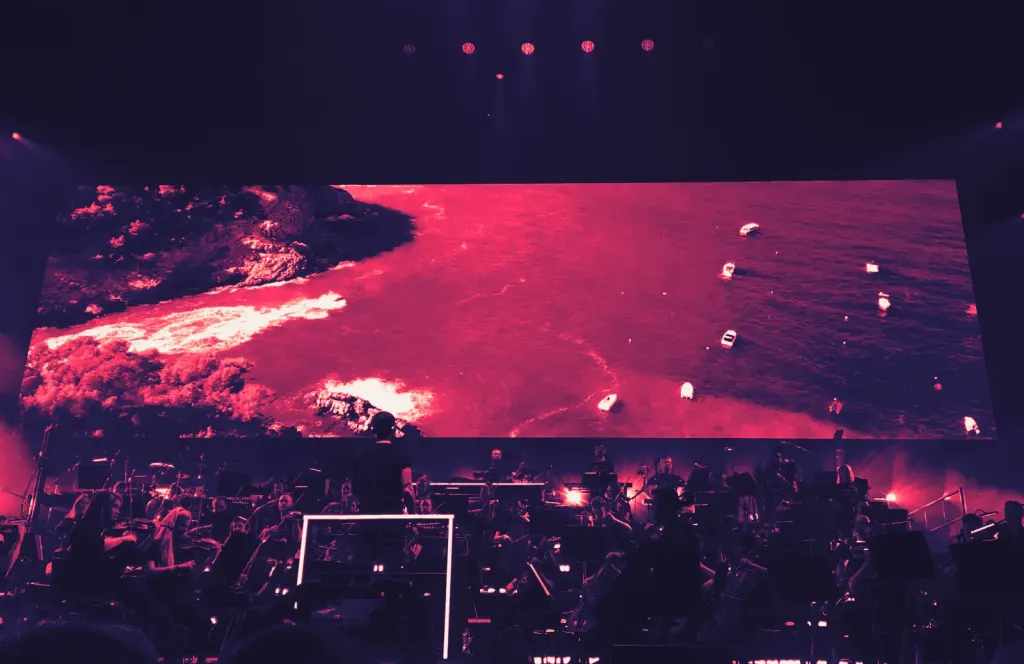
It started as a one off. In 2015 Radio 1 took Ibiza to the BBC Proms at the Royal Albert Hall, with Jules Buckley conducting the Heritage Orchestra. The album that followed, Classic House, went to number one in the UK.
Taking house records to a full orchestra sounds like the sort of idea that produces an embarrassing evening. It didn’t, and the reason is that a lot of those records were always built on real chord movement. Strip the drums and the harmony holds up, which is a quiet argument for the music being better written than its critics assumed.
Tong is easy to dismiss as an institution rather than a DJ, and the orchestral shows have made that easier for people who want to. That’s lazy.
The Part That Deserves Real Attention
In a Guardian interview in March 2026, Tong said he was diagnosed with hearing loss in his right ear about a decade ago. He now wears a hearing aid to keep DJing. Earplugs, he said, left him feeling cut off, because they change the whole experience of the room. He has since become an ambassador for Boots Hearingcare.
I want to sit on that for a second, because it’s the most useful thing any famous DJ has done in years.
Every working DJ I know who has been at this for decades has measurable hearing loss. Every one of us thought we were being careful. Tong saying it out loud, with his name attached and the stigma acknowledged, is worth more than a hundred articles about monitor levels. Including mine.
Go and get tested.
The Missing Row
In July 2026 John Summit publicly accused Tong on X. The claim was that Tong promised to release Summit’s remix of Everything But The Girl’s Missing, did nothing production wise, then put out a different remix of the same track with Franky Rizardo. Rizardo withdrew his version rather than release it under that cloud, and kept it for his own sets.
Tong’s team answered within days. Their statement said the Rizardo version was newly recorded, that talks with Summit had been about a separate orchestral version for Ibiza Classics and had ended by mid May, and that the allegations were “simply not supported by the facts.” Tong then shared screenshots of his label’s May emails with Summit’s management to back it up.
I don’t know what happened inside that conversation and neither does anyone else outside it. What the row did show is how much a famous name on a record is worth, and how little of the making the rest of us ever get to see.
Korea, Outside the Circuit
There’s no Seoul night in this story, and that’s not a slight against him. It’s a fact about Korea. For most of his career this country sat outside the touring circuit that moved DJs through Europe, Ibiza and the American festival market, and the Korean promoters who could have booked him were building a scene from scratch with no infrastructure and no precedent.
His closest brush with this part of the world was institutional. IMS, the conference he helped found, took its Asia Pacific edition to Singapore in 2014 and Shanghai in 2016.
The people who eventually did build the scene here are in Korean DJs to Know. They did it without a Friday night radio show telling the country what to listen to, which is either a disadvantage or the whole reason the scene here sounds like itself.
What to Go Back and Listen To
Start with the Essential Mix archive on BBC Sounds, and pick a year you weren’t old enough to go out in. Then listen to a current Friday show and hear how little the format has needed to change.
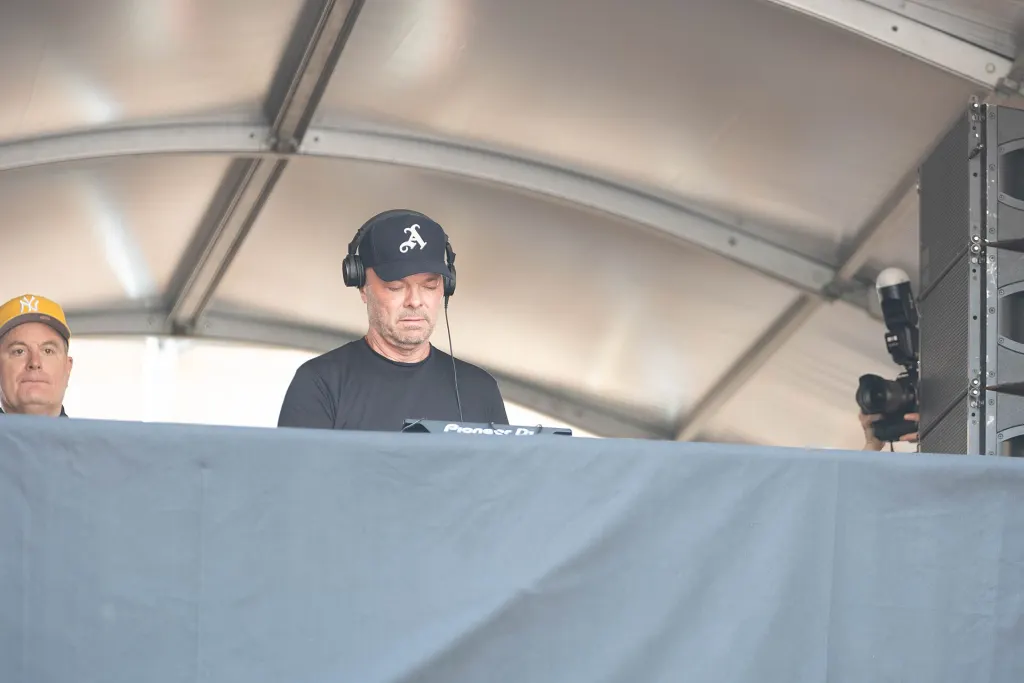
For Tong behind the decks rather than the microphone, this Mixmag Lab set is a good hour of what he actually plays.
For more than thirty years he reliably told a global audience what was worth hearing, every week. That’s a form of curation this music couldn’t have grown without. There’s no equivalent role now, because the algorithm took it and does it worse.
The hearing aid is the part I’ll remember. A man at the top of this industry admitting in public that the job damaged him, and then doing something about it for other people, isn’t a small act.
Frequently Asked Questions
Has Pete Tong Played in Korea?
No Korean date appears in his RA profile, his official listings or Korean press coverage we could find. His work in Asia has mostly been through IMS Asia Pacific, held in Singapore in 2014 and Shanghai in 2016.
What Is Pete Tong Doing in 2026?
Still on BBC Radio 1 on Fridays from 22:00, simulcast on Radio 1 Dance. He appeared at the Radio 1 Dance Awards in February 2026, and the Ibiza Classics arena tour runs through the UK in December 2026.
Is the Essential Mix Still Running?
Yes. It airs on Saturdays at midnight on Radio 1 and Radio 1 Dance, still two hours long. Carl Cox’s mix from UNVRS in Ibiza won Essential Mix of the Year by public vote, announced at the 2026 Radio 1 Dance Awards.
What Is Ibiza Classics?
Pete Tong’s orchestral dance music project with Jules Buckley. It began at the 2015 BBC Proms, and its first album, Classic House, reached number one in the UK.
Is Pete Tong a Gatekeeper?
Yes, and for thirty years that was the job. He reliably told a global audience what was worth hearing, every week. There’s no equivalent role now because the algorithm took it and does it worse.
If this profile has something wrong in it, or if you’re connected to the artist and would like a correction or a takedown, contact me and I’ll act on it.
Written from Seoul, by someone who has been in the booth for more than twenty years. More on the site, or book a DJ.
Stay in the Loop
New writing on DJ culture, electronic music, and the Seoul underground, delivered when it matters.
More From The DJ Diaries



Play with the history
Four tools built from the same research as this site.