Fashion in club culture isn’t self-expression. It’s a code: it says who you are, which tribe holds your loyalty, and which room you belong in. Read the clothes and you can read the whole scene.
The Garage Uniform: Dressing Up as Statement
The UK garage dress code that hardened in London around 1999 was specific and enforced: shirts required, shoes required, trainers banned. The look, sharp tailoring, Moschino and Versace sportswear, jewellery, champagne in hand, performed upward mobility from a working-class base, deliberately contrasting the nightclub against the street. It was also a door-policy technology: “no trainers, no hats” read as neutral standards while functioning as selective filters, the same coded gatekeeping every door culture conceals. Garage’s glamour was armour, and it was policed both ways.
The Rave Inversion: Dressing Down as Statement
Acid house ran the opposite code a decade earlier: baggy tees, dungarees, bandanas, smiley faces, clothes for sweating through eight hours in a field, an explicit rejection of the 1980s style-bar velvet rope. Function became ideology. The same inversion returned in the warehouse years and again in Berlin’s all-black techno uniform, where the refusal of display is itself the display, and where dressing expensively is the fastest way to look like you don’t belong.
The Feedback Loop With the Industry
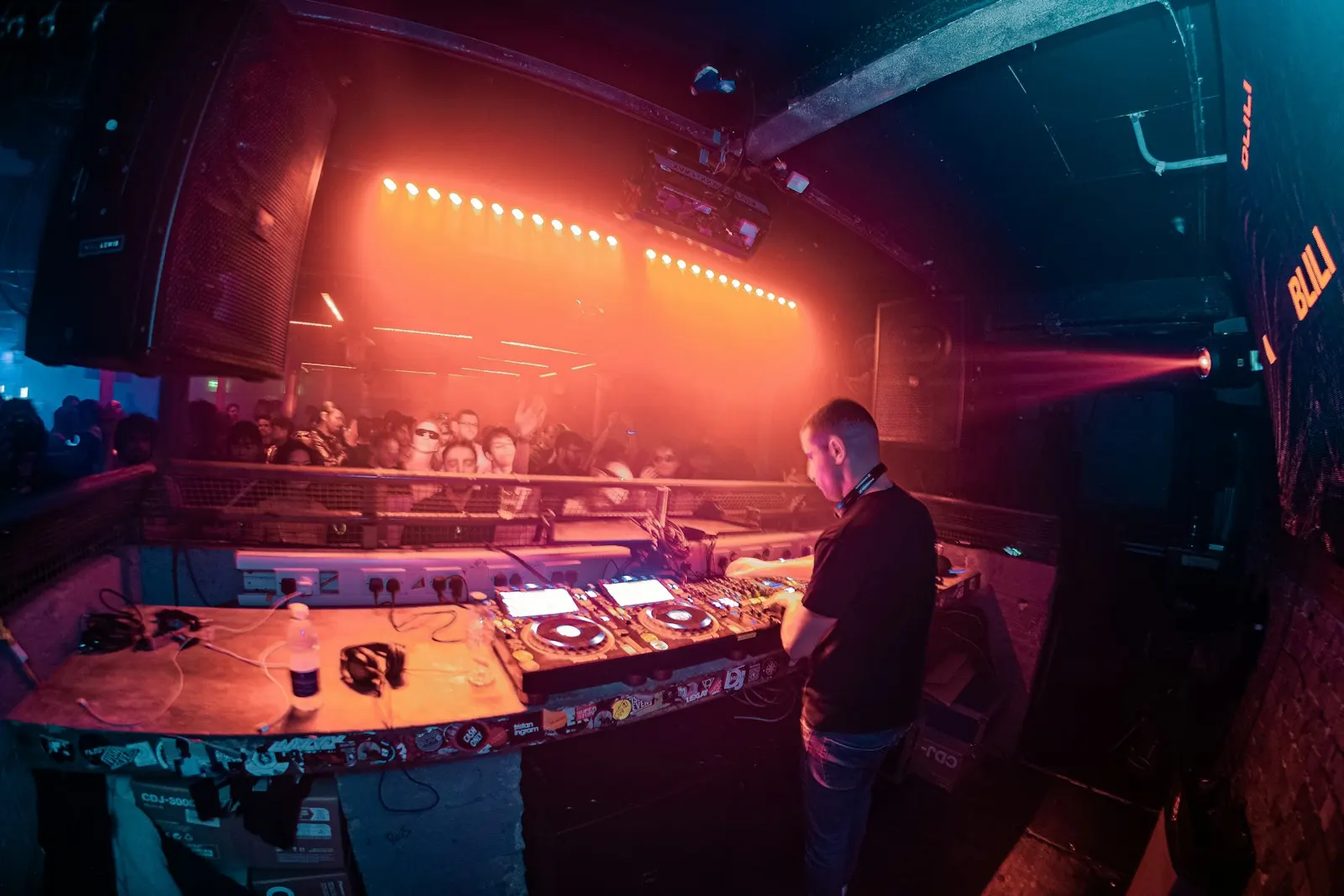
Fashion has been strip-mining the dancefloor since disco: the runway rediscovers rave roughly every seven years, techno black became a luxury category, festival-wear became a retail season, and the Y2K garage aesthetic cycled back through streetwear as vintage. The traffic runs both ways, scenes borrow luxury logos to subvert them, brands hire club kids to re-authenticate the borrowed goods, and the collaboration economy now runs from sneaker drops to flyer-style graphics on runway prints. It’s the oldest exchange in pop culture. The dancefloor manufactures identity, and identity is fashion’s raw material.
What the Codes Look Like Now
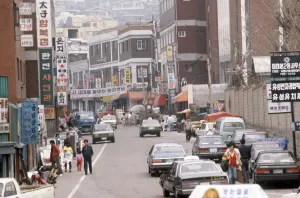
The contemporary floor reads as deliberate code-mixing: techno black beside vintage sportswear beside gorpcore beside gender-fluid glamour, each a legible allegiance. Seoul’s versions are precise, Gangnam’s label-forward polish, Hongdae’s student streetwear, Itaewon’s international underground uniform, and the Euljiro crowd’s workwear irony, and door staff read them fluently. The constant across forty years: nobody dresses neutrally for a dancefloor. The outfit is the first record you play, and the room hears it before you reach the booth.
What People Actually Wear in Seoul
Club fashion writing is mostly about a handful of Berlin and New York rooms. Seoul does it differently and the differences are practical.
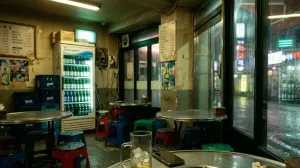
Nobody dresses for a door here, because outside the big Gangnam venues there mostly isn’t one. That frees the underground rooms from the all-black uniform that dominates European club photography, and Seoul floors are noticeably more colourful and more varied in age as a result.
Bags matter more than outfits. Rooms are small, there are frequently no lockers, and Korean trust culture means people put bags down and leave them. A visitor clutching a coat all night is the most obvious tell there is.
Shoes are the actual decision. Whatever you wear, bring photo ID. Korean clubs check it, and under the Juvenile Protection Act the cut-off isn’t your nineteenth birthday but 1 January of the year you turn 19 (Korean), so visitors should carry a passport and residents their residence card. Basements, stairs, no elevator to a fourth floor room, and a last train you may have to run for. Every experienced person in a Seoul club is wearing something they can walk two kilometres in.
Gangnam is the exception and runs a real dress code tied to table service, which is a commercial filter rather than a style one.
The Opinion
Club fashion mostly happens in photographs, not on the floor. On a real dancefloor at 3am, in a room that has been at capacity for four hours, everyone looks the same: overheated and happy. The clothes are for the queue and the pictures, not for the night.
Is there a dress code for Seoul clubs?
Mostly not. The underground venues in Itaewon and Mapo have no dress code and don’t care what you wear. Large Gangnam venues running table service are the exception and apply a real dress code, which functions as commercial filtering rather than a style preference. Comfortable shoes matter more than anything else, given basements, stairs and a last train that runs until about 1am on weeknights, Friday included, but earlier on Saturdays, Sundays and holidays (Korean).
Frequently Asked Questions
How does club culture shape fashion?
Club fashion works as a code that signals who you are, which tribe holds your loyalty and which room you belong in. The fashion industry has borrowed from the dancefloor since disco, with the runway rediscovering rave roughly every seven years. That exchange runs both ways, because the dancefloor manufactures identity and identity is the raw material of fashion.
What did people wear to UK garage clubs?
The UK garage dress code that hardened in London around 1999 required shirts and shoes and banned trainers. Its look combined sharp tailoring, Moschino and Versace sportswear, jewellery and champagne in hand, performing upward mobility from a working class base. Rules like no trainers and no hats also worked as a door policy that filtered who got in.
Why did rave and techno fashion go the opposite way?
Acid house dressed down on purpose, with baggy tees, dungarees, bandanas and smiley faces made for sweating through eight hours in a field. It was an explicit rejection of the velvet rope style bars of the 1980s. The same inversion returned in Berlin’s all black techno uniform, where refusing to display is itself the display.
Is there a dress code for clubs in Seoul?
Mostly not, because the underground venues in Itaewon (이태원) and Mapo (마포) have no dress code and do not care what you wear. Large Gangnam (강남) venues running table service are the exception and apply a real dress code, which works as a commercial filter rather than a style one. Comfortable shoes matter more than anything, given basements, stairs and a last train you may need to run for. The differences between districts are laid out in a working DJ’s map of Hongdae, Itaewon and Gangnam.
Further Reading
- Wikipedia: UK garage and the London club scene around 1999
- Wikipedia: acid house and the rave look of the late 1980s
- Wikipedia: the smiley face and its adoption by acid house culture
- Wikipedia: the Club Kids and New York nightlife fashion
- Wikipedia: Berghain, its door policy and the black techno uniform
Written from Seoul, by someone who has been in the booth for more than twenty years. More on the site, or book a DJ.
Stay in the Loop
New writing on DJ culture, electronic music, and the Seoul underground, delivered when it matters.
More From The DJ Diaries


Play with the history
Four tools built from the same research as this site.