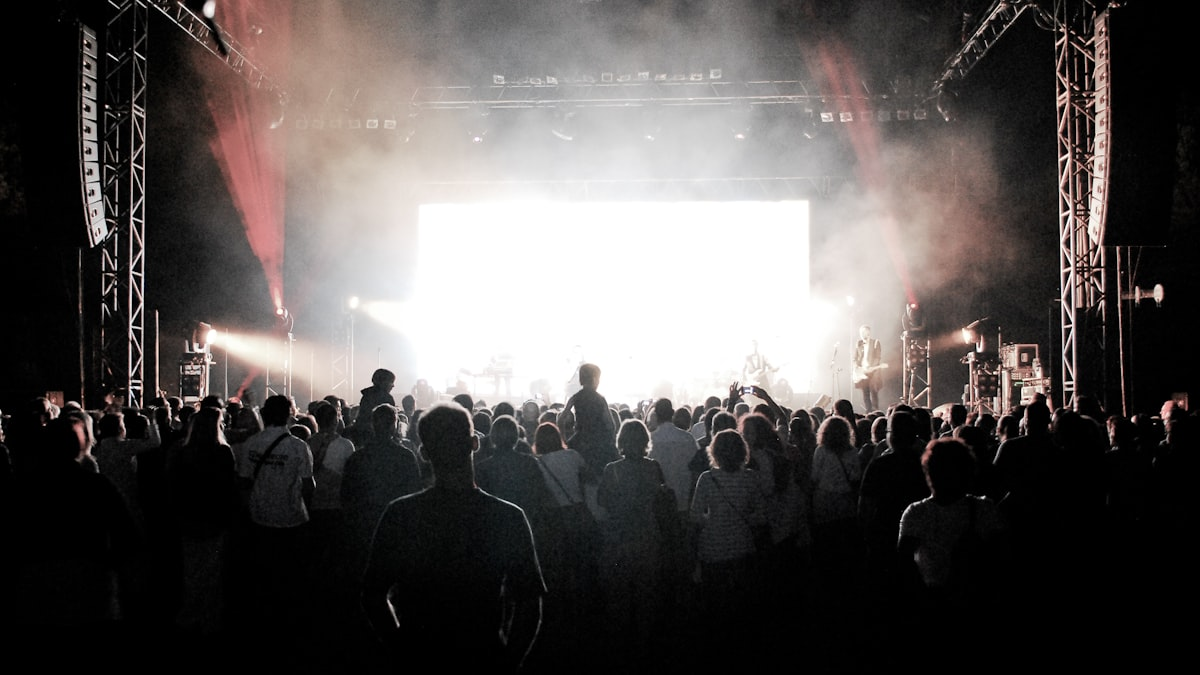
“What’s the best festival” is the wrong question. It’s like asking what the best meal is, best for what, for whom, at what time of night? Berghain and Tomorrowland are both extraordinary and they have almost nothing in common. One holds fifteen hundred people; the other holds four hundred thousand. One is famous for a door you might not get through. The other is famous for a mainstage shaped like a castle. Calling either “better” tells you more about the person asking than the festivals.
So instead of ranking them, I gave each one a fingerprint. Eleven major events, clubs, festivals, and one global livestream, scored on the things that distinguish them: capacity, genre diversity, underground credibility, and production scale. I’ve been to enough of these to have opinions. The radar charts turned them into data.
The four axes that actually separate festivals
Once you score them this way, they sort into clear types:
- Capacity runs from Boiler Room’s 300 and Berghain’s 1,500 up to Amsterdam Dance Event’s 600,000 across five days. Size isn’t quality. It’s a different art form. ADE isn’t one site but a city-wide conference and festival: the 2025 edition ran more than 1,200 events across over 300 Amsterdam locations, with nearly 3,500 artists. A 300-capacity room and a 400,000-capacity field are solving opposite problems, and it’s a mistake to judge them by the same standard.
- Underground credibility is where the gap is starkest. Berghain and Boiler Room score a perfect 10. Ultra and Tomorrowland sit at 2. It’s a map of where each one points.
- Diversity rewards the festivals that refuse to be one genre. Primavera Sound scores a 10 and was the first major festival to hit gender parity on its lineup. Ultra, locked to EDM and progressive house, scores a 4.
- Production is the spectacle axis. Coachella and Tomorrowland max it out at 10. Berghain scores a 6, because the room is the production, and adding more would ruin it.
Compare any two, head to head
The Festival DNA tool lets you pick any two and put their fingerprints side by side on a radar chart. Glastonbury vs Berghain is the clearest education in why “best” is meaningless: two near-perfect events whose shapes barely overlap. If you’re planning a trip, note that Glastonbury is taking one of its regular fallow years in 2026 to rest the farmland.
The honest version
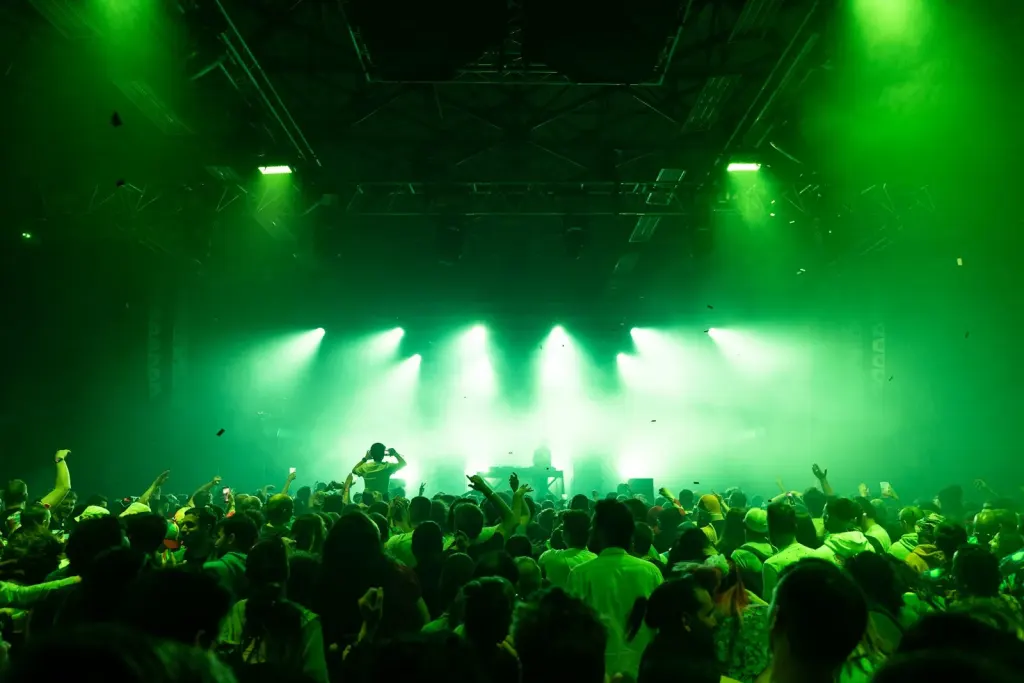
A few things the radar charts make plain. Movement in Detroit is the only festival where techno’s inventors and inheritors share the same weekend, on the plaza where the music was born. Fabric is a 2,500-capacity club that survived a closure, a landmark campaign, and a decade of London property prices, and its mix-CD series, which ran monthly until 2018, remains one of the most authoritative documents in electronic music. Boiler Room changed how the entire world watches a DJ, every set filmed, uploaded, archived in perpetuity, and made underground artists into names that now fill Berghain and Fabric. That perfect credibility score is now contested: since Boiler Room was bought by Superstruct Entertainment, owned by the investment firm KKR, a string of DJs have withdrawn from its events in protest, starting in mid 2025.
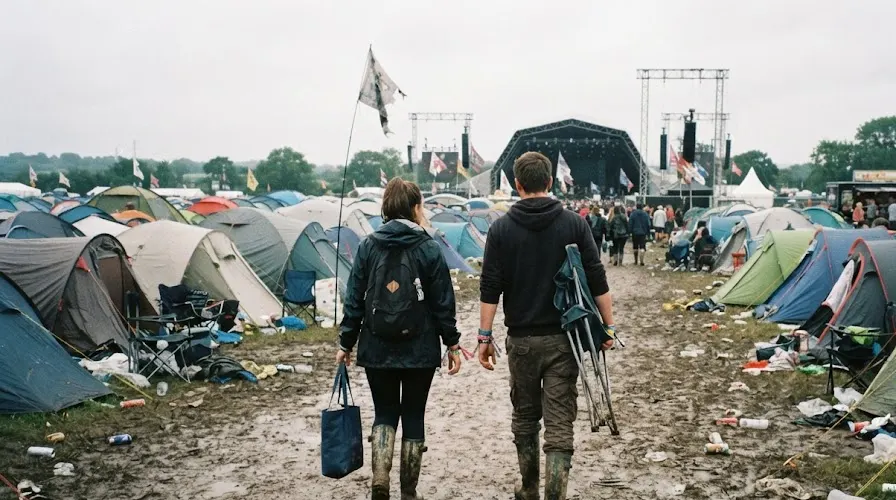
And Tomorrowland, beloved by new fans and dismissed by purists, is both of those things at once, and both camps are right. The tool won’t settle that argument. What it shows you is that you were never disagreeing about quality. You were disagreeing about what a festival is for. Once you see that, the argument gets a lot less heated.
Related: Festival Economics: What It Costs to Run a Dance Music Festival · Explore the Genre Tree →
Frequently Asked Questions
What’s the best dance music festival in the world?
There’s no single best dance music festival, because each one is built for a different purpose. Berghain holds fifteen hundred people and is famous for its door, while Tomorrowland holds four hundred thousand and is famous for a castle shaped mainstage. Scoring them on capacity, genre diversity, underground credibility and production scale shows that arguments about quality are really arguments about what a festival is for. A wider tour of the circuit is in this guide to essential festivals.
Which festivals have the most underground credibility?
Berghain and Boiler Room score a perfect 10 on underground credibility in the Festival DNA comparison, while Ultra and Tomorrowland sit at 2. The low scores aren’t an insult but an honest map of where each event points. Boiler Room earned its place by filming and archiving sets, which turned underground artists into names that now fill Berghain and Fabric.
Which dance music festival has the most diverse lineup?
Primavera Sound scores a 10 for diversity in the Festival DNA comparison and was the first major festival to hit genuine gender parity on its lineup. Ultra, locked to EDM and progressive house, scores a 4 on the same axis. Diversity rewards festivals that refuse to be one genre.
Is Tomorrowland worth it?
Tomorrowland is beloved by new fans and dismissed by purists, and both camps are right. It maxes out the production axis at 10 alongside Coachella but scores 2 on underground credibility. Whether it’s worth it depends on what you want a festival to be for, since spectacle and underground depth are different goals.
Further Reading
- Wikipedia: the history of Glastonbury Festival and its many stages
- Wikipedia: Berghain, the Berlin club famous for its door and its techno
- Wikipedia: Tomorrowland, the Belgian festival known for its huge mainstage production
- Wikipedia: Primavera Sound, the Barcelona festival known for its wide ranging lineups
- Wikipedia: Fabric, the London club, its 2016 closure and the campaign that reopened it
Written from Seoul, by someone who has been in the booth for more than twenty years. More on the site, or book a DJ.
Stay in the Loop
New writing on DJ culture, electronic music, and the Seoul underground, delivered when it matters.
More From The DJ Diaries

Play with the history
Four tools built from the same research as this site.