In 2018, the Gangnam megaclub was the most profitable nightlife format in Korea and one of the most profitable in Asia. Eight years later the model is close to extinct. This is the story of how a district that once defined Korean clubbing lost the format that built it, in three blows: a scandal, a pandemic, and a generational walkout.
What the Megaclub Model Was
The Gangnam formula was never really about music. A megaclub ran on tables: a floor of bottle-service booths with minimum spends running from several hundred thousand won into the tens of millions for the front rows, an EDM soundtrack imported from the festival mainstage, and a door that curated for spectacle. The DJ was set dressing for a status economy, which is why the same era produced the superstar booking fee. Octagon, a fixture of DJ Mag’s Top 100 Clubs poll through the 2010s, Arena, Burning Sun, and their neighbours made Gangnam one of the highest-grossing club districts in Asia, and the model looked untouchable.
The district had been through one turnover before. Newspim (뉴스핌) described in 2017 how the early 2000s Gangnam nights, hotel nightclubs such as Julianna in Cheongdam and Boss in Apgujeong, gave way to hip hop clubs, and how a Julianna night near Gangnam Station had passed through club NB to become Totoga.
2019: Burning Sun
Then it touched itself. The Burning Sun scandal broke in January 2019 with a single assault complaint outside the club in the Le Meridien hotel, and unravelled into the biggest nightlife scandal in Korean history: drug distribution and drugging of patrons, hidden-camera footage traded in celebrity chat rooms, prostitution allegations, and police collusion that reached embarrassingly far up the chain. A K-pop star, Seungri of Big Bang, went to prison. Burning Sun closed within weeks; Arena was raided in a tax-evasion investigation the same year. But the deeper damage was reputational: for young Koreans, the scandal confirmed every suspicion about what the table floors actually were. Gangnam clubbing became something a careful person explained away, and the domestic audience began quietly relocating to other districts.
One Korean critique is worth reading beside that. Sisa Journal (시사저널) pointed out in August 2021 that all nine charges on which Seungri was convicted at his first trial were personal offences, and that none concerned the central Burning Sun allegations of drug and sex crimes by VIP guests. Its argument was that coverage built around celebrities let the wider questions about Gangnam’s big clubs go unanswered.
2020: The Doors Close
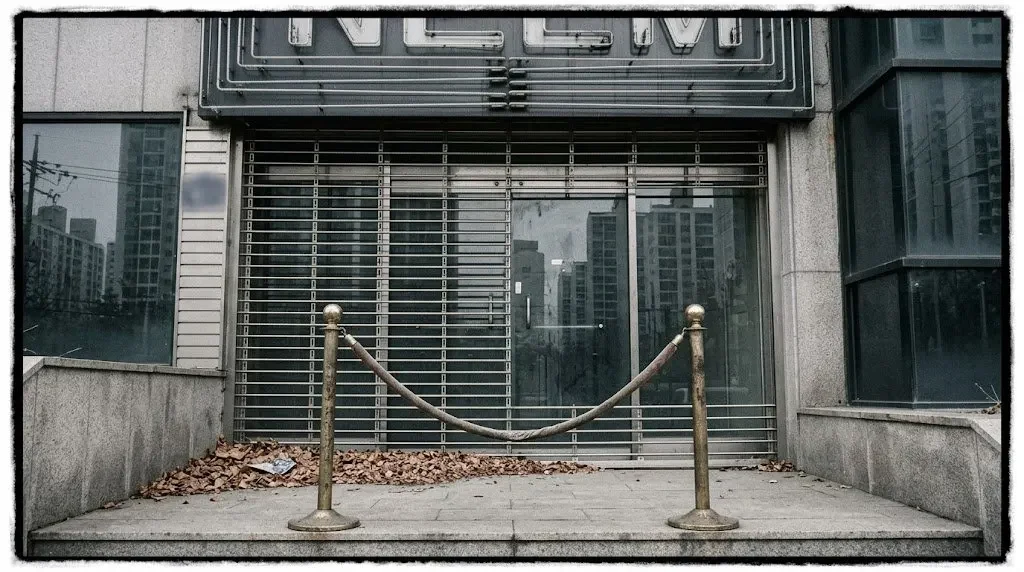
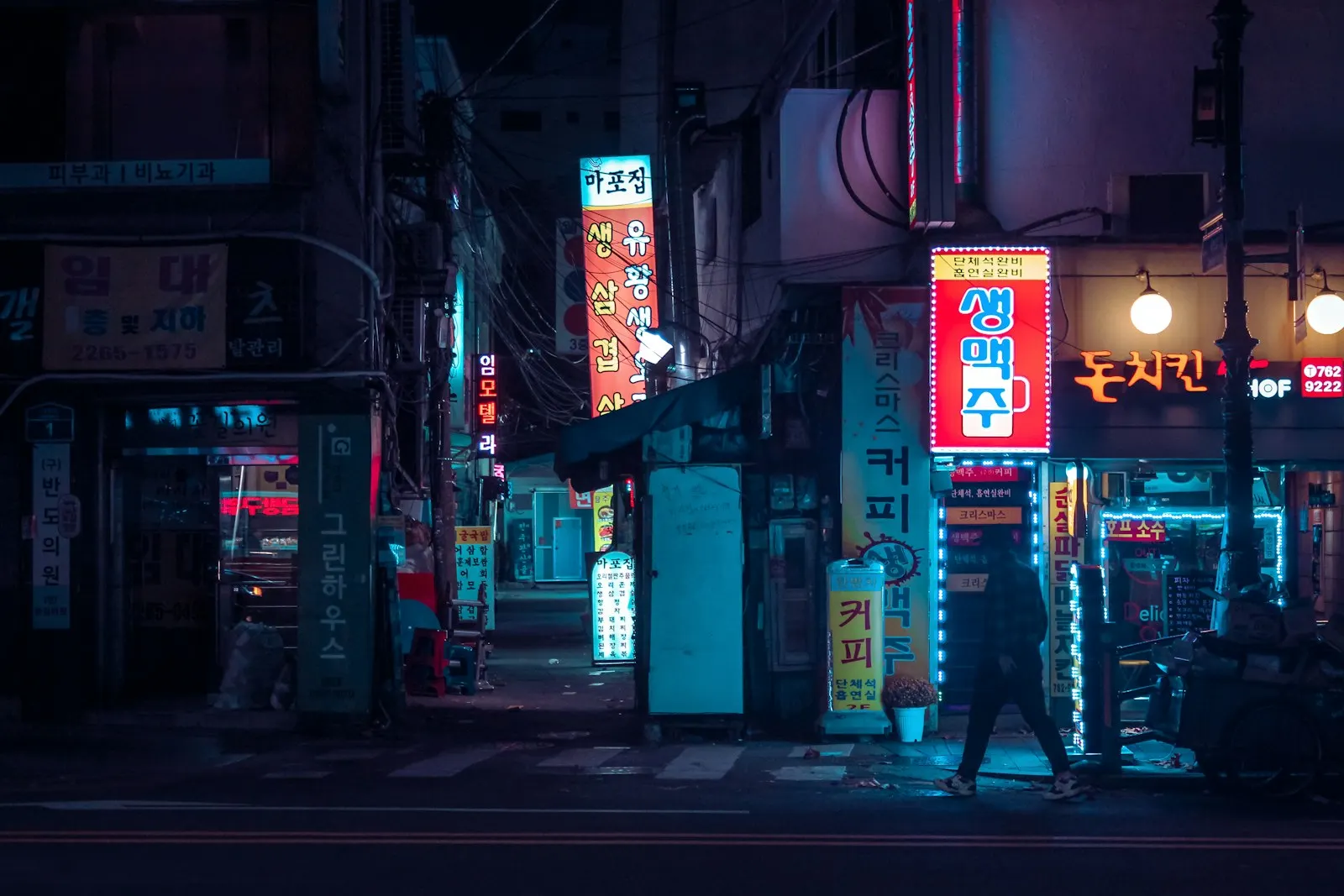
COVID finished what the scandal started. The megaclub’s economics, high rent, high headcount, imported headliners, only work at full density, and two years of curfews and capacity caps are precisely the conditions the format cannot survive. The small basements of Itaewon and Haebangchon could hibernate on takeout beer and landlord goodwill. A 2,000-capacity floor with a hotel lease could not. Several Gangnam rooms never reopened, and the ones that did came back into a market whose centre of gravity had moved.
The Quiet Third Blow
The third blow was generational and got less press than the first two. The audience that came of age after 2020 shows measurably different behaviour: less alcohol, earlier nights, more festivals, and a taste for rooms where the music is the point rather than the table. The 2025 nightlife survey put Gangnam at 9 percent of underground-leaning respondents’ preferred districts, behind even Euljiro’s emerging scene. The spectacle economy did not vanish, it migrated: to the festival circuit, where World DJ Festival and EDC Korea sell the same production values two weekends a year without the reputational baggage, and to a handful of surviving rooms, Octagon still among them, that now share the district with pop-up formats and rentable floors.
What Replaces It
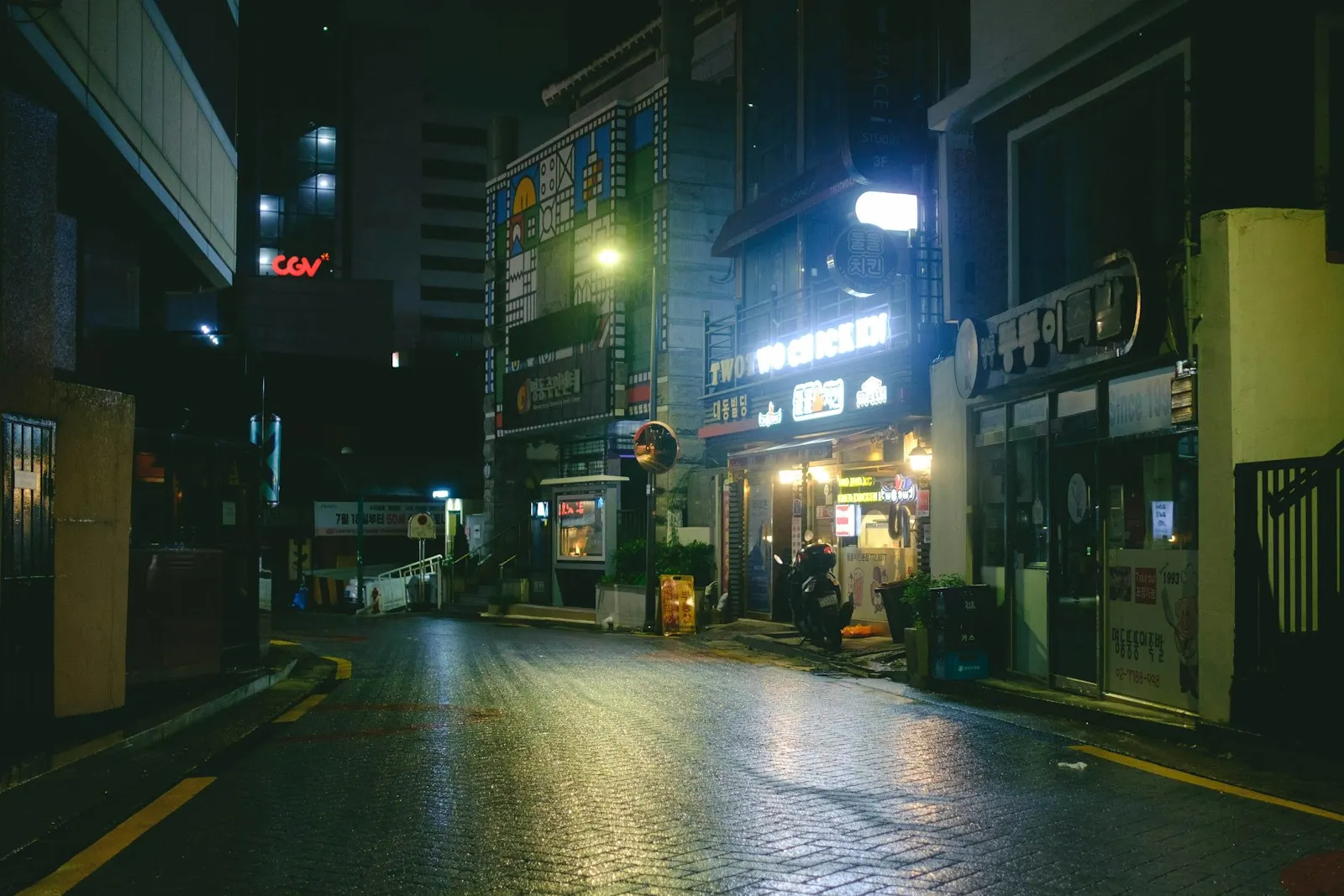
Seoul’s nightlife did not shrink, it redistributed. The energy went into the five-scene map: Itaewon’s underground rooms, with Soap’s 2026 reopening as the strongest signal yet that mid-size music-first venues are the growth format, the HBC bar circuit, Hongdae’s student floors, and the independent promoter economy that COVID accidentally legitimised. The megaclub’s one glass-tower descendant is the luxury lounge, smaller, more expensive, and honest about being a bar rather than a club. As someone who played through the whole arc, I do not mourn the format much. The money was real, but the rooms taught a generation that clubbing meant bottle sparklers and a velvet rope, and Seoul’s scene has spent the years since teaching them otherwise, one basement at a time.
Frequently Asked Questions
What happened to the Gangnam megaclubs in Seoul?
The Gangnam (강남) megaclub model was hit by three blows. They were the Burning Sun scandal in 2019, COVID in 2020, and a generational shift in how young Koreans go out. In 2018 it was the most profitable nightlife format in Korea, and eight years later it is close to extinct. A handful of rooms survive, Octagon among them, but the centre of gravity in Seoul nightlife has moved elsewhere.
What was the Burning Sun scandal?
The Burning Sun scandal broke in January 2019 with a single assault complaint outside the club in the Le Meridien hotel in Gangnam. As reported, it grew into the biggest nightlife scandal in Korean history. The allegations included drug distribution, hidden camera footage traded in celebrity chat rooms, prostitution and police collusion. Seungri of Big Bang went to prison, and Burning Sun closed within weeks.
How did a Gangnam megaclub make money?
A Gangnam megaclub ran on tables rather than music. The floor was built around bottle service booths. Minimum spends ran from several hundred thousand won into the tens of millions for the front rows. An EDM soundtrack from the festival mainstage and a door that curated for spectacle completed the formula. The DJ was largely set dressing for a status economy.
Where do people go clubbing in Seoul now instead of Gangnam?
Seoul nightlife did not shrink after the megaclub era; it redistributed. The energy moved to the underground rooms of Itaewon (이태원), the Haebangchon (해방촌) bar circuit, Hongdae (홍대) student floors and independent promoters. Meanwhile the spectacle side migrated to festivals such as World DJ Festival and EDC Korea. Each neighbourhood is compared in a working DJ’s map of Seoul.
Sources
- Newspim (뉴스핌): forty years of Friday nights, from disco night to hip hop club (2017)
- Sisa Journal (시사저널): how Burning Sun became the Seungri case (21 August 2021)
Written from Seoul, by someone who has been in the booth for more than 25 years. More on the site, or book a DJ.
Follow the rooms: Soap on Instagram
Stay in the Loop
New writing on DJ culture, electronic music, and the Seoul underground, delivered when it matters.
More From The DJ Diaries
Play with the history
Four tools built from the same research as this site.