Growing up in the nineties, some of the most memorable dance music reached me through film soundtracks. The ones that stand out are Hackers, The Beach and Trainspotting, records that put Underworld, Orbital and Leftfield in front of people who had never been to a rave.
That route into people’s ears is called sync licensing, and it’s a small business with an outsized effect. The IFPI put worldwide sync revenue at $641 million in 2025, down 2.0%, its first fall after four years of growth. It’s a sliver of recorded music, but it’s the one part where a single yes can change a producer’s year, and if you wrote, produced and released the track yourself, one email can clear it.
Every Placement Needs Two Yeses
A sync licence grants permission to put music to moving pictures: film, television, advertising, video games, trailers, or anything else audiovisual. Every placement needs two permissions, a master licence for the specific recording and a sync licence for the underlying composition. That’s why publishing and recording rights so often live in different hands, and why they slow every deal.
What a Sync Has to Clear
Two separate rights in every placement
싱크 라이선스, 두 개의 허락이 필요하다
| Licence | What it covers | Who usually says yes |
|---|---|---|
| Master licence | The specific recording | The label, or the artist who owns the master |
| Sync licence | The song underneath: melody, lyrics, composition | The publisher, or the songwriter |
| Self released track | Both | You, in one email |
The ruleA supervisor needs both yeses before the picture locks. The fewer people who have to sign, the faster you clear.
Most self releasing electronic producers never notice the advantage they hold. If you wrote it, produced it and released it yourself, you control both sides. A major label track can need a committee. Yours needs an email back.
Sync Is Small, but One Yes Can Change a Year
Set the IFPI figures side by side and you see what sync is. Recorded music took in $31.7 billion worldwide in 2025, and streaming made up 69.6% of it. Sync was $641 million. Small, and slightly smaller than the year before.
Sync in the Global Music Business
IFPI Global Music Report 2026, covering 2025
2025년 세계 음악 시장 속 싱크
How to read itSync is about 2% of the market, but the money arrives in lumps rather than fractions of a cent.
What makes it different is the shape of the money. Fees are opaque by design, with no published rate card, and they run from small sums for a local spot to serious money for a national campaign. A TV placement then earns performance royalties through the PROs every time it airs, which is the long tail that lets a placement pay for years. Compare that with streaming’s $0.003 per play. Sync is the last part of the recorded music economy where a single yes changes a year.
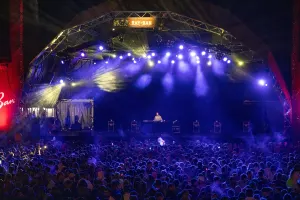
For a DJ who also produces, there’s a booth side too. A track that lands a good placement behaves differently on a dancefloor afterwards. People recognise an instrumental hook they couldn’t name, and you see it in faces a few bars before the room reacts. A sync works as a promotion campaign for a record you can then play out.
Electronic Music Already Sounds Like the Picture
Instrumental music syncs easily, with no lyrics to fight the dialogue, and electronic music’s vocabulary has become the sound design of modern media. Tension is a techno pulse, aspiration is melodic house, nostalgia is ambient pads. Trailers in particular want music that sounds expensive.
Music supervisors dig where clearance is fast, which favours independents and the small labels that keep clean paperwork. I wrote about who controls dance music in 2026, and the labels that clear fast are the ones supervisors keep calling. A music supervisor works to deadlines, and the licensable track that replies first often beats the better track that replies on Monday.
Korea is a different story. When I think of Korean drama soundtracks, I think of love ballads. You don’t hear a lot of dance music in them.
The AI Flood Made a Human Name Worth More
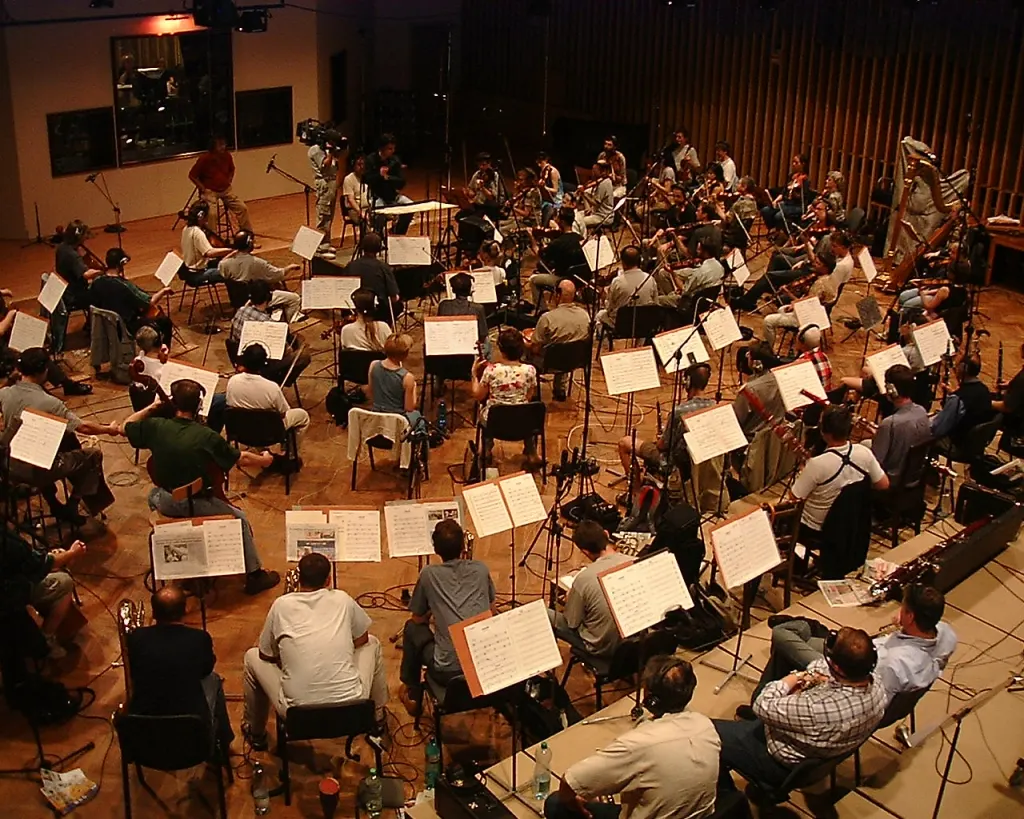
Sync matters more now because streaming pays structurally little and AI generated stock music is flooding the cheap end of the library market. Serious supervisors have responded by moving upmarket, toward identifiable artists whose names add something, which is exactly where credible underground producers live.
Korea supplied the clearest example of how unsettled the rules are. The Korea Music Copyright Association (한국음악저작권협회, KOMCA) refused to register AI generated or AI assisted works from April 2025. In August 2026 it opened the door to songs where a human was the primary creator. On 25 August, 22 days later, it shut that door again, after pushback from lawmaker Kim Jae-won and government concern about the lack of clear rules, as Digital Music News reported.
Why should a producer in Vancouver or Seoul care about a collection society’s paperwork? Because a supervisor clearing a track needs to know exactly who owns the composition, and a registration that might be refused is a delay. Supervisors avoid delays. I’m not the person to explain copyright law on AI; the society’s own guidance and a music lawyer are. What I can say is that the producers I know who take sync seriously now keep their project files, dated stems and notes on where each sound came from.
The money on the AI side isn’t moving in a straight line either. HYBE decided in July 2026 to wind down Supertone, its AI voice company, after putting about 49 billion won (roughly CAD $47 million) into it since 2021, according to Music Business Worldwide. The biggest company in K-pop just walked away from one expensive AI bet, and I read that as a sign the identifiable human artist is still the safer purchase. The family tree entry on AI generated music shows where the synthetic material sits in the lineage.
The Catch: It’s a Narrow Door
None of the DJs I know has had a track turn up in a TV show, which says something about how narrow that door is. The closest I’ve come was many moons ago, when I was fortunate to have a mix sponsored by Absolut Vodka. It was a partnership between Absolut and a magazine: they pressed the mix onto CDs and handed them out to patrons and customers. Not sync licensing in the strict sense, but the same basic deal, a brand paying to put a DJ’s music in front of its customers.
So treat sync as a possibility, not a plan. The market shrank a little in 2025, the fees are hidden, and the library end is crowded with music nobody had to make. For a working electronic artist, the sensible portfolio is gigs for rent, releases for reputation, and sync as the occasional windfall, funded by music you were going to make anyway. My piece on Beatport and Bandcamp covers where a producer’s own sales still happen, and the booking ecosystem covers the gigs.
How to Be Ready When a Supervisor Calls
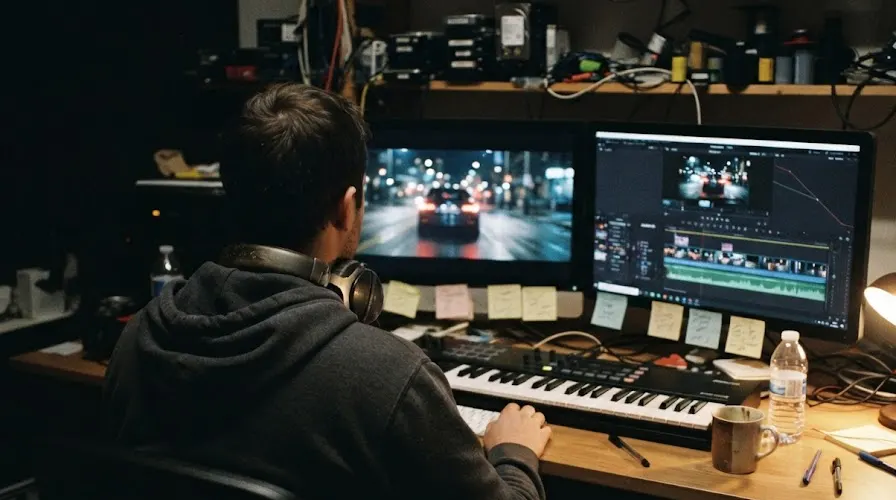
The checklist is unglamorous. Register with a PRO, keep instrumentals and stems exported, write accurate metadata, and answer emails within the hour. The one new line for 2026 is to keep the receipts that show you made it: project files, dated stems and a note on where each sound came from.
If you want to learn from the people who clear the music, start with the Guild of Music Supervisors, then the practical guides in the reading list below. For anything contractual, ask a music lawyer rather than a DJ.
Frequently Asked Questions
What’s sync licensing in music?
Sync licensing is permission to synchronise music to moving images such as film, television, advertising, video games and trailers. Every placement needs two permissions: a master licence for the recording and a sync licence for the underlying composition. Because publishing and recording rights often sit with different owners, clearance can slow every deal.
How big is the sync market?
The IFPI put worldwide sync revenue at $641 million in 2025, down 2.0% after four years of growth, out of $31.7 billion in recorded music revenue. Individual fees are opaque and vary enormously, and TV placements also earn performance royalties through the PROs every time they air, which is why they can pay for years.
Why is electronic music used so often in film and TV?
Electronic music wins sync placements because instrumental tracks don’t fight the dialogue, and its vocabulary has become the sound design of modern media: tension is a techno pulse, aspiration is melodic house, nostalgia is ambient pads. Music supervisors also favour independents and small labels, because clearance is fast when the paperwork is clean.
How can an independent producer get sync placements?
An independent producer who wrote, produced and released a track controls both the master and the composition, so one email can clear it. Register with a PRO, keep instrumentals and stems exported, write accurate metadata, answer emails quickly, and since the AI registration rows of 2025 and 2026, keep project files and dated stems that show a human made the track.
Further Reading
- Guild of Music Supervisors: the professional body for the people who choose and clear music for screen.
- Guild of Music Supervisors (UK): how supervisors work outside Hollywood.
- CD Baby DIY Musician: Sync Licensing and Placement Guide: a plain English walk through deals, fees and paperwork for independents.
- Ari’s Take: How to Get Your Music Heard by a Film and TV Supervisor: practical advice on getting in front of the right person.
- 경향신문: 음저협, AI 활용 음악 저작권 등록 결국 철회: Korean reporting on why KOMCA withdrew its AI registration rules.
- Wikipedia: Hackers (1995): the film whose soundtrack put Orbital, Underworld and Leftfield in front of a mainstream audience.
- Wikipedia: synchronization rights explained
- Wikipedia: how music licensing works across masters and compositions
- Wikipedia: performance rights organisations and broadcast royalties
- Wikipedia: royalty payments and how rights holders are paid
Sources
- US Copyright Office, Circular 56A: copyright registration of musical compositions and sound recordings
- Music Business Worldwide: 10 quick takeaways from IFPI’s Global Music Report 2026
- JoongAng Ilbo: KOMCA opens registration to human led AI assisted songs (August 2026)
- Yonhap: KOMCA withdraws the AI registration change (2026)
- Digital Music News: KOMCA AI policy reversal (21 September 2026)
- Music Business Worldwide: HYBE winds down AI voice company Supertone (2026)
- Discogs: Trainspotting, Music From the Motion Picture
Written from Seoul, by someone who has been in the booth for more than twenty years. More on the site, or book a DJ.
Stay in the Loop
New writing on DJ culture, electronic music, and the Seoul underground, delivered when it matters.
More From The DJ Diaries


Play with the history
Four tools built from the same research as this site.