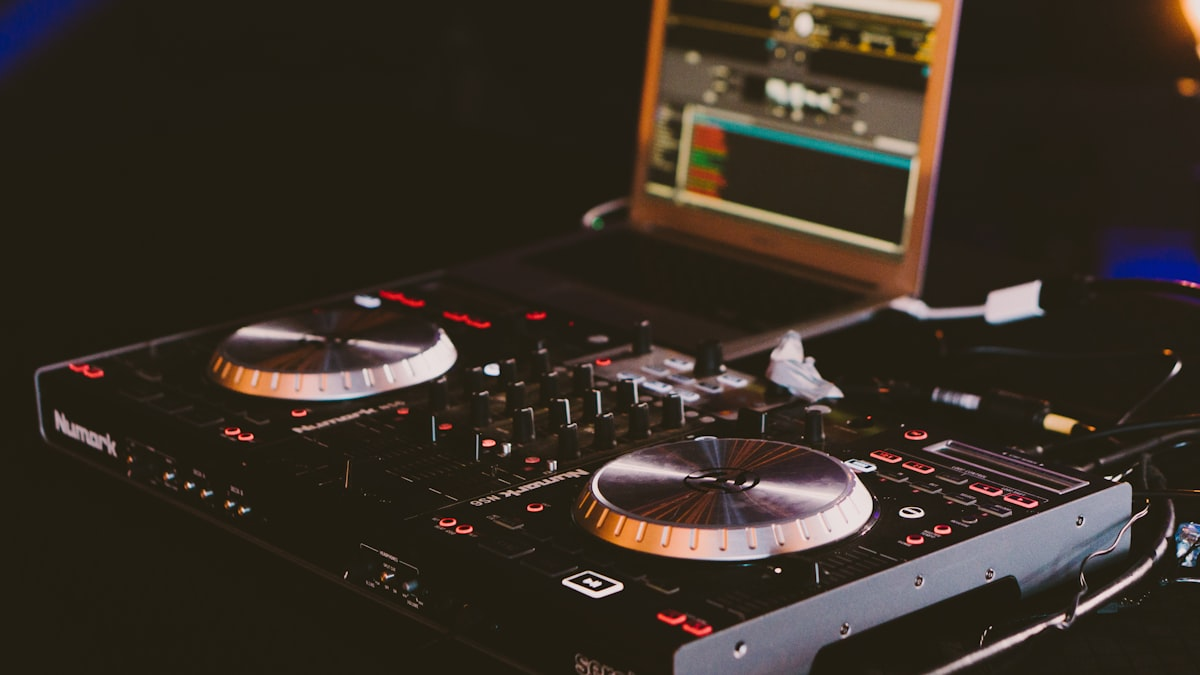
A 12-hour set is not a performance. It is a conversation with a room across an entire arc of time.
How Long Is a DJ Set
From a festival slot to a closing party, drawn on the same track
The scaleTrack runs from 0 to 32 hours. Ranges show where a set usually falls. A one hour slot gives the DJ no time for context. A four hour set lets the first hour be slow.
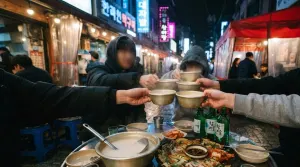
Why long suits a shrinking nightFewer people drift between bars, but the ones still out pick one room and stay. Pub card data from NH NongHyup, first half of 2023 against 2026, reported by Segye Ilbo.
Famous marathon sets, in hours. From Mixmag, on the same 0 to 32 hour track as the chart above.
From Rotation to Residency
In most 1990s nightclubs, the standard set length was one to two hours, although New York residents such as Danny Tenaglia were already playing all night. A club night would feature a rotation of DJs, each playing their allocated time and handing off to the next. Berlin changed this model in the early 2000s. Berghain made long sets the norm, with residents routinely playing four hours or more. The idea was that a DJ needed time to build a story, to develop a narrative arc across hours, to take risks early in the set knowing there was time to recover if the room didn’t respond.
A four-hour set meant that the first hour could be slow, thoughtful, building. A one-hour set gave the DJ no time for context. The long set became a statement of artistic intent. In New York, Danny Tenaglia’s Be Yourself parties at Twilo and later Vinyl made the marathon set a signature, a generation after Larry Levan at the Paradise Garage. The sets were long and structured, each section contributing to an overall arc that the DJ controlled from beginning to end.
The 90-Minute Product
The superstar DJ circuit went the opposite direction. Major festival bookings started offering 90-minute headline slots. Many superstar DJs developed identical sets, records in the same order every night, designed to maximise the energy at a specific moment. The set became a product. The long-set model and the superstar-slot model represent different theories of what DJ performance is for.
Marathon sets of ten hours or more weren’t new by the 2010s (Tenaglia played more than 30 hours to close Vinyl in 2004), but they became a selling point. Ben UFO, a co-founder of the London label Hessle Audio, became known for long all-night sets. Carl Cox held a long-running residency at Space Ibiza built around extended sets. DJ Harvey builds long sets at his residencies that can run all night. A DJ playing for that long is doing a different job from a DJ playing a standard set. The DJ becomes part of the room’s day, not just its night.
Five Hours, From the Booth
The longest set I’ve played is about five hours. It wasn’t a plan. It came down to the venue’s hours, and a night when a DJ didn’t show up and I was happy to keep going. I’ve played open to close on plenty of other nights, and the lesson is always the same: you balance it for yourself, for the dance floor and, more importantly, for the bar.
I have a personal rule. If the venue is full and the bar staff are standing around doing nothing, you’re playing too hard. A long set needs ebb and flow, room for people to be social and to dance at the same time. These venues need the income, which means they need people to drink.
The practical side matters too. If you’re playing a long set you shouldn’t be drinking much. Failing that, know where the washrooms are, know when to put on a long track, or have someone watch the decks while you run.
When I was younger I loved listening to long sets by Danny Tenaglia, Deep Dish and Carl Cox. Those epic sets inspired me: the way they told a story, and the way they could switch in and out of genres.
That’s why the format survives everywhere the residency model survives, and why it dies wherever the booking economy slices nights into slots. If you want to hear what the late hours sound like when they go right, the stories in the 6am oral history are as close as print gets.
The Seoul Version of This
Korea spent 2026 proving the long format isn’t only a Berlin habit. In late August, TOR Festival made its debut at Geumgwang Campsite in Anseong (안성). It was a single-stage techno camping weekend running more than 20 hours, with Marcus L, Siot and Stann Lumo on the bill. One stage matters here. With no second tent to wander off to, the whole crowd rides the same arc, which is exactly the contract a long set depends on. Think of it as the opposite of the Osheaga or Veld model, where the day is a menu of 60-minute slots.
Three months earlier, The Air House ran 48 hours on Nami Island (남이섬) across six stages. They included a forest tunnel stage and a wellness stage with sauna and forest runs. That’s a different theory of length. Instead of one DJ holding a room for twelve hours, the festival itself becomes the long set. The dancer builds their own arc by moving between rooms and resting. Both approaches share the same instinct: give people enough time and the night stops being a product.
Back in Itaewon (이태원), the residency version lives at Faust. In a 2025 Seven Berlin interview, founder Marcus L said residents Suman, Boyan and Damie have been there ten or eleven years. A decade of Saturdays in the same booth is what makes a long set possible. The resident knows where the room sags at 3am and which record pulls it back.
Why Long Sets Suit a Shrinking Night
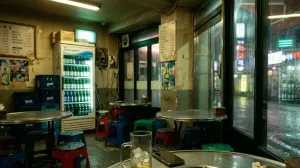
Here’s the part that surprised me. Seoul’s late night is contracting, and that should be bad news for marathon DJing. NH Nonghyup card data reported by Segye Ilbo in September 2026 showed pub transactions after 1am down 43 percent between the first halves of 2023 and 2026. Pub transactions by people in their 20s fell 52 percent. Fewer people are drifting between bars until the first subway.
My read is that this pushes the scene toward commitment rather than away from dancing. The people still going out are choosing one destination and staying. A room with a single DJ building for six hours rewards that choice better than a rotation of hour-long slots. The city is nudging in the same direction. Its night economy plan adds Firefly buses (반딧불이버스, banditburi beoseu) from October 2026. They run 11pm to 5:50am and link Hongdae (홍대), Gangnam (강남) and other districts. A way home at 4am makes staying for hour nine a reasonable decision rather than a gamble. For more on how clubs build that loyalty, see the history of Itaewon after dark.
Watch and Listen
The Air House’s own film from this year’s 48 hours on Nami Island.
Go Deeper: Long Sets Worth Your Time
The marathon tradition in reading, listening and one essential film.
- DJ Mag Hall of Fame: Danny Tenaglia: the Twilo and Vinyl years that defined the New York marathon set.
- Mixmag: iconic marathon DJ sets: from Tenaglia’s 30 hour Vinyl closing to Dubfire’s 25 hours at Sunwaves.
- DJ Mag: Carl Cox’s last Space Ibiza residency set: the end of a 15 year residency, played all night.
- Ben UFO’s four hour Boiler Room set: a masterclass in pacing across genres, free to stream.
- Red Bull Music Academy lecture: DJ Harvey: the master of the all night disco set on how and why he plays long.
- Maestro (2003): Larry Levan and the Paradise Garage, where the all night residency began.
Frequently Asked Questions
How long is a typical DJ set?
At most clubs a guest set runs one to two hours, and festival slots are often shorter. Residents and all night sets can run from four hours to well past eight. The longer the set, the more room the DJ has to build and take risks.
Are there all night techno parties in Korea?
Yes. TOR Festival in Anseong debuted in 2026 as a single stage camping event running more than 20 hours. The Air House on Nami Island ran for 48 hours. In Seoul, the residents at Faust in Itaewon have been building long nights for more than a decade.
How do DJs play for 8 or 12 hours without burning out?
Pacing, mostly. The first hours stay slow and spacious, with water and food in the booth. The DJ treats the night as a story with chapters rather than one long peak, goes easy on the drink, and knows when to put on a long track for a washroom break. Our guide to long and short mixes goes deeper on the craft side.
How do you get home after a long night in Seoul?
Seoul’s 14 owl bus routes (올빼미버스, the N buses), which run from 11pm to 6am, and taxis are the main options until the subway reopens. Seoul’s Firefly buses, running since October 2026, link major nightlife districts from 11pm to 5:50am. The city’s announcements list the routes.
Sources
- Resident Advisor: TOR Festival, Geumgwang Campsite, Anseong (29 to 30 August 2026)
- Mixmag Asia: Festivals in Asia to look forward to in 2026
- Seven Berlin: Building FAUST, Marcus L on Seoul’s most loved techno club
- Segye Ilbo: NH Nonghyup card data on pub spending, 2023 to 2026
- Korea Economic Daily: Seoul’s 24 hour economy plan and Firefly buses
Written from Seoul, by someone who has been in the booth for more than twenty years. More on the site, or book a DJ.
Stay in the Loop
New writing on DJ culture, electronic music, and the Seoul underground, delivered when it matters.
More From The DJ Diaries
Play with the history
Four tools built from the same research as this site.