If you have watched a Korean DJ play a one-hour set on YouTube, filmed from the side of the booth with the Seoul skyline going dark behind them, there is a good chance the channel was MIXMIXTV. It has been recording the city’s underground DJs since May 2014, which makes it older than most of the clubs it films in. This is what it is, who built it, and why it matters more than its subscriber count suggests.
What MIXMIXTV actually is
MIXMIXTV is a Seoul-based DJ streaming and video platform, not a club. It was founded in May 2014 by DJ Kuma and the video director Jang Jin-seok, and in 2018 the DJ Beejay joined the team. Since then the format has settled into something recognisable: one or two DJs a week, one hour each, recorded and broadcast in a Boiler Room style with the DJ front and centre and the room behind them. The focus is deliberately on DJs working underground rather than the names already on festival posters.
The archive is the point. Korean namu.wiki (Korean) lists several hundred DJs who have recorded a MIXMIX session, from KINGMCK and Tiger Disco to Closet Yi, Jinwook, Salamanda, Yetsuby and Bagagee Viphex13, alongside touring guests from Tokyo, Munich, Bogota and New York. If you want to hear what a Seoul DJ sounded like in 2016 rather than what a press release says they sounded like, this is where the tape is.
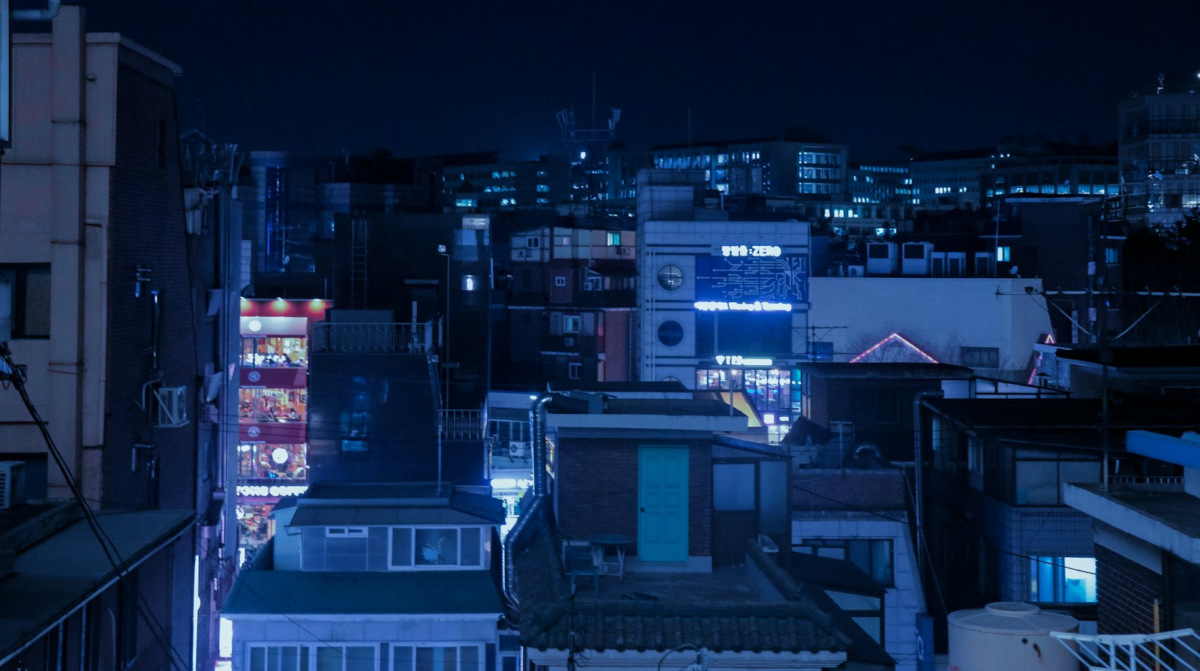
I have recorded there. The thing nobody tells you about a MIXMIX session is how quiet the room is. A few people at the back, a camera operator, the director checking levels, and the city behind you doing its own thing. There is no crowd to read, so you read the light instead: the session starts in daylight and ends with the skyline lit, and a good hour follows that curve. You set up on a single pair of CDJs and a mixer facing the lens, monitors low because the stream mix matters more than the room, and you play for a listener who is not there yet. It is the most honest hour a DJ in this city gets to record.
Where it films: a rooftop in Seongsu
Most recent sessions are shot at XIMXIM Bar, a rooftop bar inside S-Factory in Seongsu-dong, the converted factory complex on the east side of the city. That location says something about where Seoul’s scene has moved. Ten years ago a channel like this would have set up in an Itaewon basement. Today the interesting rooms are as likely to be in Seongsu, Euljiro or Mullae as they are in the old nightlife districts, and MIXMIX followed the energy east. We wrote about that shift in how each Seoul district was made and in the piece on Euljiro. XIMXIM (심심) is MIXMIX’s own room: the team opened it for the channel’s tenth anniversary as an on-site studio and cocktail bar with a vinyl collection, on the third floor of S-Factory’s Building B beside the rooftop.
The festivals
The channel has always been half broadcaster, half promoter. It ran a MIXMIX stage at World DJ Festival as early as 2015, a Luna Park DJ event at Seoul Land in 2019, and broadcast with the Woldipe untact festival in 2020 when nobody could gather in a room. In 2022 it programmed the opening day of the Let Korea Dance festival, produced by the World DJ Festival team, on the walking street in front of Hongik University, which is about as public as a rave gets in this city. Then came the two that defined it: the MIXMIXTV Open Air Festival at S-Factory in 2023 with 51 DJs across four stages, and the tenth anniversary festival at the same site in 2024 with 71 DJs. In May 2025 it launched CREW2CREW at XIMXIM, a 4pm to 2am bill sold as “Strictly Collective. No Headliners” and built from Seoul party crews including Aquari-us, Frisk, Gwangheungchang, More Breaks and Planet Turbo.
Seventy-one Korean and visiting DJs on one bill, in daylight, in a factory yard, is not something the Gangnam megaclub model could ever have produced. The same site has also shown the limits of scale: in July 2024 Boiler Room’s Seoul event at S-Factory was shut down around 1am over overcrowding, before Peggy Gou could play. It is closer to what we described in the daytime and coffee rave scene: a crowd that comes for the lineup, not the table.
Why a YouTube channel matters to a club scene
Three reasons, and none of them is subscriber numbers.
First, it is a booking tool. A promoter in Bangkok or Berlin who wants to hear a Seoul DJ before flying them out does not go to a club night; they watch a MIXMIX session. For a lot of the names in our Korean DJs to know list, that one-hour video is the calling card. We covered how that works in building a DJ career in Asia.
Second, it is a record. Korean clubs close fast and quietly, as the Gangnam collapse and the years around COVID showed. Rooms disappear, and with them the evidence that a sound existed. A decade of sets in one place is the closest thing this scene has to an archive.
Third, it changed what a good Seoul set looks like. When you know the hour is being filmed and will sit online for years, you play differently. Less crowd-pleasing, more statement. That is not always better for the room on the night, but it has raised the floor for what Korean DJs are willing to put their name to.
MIXMIXTV and Seoul Community Radio
The obvious comparison is Seoul Community Radio, which started about two years later in Itaewon. They overlap in artists and in spirit, but they are different animals. SCR is a radio station with a bar attached, live most days, built on the London pirate radio model. MIXMIX is a video archive built on the Boiler Room model, shot in sessions, with festivals as its live expression. A DJ coming up in Seoul today wants both: the SCR residency for the weekly reps, the MIXMIX session for the tape.
Where to start
- YouTube, the main archive, sorted newest first
- SoundCloud and Mixcloud for audio-only versions
- Instagram for festival announcements, usually the first place they land
For more on the music these sessions captured, my piece on the Seoul sound looks at what makes Korean club music distinct. The Seoul club map covers the rooms where that scene plays the rest of the week. The Korean festival guide covers the outdoor side of the scene.
Frequently Asked Questions
What is MIXMIXTV?
MIXMIXTV is a Seoul DJ streaming and video platform on YouTube that has recorded the city’s underground DJs since May 2014. It was founded by DJ Kuma and the video director Jang Jin-seok, and DJ Beejay joined the team in 2018. The format is one or two DJs a week, one hour each, filmed in a Boiler Room style with the DJ front and centre.
Where are MIXMIXTV sessions filmed in Seoul?
Most recent MIXMIXTV sessions are shot at XIMXIM Bar, a rooftop bar inside S-Factory in Seongsu-dong (성수동) on the east side of Seoul. Sessions start in daylight and end with the skyline lit behind the DJ. The location reflects a wider shift, with interesting rooms now as likely to be in Seongsu, Euljiro or Mullae as in the old nightlife districts.
Why does MIXMIXTV matter to Seoul’s club scene?
MIXMIXTV matters because it works as a booking tool, an archive and a quality bar for Seoul DJs. Promoters abroad who want to hear a Seoul DJ before flying them out often watch a MIXMIX session instead of attending a club night. Korean clubs close fast and quietly, so a decade of filmed sets in one place is the closest thing the scene has to an archive.
How is MIXMIXTV different from Seoul Community Radio?
Seoul Community Radio is a radio station with a bar attached in Itaewon (이태원), live most days and built on the London pirate radio model. MIXMIXTV is a video archive built on the Boiler Room model, shot in sessions, with festivals as its live expression. A DJ coming up in Seoul today wants both: the SCR residency for weekly repetition and the MIXMIX session for the tape.
Written from Seoul, by someone who has been in the booth for more than twenty years. More on the site, or book a DJ.
Follow the rooms: MIXMIXTV on Instagram
Stay in the Loop
New writing on DJ culture, electronic music, and the Seoul underground, delivered when it matters.
More From The DJ Diaries


Play with the history
Four tools built from the same research as this site.