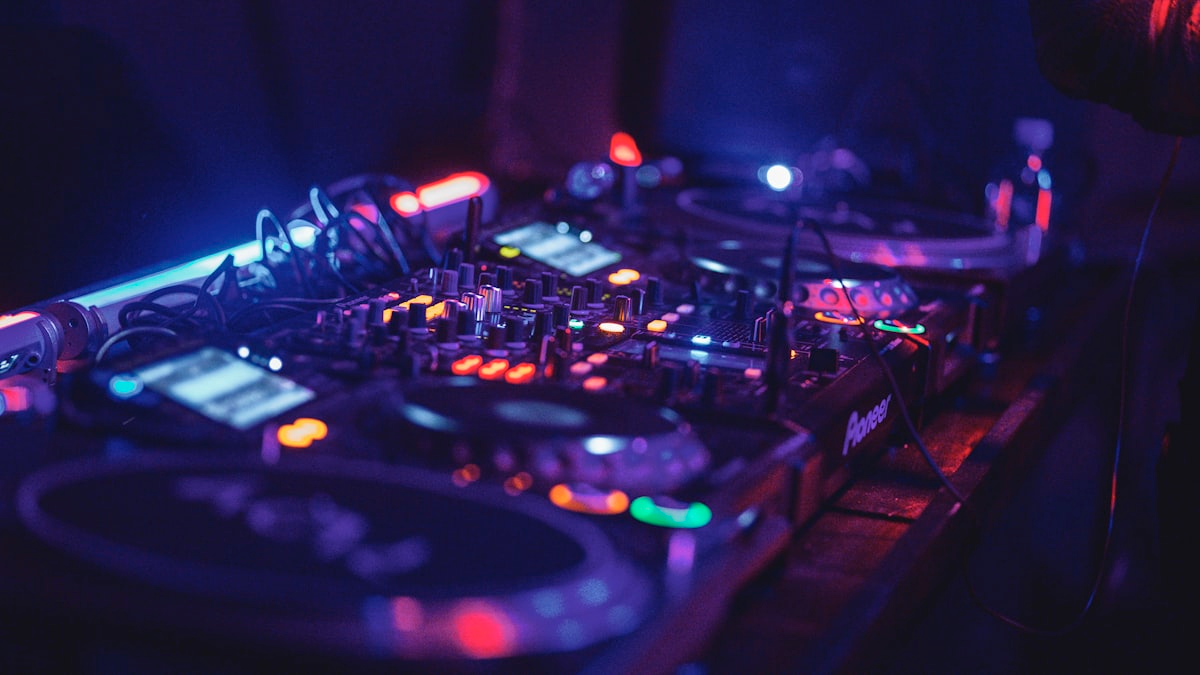
Serato made it possible to keep DJing with vinyl at the exact moment the industry wanted everyone to buy CDJs. It’s the rare piece of software whose achievement was preserving a physical skill rather than replacing one.
The Timecode Trick
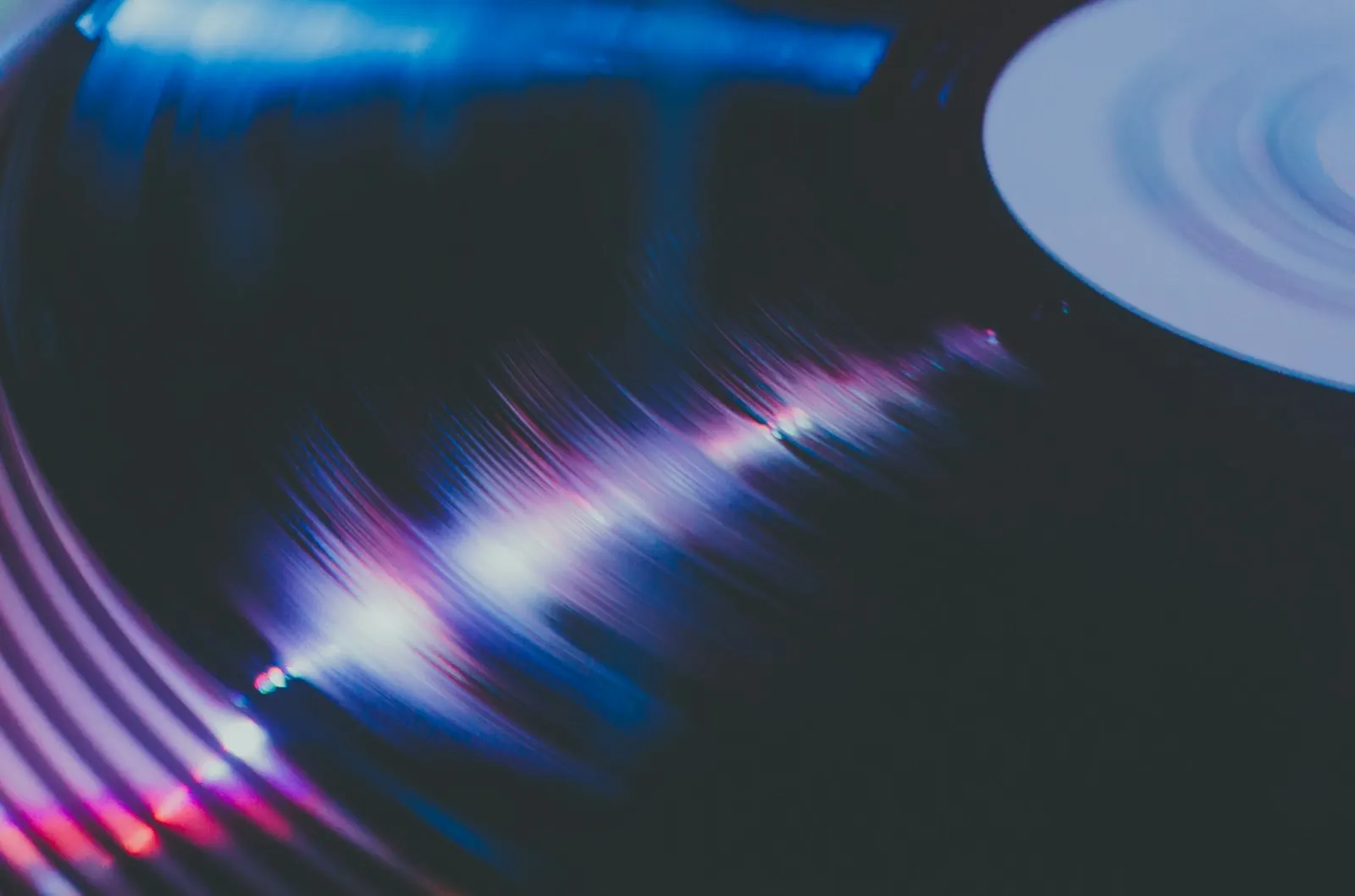
Serato Scratch Live arrived in 2004, built by a small New Zealand company in partnership with Rane, on a concept called digital vinyl control. The system pressed a special timecode signal onto otherwise ordinary records; when a turntable’s needle tracked that groove, software read the platter’s speed, direction and position and applied them to digital files on a laptop. You still held a record. You still moved the platter with your hands. But what came out of the speakers was any file in your library. The SL-1200s stayed in the booth; the crate became infinite. FinalScratch had pioneered the idea a few years earlier, but Serato’s stability and latency made it trustworthy at club volume, and trust is the entire product when your mix is public.
Serato Scratch Live
A timecode record that kept the turntable alive when vinyl distribution collapsed
- Type
- Digital vinyl system
- Launched
- 2004, from a small New Zealand company
- Changed
- Saved turntablism's whole technique
- Today
- Serato DJ Pro. Owned by Tiny since 2025. Spotify streams inside it since September 2025
The machinesTen instruments on The DJ Diaries, from 1970 to 2006, drawn to scale. Tap a dot to read its story.
1997 Serato began with founder Steve West as a University of Auckland student, seven years before Scratch Live.
US$66 million bought Tiny a 66% stake in May 2025, after New Zealand regulators blocked a takeover by AlphaTheta in August 2024.
Sources: AudioCulture · BetaKit
What It Saved
The timing mattered. In 2004, vinyl distribution was collapsing, dance labels were going digital-only, and the realistic alternatives were CDJs or laptops-with-mice, both of which abandoned turntablism’s entire technique stack. DVS meant the scratch, the baby-scratch-to-crab lineage built by hip-hop’s founding craft culture, kept its instrument. Battle DJs adopted it almost immediately, club DJs followed, and for roughly a decade Serato-plus-Technics was the default professional rig everywhere hip-hop, funk and open-format ruled. An entire generation’s hand skills crossed the digital divide intact, which is what didn’t happen to, say, tape editing.
The Culture War It Started
Purists saw heresy: the record in your hand was lying about what it played, the crate-digging economy of scarce vinyl, the thing that made a collection a biography, was dissolved into MP3 folders, and the sync-button arguments that later engulfed Traktor’s controllerism era started here. The counter-argument won on merit: DVS kept every difficult skill and removed only the shipping costs. What eroded the technique was the next step, when controllers and club-standard CDJs made the turntable itself optional, and vinyl’s revival answered that in its own way.
The Verdict Two Decades On
Serato’s empire eventually spanned the club and battle worlds, and in 2024 a planned takeover by AlphaTheta, maker of the CDJs it once resisted, collapsed under competition scrutiny, and in 2025 Canadian holding company Tiny bought a controlling stake instead: the streaming era now pipes Spotify into the same software. But the original achievement stands. Every DJ who still cuts on real decks over digital files, in Seoul, in the Bronx, anywhere, is running on the bridge Serato built when the industry had already priced the turntable’s funeral. Scratch Live’s direct descendant is Serato DJ Pro, and its version 4.0, announced in August 2025, finally lets DJs mix local files and streaming tracks inside a single crate.
What Serato Actually Saved
Digital vinyl systems get remembered as a convenience. They were closer to a rescue.
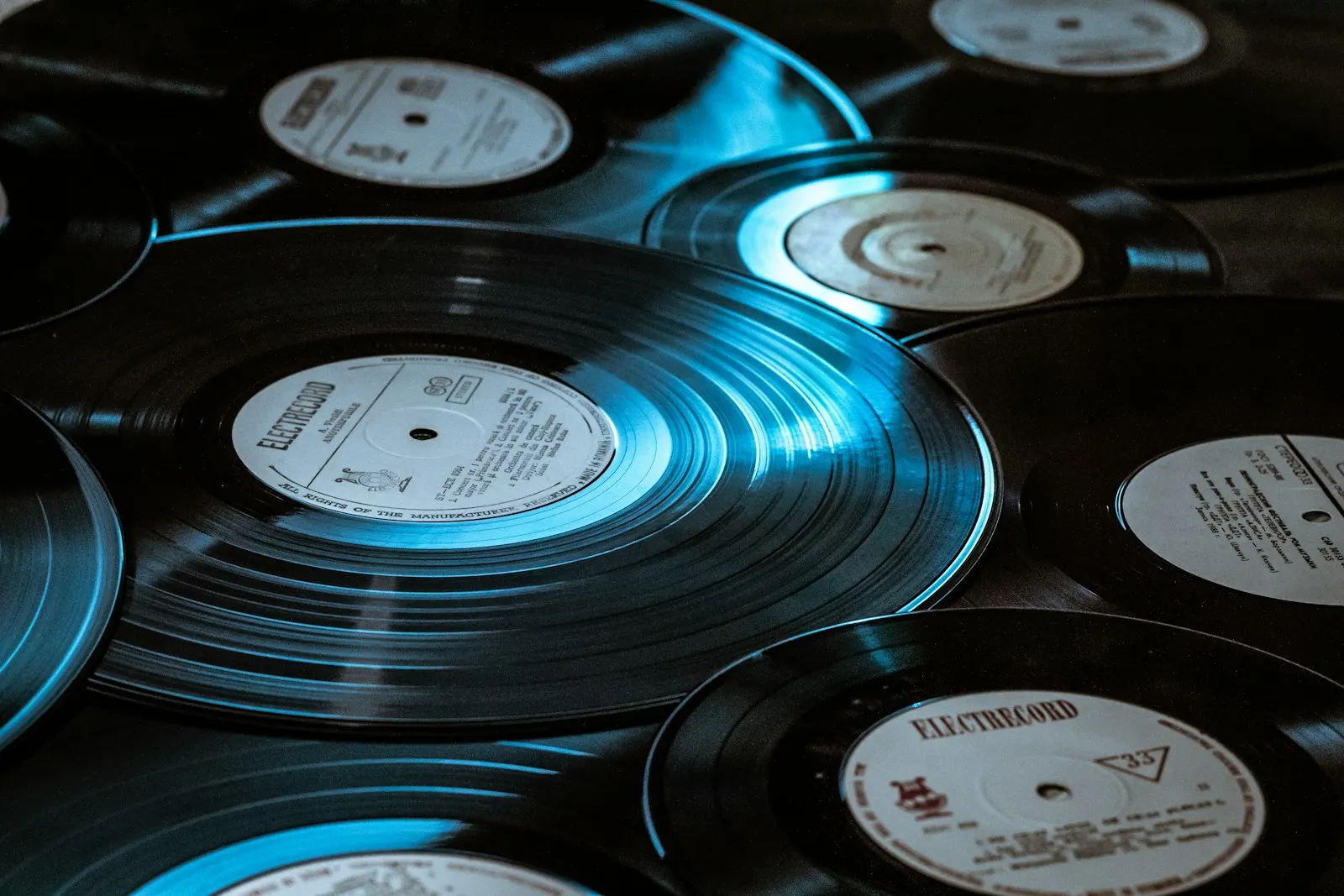
They kept the skill alive. Without timecode, the shift to digital would have meant a different physical practice entirely, and a generation of turntable technique would have gone with it. Serato meant the hands didn’t have to change.
They kept the record shops alive a little longer, because the format didn’t have to die for DJs to go digital.
The Honest Trade
It also removed the discipline of carrying a finite number of records, and you can hear it in sets. When everything is available, the decision of what not to play stops being made in advance, and a lot of digital sets sound like someone thinking out loud. That’s what happens when you delete a constraint that was doing editorial work.
My own compromise is to prepare like the bag is still finite, which is the discipline the format used to enforce.
What did Serato Scratch Live change for DJs?
It let DJs play digital files while keeping turntable technique intact, using timecode vinyl to control the software. That preserved a whole physical skill set that would otherwise have been displaced by the move to digital, and kept vinyl relevant longer. The trade was the loss of the finite record bag, which had previously forced DJs to make selection decisions before arriving.
Frequently Asked Questions
What’s Serato Scratch Live?
Serato Scratch Live is a digital vinyl system released in 2004, built by a small New Zealand company in partnership with Rane. It lets a DJ control digital files on a laptop using ordinary turntables. The DJ still holds a record and moves the platter by hand, but what comes out of the speakers can be any file in the library.
How does timecode vinyl work?
Timecode vinyl carries a special signal pressed onto an otherwise ordinary record. When the needle tracks that groove, the software reads the platter’s speed, direction and position and applies them to a digital file. Turntable technique stays exactly the same while the crate becomes effectively infinite.
Was Serato the first digital vinyl system?
No, FinalScratch pioneered the idea a few years earlier, and its later software lineage fed into Native Instruments Traktor, Serato’s great rival. Serato won trust because its stability and latency held up at club volume, and trust is the entire product when your mix is public. Battle DJs adopted it almost immediately, club DJs followed, and for roughly a decade Serato with Technics turntables was the default professional rig in hip hop, funk and open format booths.
Who owns Serato now?
Serato has been majority owned since 2025 by Tiny, a Canadian holding company, after a planned takeover by AlphaTheta, the maker of the CDJs it once resisted, was abandoned in 2024. New Zealand’s Commerce Commission declined to clear the AlphaTheta deal, the companies called it off in July 2024, and Tiny then paid US$66 million for a 66 per cent stake in 2025. The streaming era now pipes Spotify into the same software. Its original achievement still stands for every DJ who cuts on real decks over digital files, a bridge explored further in this honest comparison of vinyl and digital. Since September 2025, Spotify Premium subscribers in 51 countries can stream directly inside Serato DJ Pro, rekordbox and djay on desktop, though not on standalone units or CDJs.
Further Reading
- Wikipedia: the history of Serato Scratch Live and its partnership with Rane
- Wikipedia: how digital vinyl systems read timecode records
- Wikipedia: Final Scratch, the digital vinyl system that came before Serato
- Wikipedia: Rane, the hardware company behind the original Scratch Live interface
- Serato: the official page for Serato DJ, the successor to Scratch Live
Written from Seoul, by someone who has been in the booth for more than twenty years. More on the site, or book a DJ.
Stay in the Loop
New writing on DJ culture, electronic music, and the Seoul underground, delivered when it matters.
More From The DJ Diaries

Play with the history
Four tools built from the same research as this site.